- Prep
- 35 min
- Cook
- 30 min
- Total
- 65 min
- Servings
- 2
- Difficulty
- Beginner
Why Cook Japanese Rice in a Pot?
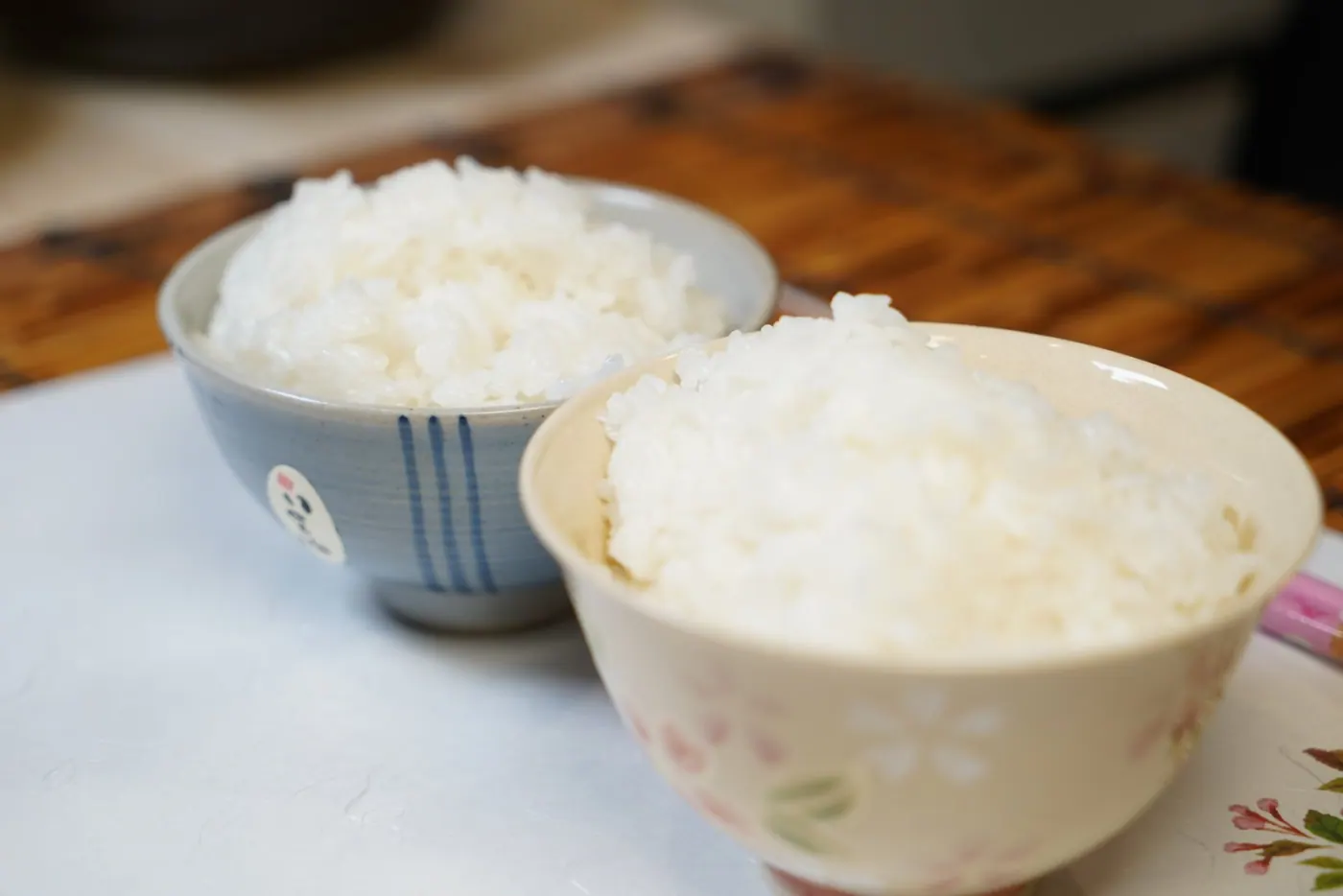
In Japan most homes cook rice in a rice cooker, but outside Japan, not many people own one. This recipe shows how to cook soft, fluffy Japanese rice in an ordinary pot on the stove. The keys are the steps many people skip: washing, soaking for 30 minutes, getting the water amount exactly right, and steaming with the lid on.
The amounts make rice for 2: 300g of rice and 400ml of water.
Why You'll Love This Recipe
- No rice cooker needed - Just a pot with a lid
- Two ingredients - Rice and water
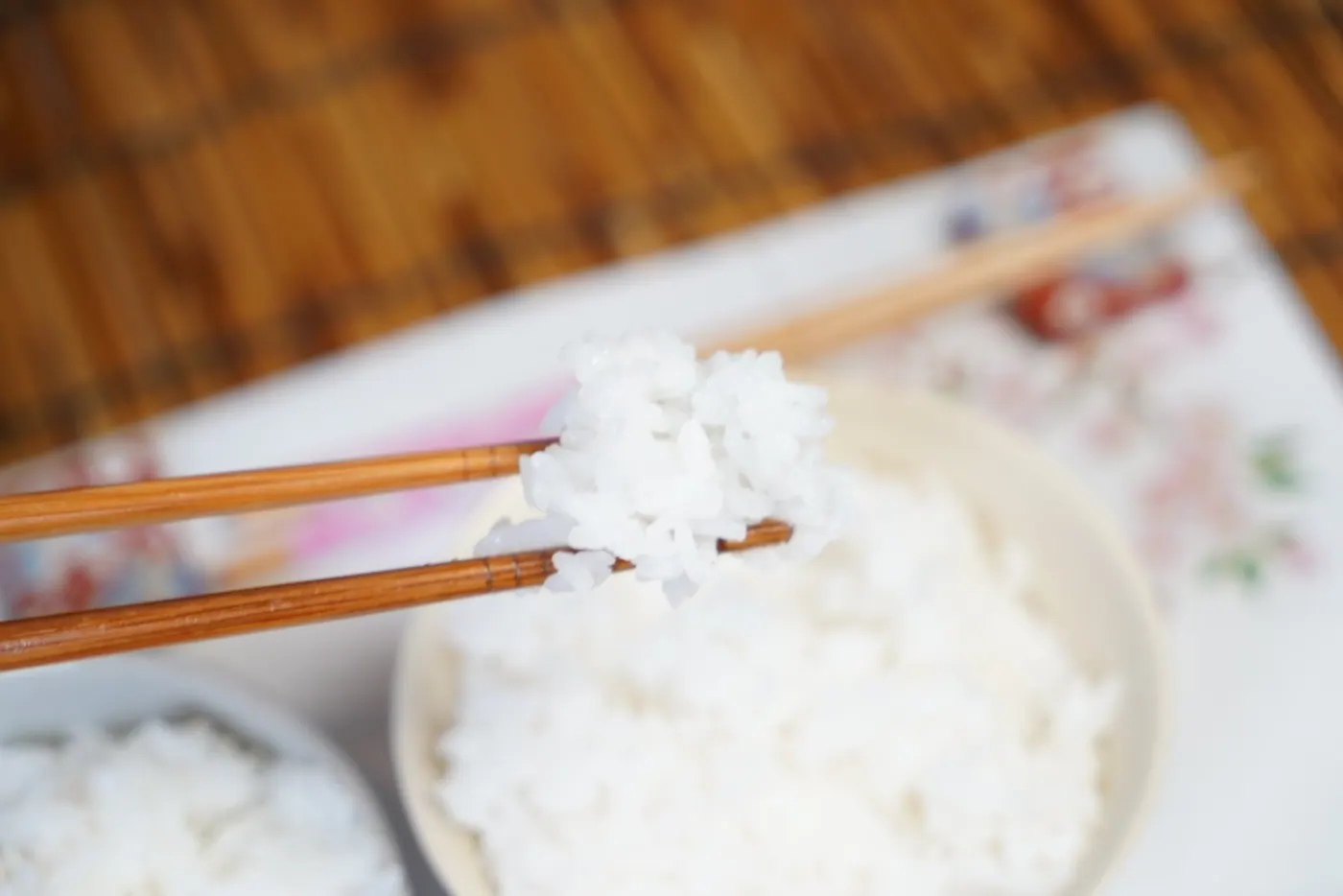
- Soft and fluffy - Soaking and steaming cook every grain through
- Freezes well - Freeze leftovers and reheat in the microwave
Key Points of This Recipe
- Wash the rice until the water is almost clear
- Soak it for about 30 minutes, and don't skip this step
- Use exactly 400ml of water for 300g of rice
- Leave the lid on and steam for 10 minutes, then fluff from the bottom
Required Equipment
- Kitchen scale
- Large bowl
- Sieve
- Pot with a lid
- Rice paddle (or a large spoon)
Japanese Rice Ingredients (Serves 2)
Cooking more rice
The rice and water amounts are the most important part of this recipe. For more rice, use a little less water than simply scaling up: reduce the water by 25ml for each full 100g of rice you add. For example, 3 servings is 450g of rice. Simply scaling up would give 600ml of water, but you've added 150g of rice (one full 100g), so use 25ml less: 575ml of water.
Video Tutorial

How to Cook Japanese Rice
Wash the Rice
Measure the rice
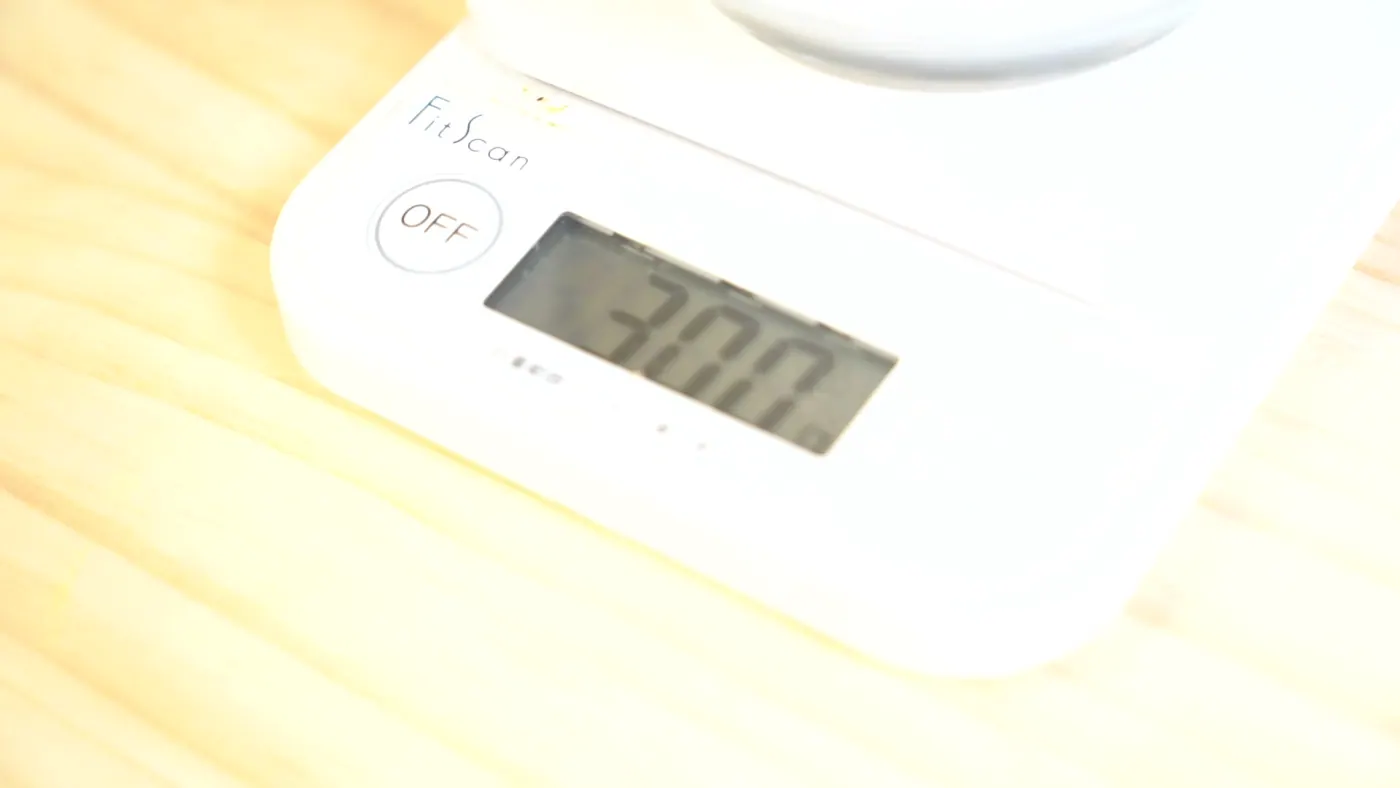
Weigh 300g of Japanese short-grain rice.
Rinse the rice
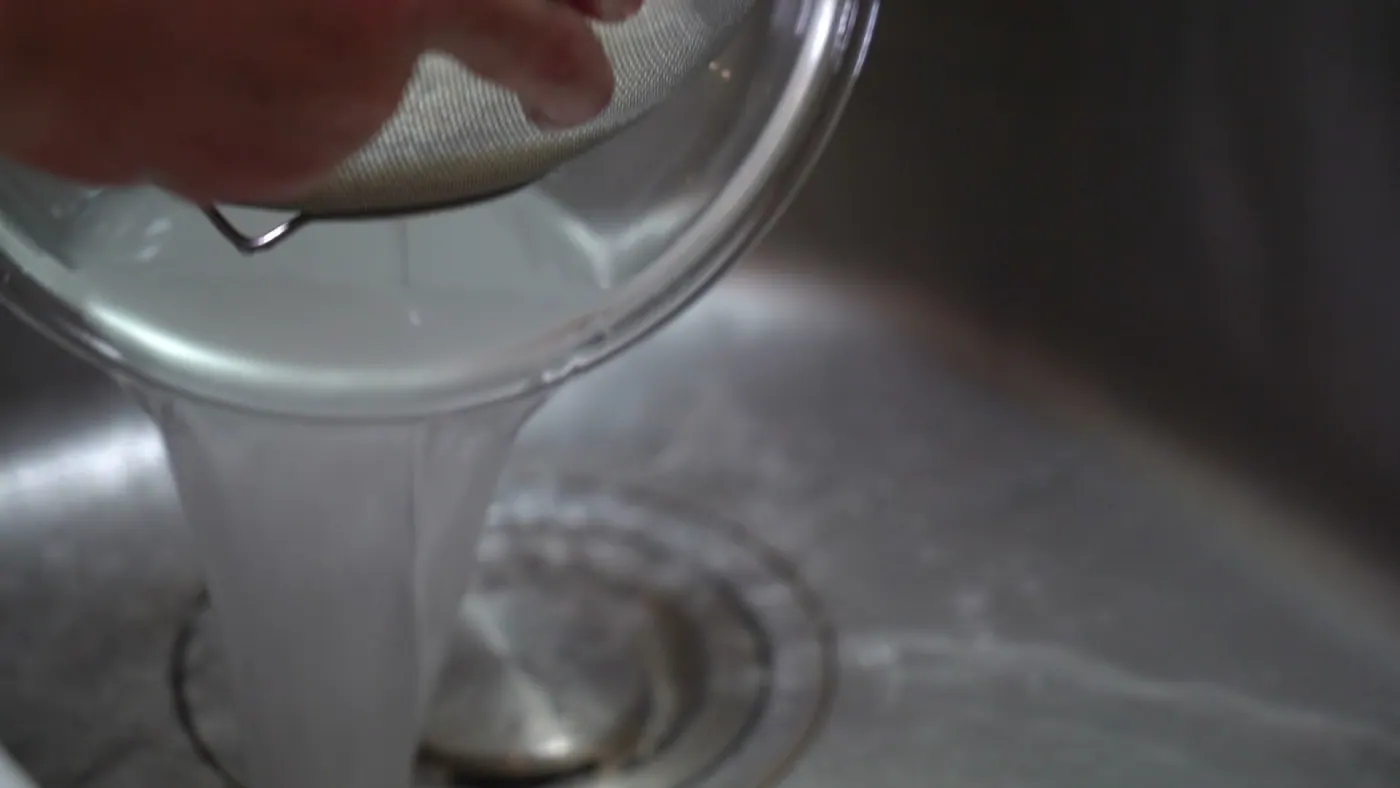
Transfer the rice to a large bowl. Add enough water to cover the rice completely, rinse it gently and pour the water out.
Washing removes small bits of debris and dust from the surface of the rice, so it's an essential step for good rice.
Stir with your fingers
Add water to the bowl again and stir the rice with your fingers in a circular motion for about 10 seconds.
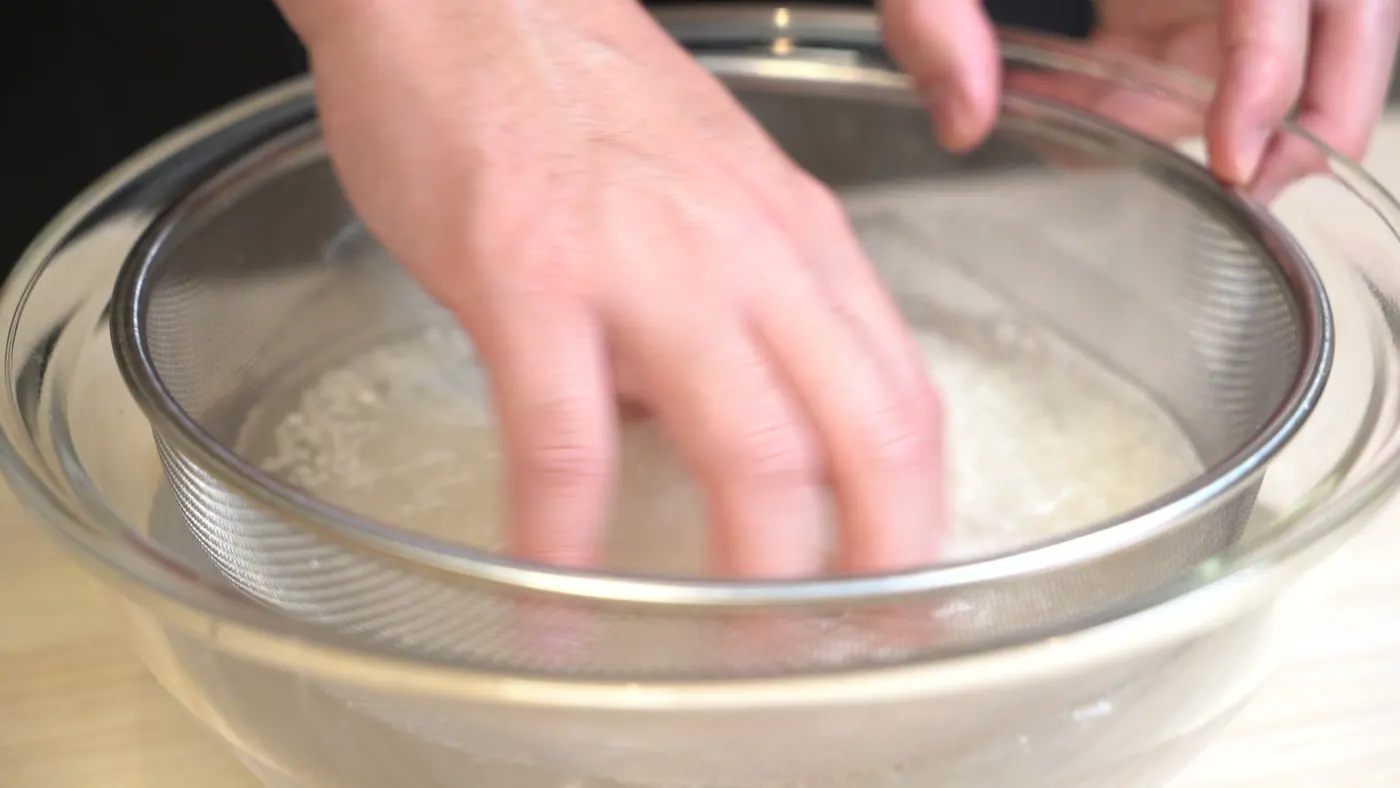
Repeat until the water is almost clear
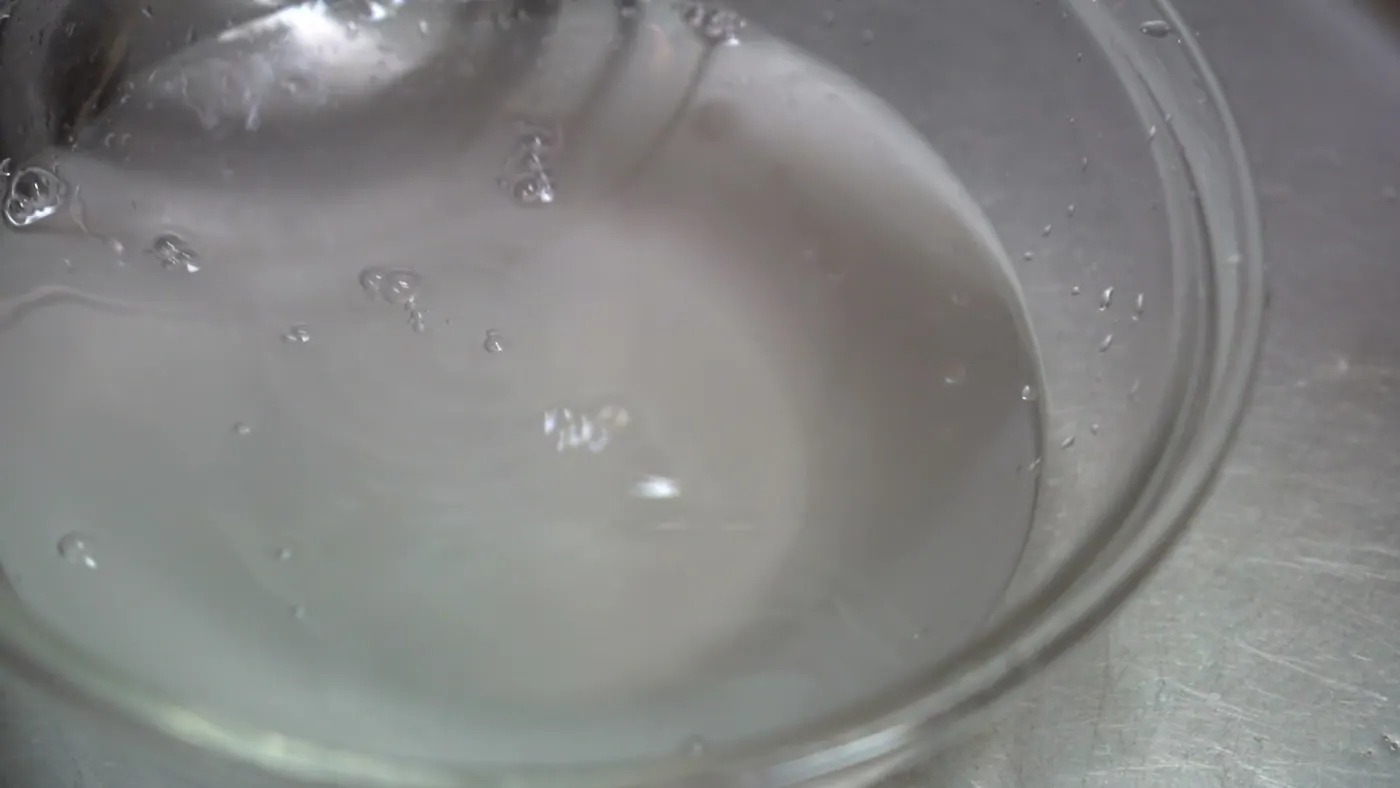
Pour out the milky, cloudy water and repeat until the water is nearly clear. It usually takes 3-4 times. When the water looks like this, you're done.
Soak the Rice
Soak for 30 minutes
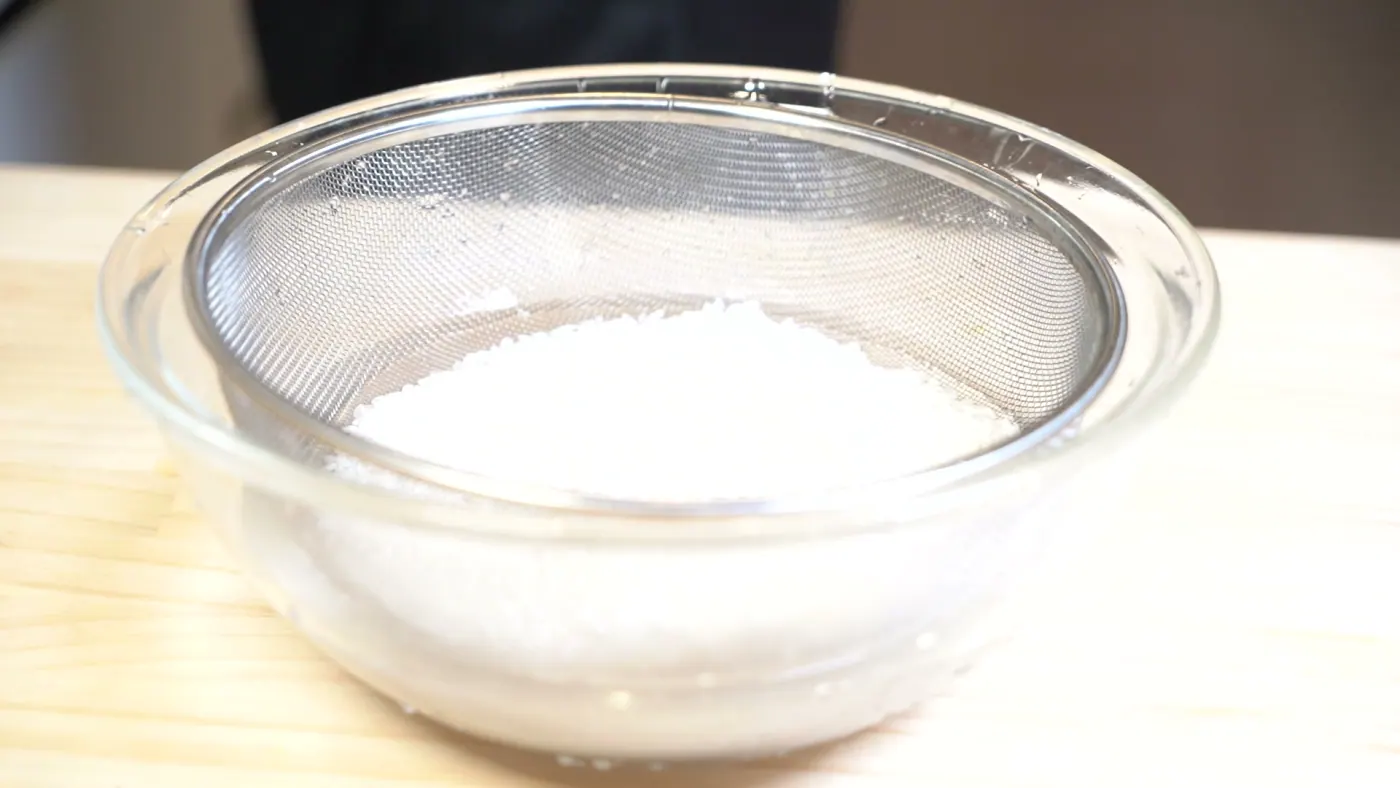
Add enough water to the bowl to cover the rice completely and let it soak for about 30 minutes.
Why soak the rice?
Soaking lets the heat reach the center of every grain, so the rice comes out soft and delicious. Please don't skip this step.
Check that the rice has turned white
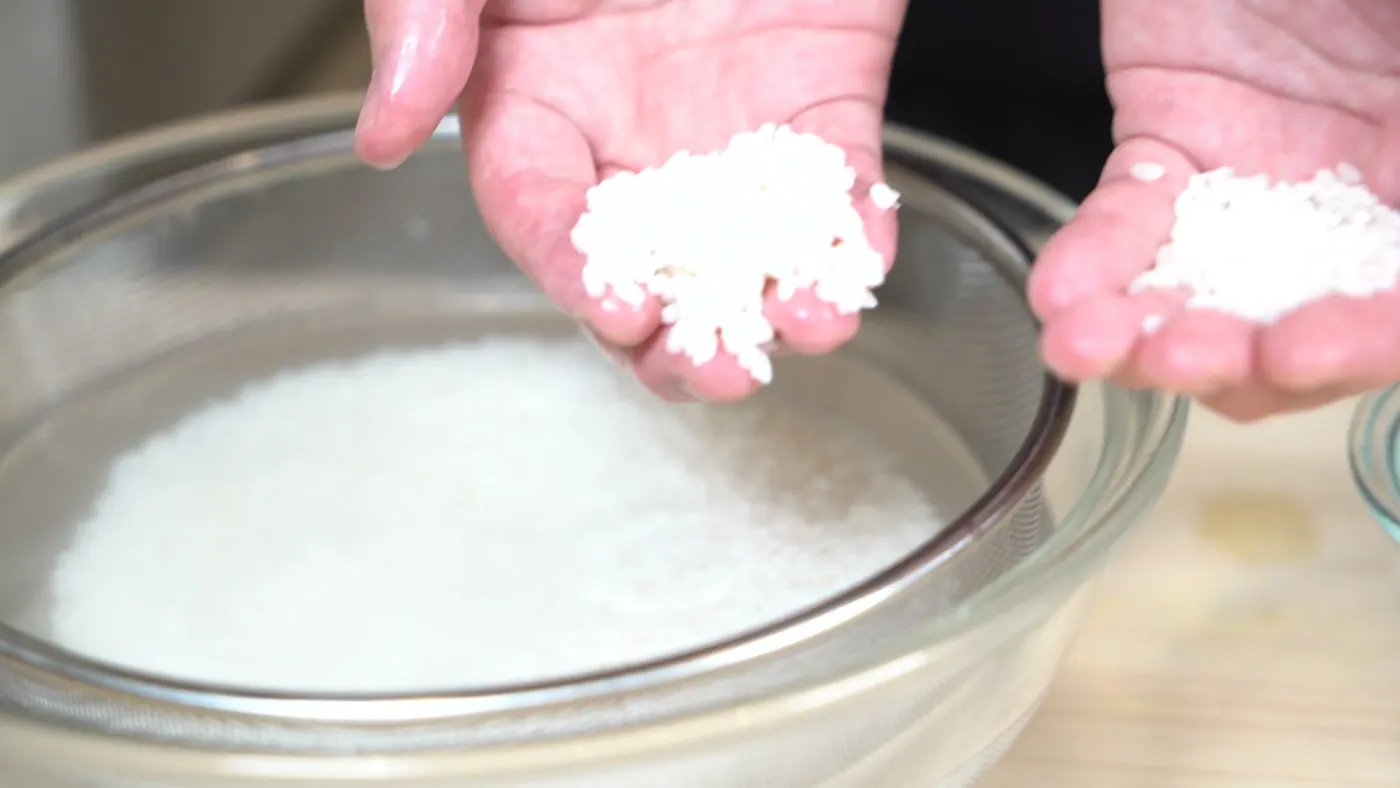
When the rice has soaked long enough, the grains turn white. Compare them with dry rice and you'll see the difference easily.
Cook the Rice
Drain the rice and put it in the pot
Drain the extra water with a sieve and add the rice to the pot.
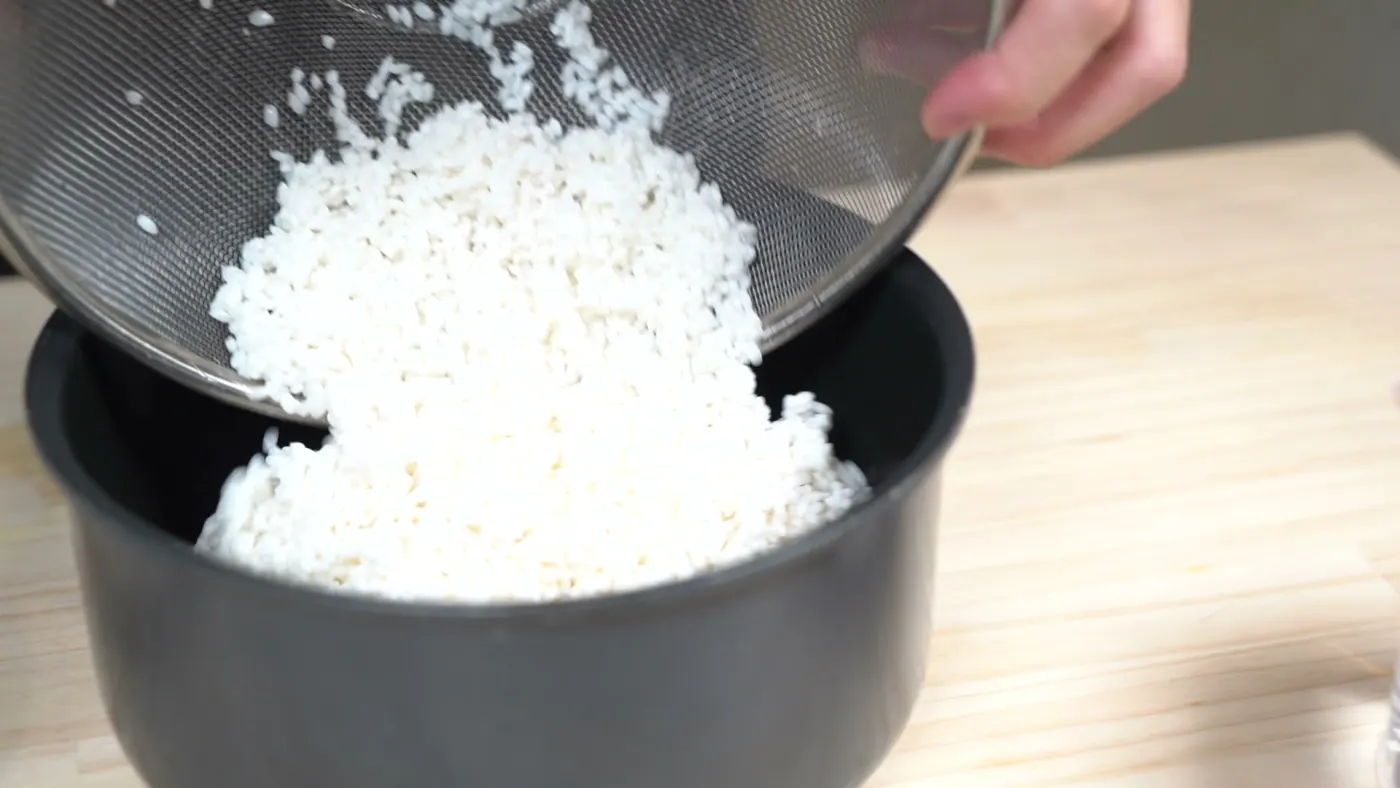
Add 400ml of water
Add 400ml of water. The amounts of rice and water are the most important part, so measure carefully.
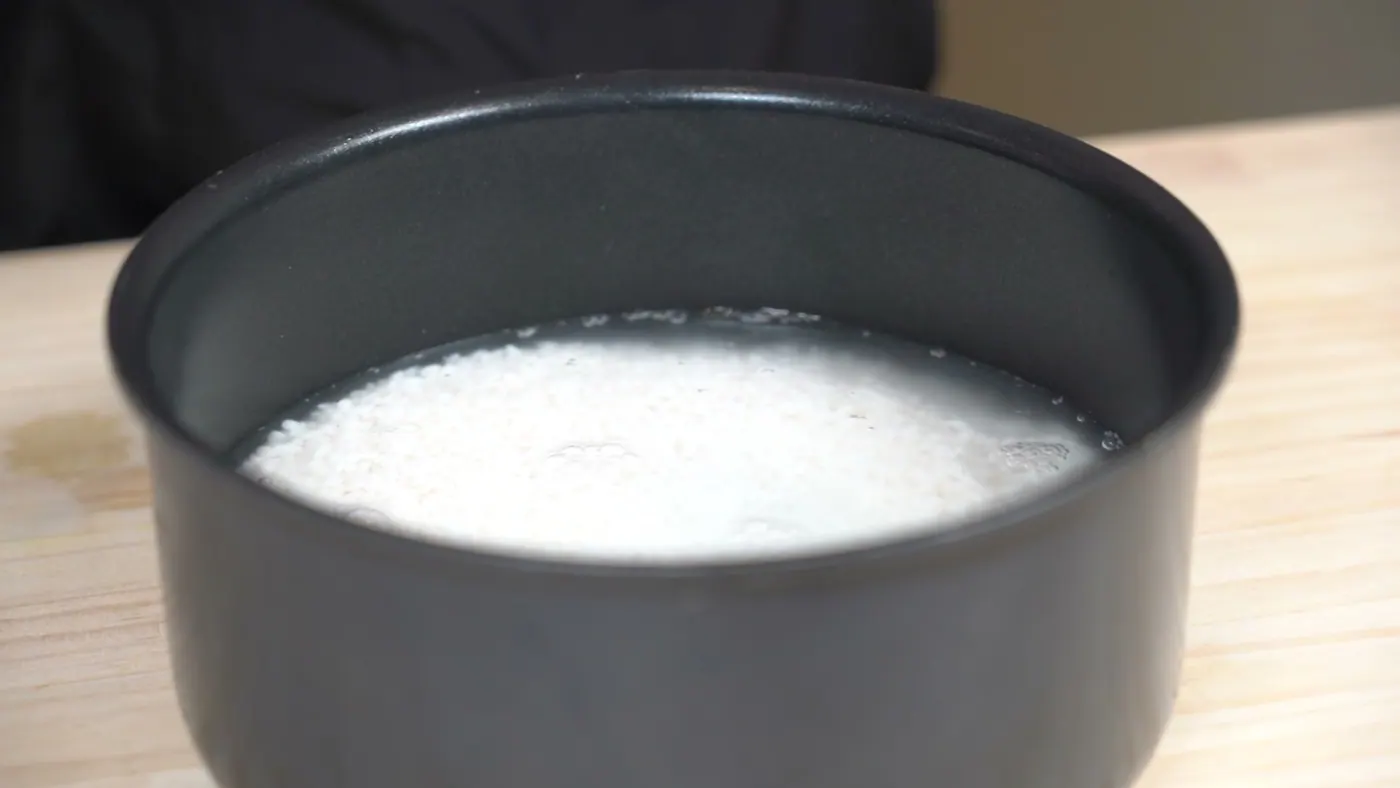
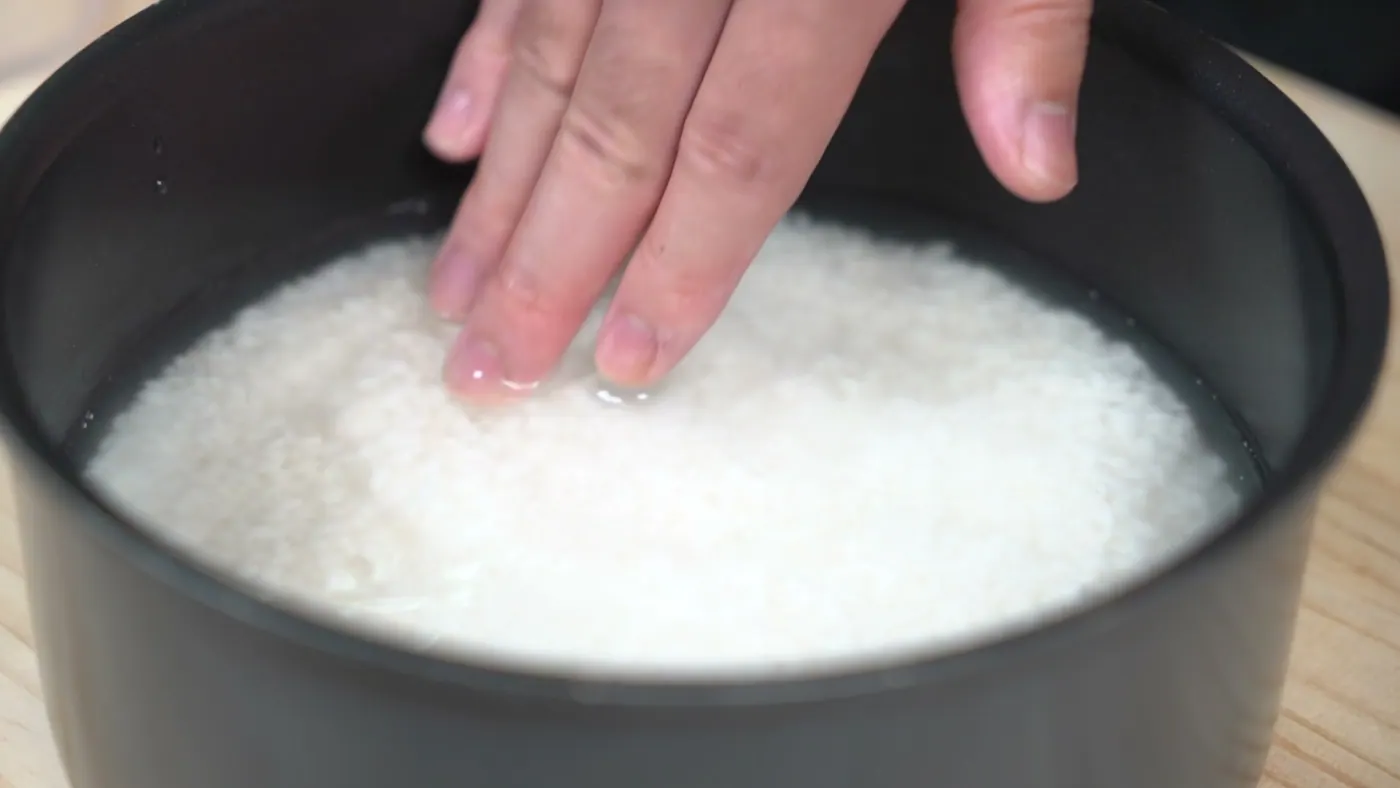
Level the surface
Flatten the surface of the rice with your fingers so it heats evenly. If you skip this, some of the rice may end up undercooked.
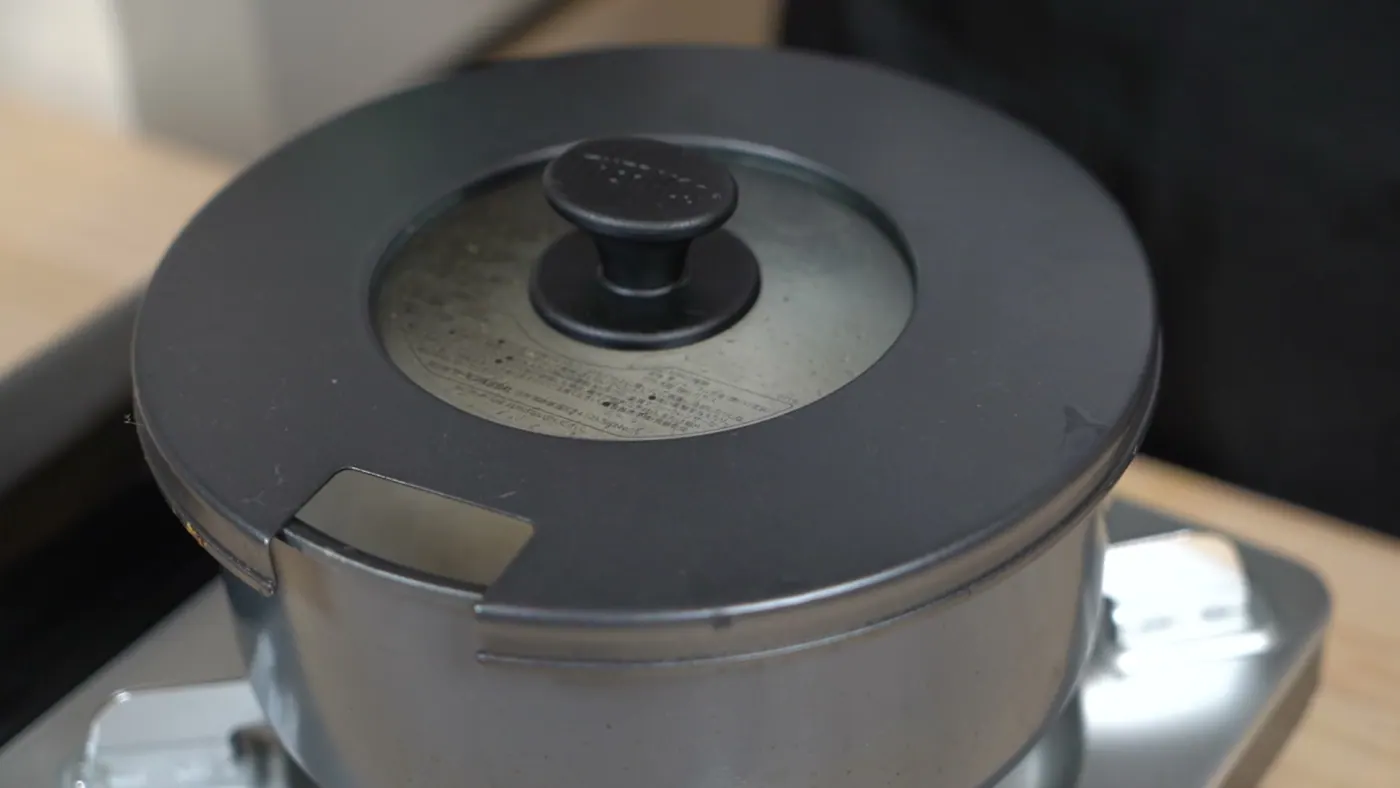
Bring to a boil over medium heat
Put the lid on, place the pot in the center of the burner and heat it over medium heat until it comes to a boil.
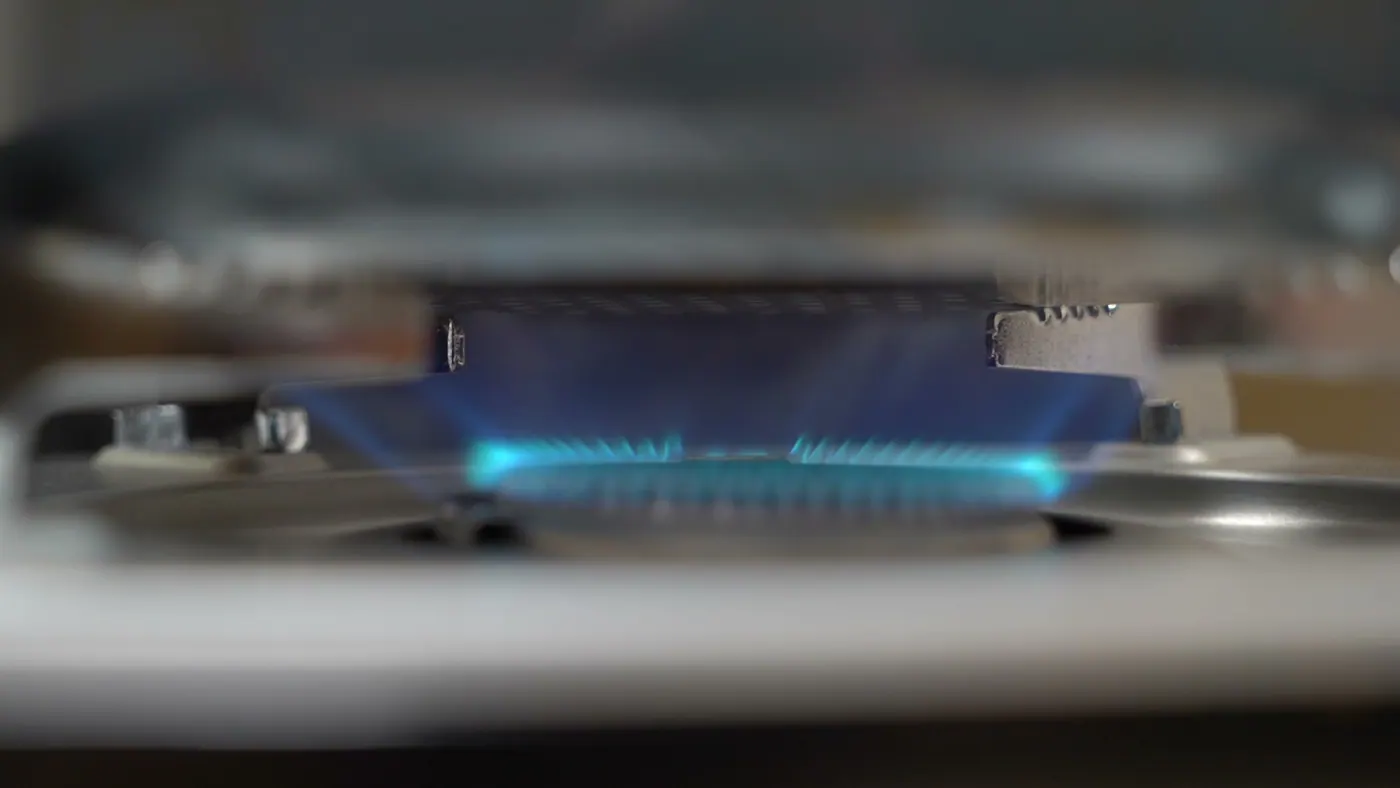
Cook over low heat for 12 minutes
Once it boils, turn the heat down to low and cook slowly for about 12 minutes. Cooking it slowly is what makes the rice delicious.
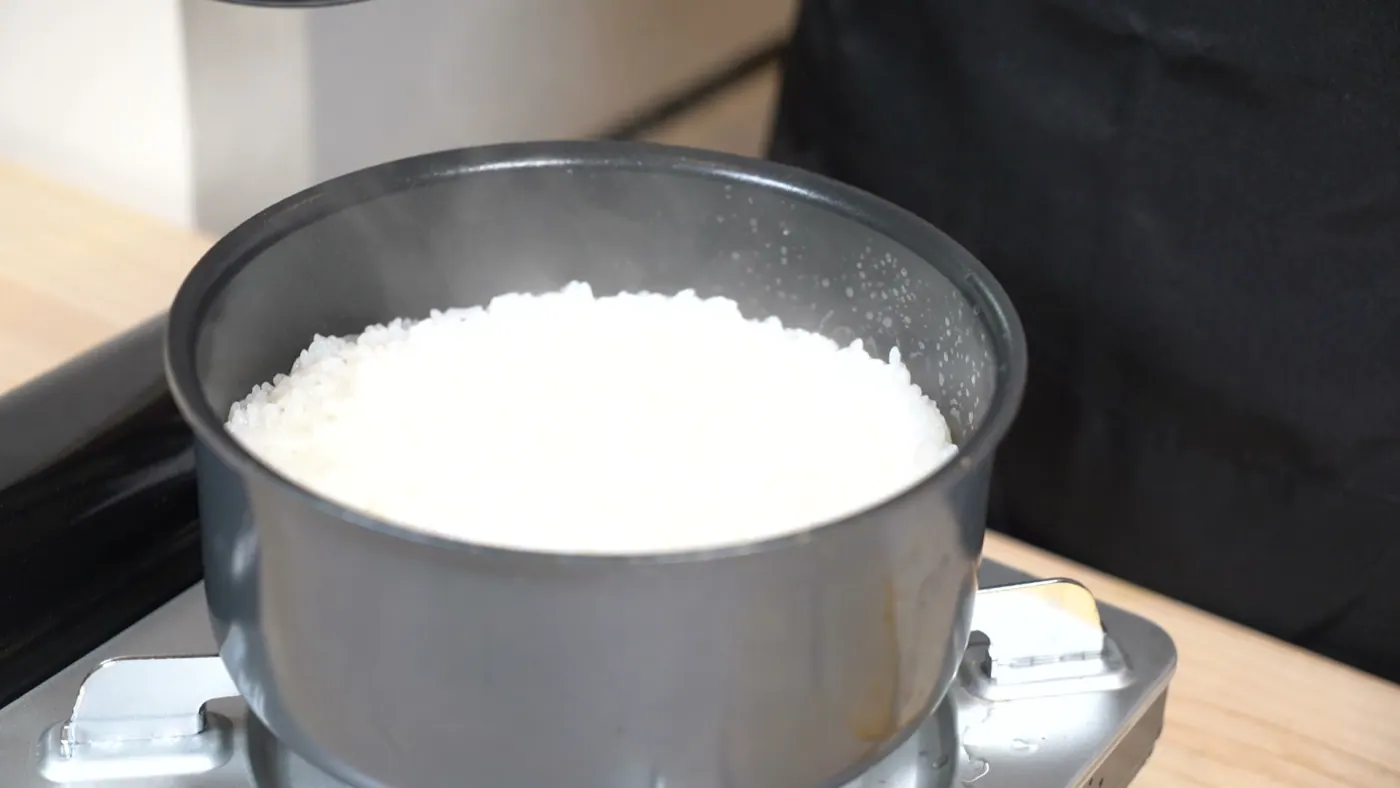
Check that the water is absorbed
Open the lid and check that the rice has absorbed the water. If there's still water in the pot, cook it a little longer.
Steam and Serve
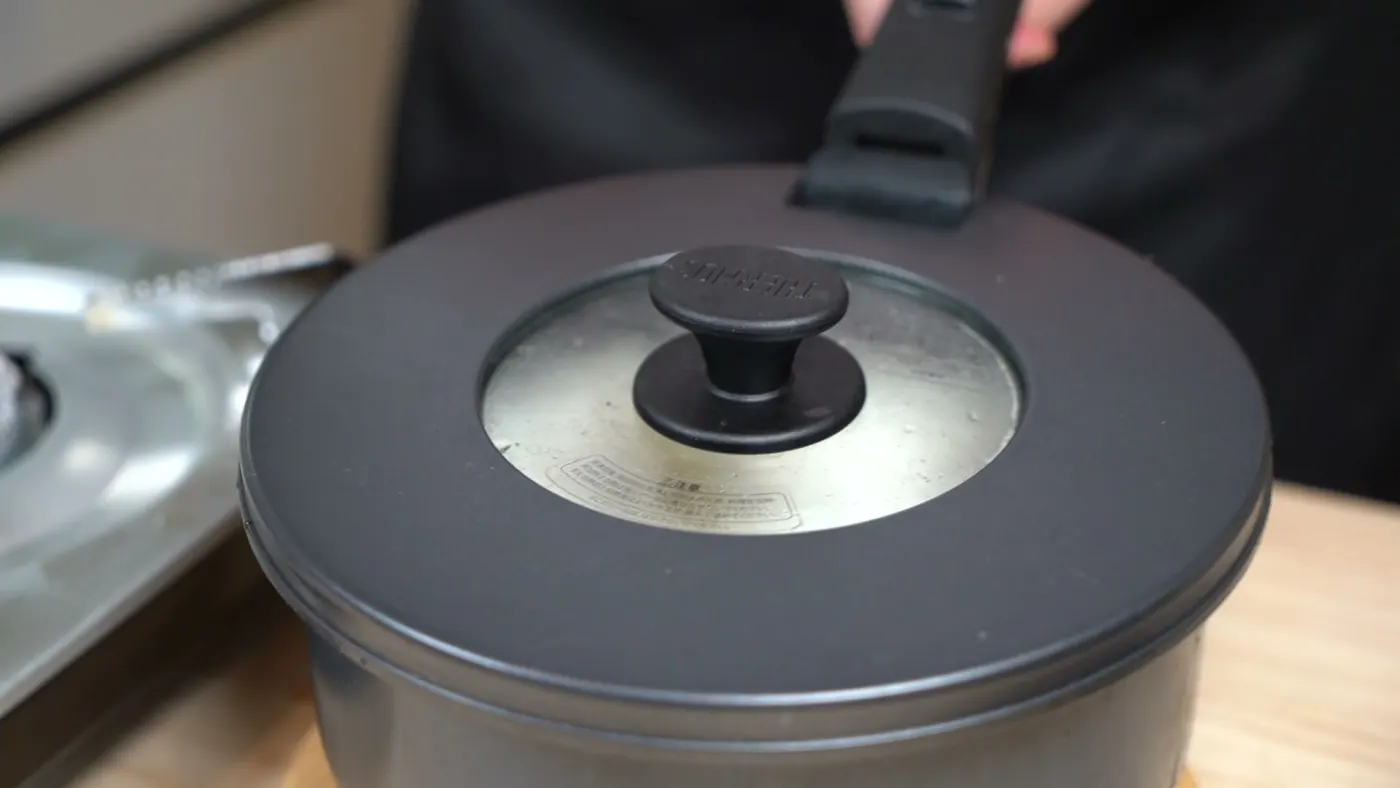
Steam with the lid on for 10 minutes
When the water is absorbed, turn off the heat and take the pot off the burner. Leave the lid on and let the rice steam for about 10 minutes.
Why steam the rice?
Steaming spreads the moisture and heat evenly through the rice and gives it a better texture. Please don't skip this step either.
Fluff the rice
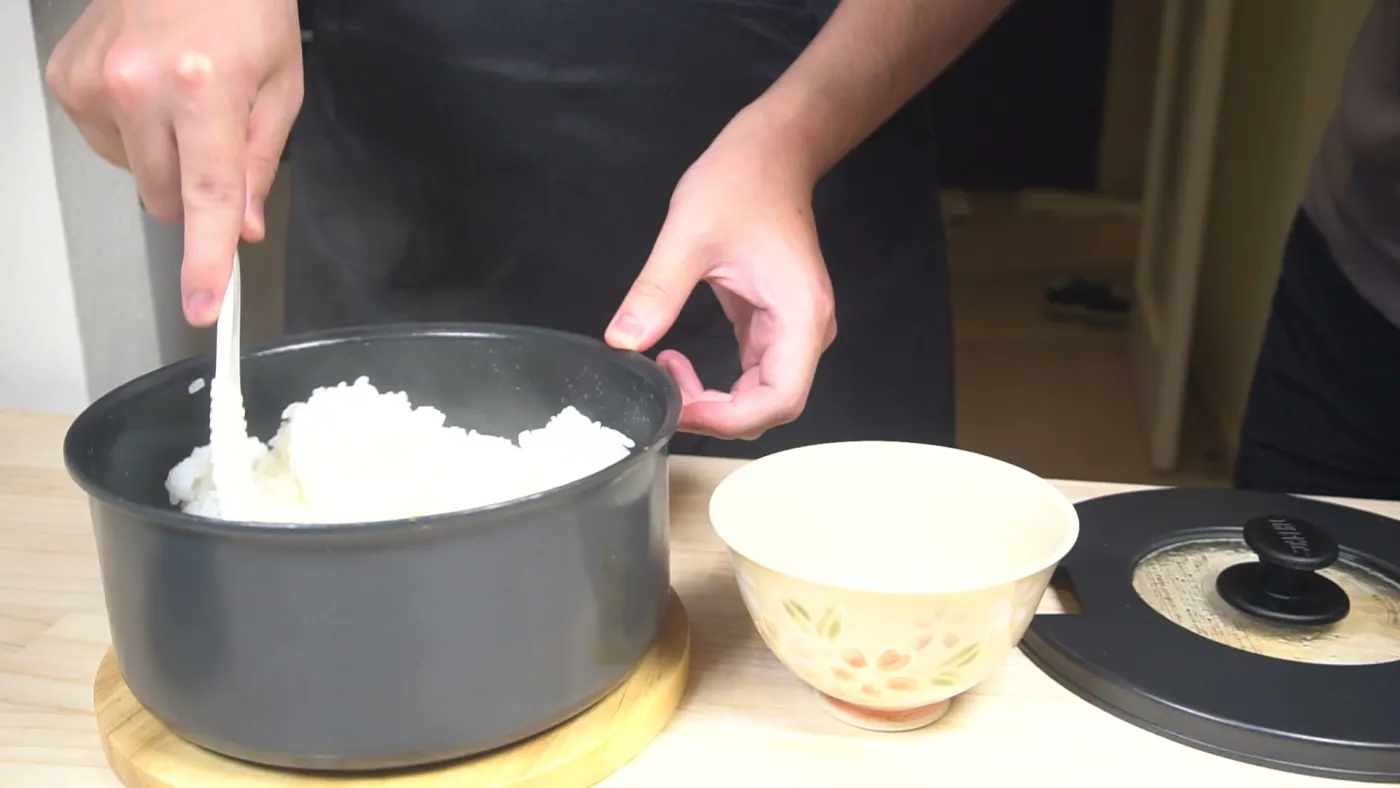
After 10 minutes, open the lid and fluff the rice by lifting it from the bottom. This lets the extra moisture escape and keeps the grains from sticking together. Fluffing rice is common in Japan, but not many people know the reason behind it.
Serve
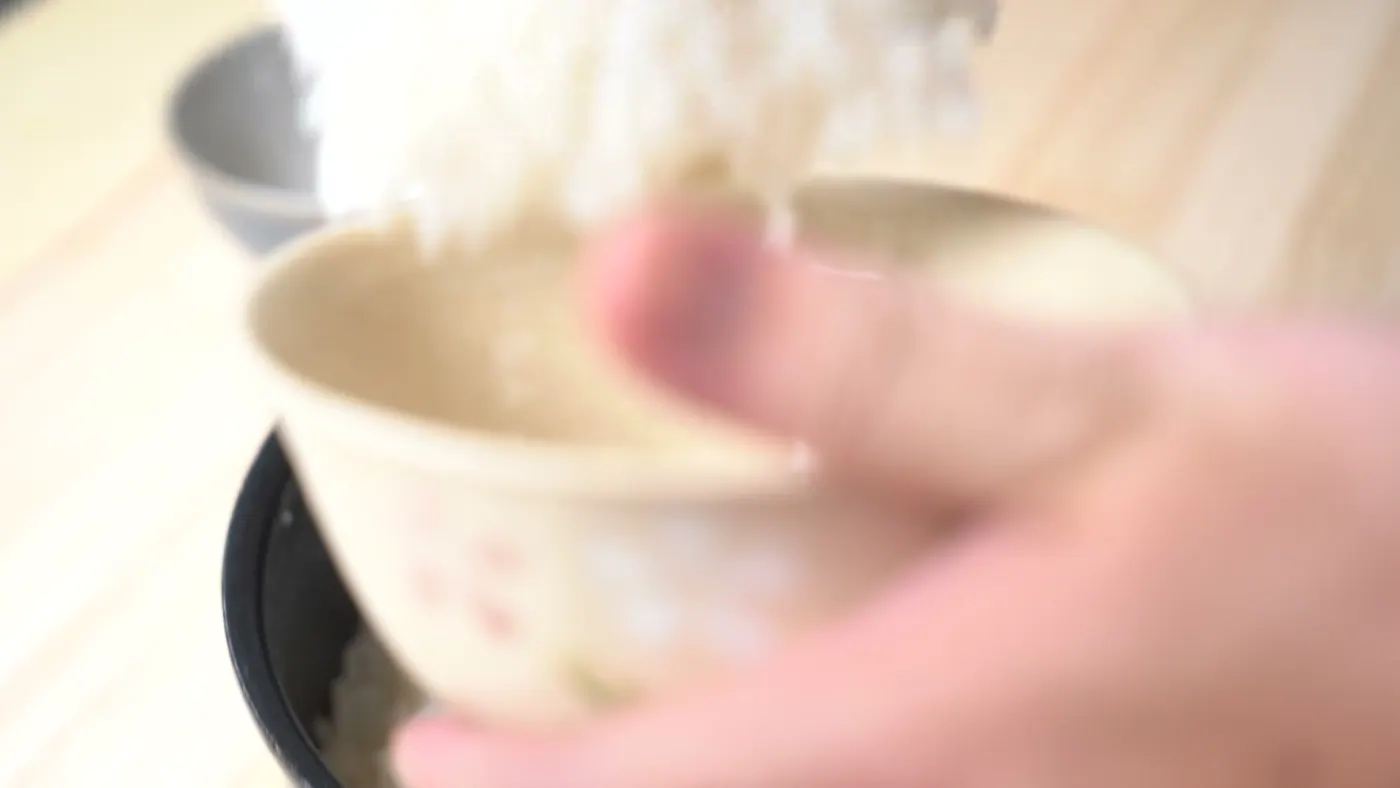
Serve the rice in bowls.
Tips and Key Points
Wash until the water is almost clear
Washing removes debris and dust from the surface of the rice. It takes 3-4 rounds for the water to turn nearly clear.
Don't skip the soaking or the steaming
Soaking lets the heat reach the center of each grain, and steaming spreads moisture and heat evenly. Both make the rice soft and fluffy.
Measure the water exactly
400ml of water for 300g of rice. For more rice, use 25ml less water than simply scaling up for each full 100g of rice you add, for example 575ml for 450g.
Troubleshooting
Frequently Asked Questions
Do I have to soak the rice?
Yes. Soaking for about 30 minutes lets the heat reach the center of each grain, so the rice cooks soft. Soaked rice turns white, so you can see when it's ready.
There's still water in the pot after 12 minutes. What should I do?
Put the lid back on and cook it over low heat a little longer, until the water is absorbed.
How much water do I need for 3 servings?
575ml of water for 450g of rice. Simply scaling up would give 600ml, but for each full 100g of rice you add beyond 300g, use 25ml less water.
Why do I fluff the rice?
Lifting it from the bottom lets the extra moisture escape and keeps the grains from sticking together.
How do I store leftover rice?
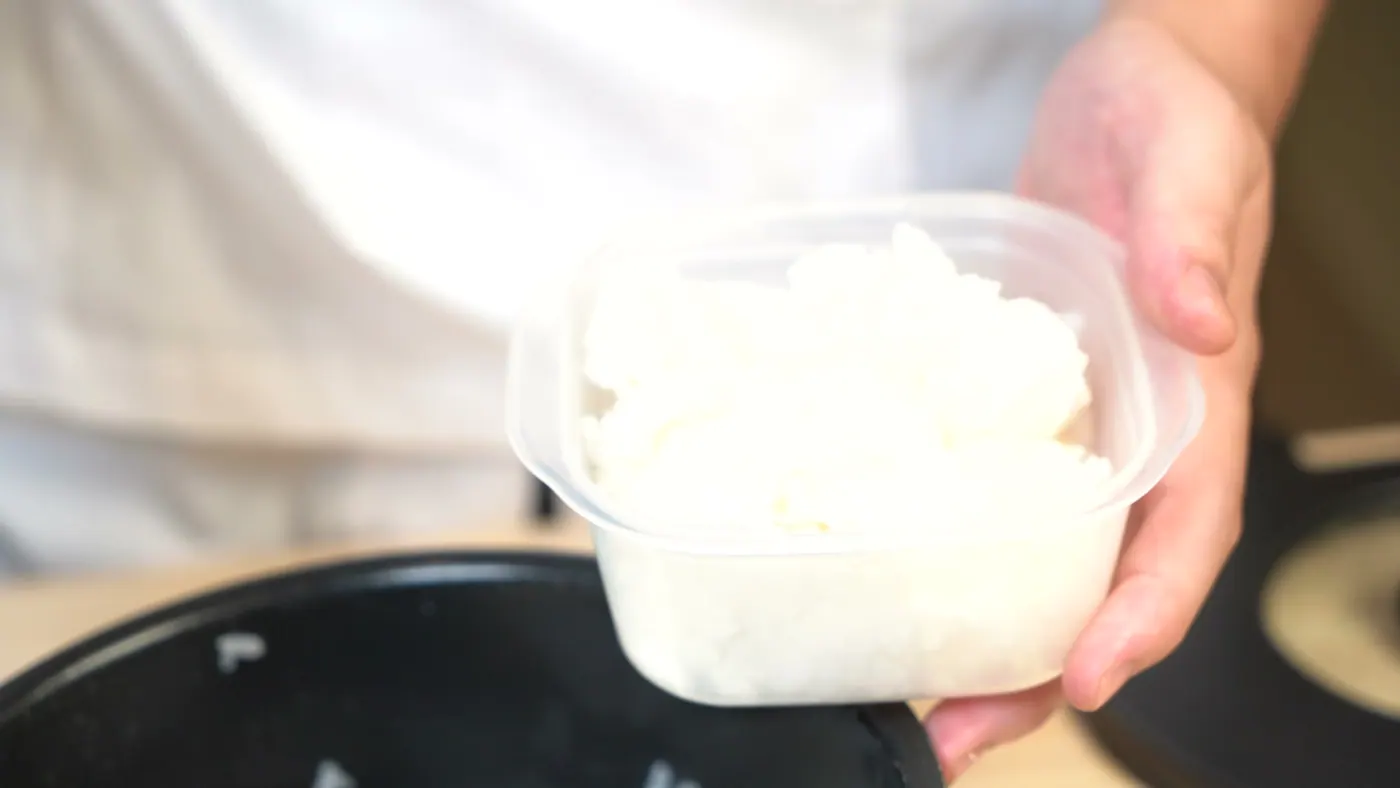
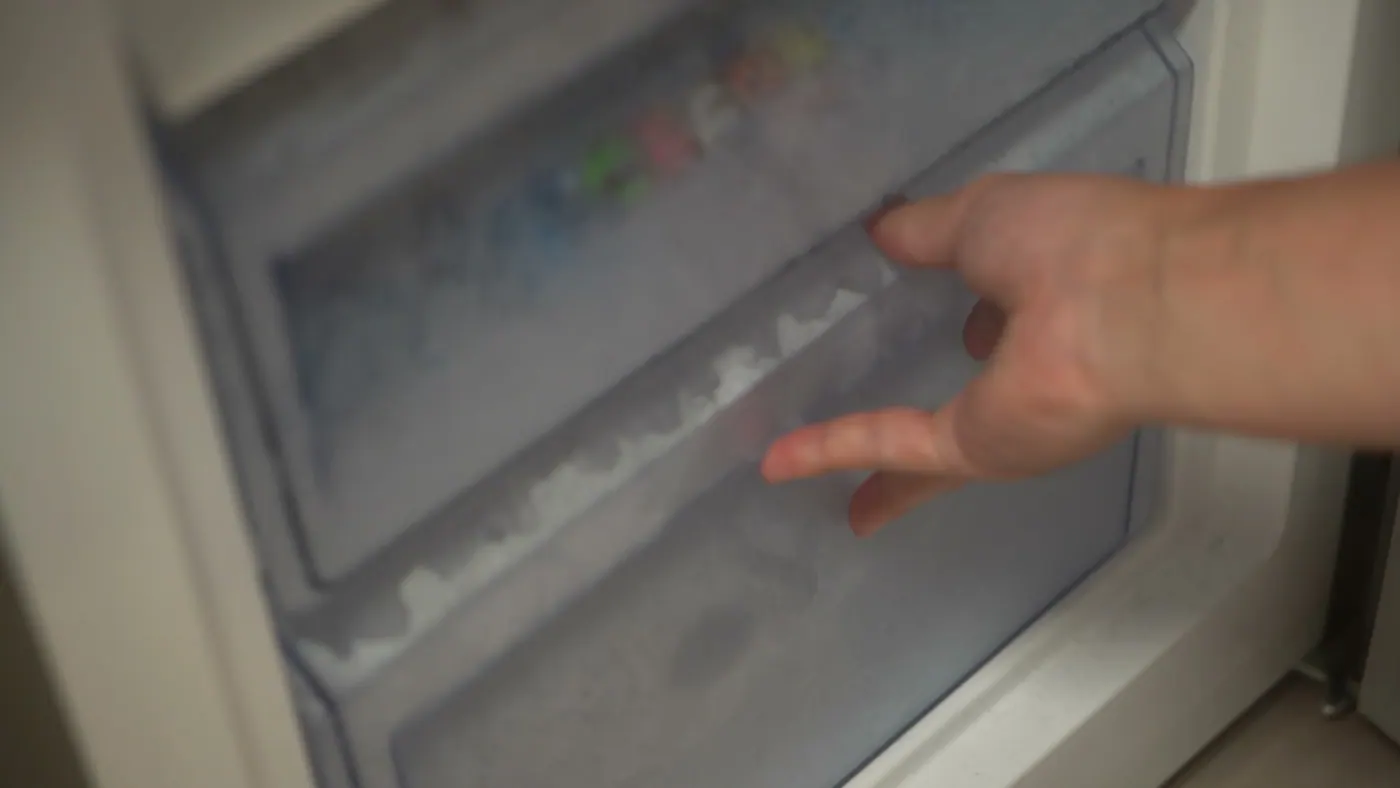
Pack it into an airtight container and freeze it. It keeps for about a month in the freezer, but it's best eaten within a week. Reheat it in the microwave.
Summary
Rice cooked in a pot is simple: wash it until the water is almost clear, soak for 30 minutes, cook with exactly 400ml of water for 300g of rice, and steam for 10 minutes with the lid on. Fluff it from the bottom, and you have soft, fluffy Japanese rice without a rice cooker.
How to Store Japanese Rice
Pack leftover rice into an airtight container and close the lid tightly. Freezing keeps its flavor best. It lasts about a month in the freezer, but it's best eaten within a week. Reheat it in the microwave.
丼Rice Bowl鍋で炊くご飯
How to Cook Japanese Rice (In a Pot, Without a Rice Cooker)
In Japan most homes cook rice in a rice cooker, but outside Japan, not many people own one.
No ratings yet
Rate this recipe
- Prep
- 35 min
- Cook
- 30 min
- Total
- 65 min
- Servings
- 2
- Difficulty
- Beginner
Ingredients
Rice
Ingredient amounts are multiplied; cooking times and pan size may need adjusting.
Instructions
Amounts mentioned in the steps are for the original recipe (1x) — use the scaled amounts above.
Wash the Rice
Measure the rice
Weigh 300g of Japanese short-grain rice.
Rinse the rice
Transfer the rice to a large bowl. Add enough water to cover the rice completely, rinse it gently and pour the water out.
Washing removes small bits of debris and dust from the surface of the rice, so it's an essential step for good rice.
Stir with your fingers
Add water to the bowl again and stir the rice with your fingers in a circular motion for about 10 seconds.
Repeat until the water is almost clear
Pour out the milky, cloudy water and repeat until the water is nearly clear. It usually takes 3-4 times.
Soak the Rice
Soak for 30 minutes
Add enough water to the bowl to cover the rice completely and let it soak for about 30 minutes.
Check that the rice has turned white
When the rice has soaked long enough, the grains turn white. Compare them with dry rice and you'll see the difference easily.
Cook the Rice
Drain the rice and put it in the pot
Drain the extra water with a sieve and add the rice to the pot.
Add 400ml of water
Add 400ml of water. The amounts of rice and water are the most important part, so measure carefully.
Level the surface
Flatten the surface of the rice with your fingers so it heats evenly. If you skip this, some of the rice may end up undercooked.
Bring to a boil over medium heat
Put the lid on, place the pot in the center of the burner and heat it over medium heat until it comes to a boil.
Cook over low heat for 12 minutes
Once it boils, turn the heat down to low and cook slowly for about 12 minutes. Cooking it slowly is what makes the rice delicious.
Check that the water is absorbed
Open the lid and check that the rice has absorbed the water. If there's still water in the pot, cook it a little longer.
Steam and Serve
Steam with the lid on for 10 minutes
When the water is absorbed, turn off the heat and take the pot off the burner. Leave the lid on and let the rice steam for about 10 minutes.
Fluff the rice
After 10 minutes, open the lid and fluff the rice by lifting it from the bottom. This lets the extra moisture escape and keeps the grains from sticking together. Fluffing rice is common in Japan, but not many people know the reason behind it.
Serve
Serve the rice in bowls.
Video
Watch the video · 5:50Open on YouTube
Jump to a part of the video (9 chapters)
Video: https://youtu.be/4lATQnTMCqc
Notes
To store
Pack leftover rice into an airtight container and close the lid tightly. Freezing keeps its flavor best. It lasts about a month in the freezer, but it's best eaten within a week. Reheat it in the microwave.
Nutrition estimated, per serving
- Calories
- 513 kcal
- Carbohydrates
- 116.4 g
- Protein
- 9.1 g
- Fat
- 1.4 g
- Saturated fat
- 0.4 g
- Fiber
- 0.8 g
- Sugar
- 0.3 g
- Sodium
- 2 mg
Estimated by us from the Standard Tables of Food Composition in Japan (MEXT, 2020). Optional ingredients and garnishes are not counted; soup and sauce are counted as fully eaten. Actual values depend on your brands and portion sizes. How we calculate this
Course: Rice Bowl · Cuisine: Japanese · Keyword: How to Cook Japanese Rice
Recipe from Japanese Cooking Ichie — https://japanesecookingichie.com/recipes/how-to-cook-japanese-rice/
Make it a meal
Add a side dish to round out the table.
Ratings & comments
No ratings yet — be the first to rate this recipe.
Comments