What Is Japanese Rice?
Japanese rice belongs to the japonica group of rice, which has short, plump, slightly translucent grains. When cooked, the grains stay whole but cling to each other, so a bite of rice holds together on chopsticks. Long-grain rice such as jasmine or basmati cooks up drier and looser.
There are two main kinds. Uruchimai (うるち米) is ordinary rice, eaten plain as gohan and used for sushi, onigiri and rice bowls. Mochigome (もち米), glutinous or sweet rice, is much stickier and is used for mochi and some festive dishes.

Our video: How to Cook Japanese Rice Without a Rice Cooker · 5:50
Jump to a part of the video (9 chapters)
What Does Japanese Rice Taste Like?
Good Japanese rice is mildly sweet, with a soft, springy chew and a light shine. It is cooked without salt or oil, so its own flavor comes through. That plain, slightly sweet taste is why it pairs so well with salty, savory toppings like the sauces in Gyudon, Oyakodon and Japanese Curry Rice.
Which Rice to Buy
- Japanese-grown short-grain rice, often Koshihikari, is the benchmark. Other well-known varieties include Akitakomachi and Yumepirika.
- California short-grain rice is widely sold in the US and is a good, more affordable everyday choice.
- Calrose is a California medium-grain japonica rice. It is not true Japanese rice, but it is soft and sticky and works well for everyday meals and sushi.
- Sushi rice on a bag usually just means plain short- or medium-grain japonica rice. It is not pre-seasoned.
- Musenmai (無洗米, wash-free rice) has its surface bran removed at the mill, so it needs little or no rinsing.
Cooking Japanese Rice (Short Version)
You don't need a rice cooker. Our recipe How to Cook Japanese Rice Without a Rice Cooker walks through washing, soaking, cooking the rice in a pot, fluffing it and storing leftovers. The basic steps are:
- Wash. Cover the rice with cold water, swirl it briefly and drain right away. Then stir it gently with your fingers, rinse and drain again, repeating until the water is almost clear.
- Soak. Let the rice sit in its measured cooking water for about 30 minutes, longer in cold weather. Soaking helps the center of each grain cook evenly.
- Measure the water. As a rule of thumb, use about 1.2 times as much water as rice by volume (1 cup of rice to 1.2 cups of water). Our stovetop recipe uses 400ml of water for 300g of rice (2 rice-cooker cups, about 360ml), and a little less water for each extra 100g in bigger batches. Freshly harvested rice needs less; adjust next time if the rice comes out too firm or too soft.
- Cook. Bring the covered pot to a boil over medium heat, then turn the heat to low and cook for about 12 minutes.
- Rest. Turn off the heat and leave the lid on for about 10 minutes so the rice finishes steaming. Then fluff it gently from the bottom.
Where to Buy Japanese Rice
Asian grocers carry several brands of Japanese and California short-grain rice, and many supermarkets stock Calrose or bags labeled sushi rice. Fresher rice tastes better, so check the milling date if there is one.
Japanese Rice Substitutes
- Medium-grain rice such as Calrose is the closest substitute.
- Avoid long-grain rice such as jasmine or basmati for Japanese rice bowls. It cooks up loose and dry, so it won't hold together or soak up sauce the same way.
How to Store Rice
Uncooked rice: keep it in an airtight container in a cool, dark place, away from heat and humidity.
Cooked rice: it tastes best fresh. For leftovers, wrap single portions while the rice is still warm and freeze them right away, then reheat in the microwave. Frozen this way, it keeps for about a month.
Recipes using Japanese short-grain rice
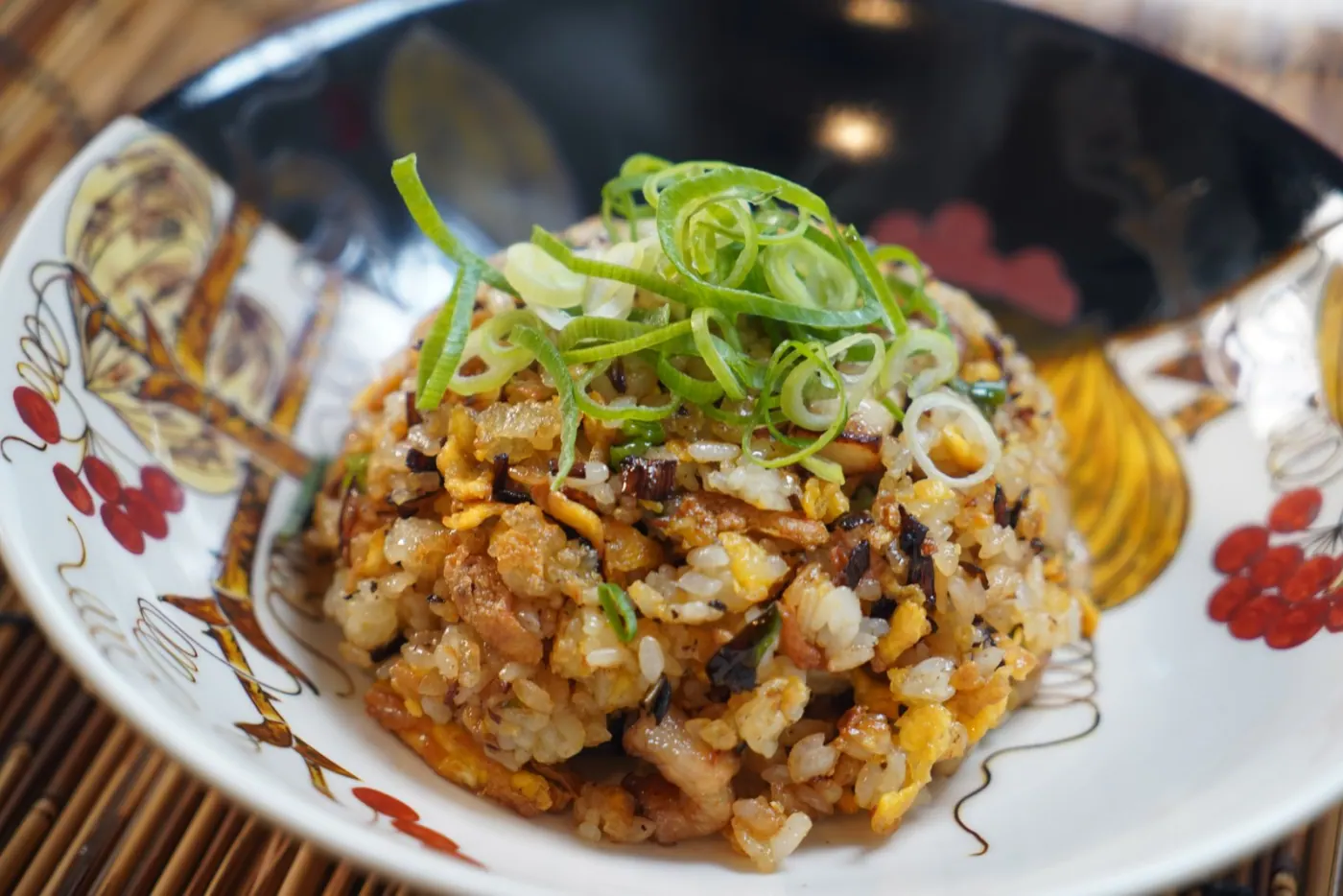
Main Dish焼きめし(焦がしチャーハン)
Yakimeshi
Japanese Fried Rice
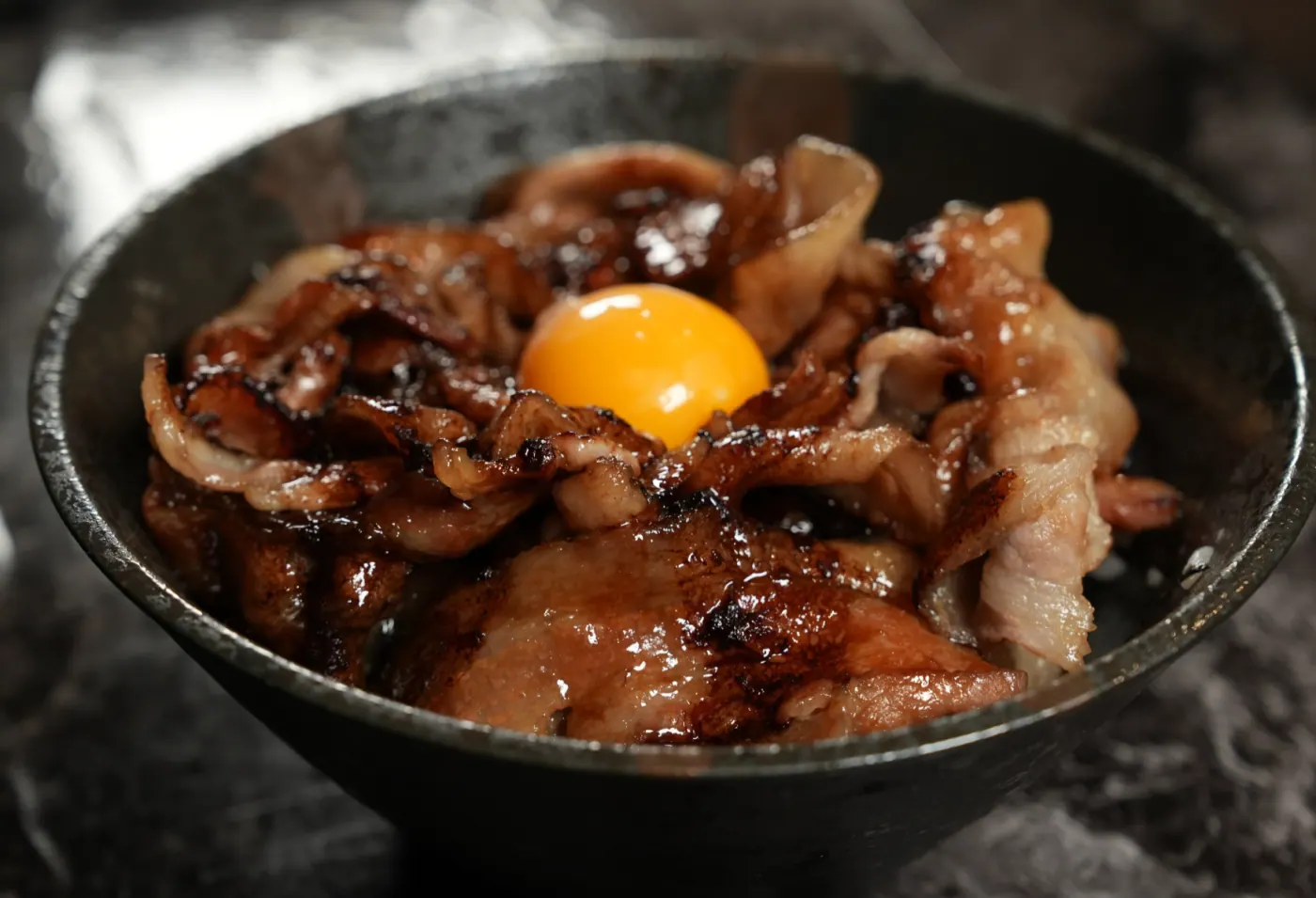
Rice Bowl豚丼
Butadon
Japanese Pork Rice Bowl
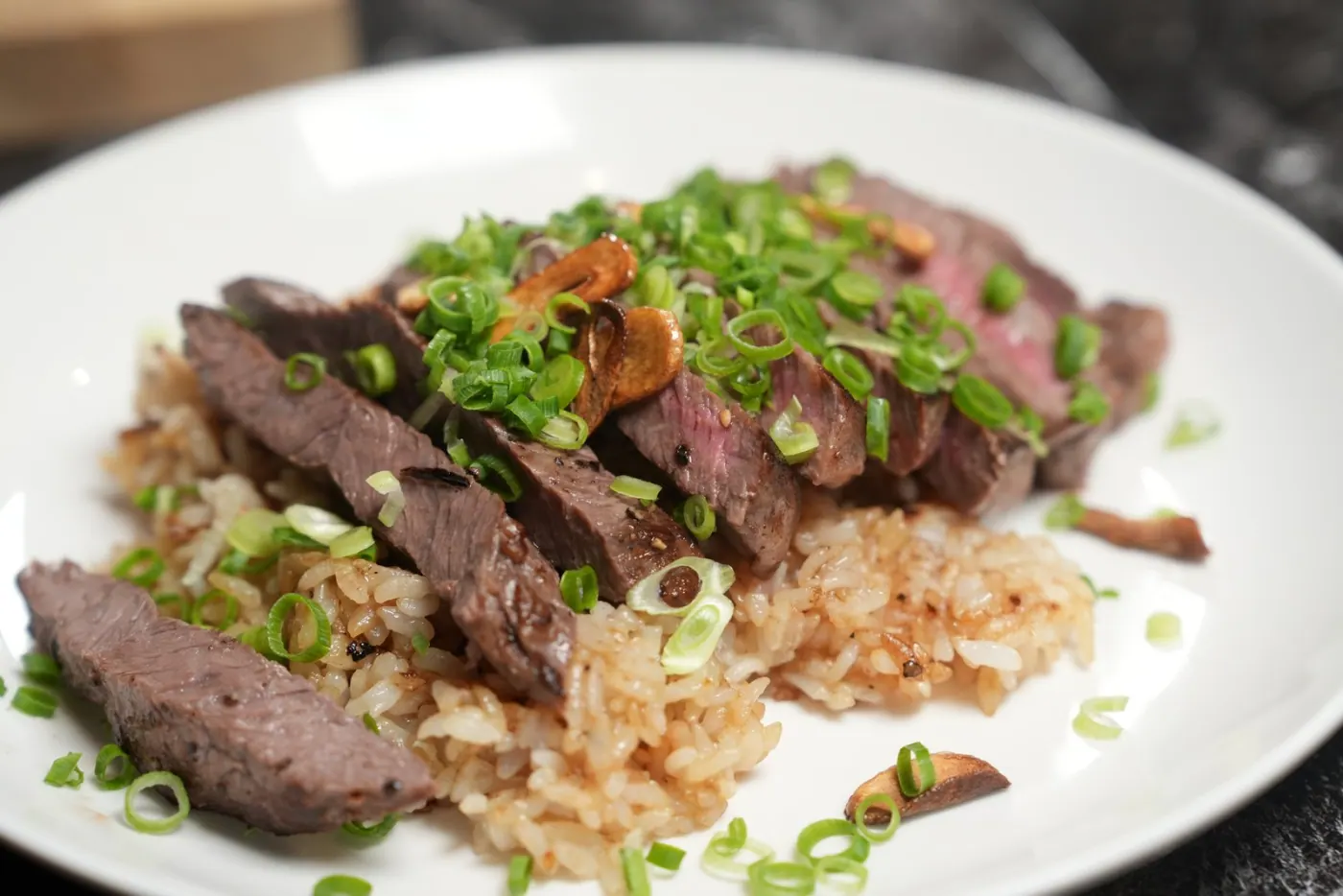
Main Dishガーリックステーキライス
Garlic Rice
Japanese Garlic Fried Rice with Steak
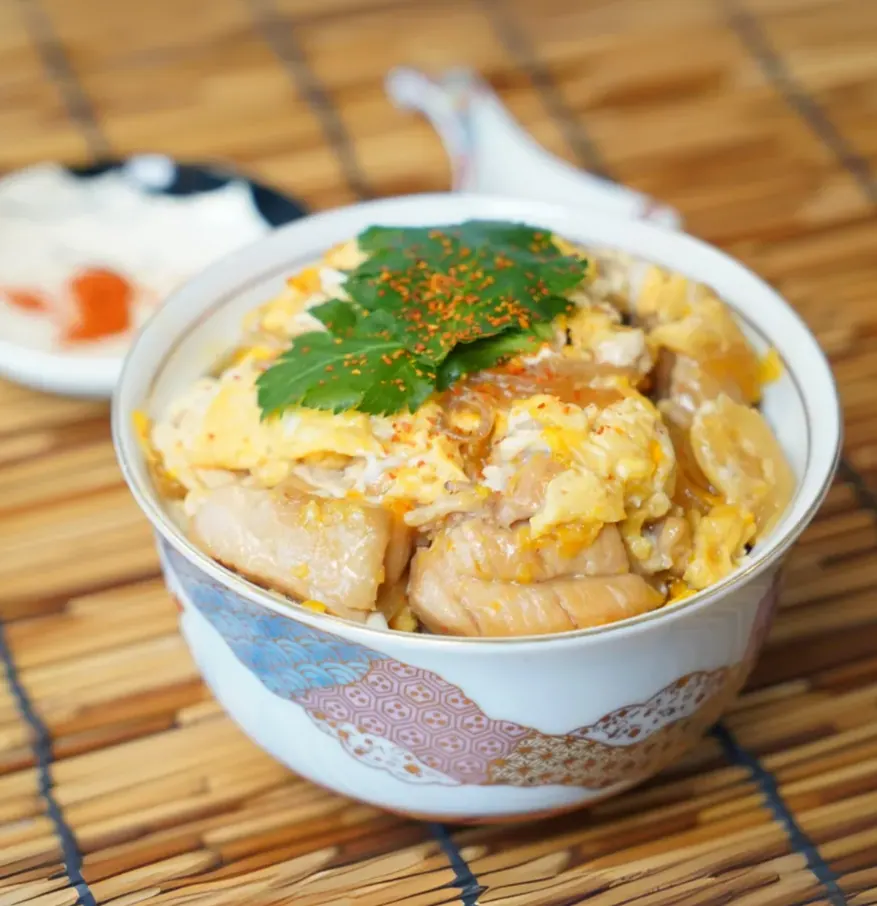
Rice Bowl親子丼
Oyakodon
Chicken and Egg Rice Bowl
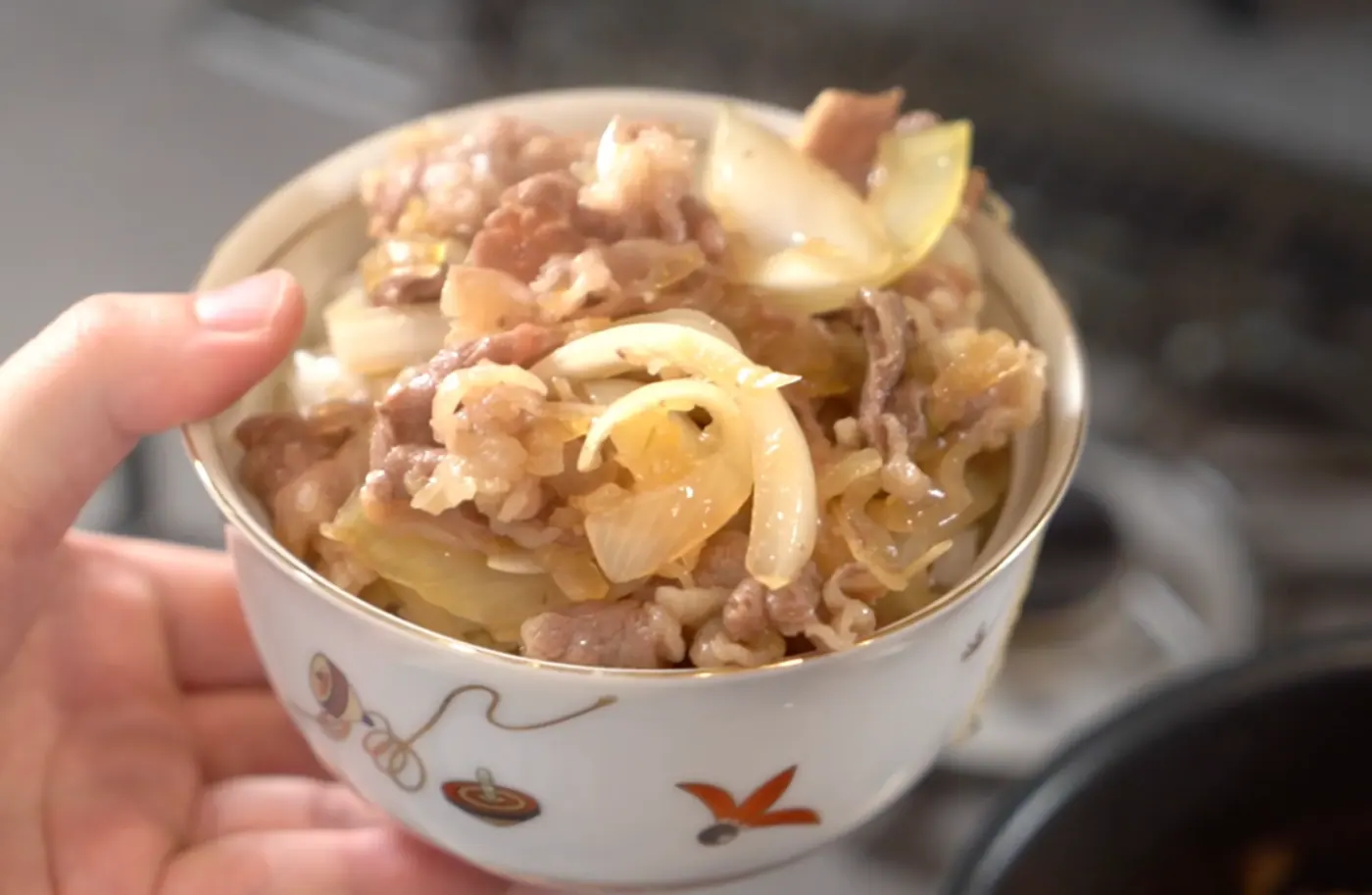
Rice Bowl牛丼
Gyudon
Japanese Beef Rice Bowl
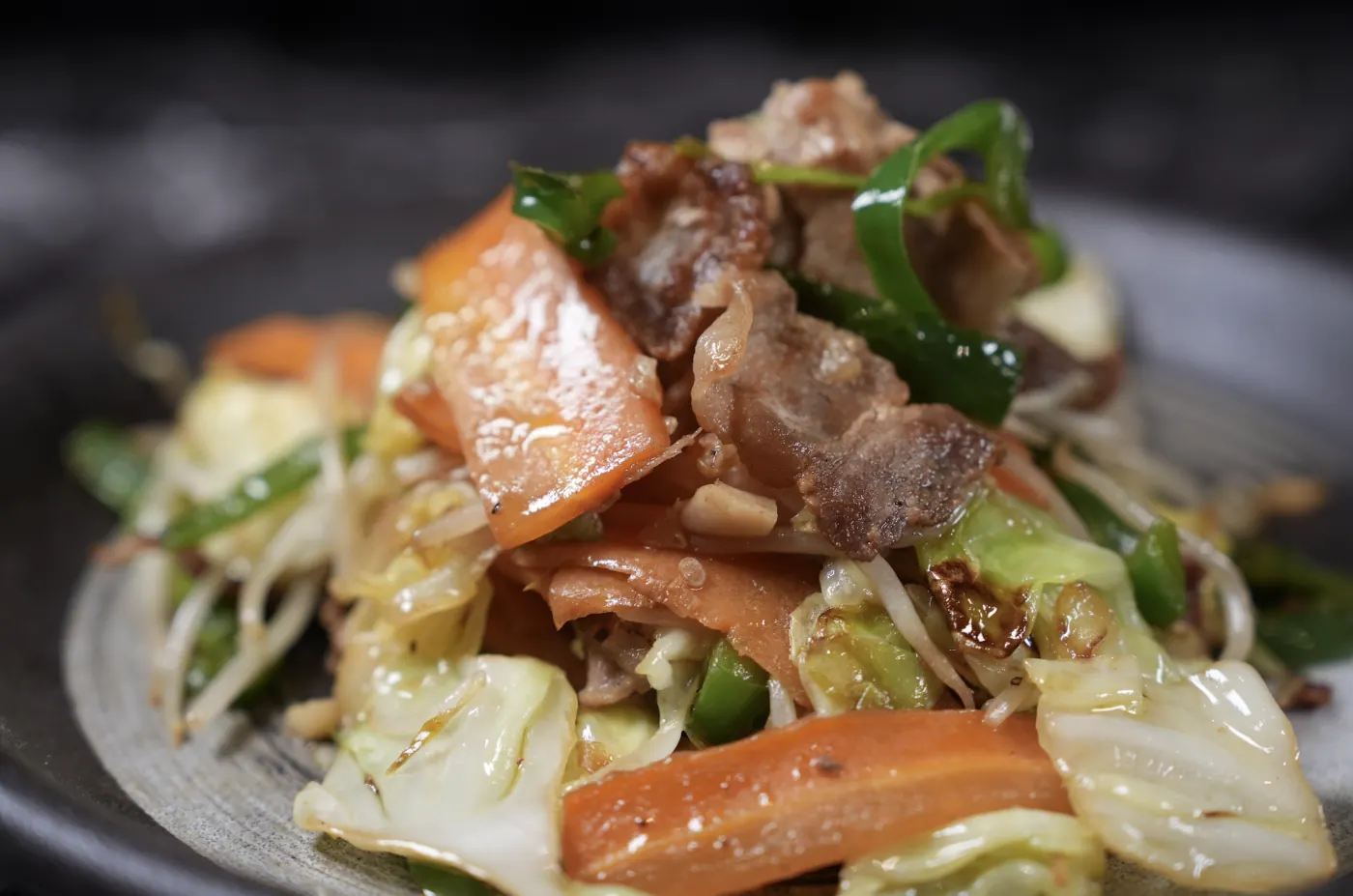
Main Dish肉野菜炒め
Yasai Itame
Japanese Stir-Fried Pork and Vegetables
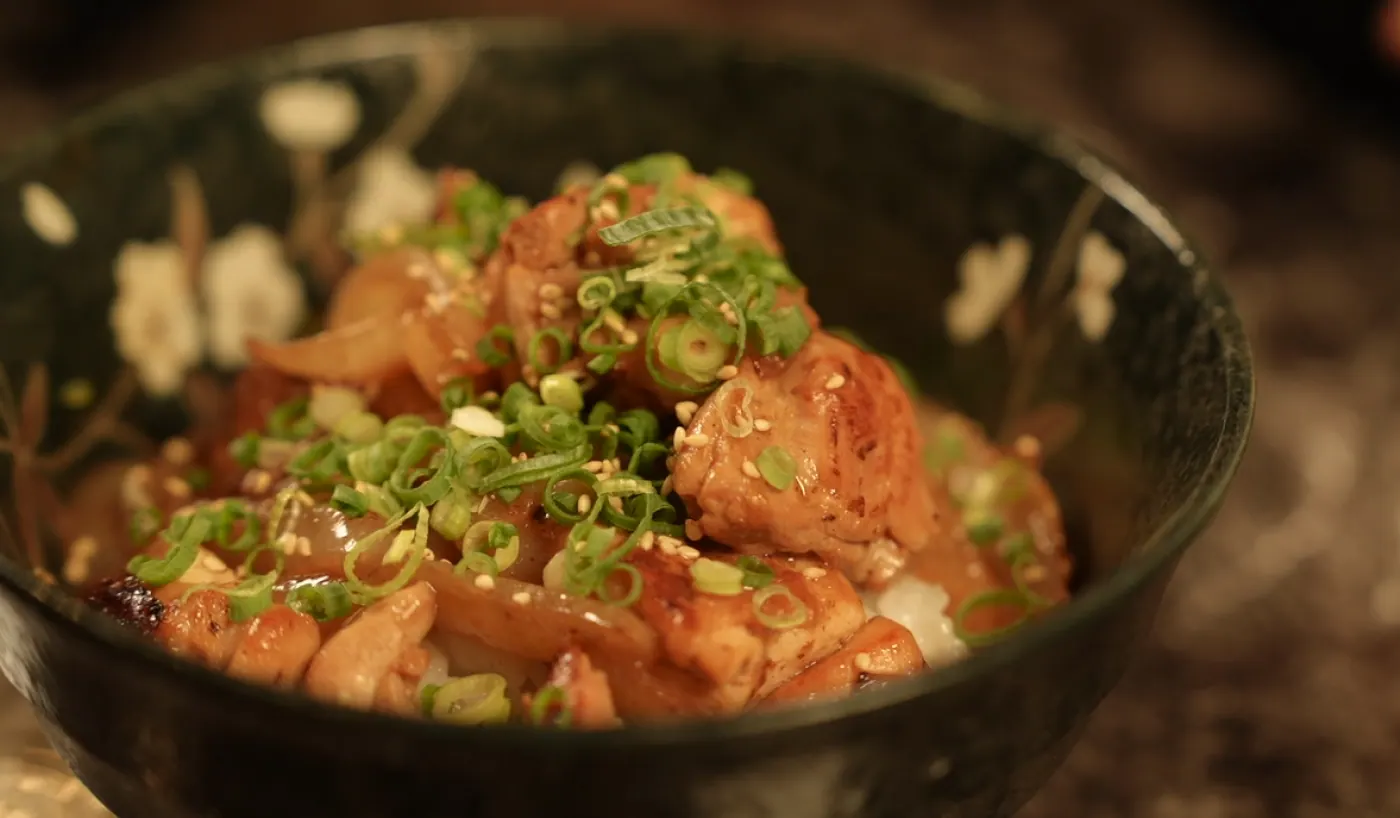
Rice Bowl鶏丼
Chicken Don
Japanese Chicken Donburi Rice Bowl
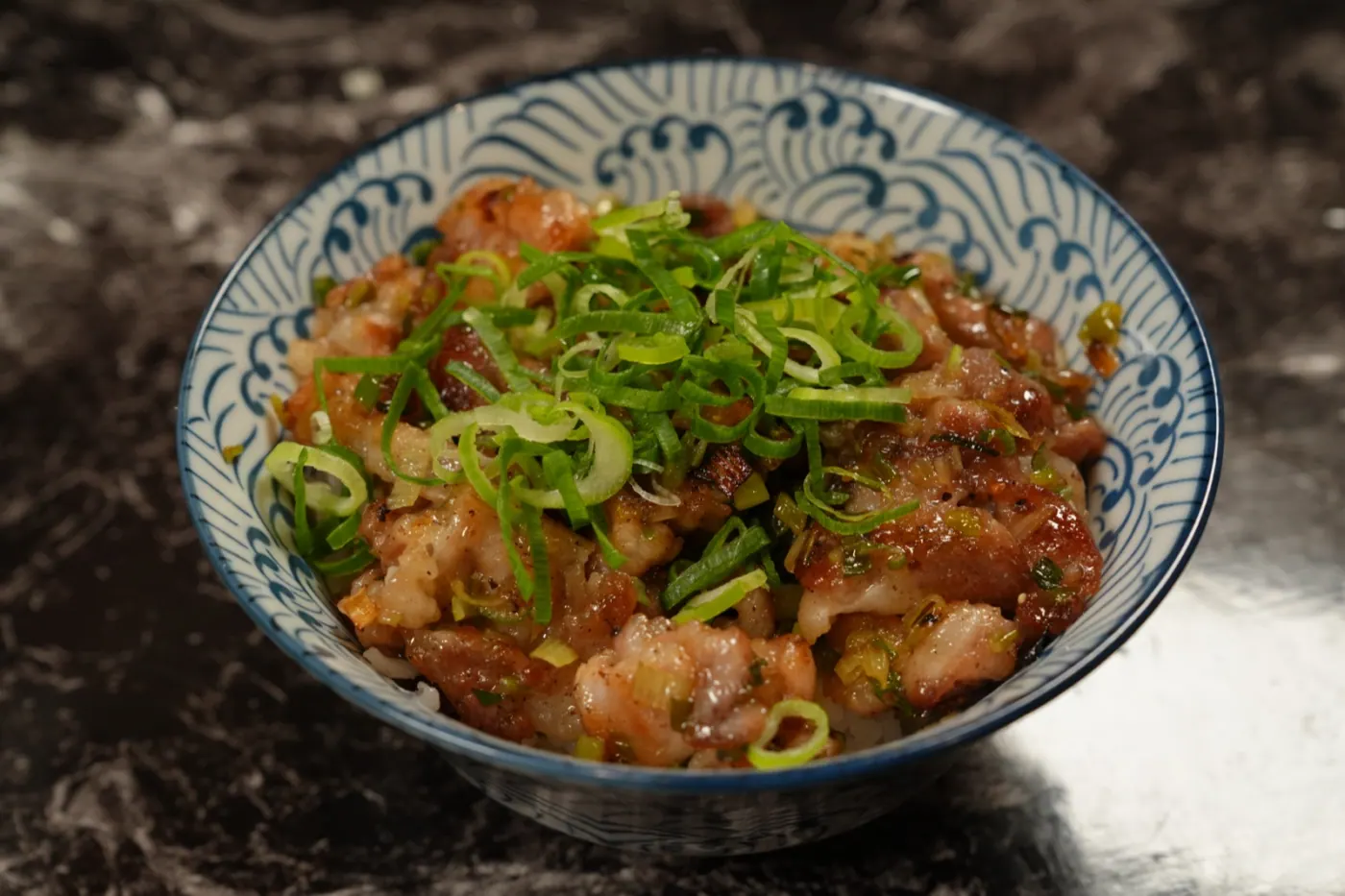
Rice Bowlネギ塩豚丼
Negi Butadon
Japanese Pork Bowl with Green Onion Salt Sauce
Frequently asked questions
Is sushi rice the same as Japanese rice?
Usually, yes. Bags labeled sushi rice outside Japan contain plain short- or medium-grain japonica rice. It only becomes sushi rice once you season it with vinegar.
Do I have to wash Japanese rice?
Yes, unless the bag says wash-free (musenmai). Washing removes surface starch and bran, so the cooked rice is less gummy and tastes cleaner.
Can I use Calrose rice for Japanese dishes?
Yes. Calrose is a medium-grain japonica rice. It is a little softer than Japanese short-grain rice but works well in rice bowls and sushi.
Can I cook Japanese rice without a rice cooker?
Yes. A heavy pot with a tight lid works well; our rice video shows each step.
Is Japanese rice gluten-free?
Yes. Rice, including sticky mochigome, contains no gluten. The word glutinous only describes the sticky texture.