- Prep
- 10 min
- Cook
- 10 min
- Total
- 20 min
- Servings
- 2
- Difficulty
- Beginner
What is Yasai Itame?
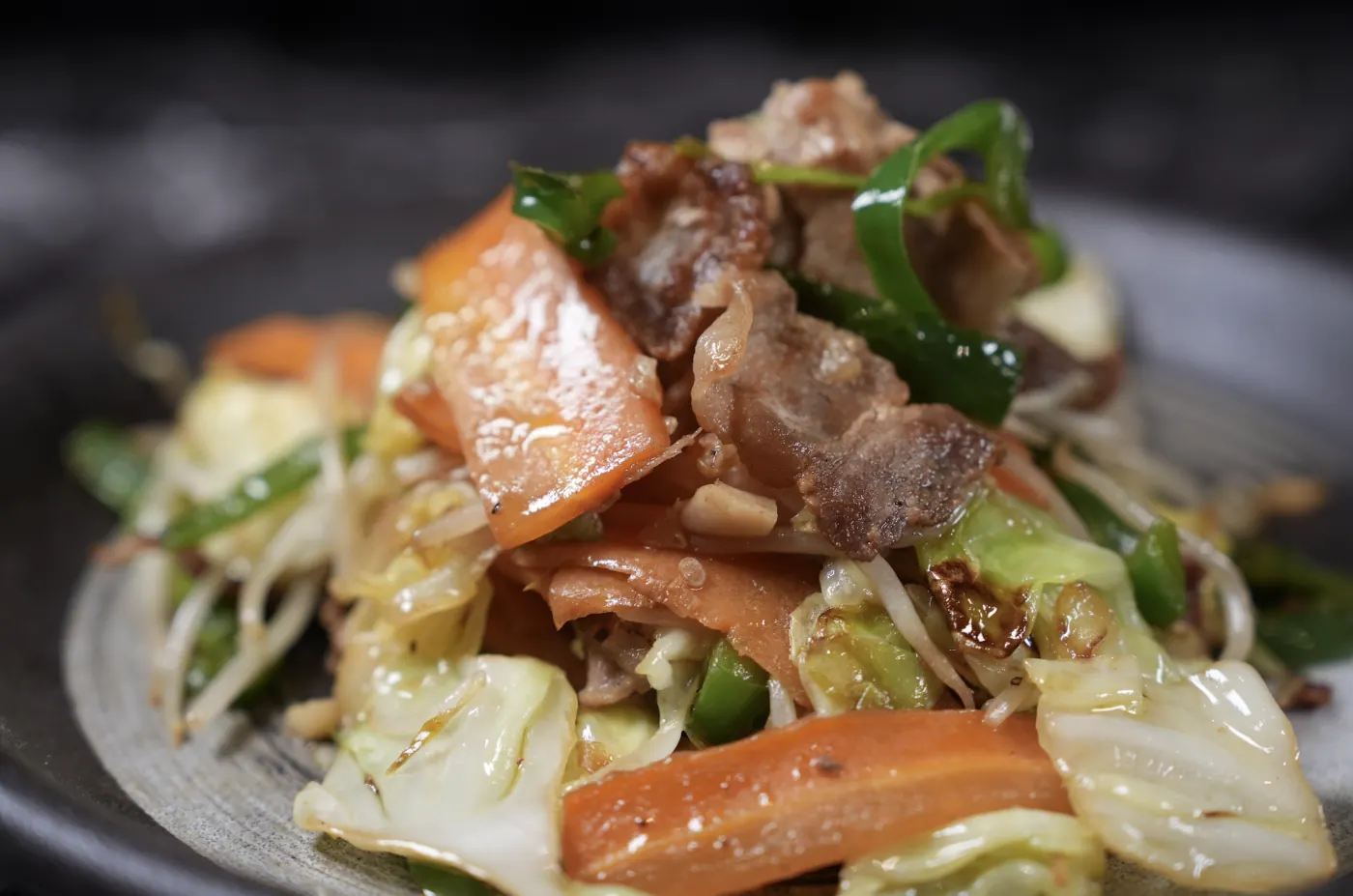
A staple of Japanese home cooking, yasai itame (stir-fried pork and vegetables). Simple yet profound, this dish's deliciousness depends on properly cooking each vegetable and the order in which they're added.
The key point of this recipe is the technique of browning the pork first to infuse its umami into the oil, then stir-frying the vegetables in that flavorful oil. The pork fat's umami spreads throughout all the vegetables, creating deep flavor despite simple seasoning. Additionally, stir-frying vegetables in order from those that take longest to cook ensures each vegetable achieves optimal texture.
Why You'll Love This Recipe
- Ready in 20 minutes - Perfect quick meal for busy weeknights
- Packed with vegetables - Get balanced nutrition with 5 types of vegetables
- Simple yet authentic - Surprisingly delicious with basic cooking methods
- Versatile serving options - Great on its own or served over rice
- Use leftover vegetables - Can be made with whatever vegetables you have
Recipe Highlights
- Scientific cooking method: Brown pork first to create flavorful oil
- Why vegetables are stir-fried in order of cooking time
- Slice carrots thin to bring out their sweetness
- Cut cabbage large to retain texture
- Proper timing for garlic and ginger to avoid burning
Equipment Needed
- Large frying pan or wok
- Knife and cutting board
- Cooking chopsticks or wooden spatula
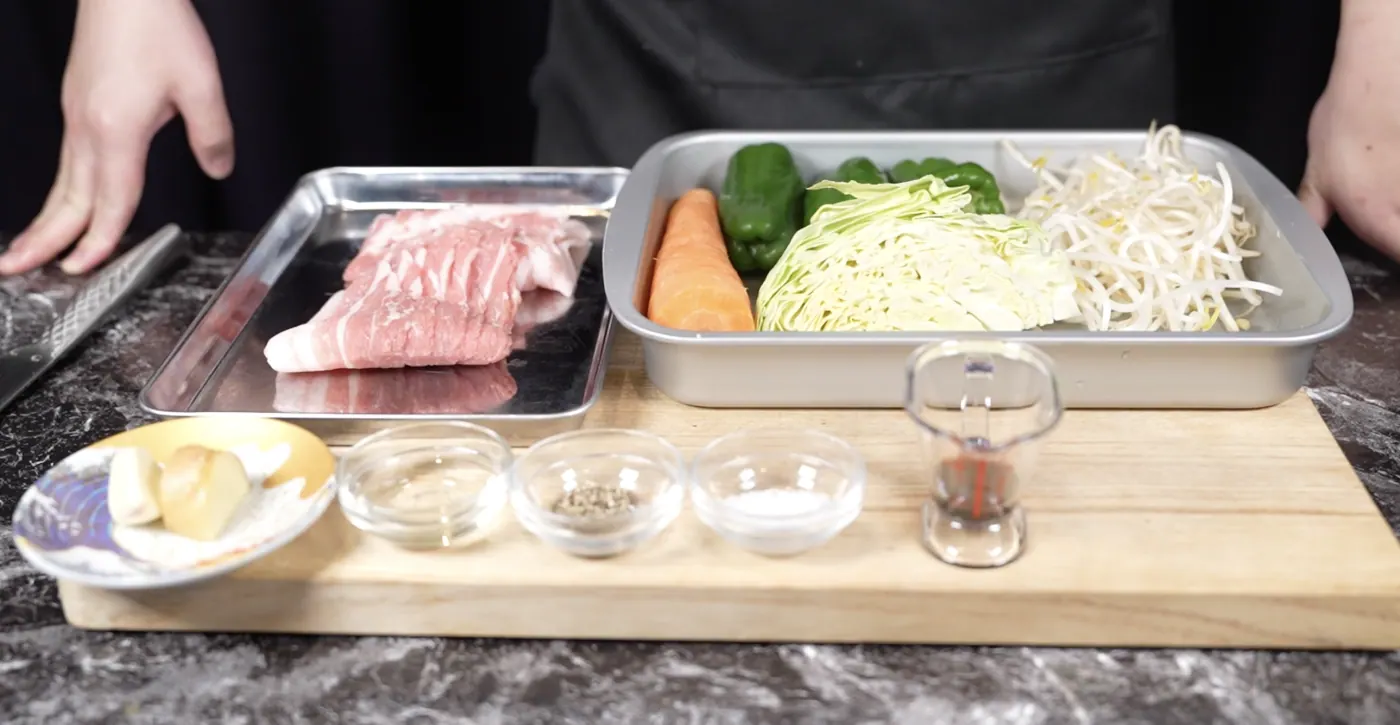
Yasai Itame Ingredients (2 servings)
13 ingredients · 2 servings
Pork belly slices, carrot, green bell peppers, cabbage, bean sprouts, garlic, ginger, vegetable oil, salt, black pepper, soy sauce, steamed rice, ponzu sauce.
From scratch: how to cook Japanese rice
Full amounts in the recipe cardIngredient Substitutions
- Pork belly: Thinly sliced pork loin works, but fattier pork belly produces more umami and better flavor
- Green bell peppers: Red or yellow bell peppers work well too. Great option for those who dislike the bitterness of green peppers
- Bean sprouts: Can substitute other vegetables (komatsuna, bok choy, etc.)
- Garlic & ginger: Tube versions work as substitutes, but fresh produces significantly better aroma
Video Tutorial
For detailed instructions, watch the video below. It clearly demonstrates the order of adding vegetables, heat control tips, how to cook the pork, and the entire cooking process.

How to Make Yasai Itame
Preparation: Cut Vegetables and Pork
Thinly slice the carrot
Prepare 100g carrot and slice as thinly as possible.
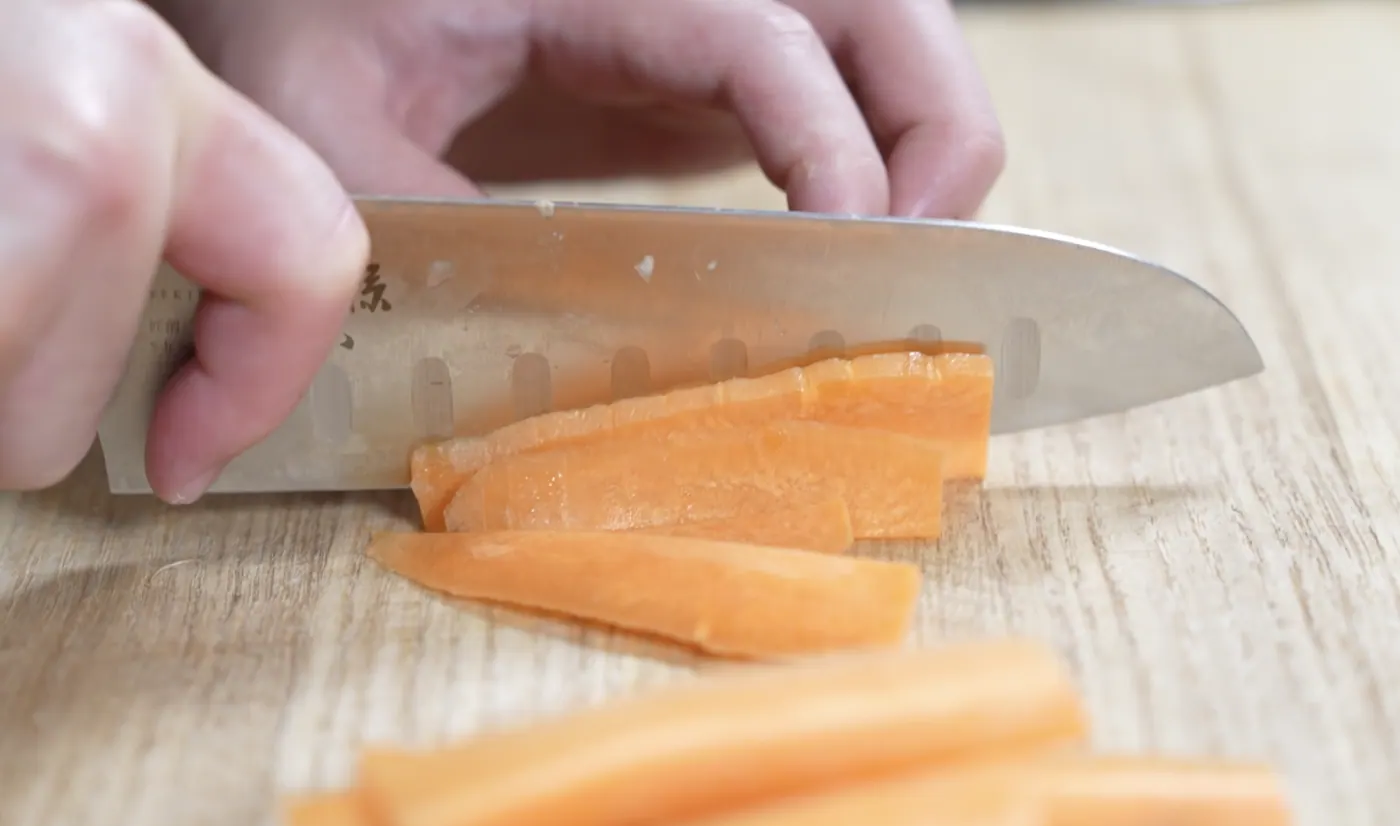
Why Slice Carrots Thin?
Carrots take longer to cook compared to other vegetables. Slicing thin ensures:
- They cook thoroughly in a short time
- Cooking brings out the carrot's natural sweetness
- The overall dish becomes more delicious
Thoroughly cooking carrots to bring out their sweetness is the secret to this dish's deliciousness.
Cut the cabbage
Prepare 120g cabbage and cut into large rough-cut pieces to retain texture.
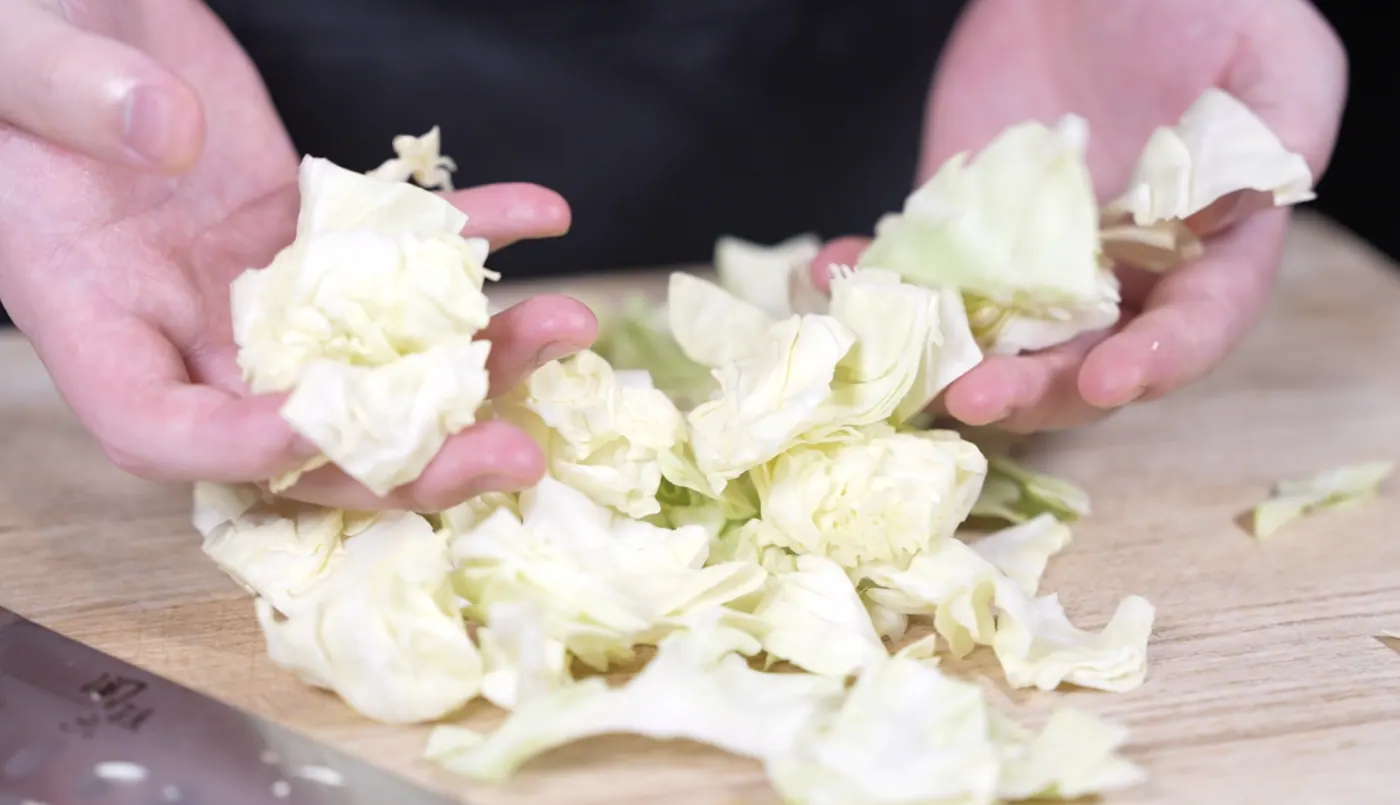
Cut the cabbage into bite-sized chunks to make stir-frying easier later. Make sure there are no overly large pieces.
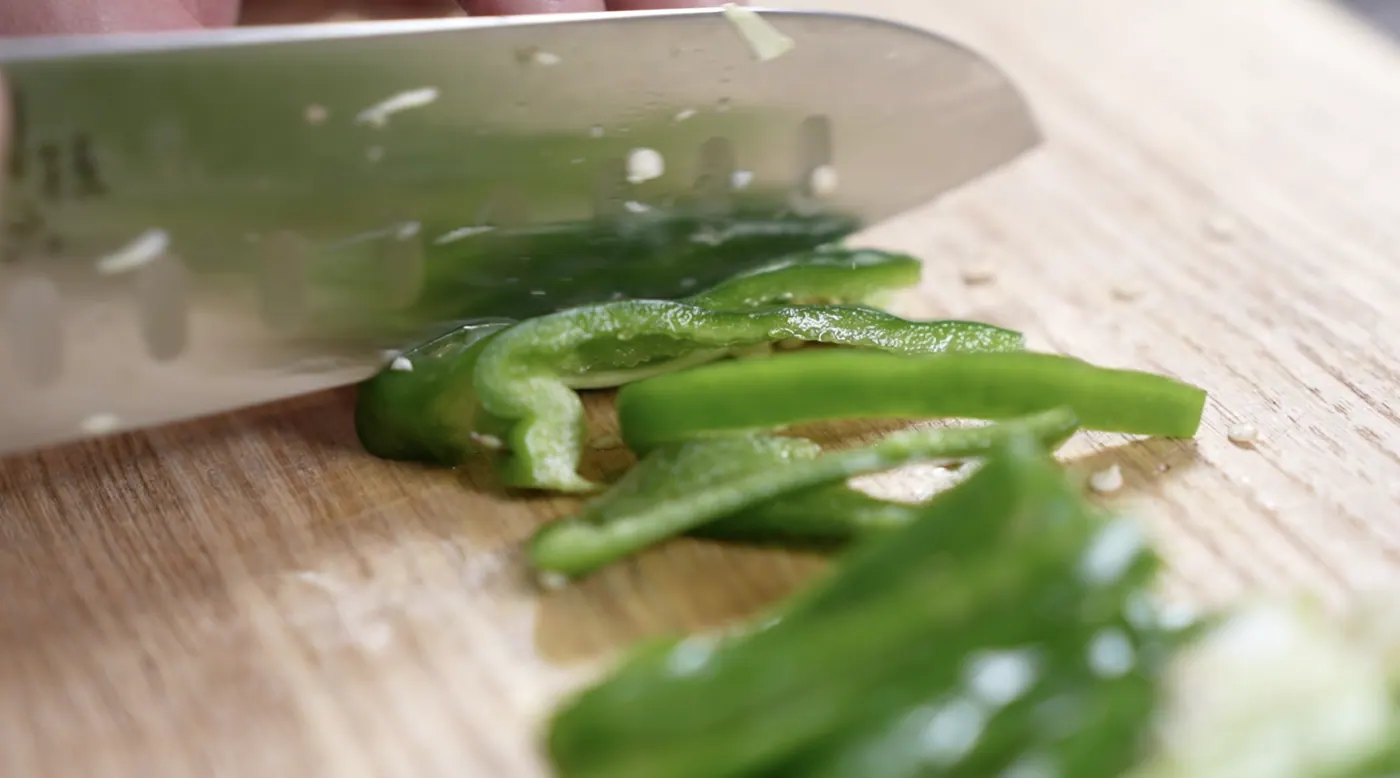
Cut the bell peppers
Remove stems from 3 bell peppers, cut in half, and remove seeds if desired. Cut into strips slightly thicker than the carrots to retain the peppers' texture.
Mince the garlic
Finely mince 5g of garlic.
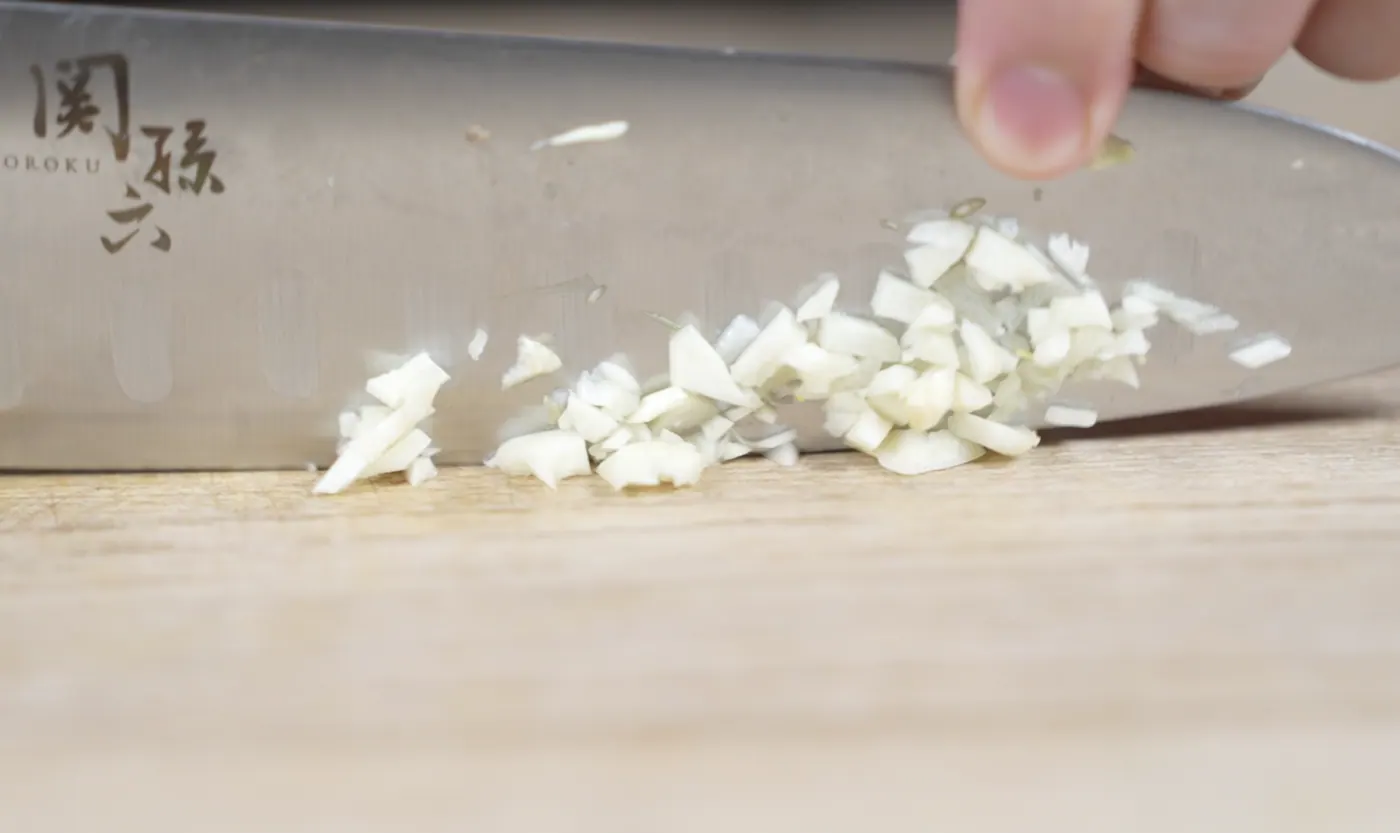
Tips for Bringing Out Garlic Aroma
First, crush the garlic with the flat side of your knife, then mince. This:
- Breaks down the garlic cells, releasing aromatic compounds more easily
- Allows the aroma to spread throughout the dish
Julienne the ginger
Julienne 5g of ginger. Since aromatic compounds are concentrated in the skin, you don't need to peel it. Peel if you prefer.
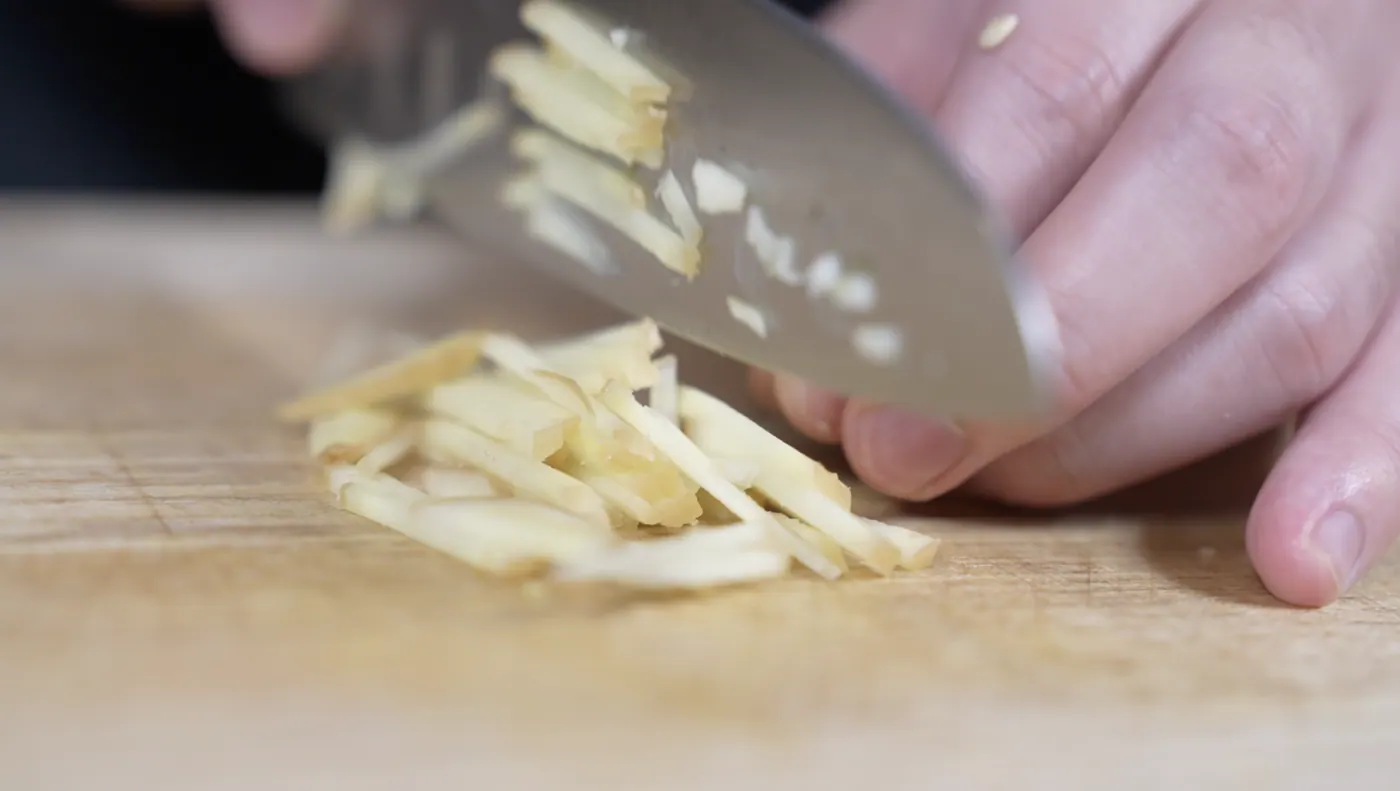
Tips for Julienning Ginger
First, slice the ginger thinly along the grain. Then line up the slices and cut crosswise to easily create julienne. Good technique to remember!
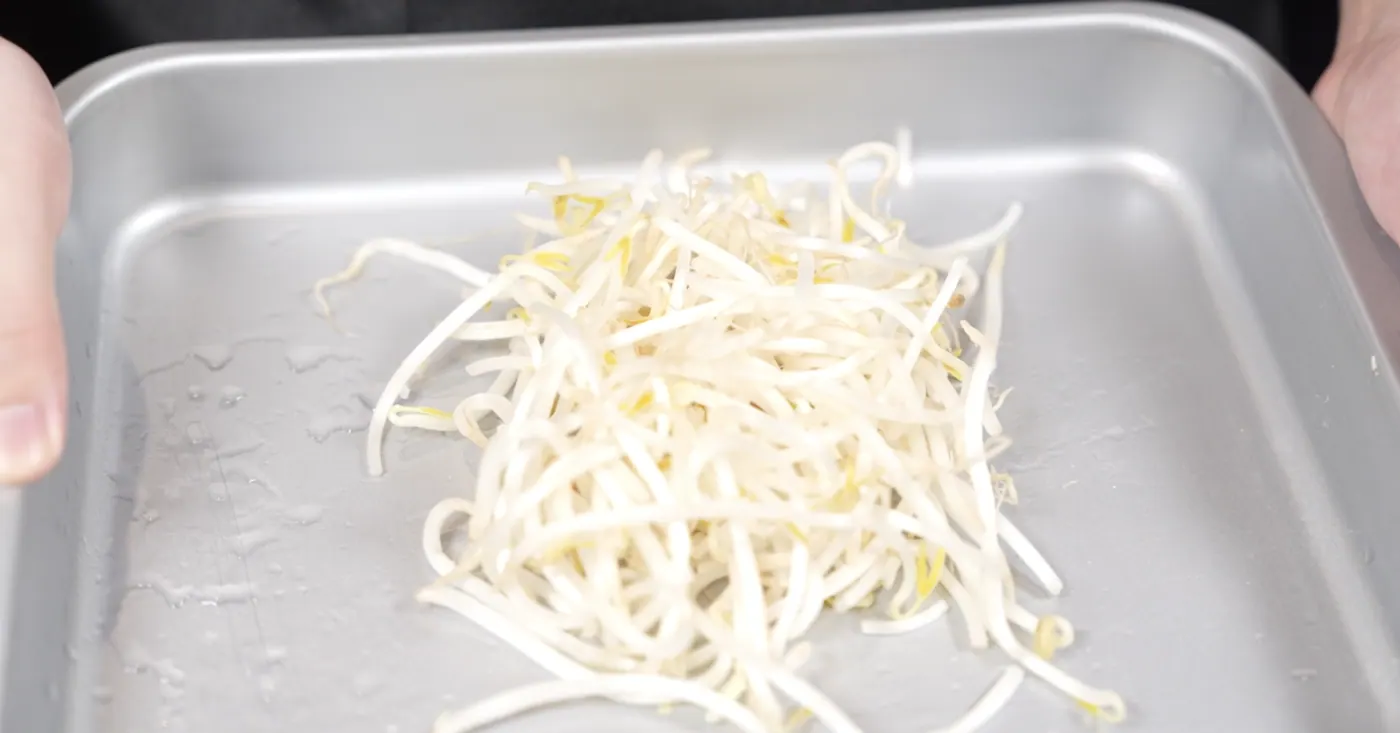
Prepare the bean sprouts
Prepare 100g bean sprouts. Since they can be used as is without cutting, just rinse and drain.
Cut the pork
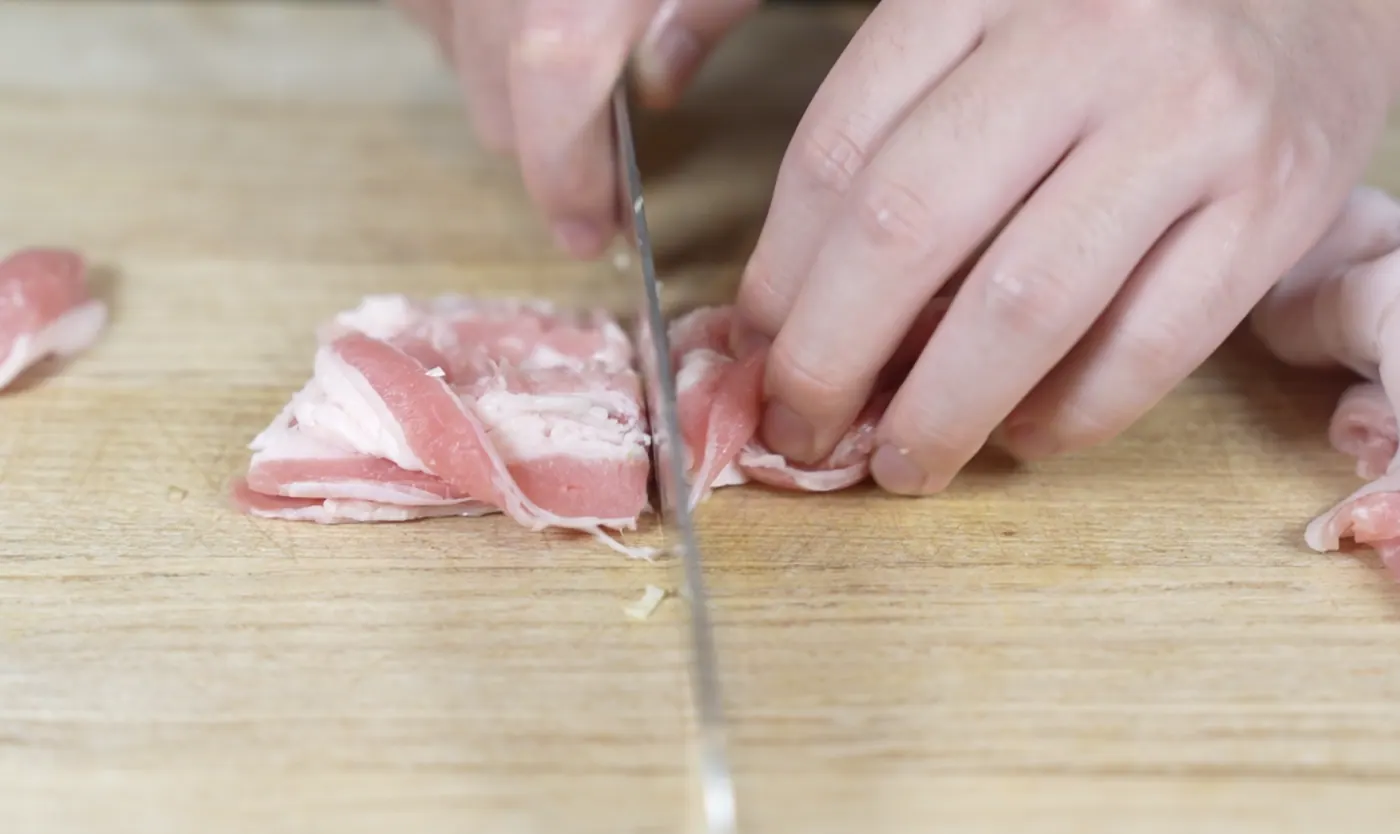
Prepare 150g pork belly and cut into bite-sized pieces about 5cm wide.
Choosing Pork
The pork fat is the source of umami. Choose fatty pork belly. This fat coats the vegetables and makes them incredibly delicious.
Preparation is now complete.
Cooking Instructions
Cook the pork
Since there are many ingredients, prepare a large frying pan or wok.
Add 1 tablespoon vegetable oil and heat over medium-high heat, then start by cooking the pork.
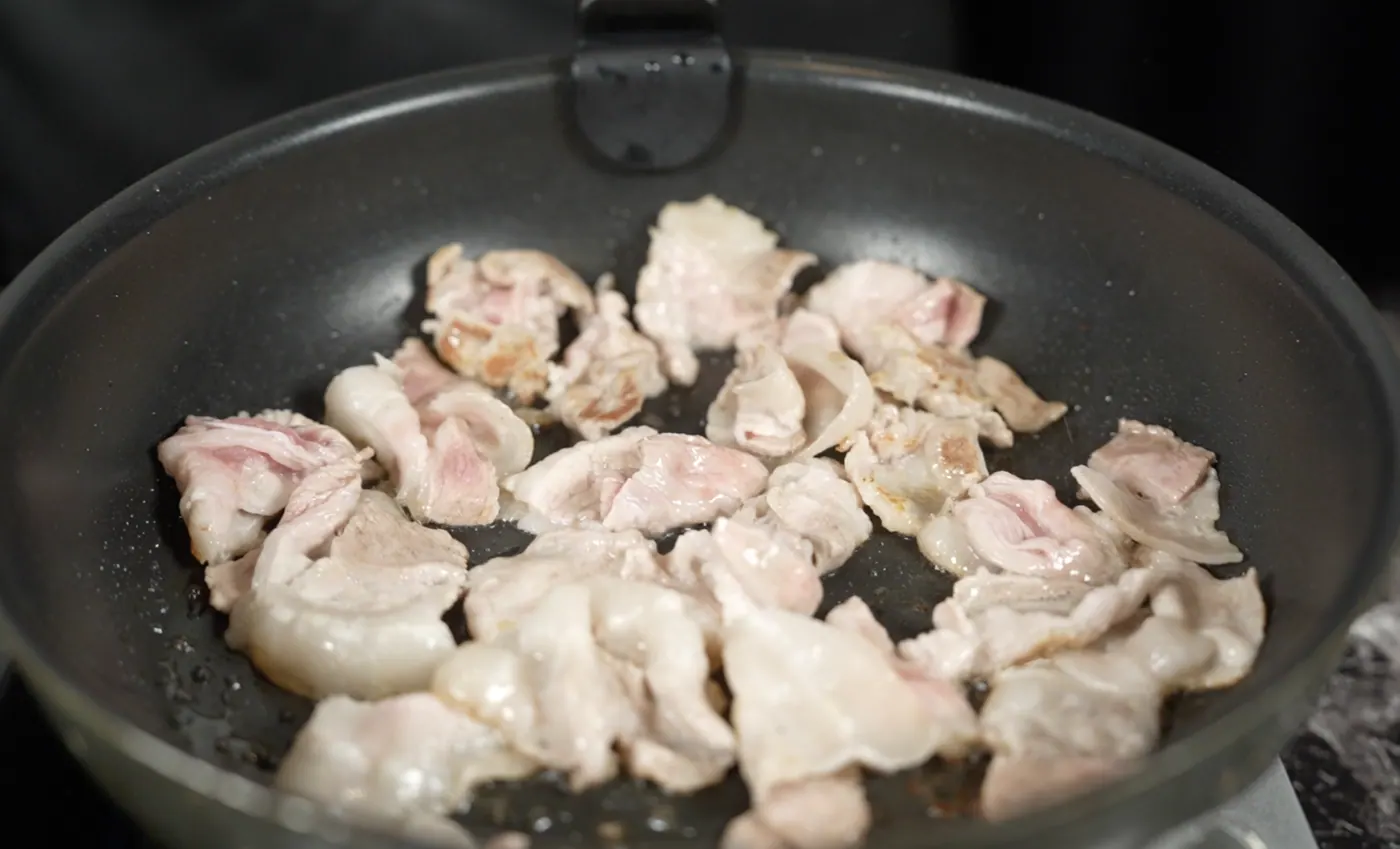
To get good browning on the pork, gently spread out any overlapping pieces one by one. Make sure all pork pieces are spread out.
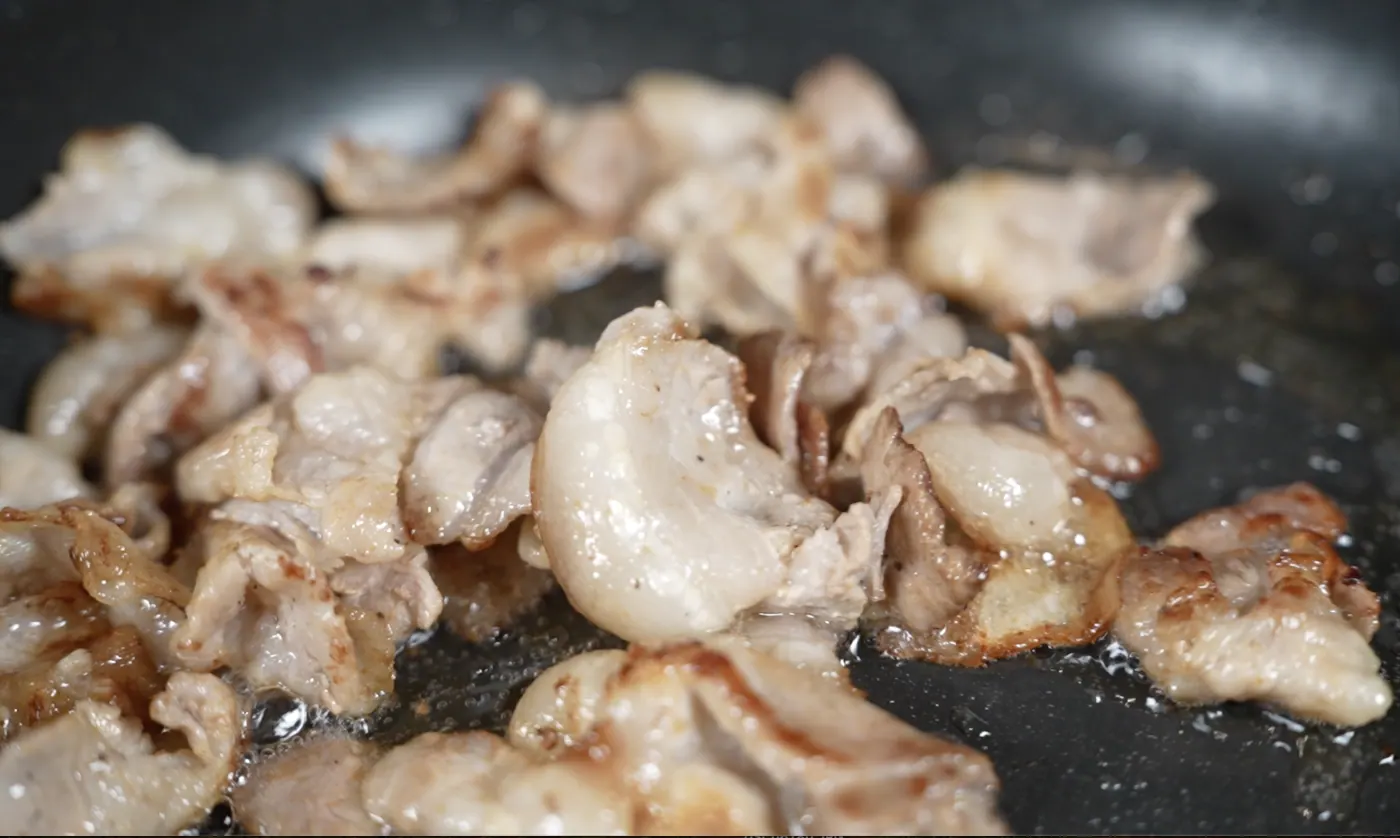
While cooking the pork, season with a pinch of salt and a pinch of pepper. Cook for about 3-4 minutes until the pork develops good browning, then it's perfect. Turn off the heat and remove the pork from the pan.
Why Cook Pork First?
If delicious umami-rich oil from the pork remains, you're all set. Stir-frying the vegetables in this oil is the key to making this dish delicious.
Umami components from the pork fat dissolve into the oil and coat all the vegetables, creating deep flavor even with simple seasoning.
Start with carrots
Begin stir-frying with the carrots, which take longest to cook.
Cooking Point
Stir-fry vegetables in order from those that take longest to cook. It's important to cook each vegetable to optimal doneness.
From here, increase heat to medium-high.
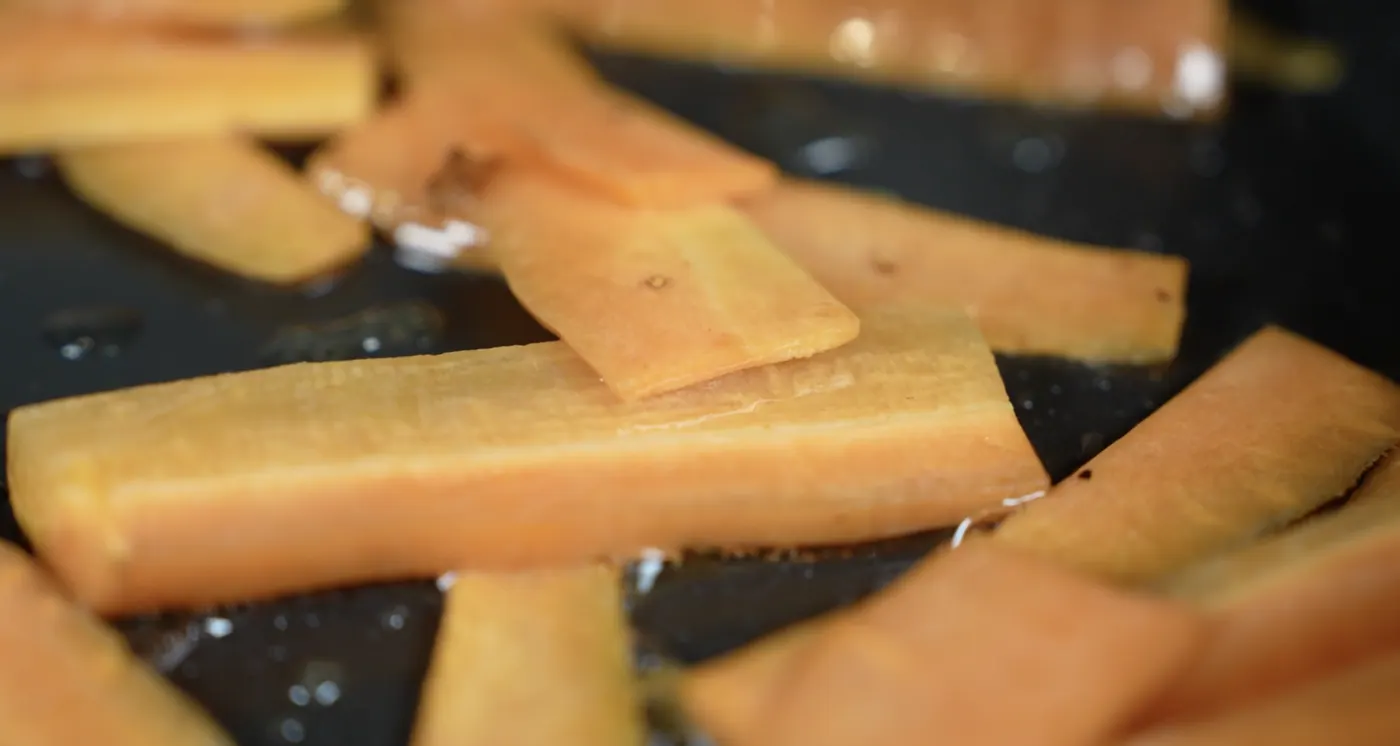
Carrots become sweet when heated, so stir-fry well while coating thoroughly with oil.
Add bell peppers
After stir-frying carrots for about 30 seconds, add the bell peppers.
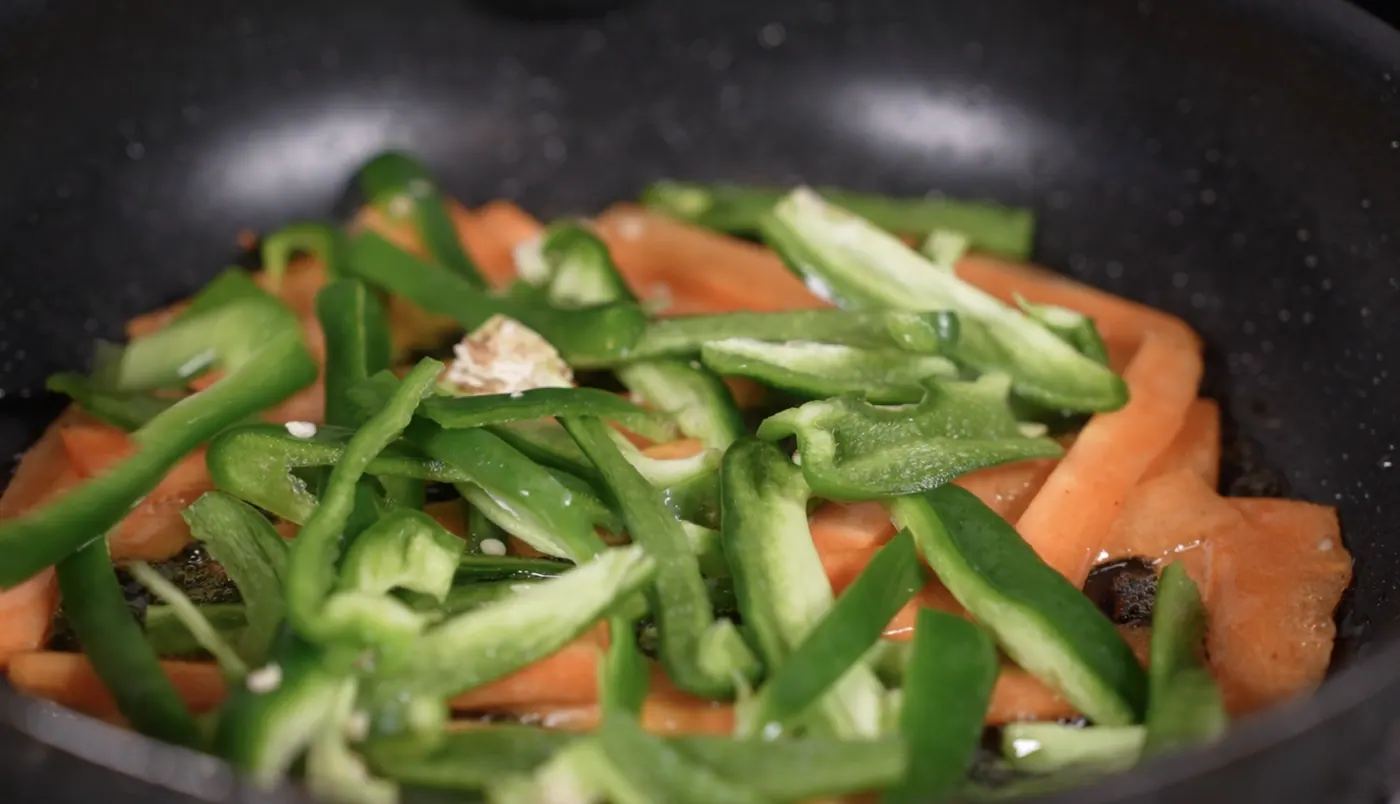
Why Add Bell Peppers Early
Bell peppers cook faster than cabbage, but because they're slightly bitter, we add them a bit early to mellow the bitterness through cooking.
If you don't mind the bitterness of bell peppers, you can add them after the cabbage.
Stir-fry for about 1 more minute until the oil and ingredients are well combined.
Add cabbage, garlic, and ginger
Next, add the cabbage. At this timing, also add the garlic and ginger together.
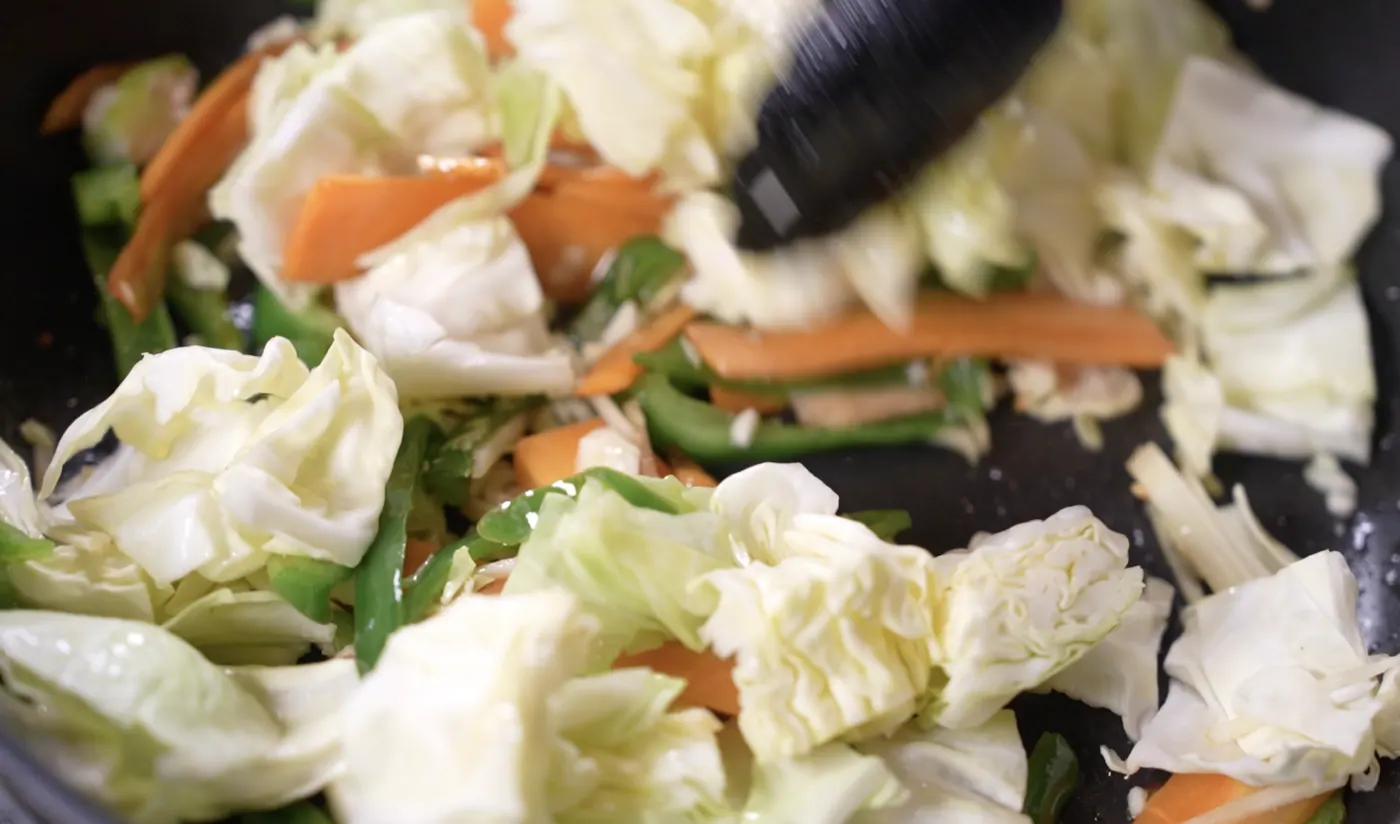
Best Timing for Adding Garlic and Ginger
Adding at this timing allows you to bring out good aroma without burning.
Garlic becomes bitter when burned, so stir-frying with the vegetables' moisture brings out just the aroma while preventing burning.
While stir-frying the cabbage, mix well so the pork's delicious fat and seasonings coat everything. Stir-fry for about 1 minute until the cabbage is thoroughly cooked.
Add bean sprouts
Once there are no undercooked parts in the cabbage, add the bean sprouts and stir-fry together.
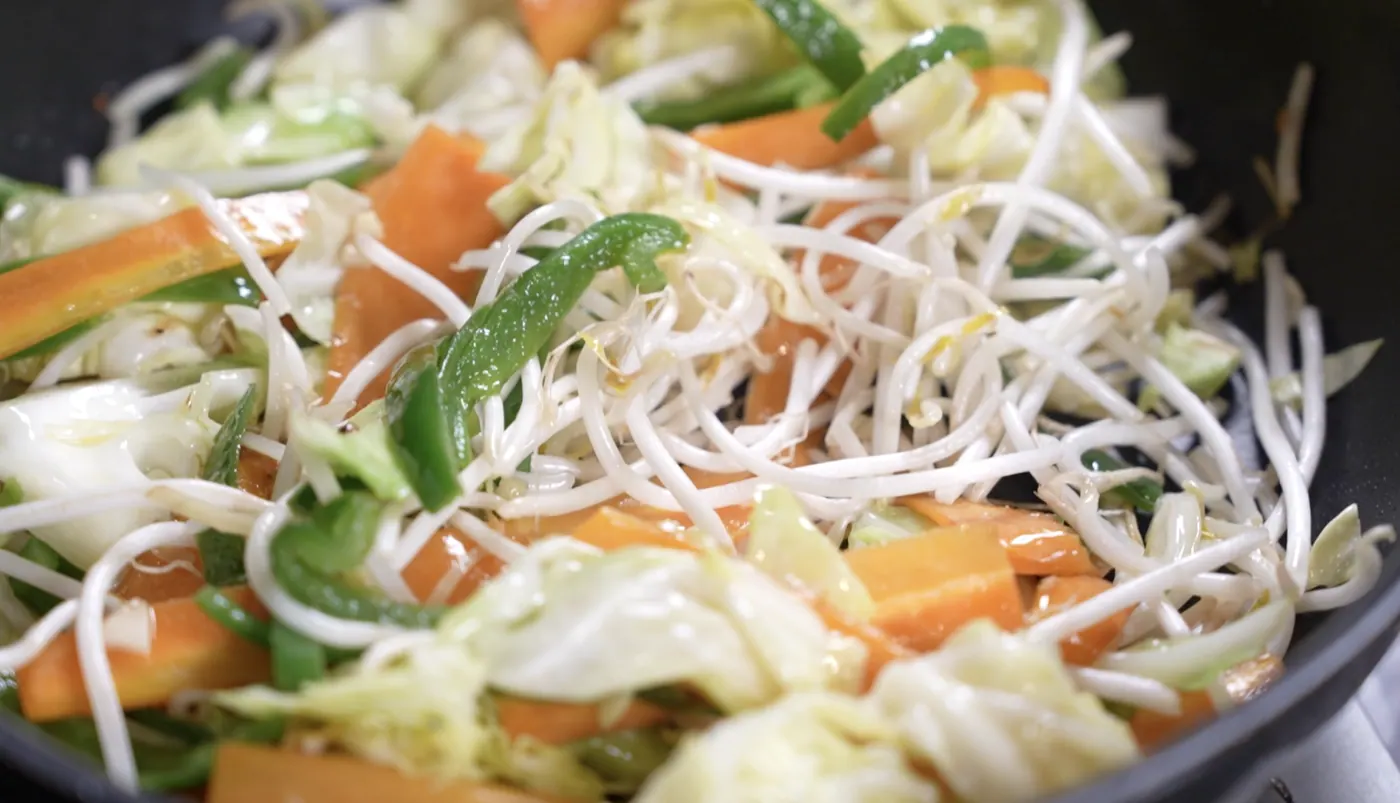
Bean sprouts cook very quickly, so 20-30 seconds of stir-frying is sufficient.
Return pork and season
Once the bean sprouts are cooked, return the pork to the pan.
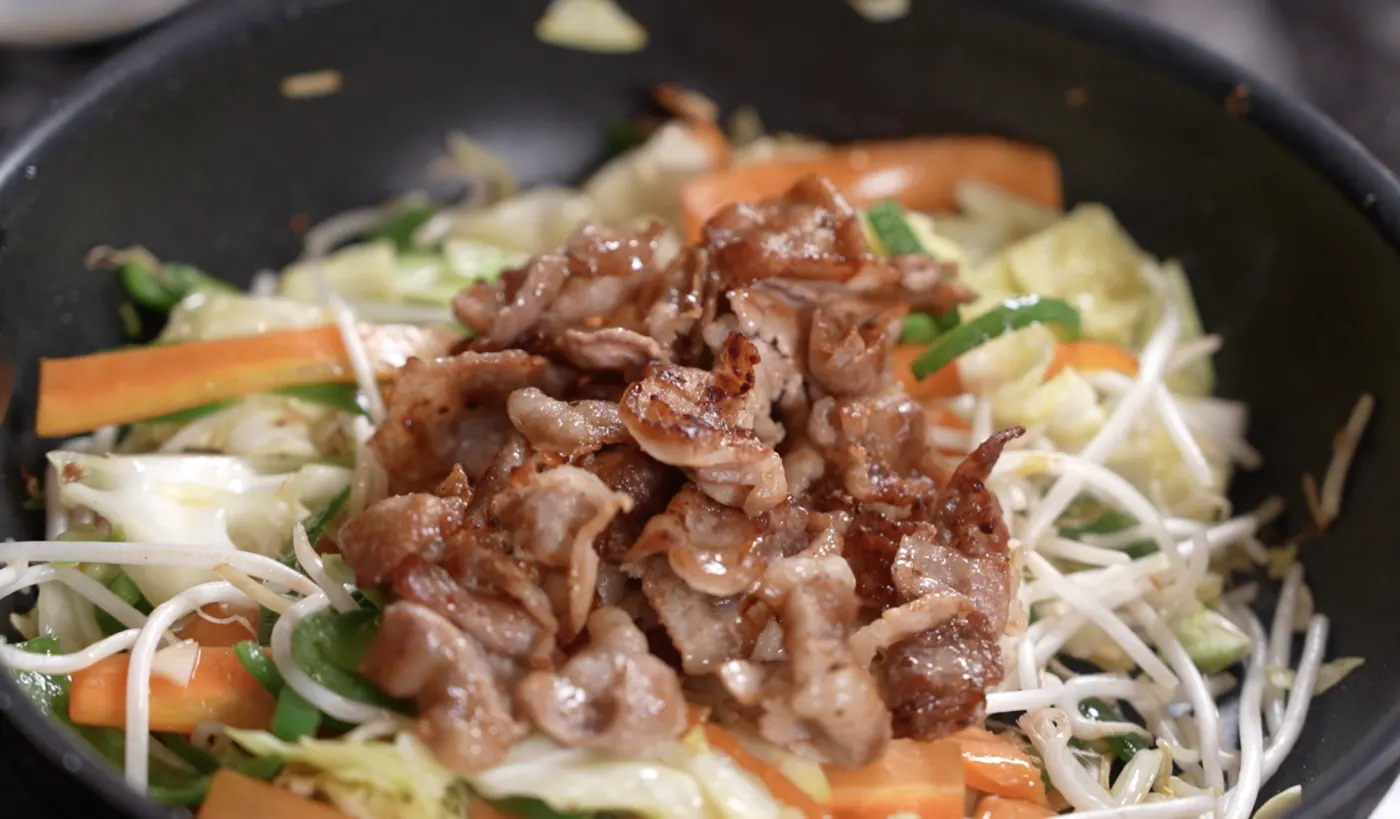
Since the pork is already cooked, just quickly mix everything together.
Finally, season to taste:
- Salt: 2 pinches
- Pepper: 2 pinches
- Soy sauce: 1 teaspoon (for aroma)
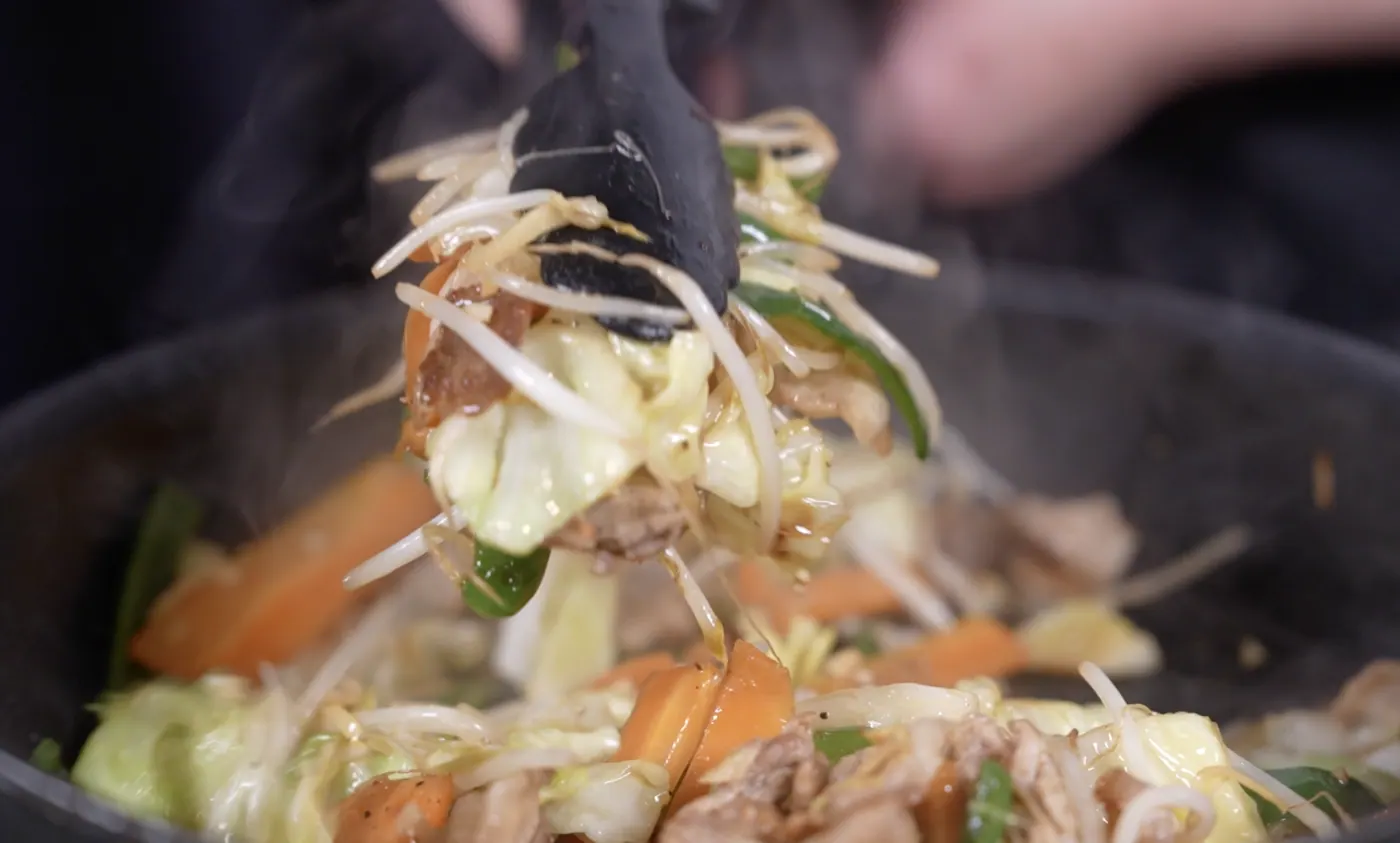
Quickly mix to distribute the seasonings throughout, and cooking is complete.
Plating
Plate the dish
Plating Tip
When plating, lift from the top to create height for a beautiful presentation.
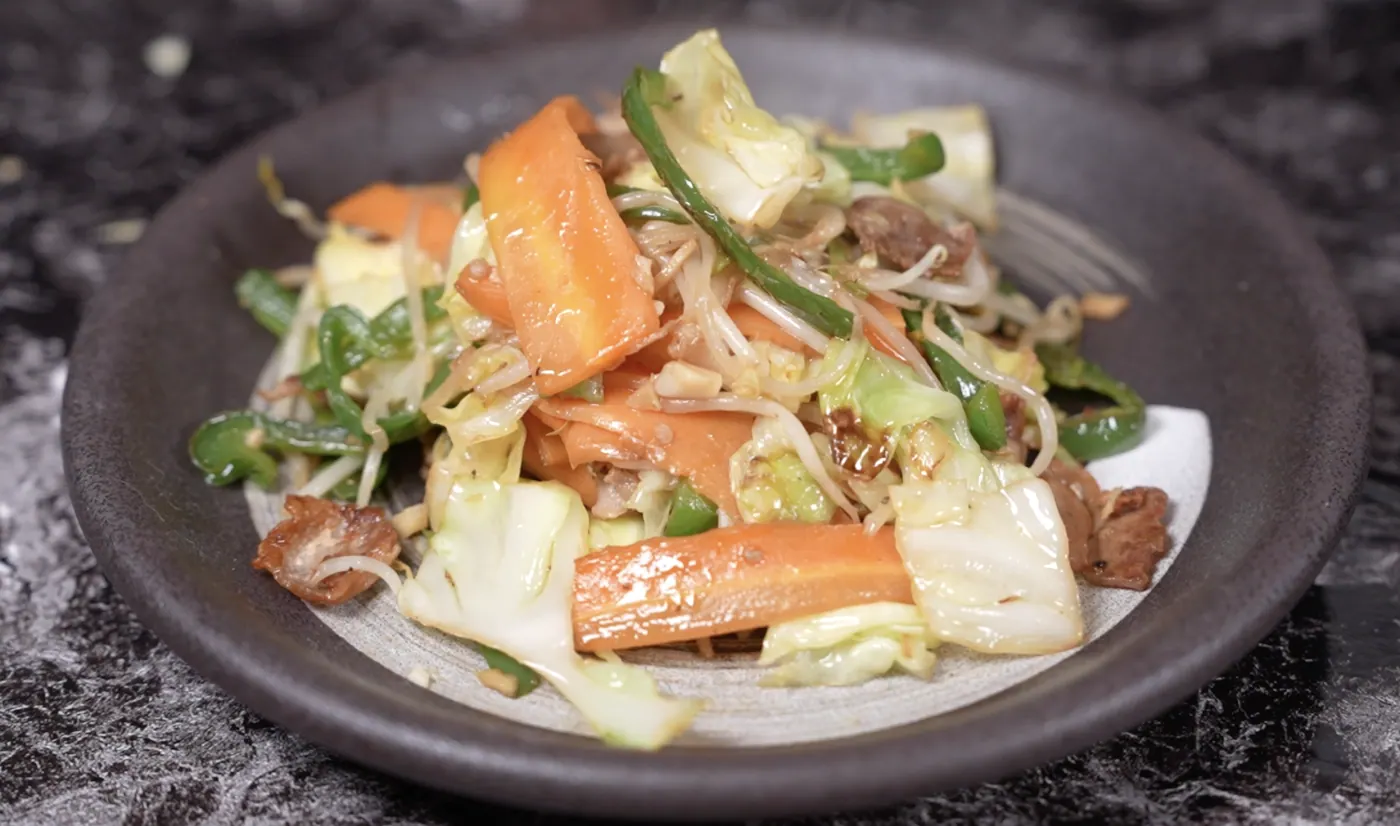
And it's done.
Recommended Variation
Yasai Itame Rice Bowl with Ponzu
Let me introduce my favorite variation.
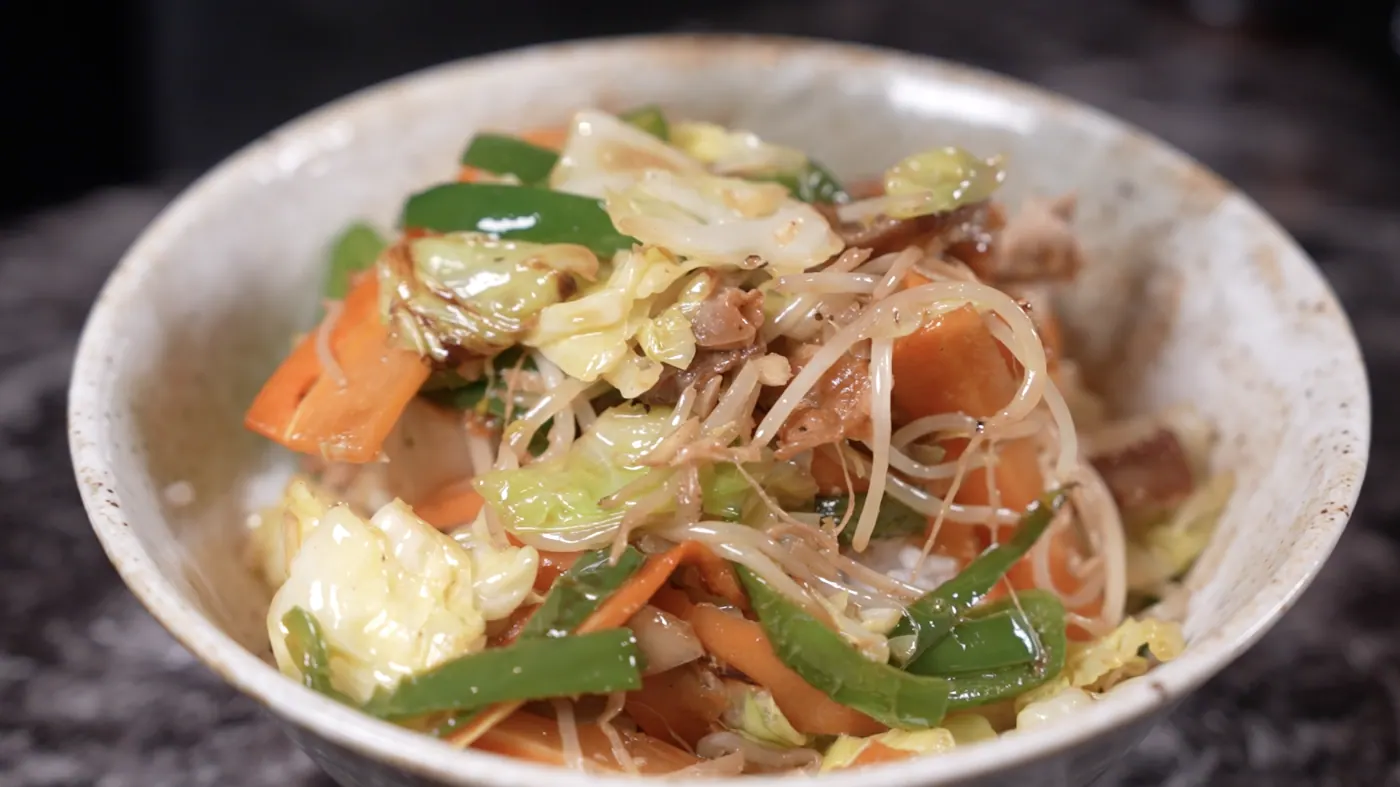
Fill a bowl with rice, top with the stir-fried vegetables and pork, and drizzle with ponzu sauce. The refreshing flavor of ponzu adds a nice accent, creating a different delicious taste.
Not only delicious but also healthy with plenty of vegetables, so please give it a try.
Cooking Tips and Key Points
Choose fatty pork
Select cuts with good marbling like pork belly. This fat is the source of the stir-fry's umami.
Brown pork well
When cooking pork, spread pieces out to avoid overlapping and brown well. This browning creates savory aroma and umami.
Stir-fry vegetables in order of cooking time
By stir-frying in the order: carrot → bell peppers → cabbage → bean sprouts, all vegetables achieve optimal texture.
Slice carrots thin
Since carrots take longer to cook, slice thinner than other vegetables. Thorough cooking brings out their sweetness.
Cut cabbage large
Cutting cabbage into larger rough-cut pieces retains a nice crisp texture.
Bean sprouts last, briefly
Bean sprouts cook quickly and become watery if overcooked. Add last and 20-30 seconds is sufficient.
Troubleshooting
Frequently Asked Questions
What should I do if water came out of the vegetables and it became soggy?
The heat may have been too low or cooking time too long. Maintain medium-high heat and work quickly. Also, adding too many vegetables at once lowers the temperature, so if making a large quantity, stir-fry in two batches.
What should I do if the carrots stayed hard?
The carrot slices may have been too thick. Next time, slice as thinly as possible and stir-fry for adequate time (30 seconds to 1 minute) before adding the next vegetables.
What should I do if the garlic burned and became bitter?
The garlic may have been added too early. Adding it together with the cabbage prevents burning through the vegetables' moisture.
What should I do if the flavor seems weak?
The pork may have had too little fat, or not enough salt and pepper. Use fatty pork belly and adjust seasonings while tasting. The finishing soy sauce is also important for aroma.
What should I do if the pork became tough?
The pork may have been overcooked. Remove as soon as it's browned. Also, using fattier cuts like pork belly results in more tender meat.
Summary
The ultimate stir-fried pork and vegetables where pork umami spreads throughout all the vegetables, and each vegetable is cooked to optimal doneness.
Despite being simple, the fundamental techniques of browning pork first to create flavorful oil and stir-frying vegetables in order of cooking time create professional-level deliciousness.
Delicious on its own, or serve over rice with ponzu for a refreshing twist and different way to enjoy. Packed with vegetables and healthy, ready in just 20 minutes - a true quick recipe. Please give it a try!
How to Store Yasai Itame
Leftover stir-fried vegetables can be stored in an airtight container in the refrigerator for about 2 days.
Reheating Methods:
- Frying pan: Reheat over medium heat with a small amount of oil for best results
- Microwave: Heat at 600W for 1-2 minutes, checking as you go
Note: Stir-fried vegetables are most delicious freshly made, so enjoy as soon as possible. Reheating tends to cause vegetables to release more moisture.
主菜Main Dish肉野菜炒め
Yasai Itame (Japanese Stir-Fried Pork and Vegetables)
A staple of Japanese home cooking, yasai itame (stir-fried pork and vegetables). Simple yet profound, this dish's deliciousness depends on properly cooking each vegetable and the order in which they're added.
No ratings yet
Rate this recipe
- Prep
- 10 min
- Cook
- 10 min
- Total
- 20 min
- Servings
- 2
- Difficulty
- Beginner
Ingredients
Main Ingredients
Seasonings
For Variation (Optional)
Ingredient amounts are multiplied; cooking times and pan size may need adjusting.
Instructions
Amounts mentioned in the steps are for the original recipe (1x) — use the scaled amounts above.
Preparation: Cut Vegetables and Pork
Thinly slice the carrot
Prepare 100g carrot and slice as thinly as possible.
Cut the cabbage
Prepare 120g cabbage and cut into large rough-cut pieces to retain texture.
Cut the cabbage into bite-sized chunks to make stir-frying easier later. Make sure there are no overly large pieces.
Cut the bell peppers
Remove stems from 3 bell peppers, cut in half, and remove seeds if desired. Cut into strips slightly thicker than the carrots to retain the peppers' texture.
Mince the garlic
Finely mince 5g of garlic.
Julienne the ginger
Julienne 5g of ginger. Since aromatic compounds are concentrated in the skin, you don't need to peel it. Peel if you prefer.
Prepare the bean sprouts
Prepare 100g bean sprouts. Since they can be used as is without cutting, just rinse and drain.
Cut the pork
Prepare 150g pork belly and cut into bite-sized pieces about 5cm wide.
Preparation is now complete.
Cooking Instructions
Cook the pork
Since there are many ingredients, prepare a large frying pan or wok.
Add 1 tablespoon vegetable oil and heat over medium-high heat, then start by cooking the pork.
To get good browning on the pork, gently spread out any overlapping pieces one by one. Make sure all pork pieces are spread out.
While cooking the pork, season with a pinch of salt and a pinch of pepper. Cook for about 3-4 minutes until the pork develops good browning, then it's perfect. Turn off the heat and remove the pork from the pan.
Start with carrots
Begin stir-frying with the carrots, which take longest to cook.
From here, increase heat to medium-high.
Carrots become sweet when heated, so stir-fry well while coating thoroughly with oil.
Add bell peppers
After stir-frying carrots for about 30 seconds, add the bell peppers.
Stir-fry for about 1 more minute until the oil and ingredients are well combined.
Add cabbage, garlic, and ginger
Next, add the cabbage. At this timing, also add the garlic and ginger together.
While stir-frying the cabbage, mix well so the pork's delicious fat and seasonings coat everything. Stir-fry for about 1 minute until the cabbage is thoroughly cooked.
Add bean sprouts
Once there are no undercooked parts in the cabbage, add the bean sprouts and stir-fry together.
Bean sprouts cook very quickly, so 20-30 seconds of stir-frying is sufficient.
Return pork and season
Once the bean sprouts are cooked, return the pork to the pan.
Since the pork is already cooked, just quickly mix everything together.
Finally, season to taste:
- Salt: 2 pinches
- Pepper: 2 pinches
- Soy sauce: 1 teaspoon (for aroma)
Quickly mix to distribute the seasonings throughout, and cooking is complete.
Plating
Plate the dish
And it's done.
Video
Watch the video · 6:08Open on YouTube
Jump to a part of the video (6 chapters)
Video: https://youtu.be/oNQg1bYTu24
Notes
Substitutions
- Pork belly: Thinly sliced pork loin works, but fattier pork belly produces more umami and better flavor
- Green bell peppers: Red or yellow bell peppers work well too. Great option for those who dislike the bitterness of green peppers
- Bean sprouts: Can substitute other vegetables (komatsuna, bok choy, etc.)
- Garlic & ginger: Tube versions work as substitutes, but fresh produces significantly better aroma
To store
- Leftover stir-fried vegetables can be stored in an airtight container in the refrigerator for about 2 days.
- Frying pan: Reheat over medium heat with a small amount of oil for best results
- Microwave: Heat at 600W for 1-2 minutes, checking as you go
- Note: Stir-fried vegetables are most delicious freshly made, so enjoy as soon as possible. Reheating tends to cause vegetables to release more moisture.
Nutrition estimated, per serving
- Calories
- 374 kcal
- Carbohydrates
- 11.2 g
- Protein
- 13.5 g
- Fat
- 32.9 g
- Saturated fat
- 11.7 g
- Fiber
- 3.7 g
- Sugar
- 6 g
- Sodium
- 230 mg
Estimated by us from the Standard Tables of Food Composition in Japan (MEXT, 2020). Optional ingredients and garnishes are not counted; soup and sauce are counted as fully eaten. Actual values depend on your brands and portion sizes. How we calculate this
Course: Main Dish · Cuisine: Japanese · Keyword: Yasai Itame
Recipe from Japanese Cooking Ichie — https://japanesecookingichie.com/recipes/yasai-itame/
Make it a meal
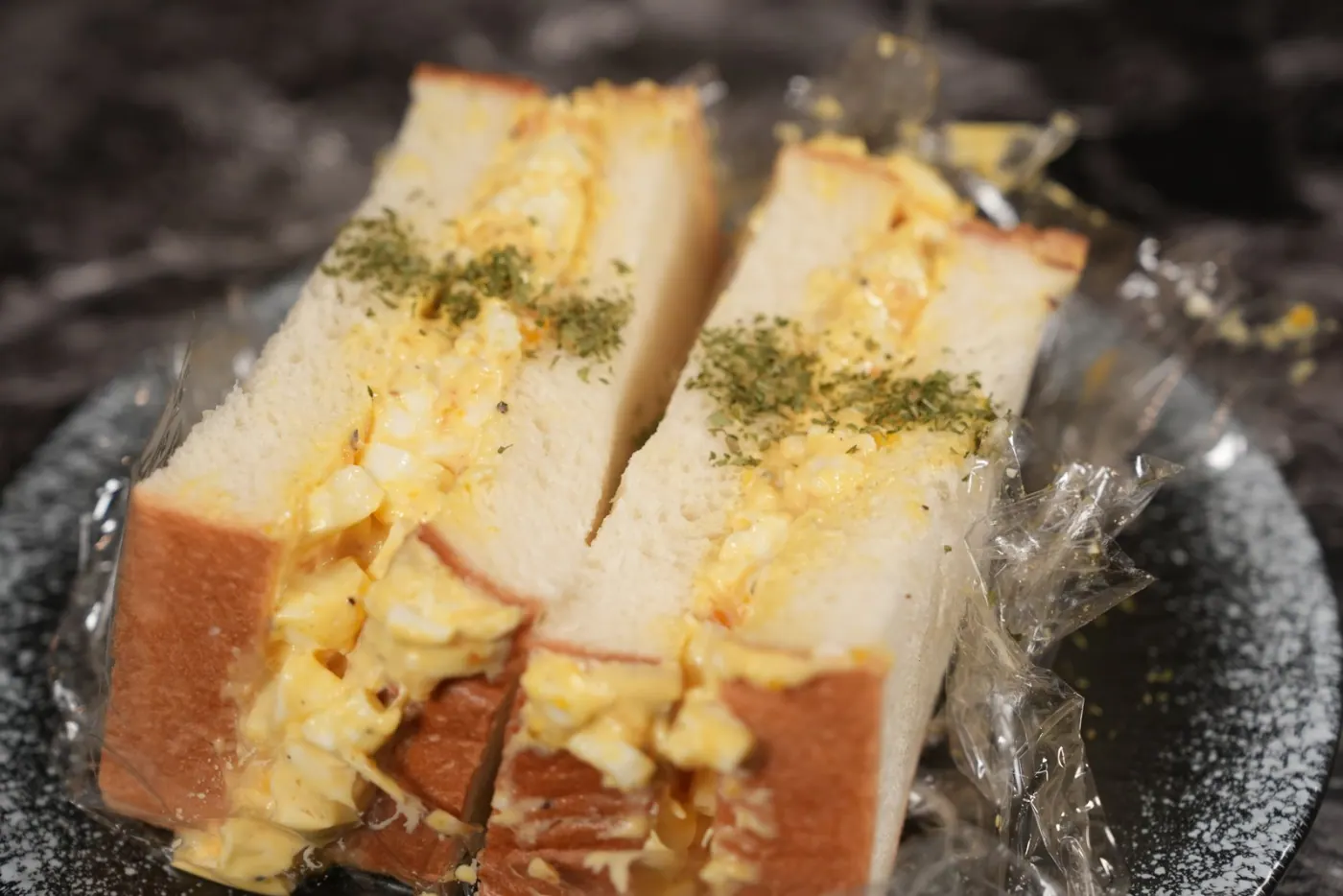
Add a side dish to round out the table.
Ratings & comments
No ratings yet — be the first to rate this recipe.
Comments