- Prep
- 2 min
- Cook
- 3 min
- Marinating
- 5 min
- Total
- 10 min
- Servings
- 1
- Difficulty
- Beginner
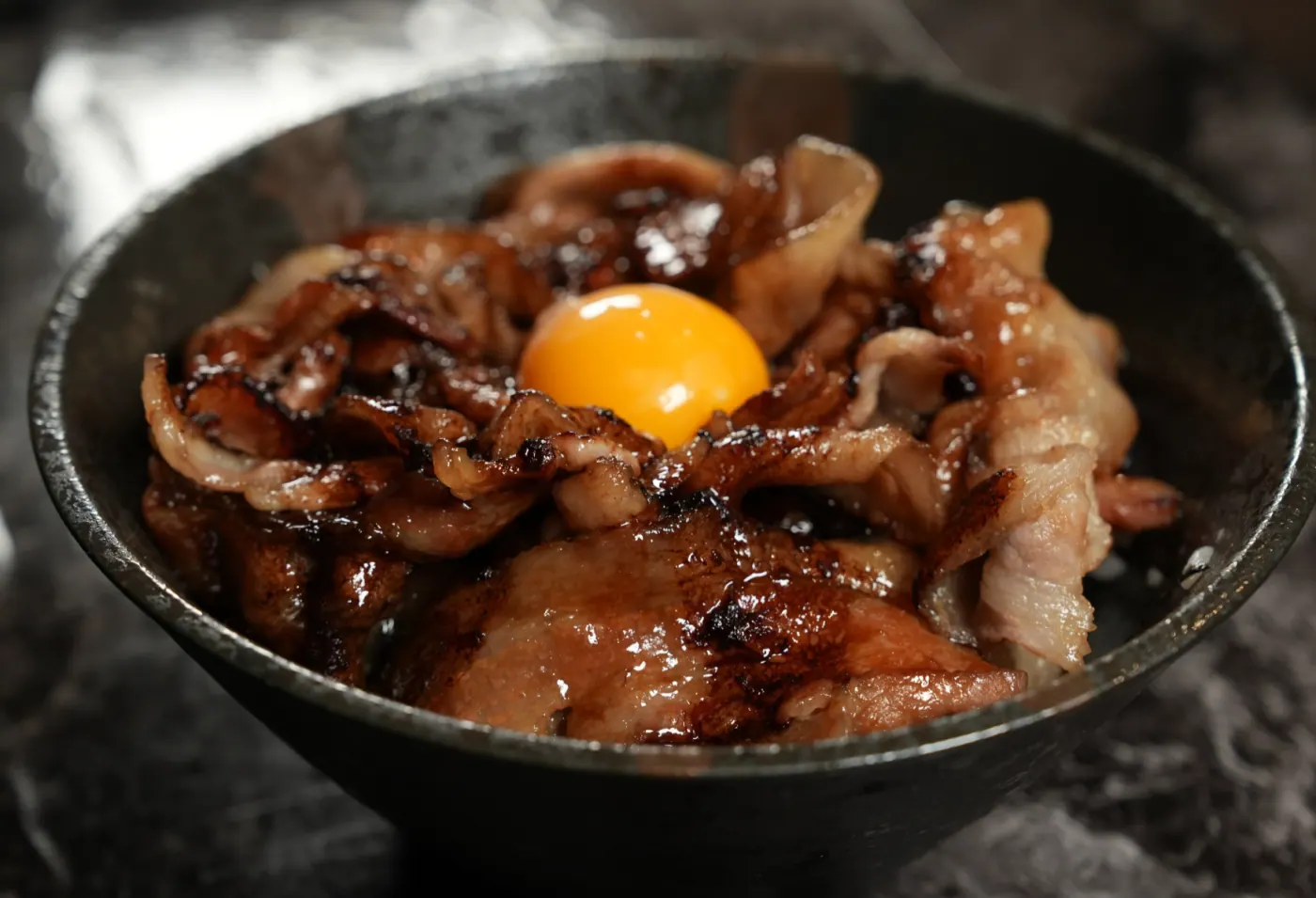
What is Butadon?
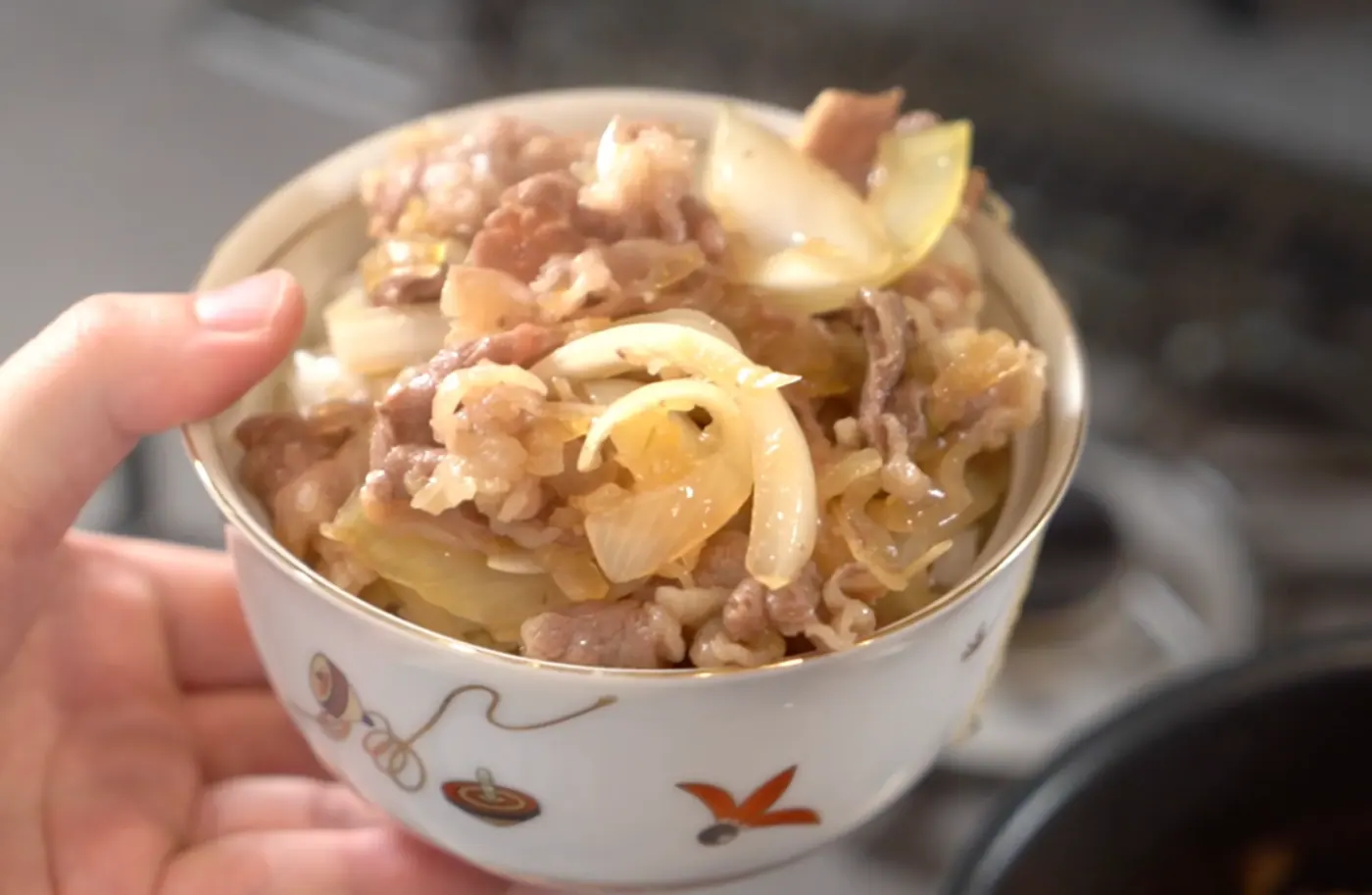
A popular Japanese rice bowl, Butadon. This simple combination of pork and rice creates an incredible dish that's ready in just 10 minutes.
This recipe's standout feature is marinating the pork in seasonings before cooking. By letting the flavors absorb beforehand, the pork becomes incredibly tender and juicy. Plus, the garlic aroma and beautiful caramelized sear stimulate your appetite, making this dish irresistibly delicious.
Why You'll Love This Recipe
- Ready in 10 minutes - Perfect quick meal for busy days
- Simple ingredients - Just pork and rice
- Bold, punchy flavors - Garlic and sweet-savory sauce make rice irresistible
- Perfect with nori - Seaweed balances the pork's richness
- Creamy egg yolk finish - Rich yolk brings everything together
Recipe Highlights
- Marinate pork to tenderize and infuse flavor
- Press plastic wrap directly onto surface for better absorption
- Cook pork slices without overlapping for maximum caramelization
- Nori balances richness perfectly
Equipment Needed
- Shallow tray or plate
- Plastic wrap
- Grater (for garlic)
- Large skillet
- Tongs or chopsticks
- Rice bowl
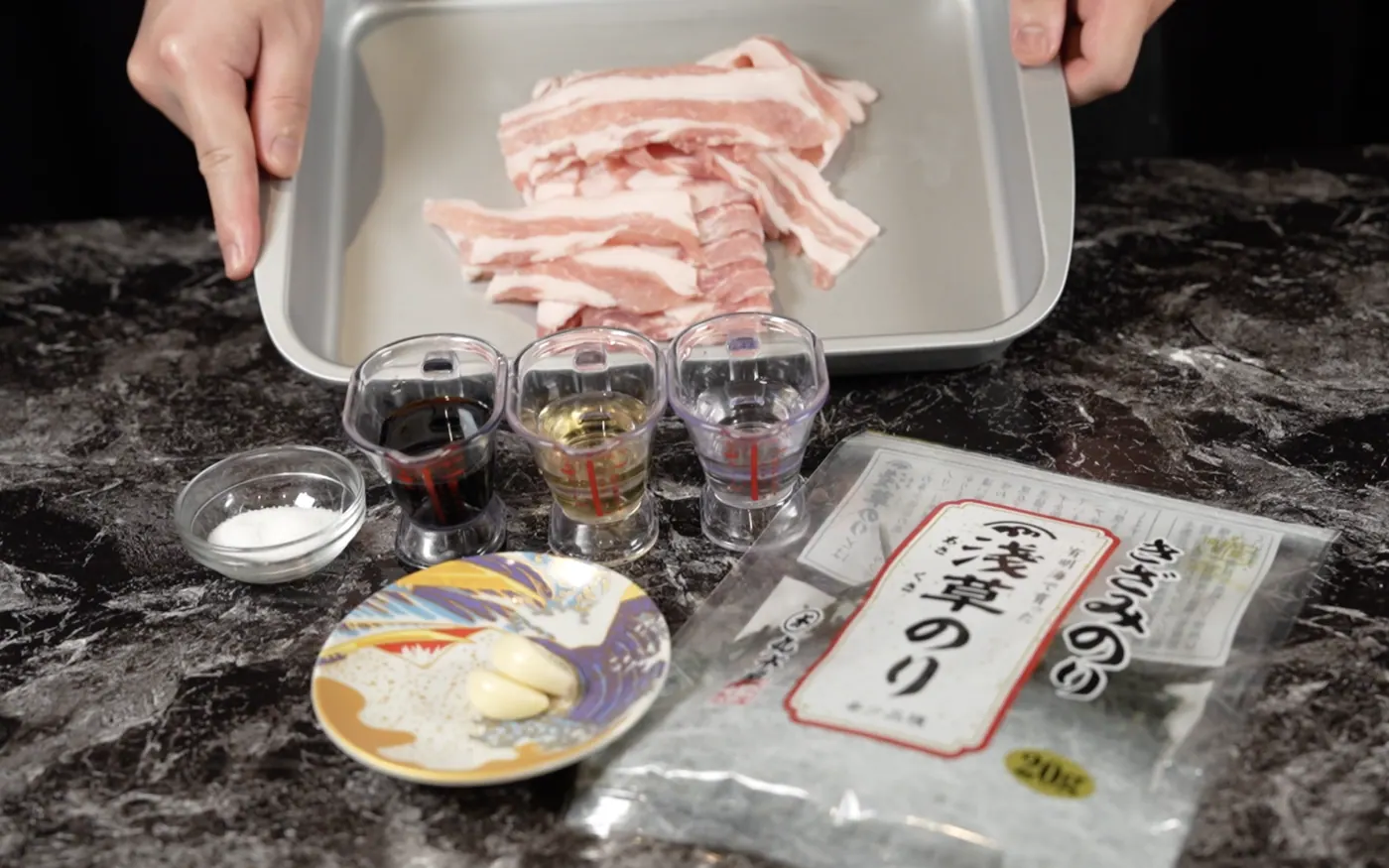
Butadon Ingredients (Serves 1)
10 ingredients · 1 serving
Thinly sliced pork belly, cooked rice, nori seaweed sheets, garlic cloves, sake, soy sauce, mirin, sugar, egg yolk, mayonnaise.
From scratch: how to cook Japanese rice
Full amounts in the recipe cardIngredient Substitutions
- Pork belly: Pork loin works but belly is juicier and more flavorful
- Sake: Dry white wine can substitute
- Mirin: See our mirin substitute recipe if unavailable
- Nori: While optional, it balances the richness beautifully and is highly recommended
Video Tutorial
For a visual guide to this recipe, watch the video below. You'll see the marinating technique and how to achieve perfect caramelization.

How to Make Butadon
Prep: Marinating the Pork
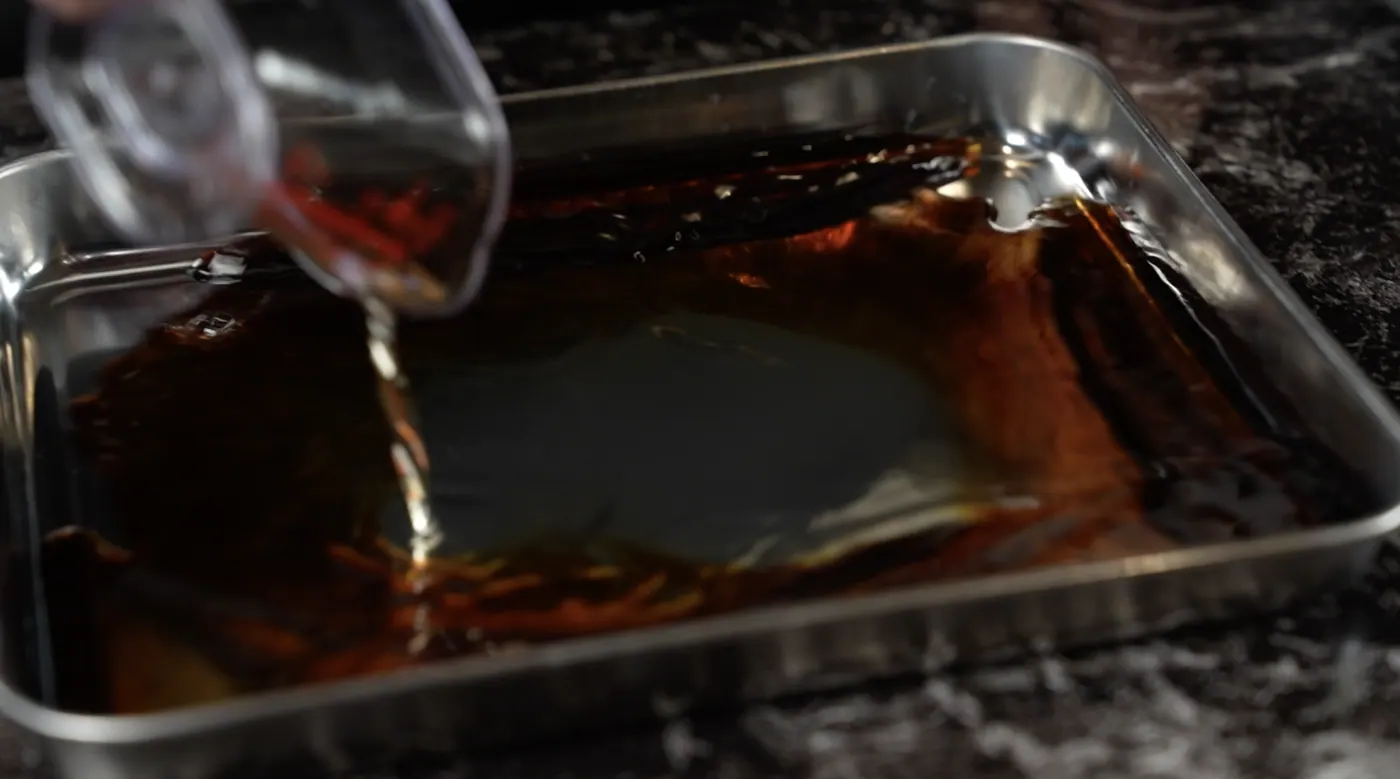
Combine seasonings in tray
First, prepare the marinade for seasoning the pork.
Prepare a shallow tray and add the seasonings:
- 2 tbsp sake
- 2 tbsp soy sauce
- 2 tbsp mirin
- 1 tsp sugar
Grate garlic
Grate 2 garlic cloves.
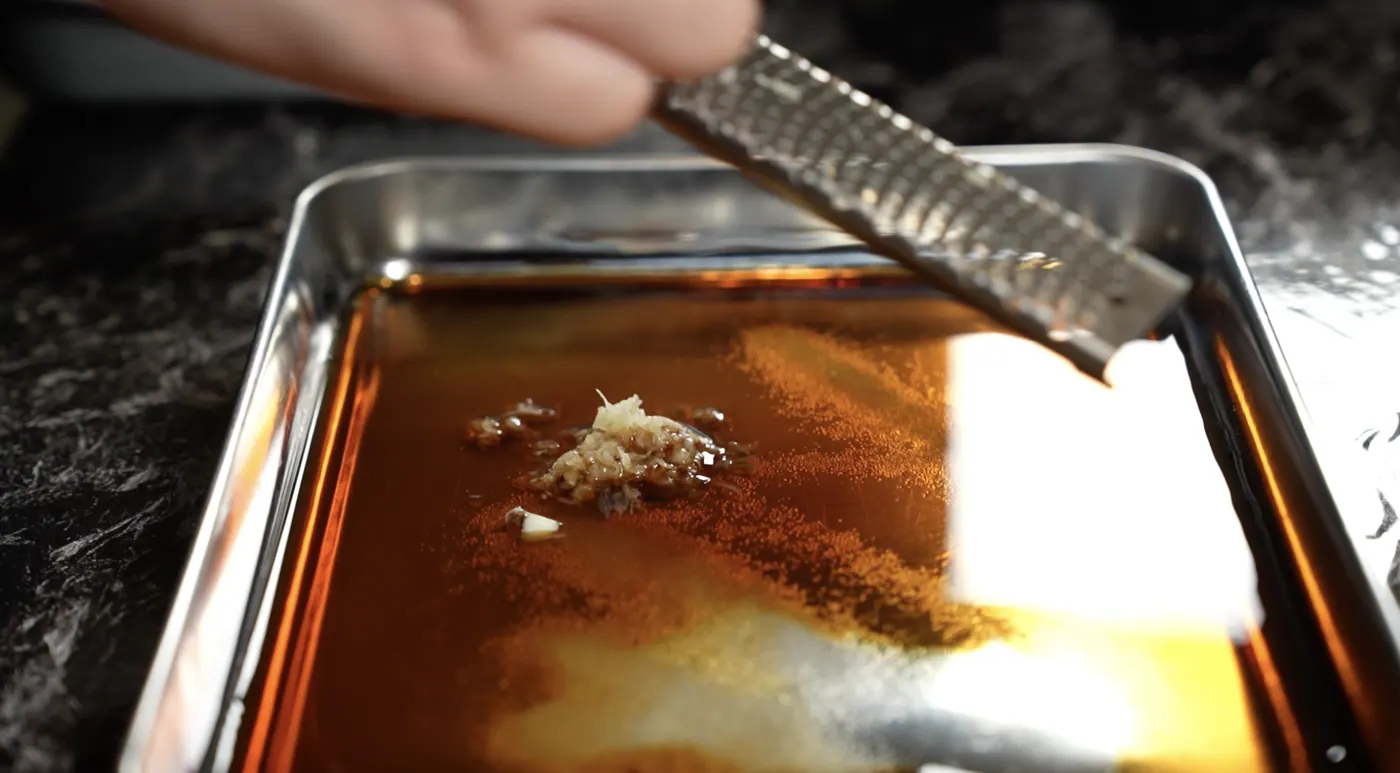
Mix seasonings
Once garlic is grated, lightly mix the seasonings together.
This amount of mixing is sufficient.
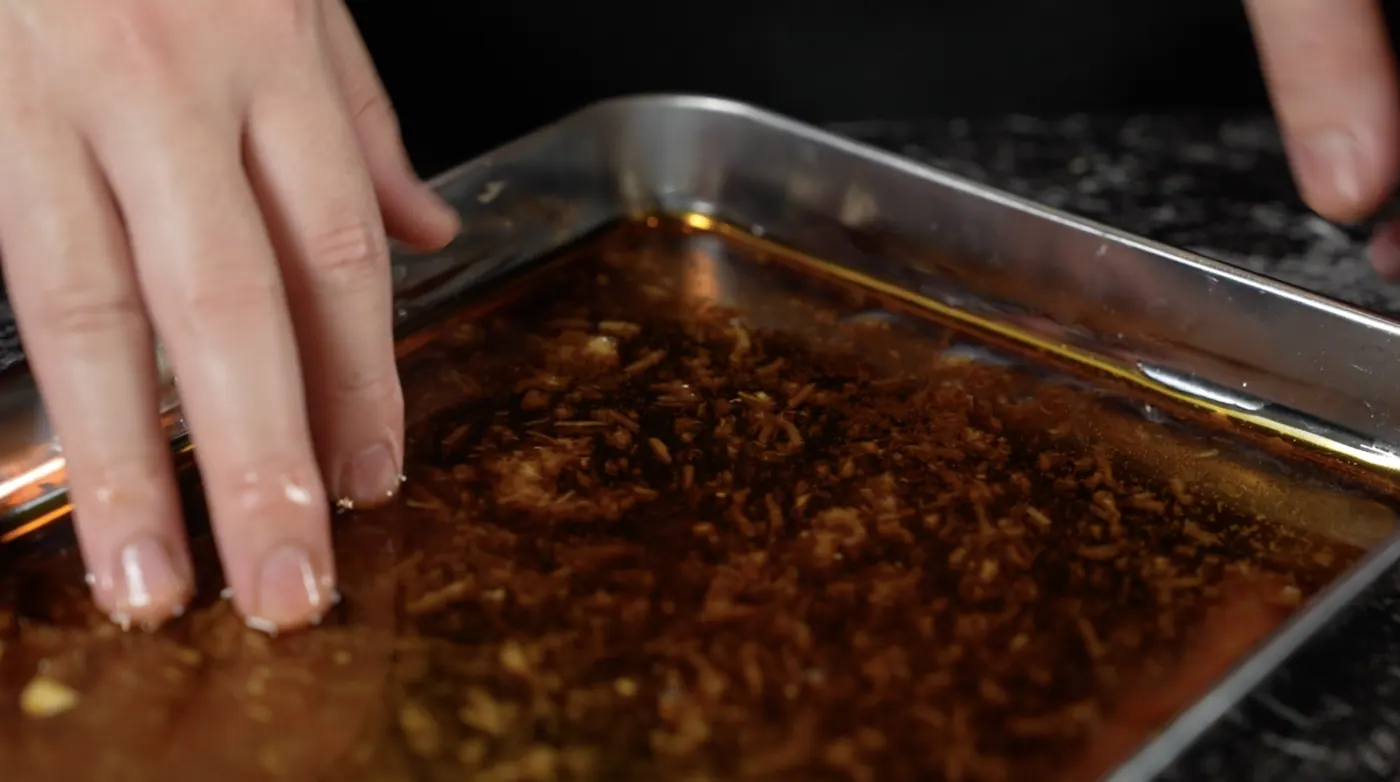
Arrange pork in tray
Arrange pork slices in the tray. Lay each piece carefully so the seasonings reach all the meat. Avoid stacking the slices to ensure even coverage.
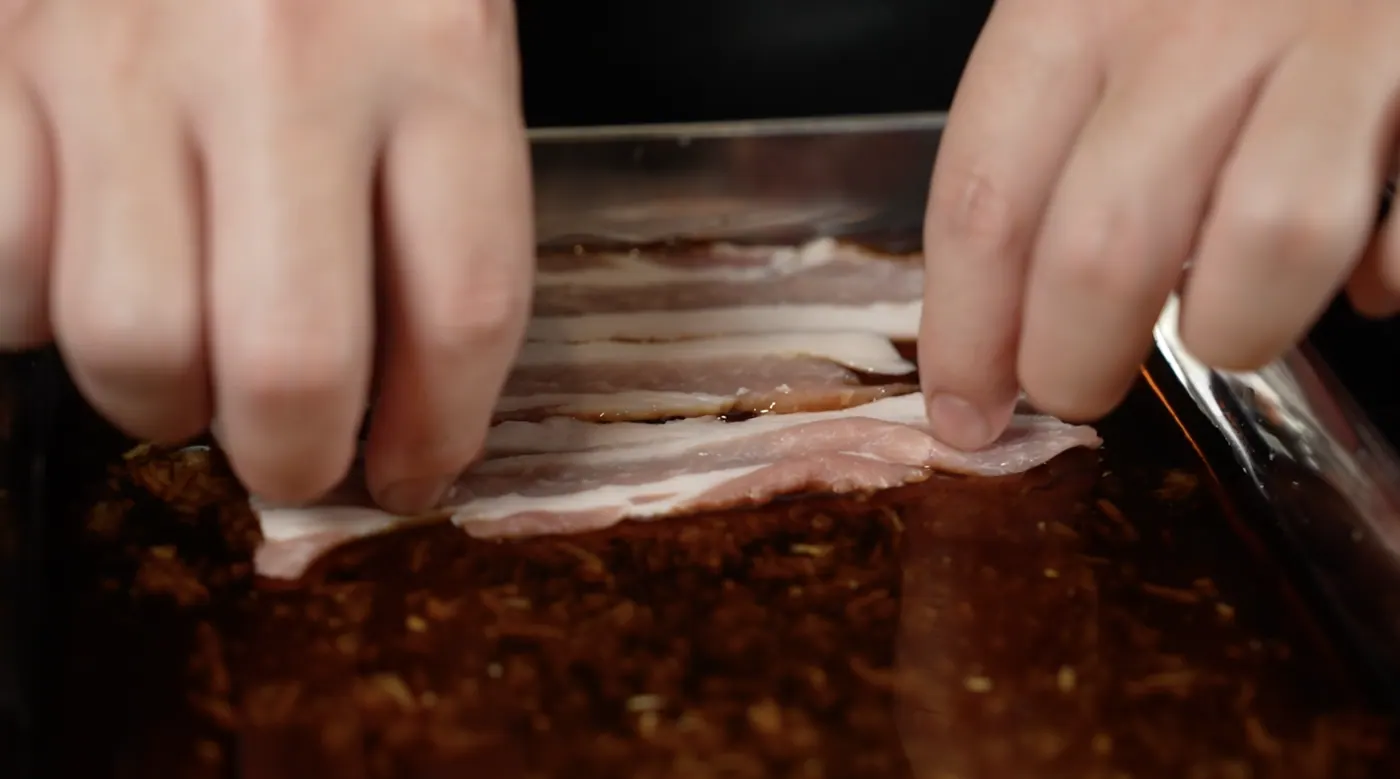
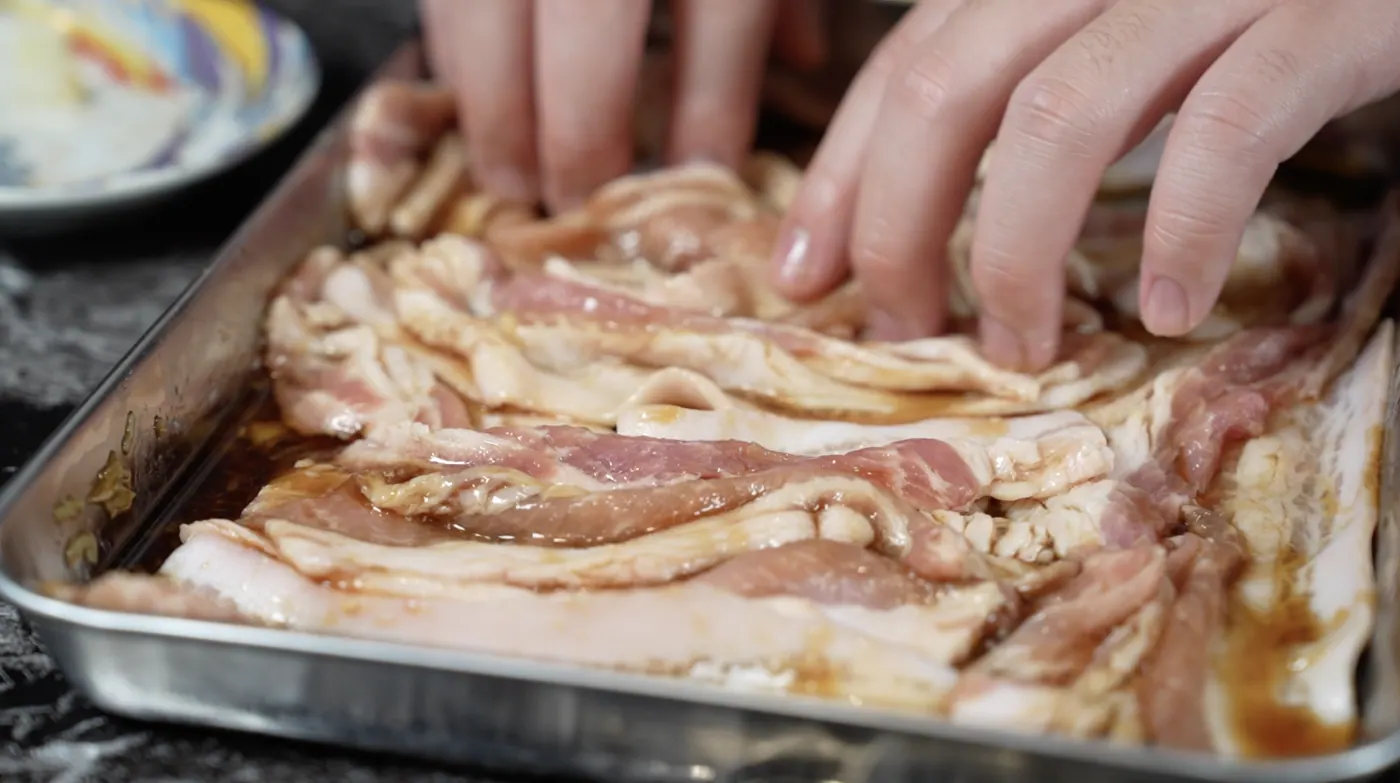
Massage seasonings into pork
Once all pork is arranged, gently massage the meat with your hands to help the seasonings absorb.
Press plastic wrap directly on surface
Once pork is arranged, cover the tray with plastic wrap. Press the wrap directly onto the pork surface - this is the key.
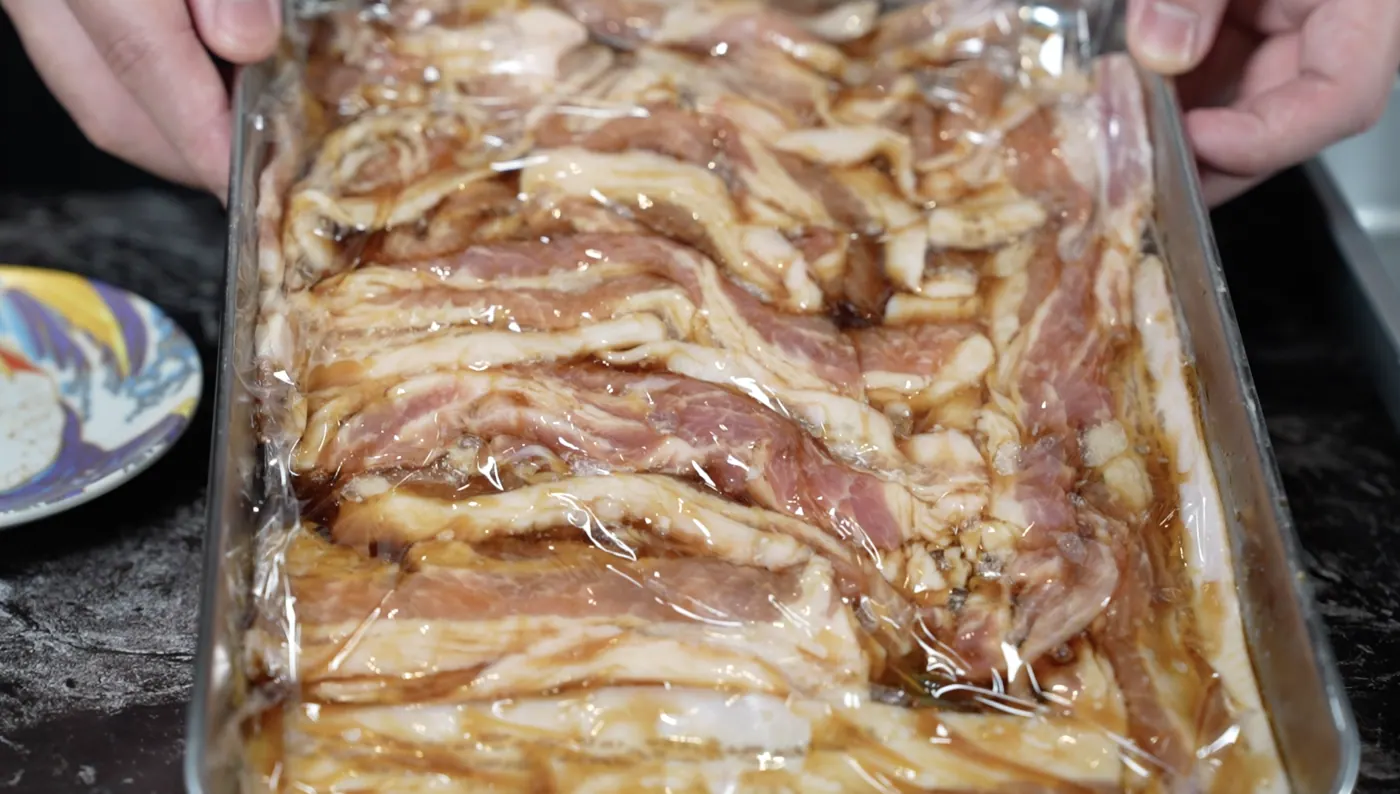
Why press wrap onto the surface?
Pressing wrap directly onto the pork:
- Creates surface tension that keeps seasonings in contact with meat
- Ensures even flavor distribution
- Maximizes flavor absorption in minimal time
Marinate for 4-5 minutes
Let the pork marinate for about 4-5 minutes to absorb the flavors. The marinating is now complete.
Cooking Steps
Preheat skillet over medium heat
Heat a large skillet over medium heat. The pork will release its own fat, so no oil is needed.
Arrange pork slices without overlapping
Place pork slices in the skillet one by one, making sure they don't overlap.
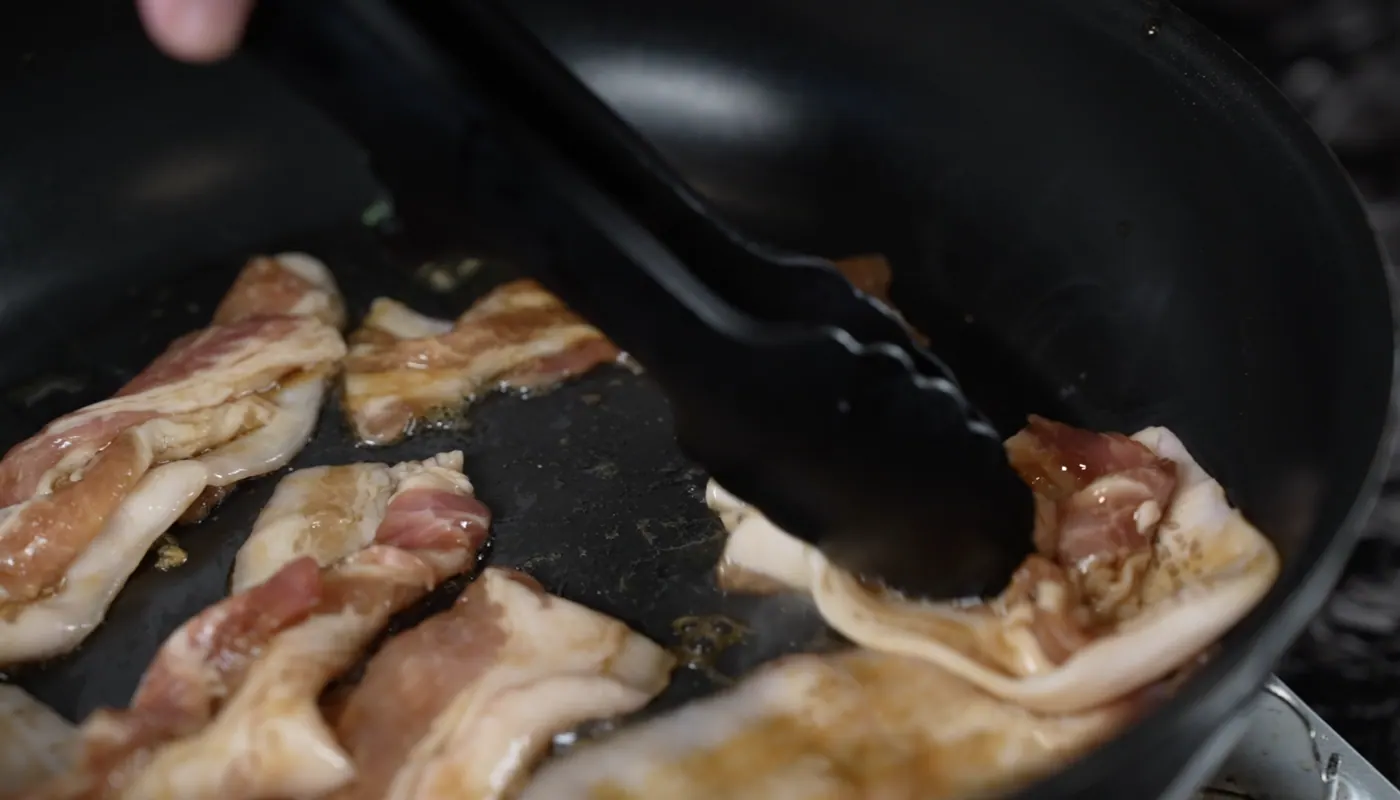
Why avoid overlapping?
Cooking pork without overlapping provides three benefits:
- Every surface gets caramelized
- Cooking the meat creates aromatic depth
- Results in a more delicious butadon
Once arranged, cook over medium heat for 3 minutes.
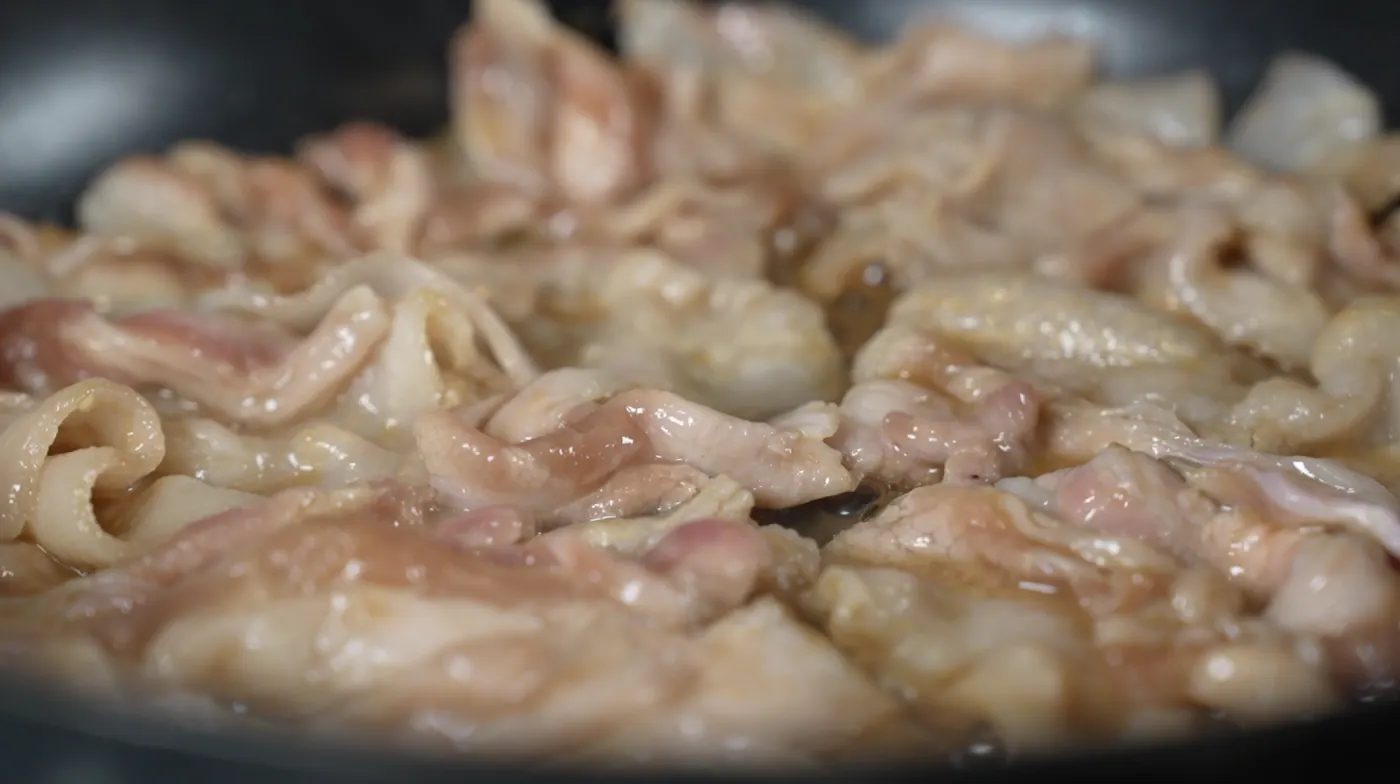
Prepare rice and nori
While the pork cooks, portion warm rice into a bowl.
Then, spread generous nori sheets over the rice.
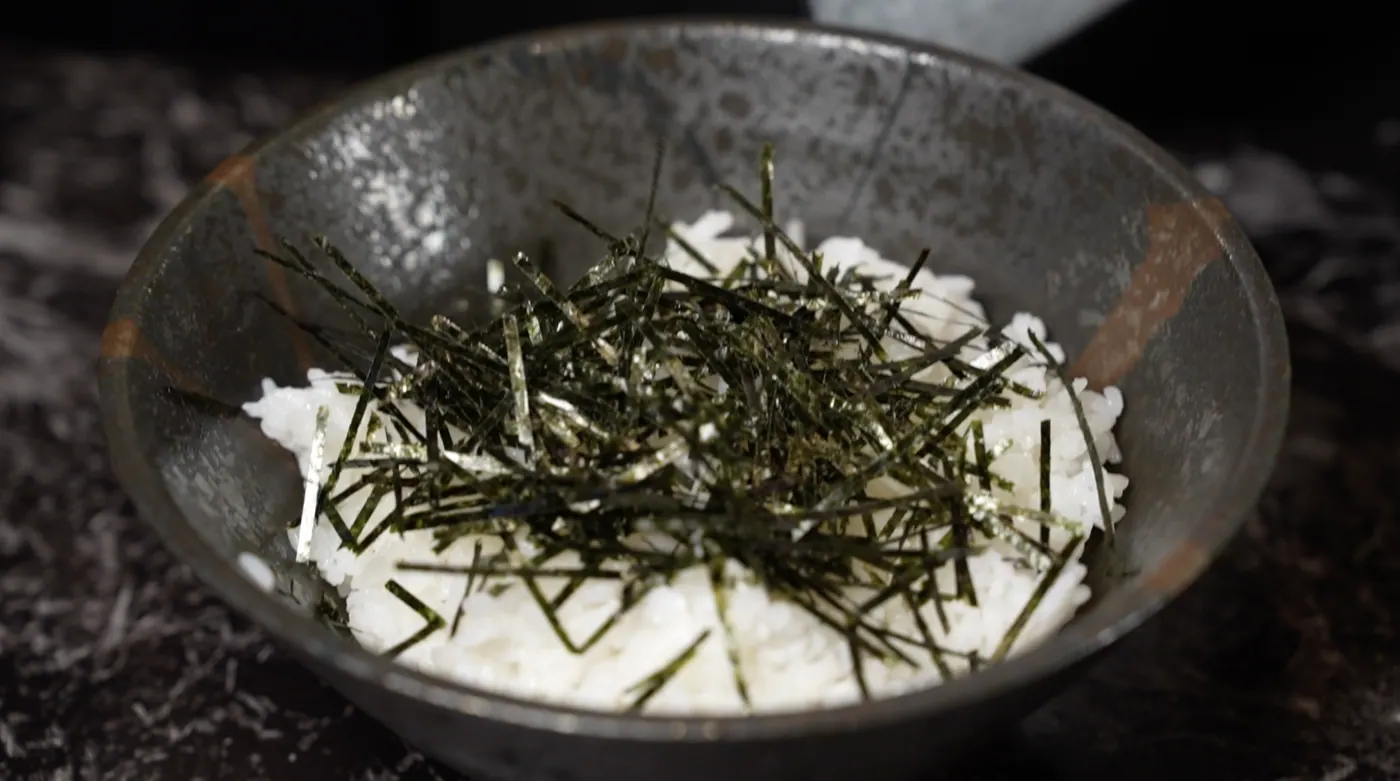
Why add nori?
Nori beautifully balances the pork's richness and pairs wonderfully with it. Highly recommended!
Flip the pork
After 3 minutes, flip each pork slice carefully.
Good caramelization on the pork means it's cooking perfectly. Aim for this level of color. The caramelization adds aromatic depth and makes it even more delicious.
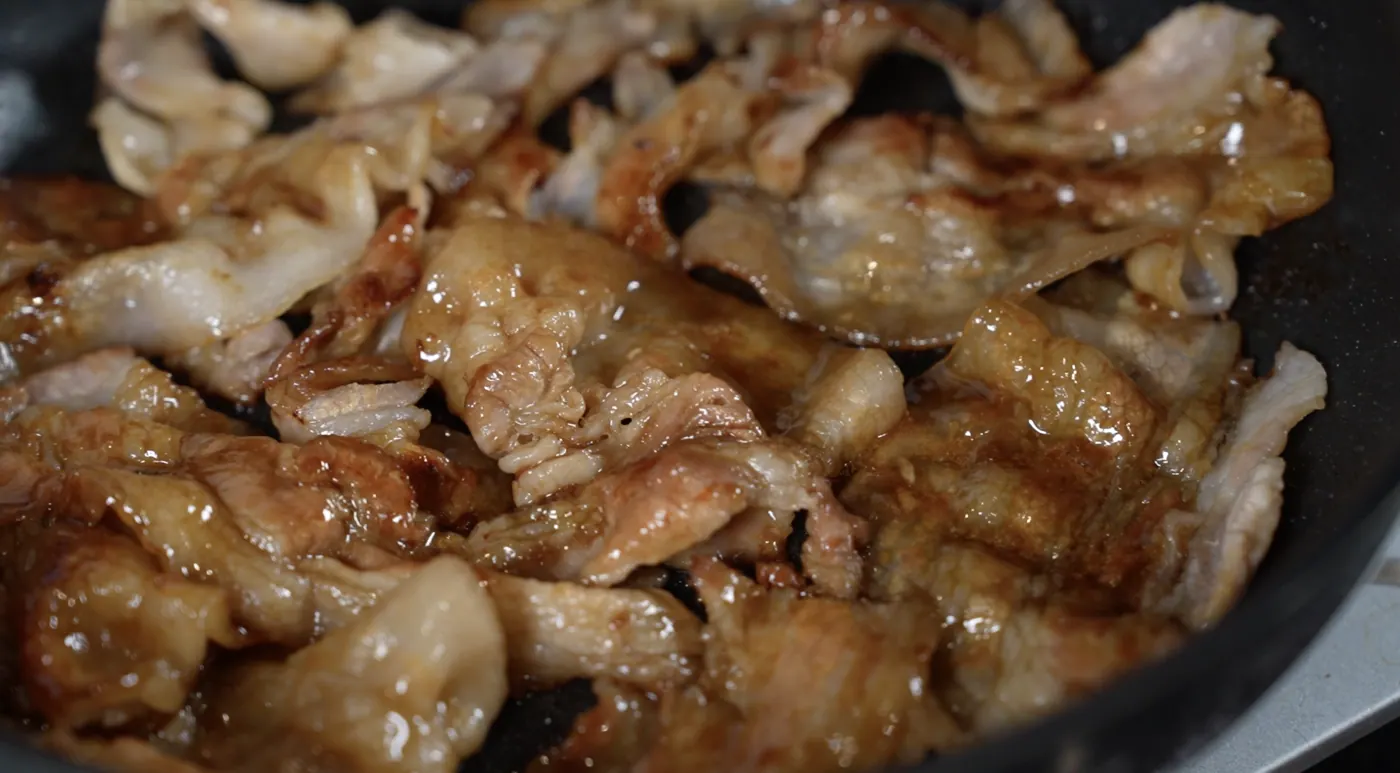
Cook second side for 1 minute
The second side only needs about 1 minute.
Arrange pork on rice
Once the second side is cooked, turn off heat and arrange the pork on top of the rice.
Next, we'll make the sauce.
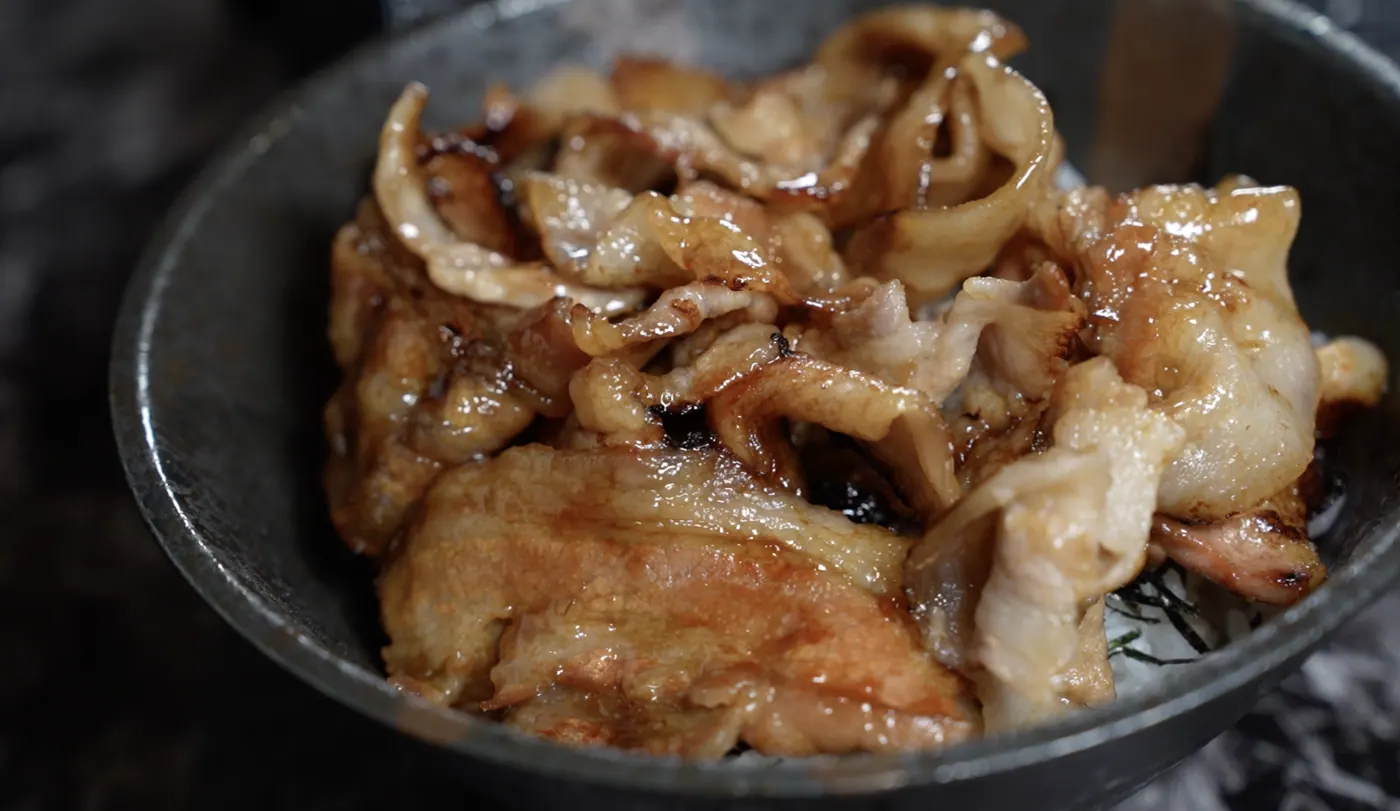
Making the Sauce
Add remaining marinade to skillet
Pour the remaining marinade from the tray into the skillet and heat over low heat. If it starts to burn, remove from heat and reduce slowly.
Prevent sauce from burning
With sugar and soy sauce, it burns easily. Always use low heat.
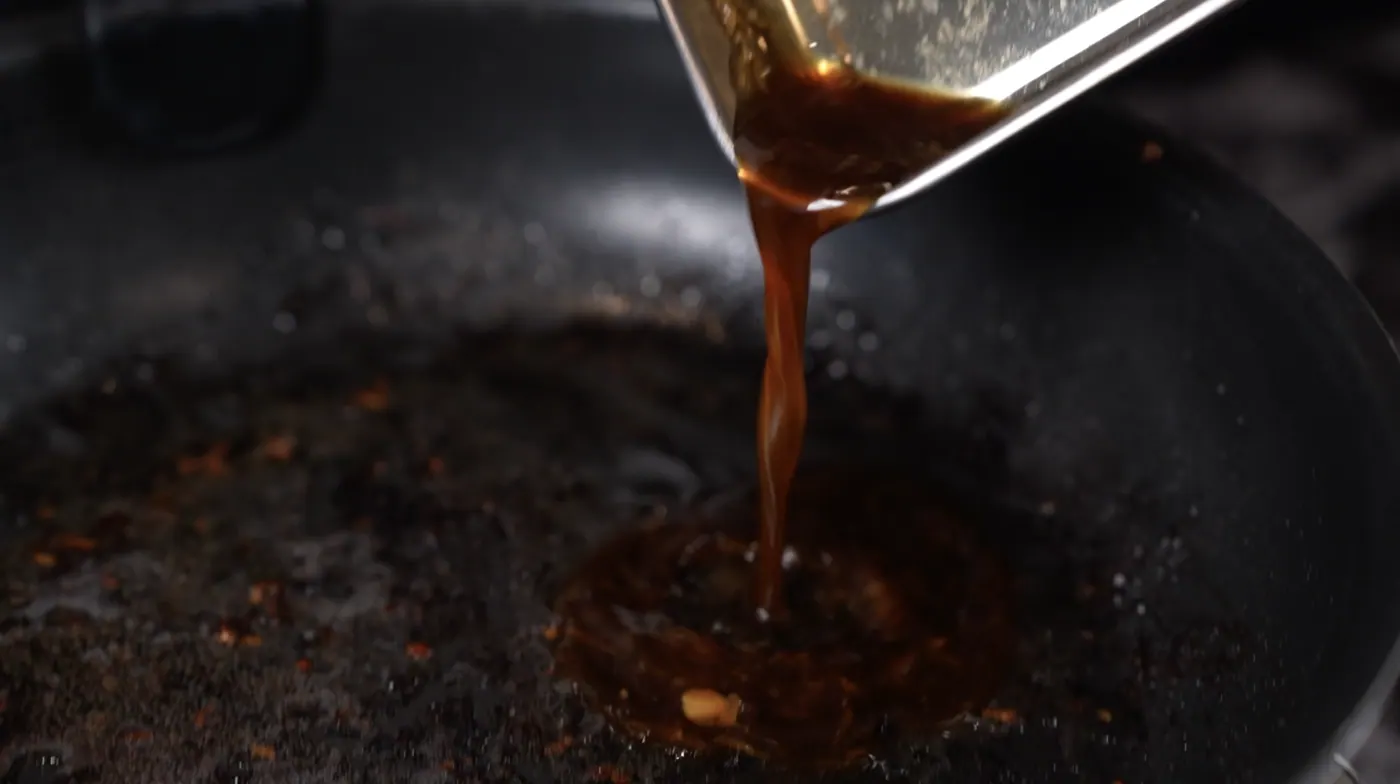
Sauce is ready when thickened
Once the sauce thickens slightly, remove the skillet from heat to prevent burning.
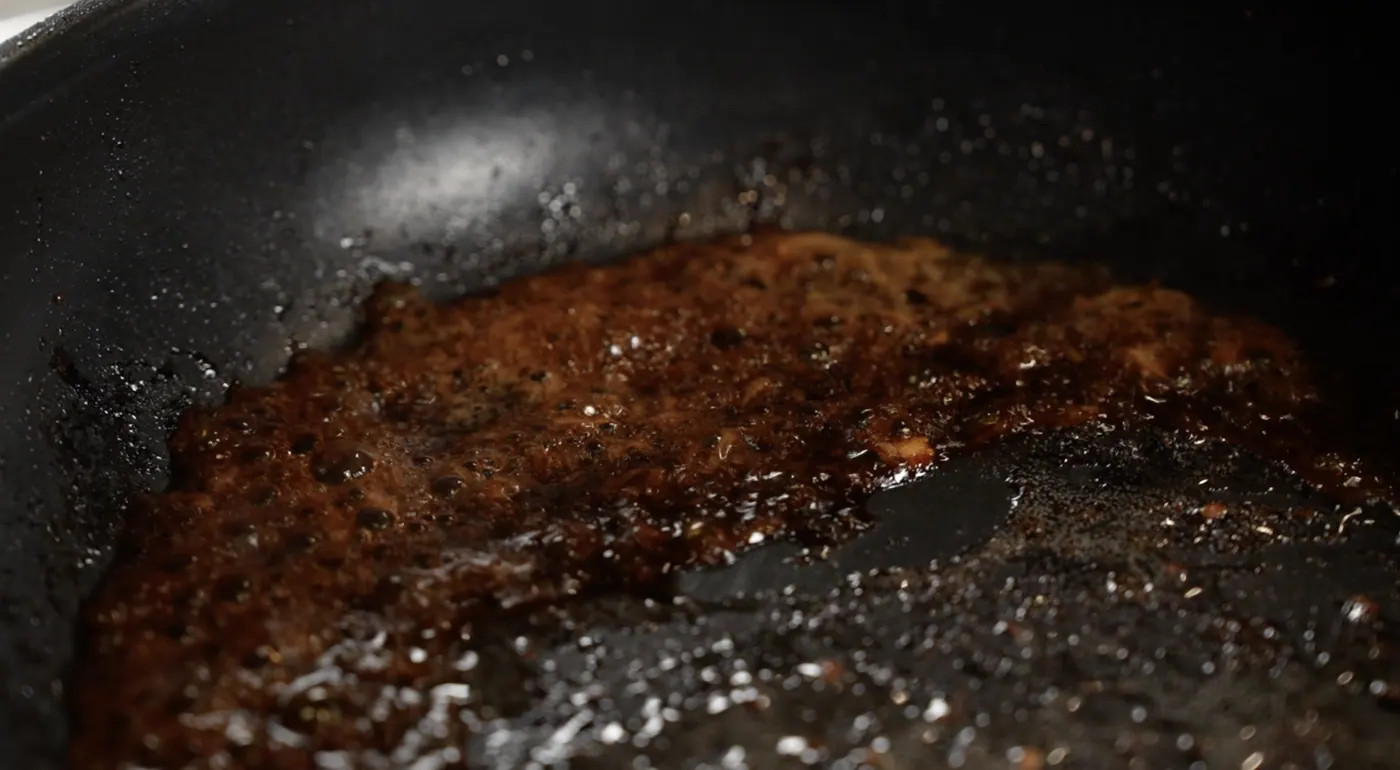
Pour sauce over pork
Pour the reduced sauce generously over the pork, and it's complete.
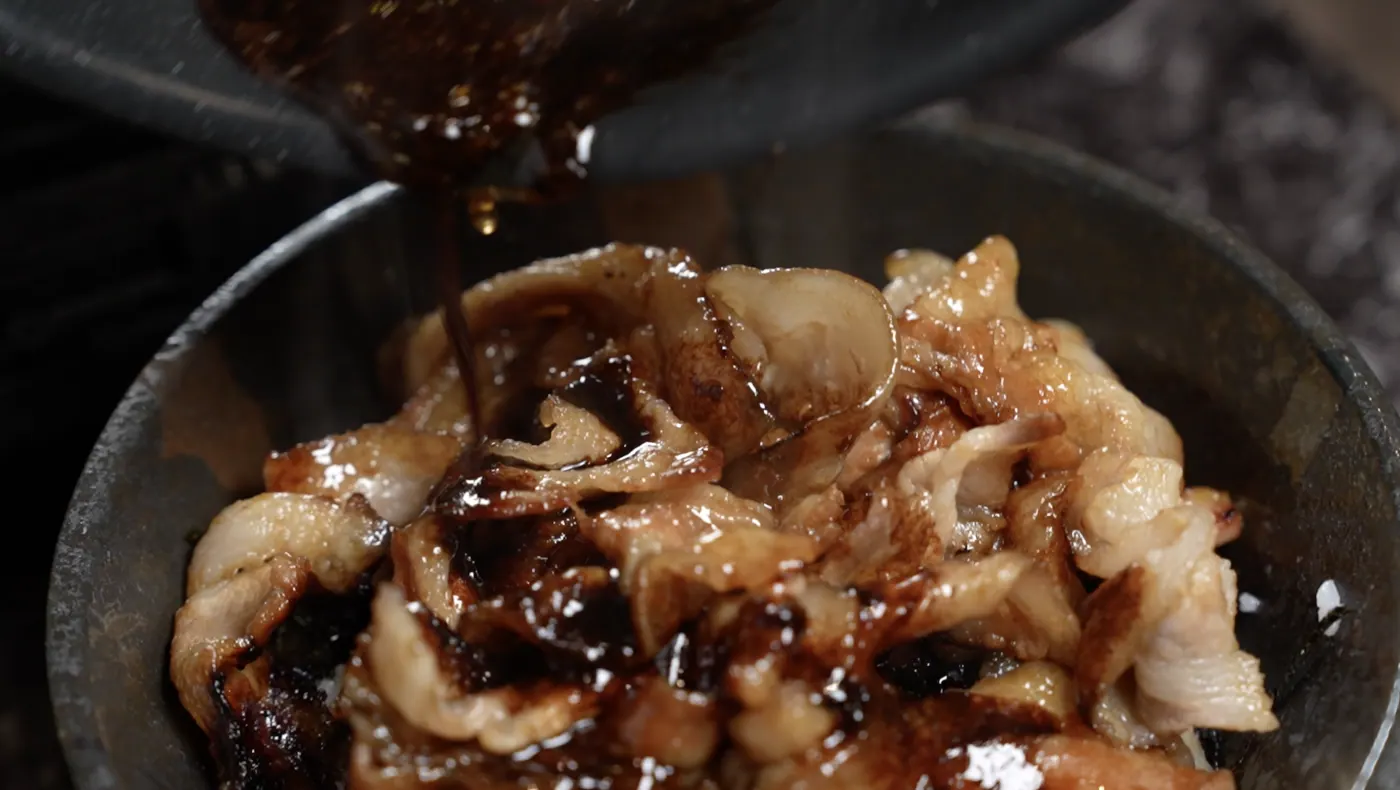
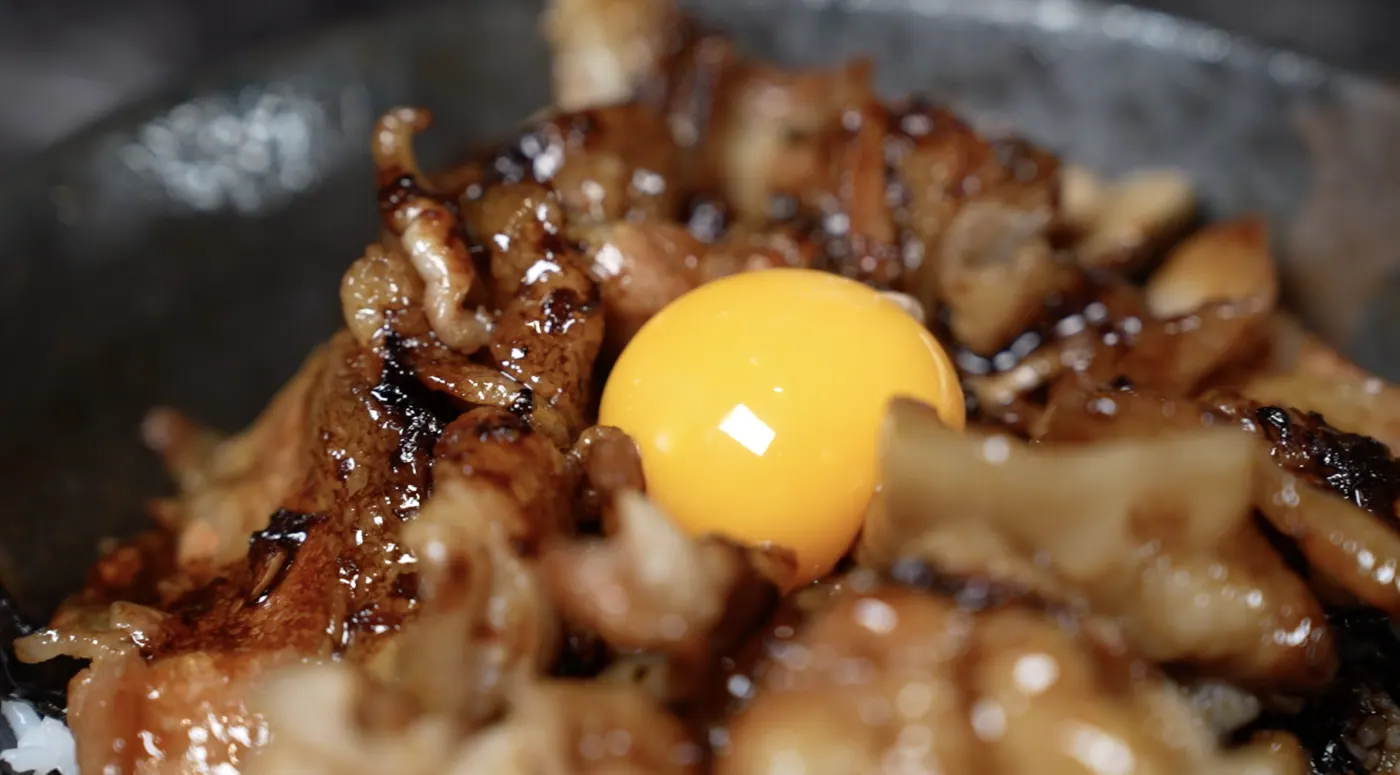
Add egg yolk topping (optional)
This is optional, but I highly recommend topping with an egg yolk. The combination of sweet-savory sauce and creamy egg is wonderful and makes it even more delicious.
About raw egg safety
In Japan, eggs are sold for raw consumption. If raw egg safety cannot be confirmed in your area, omit the egg yolk topping or use a cooked egg such as an onsen egg.
How to Eat
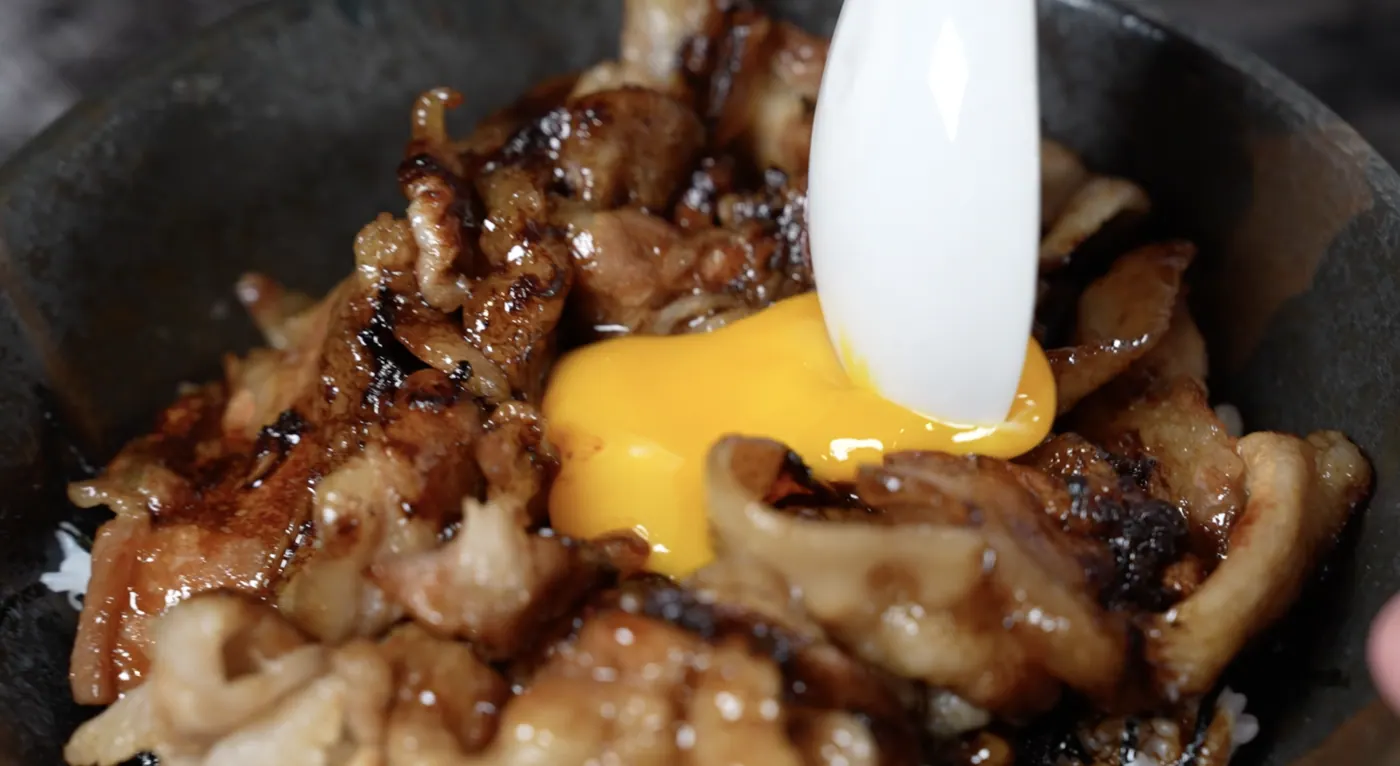
Break egg yolk and mix
I recommend breaking the egg yolk and mixing it with the rice and pork.
The sweet-savory sauce and pork match perfectly with the rice - absolutely delicious. The nori and egg yolk balance the pork's richness beautifully, so you can enjoy it without getting tired of the flavor.
Tips & Techniques
Choose fattier pork belly
Choosing pork with more fat creates a juicier, more flavorful result.
Press wrap onto surface
This simple step ensures thorough flavor absorption even in a short time.
Don't overlap pork when cooking
Cooking without overlap creates aromatic caramelization that enhances the flavor.
Nori is essential
Nori balances the richness, so don't skip it.
Use low heat for sauce
The sauce burns easily, so always reduce over low heat.
Top with egg yolk
The creamy egg yolk brings everything together beautifully.
Troubleshooting
Common Questions
What should I do if the pork turned out tough?
Likely overcooked. Thin slices cook quickly, so remove as soon as both sides are caramelized.
What should I do if the sauce burned?
Heat was too high. Always reduce sauce over low heat, and remove from heat if it starts to burn.
What should I do if it's too rich and heavy?
Add generous nori to balance the richness. You can also blot excess fat with paper towels.
Final Thoughts
This recipe's magic lies in "marinating before cooking" and "pressing wrap onto the surface." These two simple steps are the secret to achieving deeply flavored, juicy butadon in minimal time.
Though simple, the garlic aroma and sweet-savory sauce create an addictive flavor. Ready in just 10 minutes, this is your go-to recipe for busy days. Give it a try!
For a salt-based version with lots of green onion, try our negi butadon.
How to Store Butadon
Leftover butadon can be stored in an airtight container in the refrigerator for 2-3 days.
Reheating instructions:
- Microwave: Heat at 600W for 1-2 minutes, checking frequently
- Skillet: Reheat over low heat
Note: Meat can toughen when reheated, so freshly made is best.
丼Rice Bowl豚丼
Butadon (Japanese Pork Rice Bowl)
A popular Japanese rice bowl, Butadon. This simple combination of pork and rice creates an incredible dish that's ready in just 10 minutes.
No ratings yet
Rate this recipe
- Prep
- 2 min
- Cook
- 3 min
- Marinating
- 5 min
- Total
- 10 min
- Servings
- 1
- Difficulty
- Beginner
Ingredients
Main Ingredients
Seasonings
Toppings (Optional)
Ingredient amounts are multiplied; cooking times and pan size may need adjusting.
Instructions
Amounts mentioned in the steps are for the original recipe (1x) — use the scaled amounts above.
Prep: Marinating the Pork
Combine seasonings in tray
First, prepare the marinade for seasoning the pork.
Prepare a shallow tray and add the seasonings:
- 2 tbsp sake
- 2 tbsp soy sauce
- 2 tbsp mirin
- 1 tsp sugar
Grate garlic
Grate 2 garlic cloves.
Mix seasonings
Once garlic is grated, lightly mix the seasonings together.
Arrange pork in tray
Arrange pork slices in the tray. Lay each piece carefully so the seasonings reach all the meat. Avoid stacking the slices to ensure even coverage.
Massage seasonings into pork
Once all pork is arranged, gently massage the meat with your hands to help the seasonings absorb.
Press plastic wrap directly on surface
Once pork is arranged, cover the tray with plastic wrap. Press the wrap directly onto the pork surface - this is the key.
Marinate for 4-5 minutes
Let the pork marinate for about 4-5 minutes to absorb the flavors. The marinating is now complete.
Cooking Steps
Preheat skillet over medium heat
Heat a large skillet over medium heat. The pork will release its own fat, so no oil is needed.
Arrange pork slices without overlapping
Place pork slices in the skillet one by one, making sure they don't overlap.
Once arranged, cook over medium heat for 3 minutes.
Prepare rice and nori
While the pork cooks, portion warm rice into a bowl.
Then, spread generous nori sheets over the rice.
Flip the pork
After 3 minutes, flip each pork slice carefully.
Good caramelization on the pork means it's cooking perfectly. Aim for this level of color. The caramelization adds aromatic depth and makes it even more delicious.
Cook second side for 1 minute
The second side only needs about 1 minute.
Arrange pork on rice
Once the second side is cooked, turn off heat and arrange the pork on top of the rice.
Next, we'll make the sauce.
Making the Sauce
Add remaining marinade to skillet
Pour the remaining marinade from the tray into the skillet and heat over low heat. If it starts to burn, remove from heat and reduce slowly.
Sauce is ready when thickened
Once the sauce thickens slightly, remove the skillet from heat to prevent burning.
Pour sauce over pork
Pour the reduced sauce generously over the pork, and it's complete.
Add egg yolk topping (optional)
This is optional, but I highly recommend topping with an egg yolk. The combination of sweet-savory sauce and creamy egg is wonderful and makes it even more delicious.
How to Eat
Break egg yolk and mix
I recommend breaking the egg yolk and mixing it with the rice and pork.
The sweet-savory sauce and pork match perfectly with the rice - absolutely delicious. The nori and egg yolk balance the pork's richness beautifully, so you can enjoy it without getting tired of the flavor.
Video
Watch the video · 4:29Open on YouTube
Jump to a part of the video (7 chapters)
Video: https://youtu.be/Q5LMMOc29YA
Notes
Substitutions
- Pork belly: Pork loin works but belly is juicier and more flavorful
- Sake: Dry white wine can substitute
- Mirin: See our mirin substitute recipe if unavailable
- Nori: While optional, it balances the richness beautifully and is highly recommended
To store
- Leftover butadon can be stored in an airtight container in the refrigerator for 2-3 days.
- Microwave: Heat at 600W for 1-2 minutes, checking frequently
- Skillet: Reheat over low heat
- Note: Meat can toughen when reheated, so freshly made is best.
Nutrition estimated, per serving
- Calories
- 1,102 kcal
- Carbohydrates
- 83.7 g
- Protein
- 38.3 g
- Fat
- 71.5 g
- Saturated fat
- 29.4 g
- Fiber
- 4.7 g
- Sugar
- 14.1 g
- Sodium
- 2,183 mg
Estimated by us from the Standard Tables of Food Composition in Japan (MEXT, 2020). Optional ingredients and garnishes are not counted; soup and sauce are counted as fully eaten. Actual values depend on your brands and portion sizes. How we calculate this
Course: Rice Bowl · Cuisine: Japanese · Keyword: Butadon
Recipe from Japanese Cooking Ichie — https://japanesecookingichie.com/recipes/butadon/
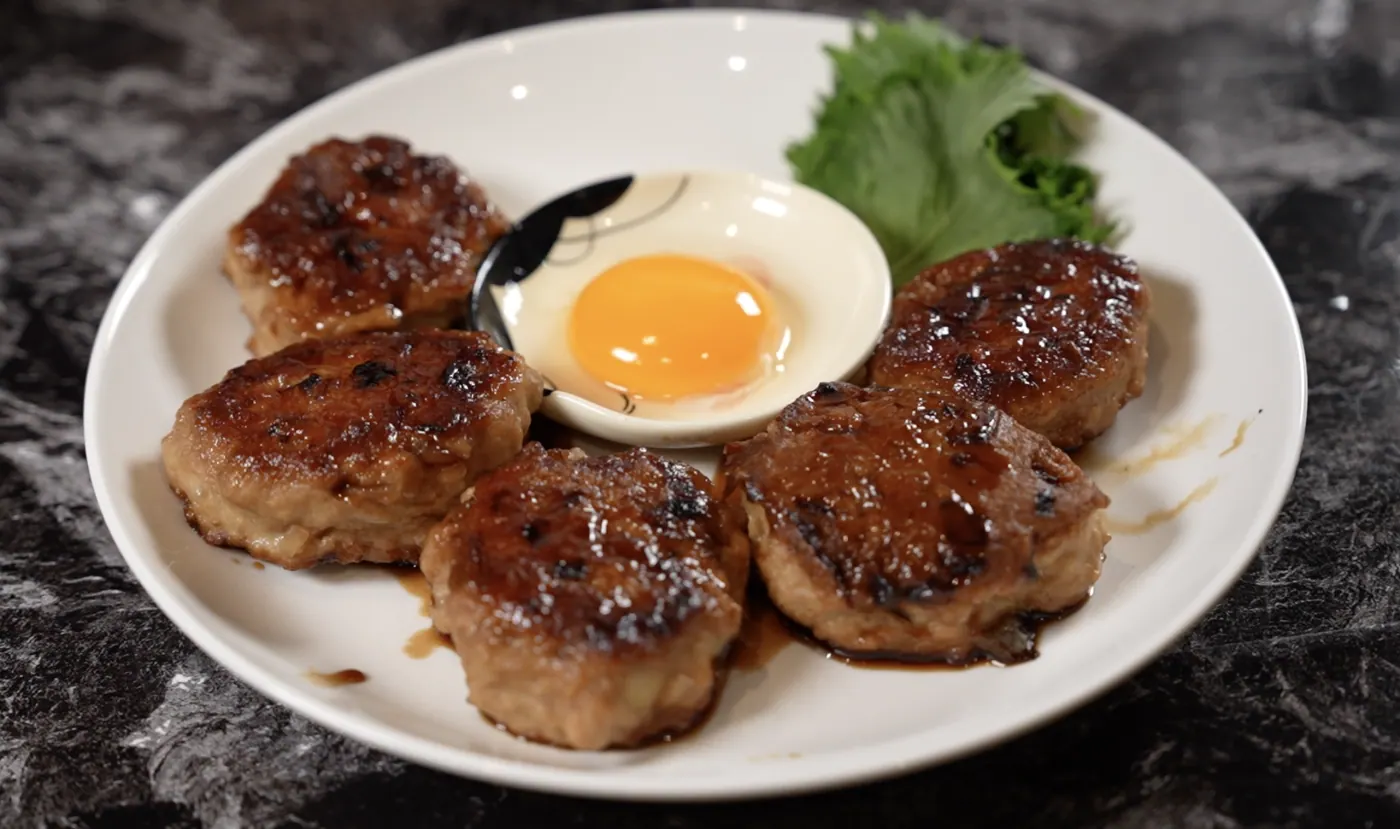
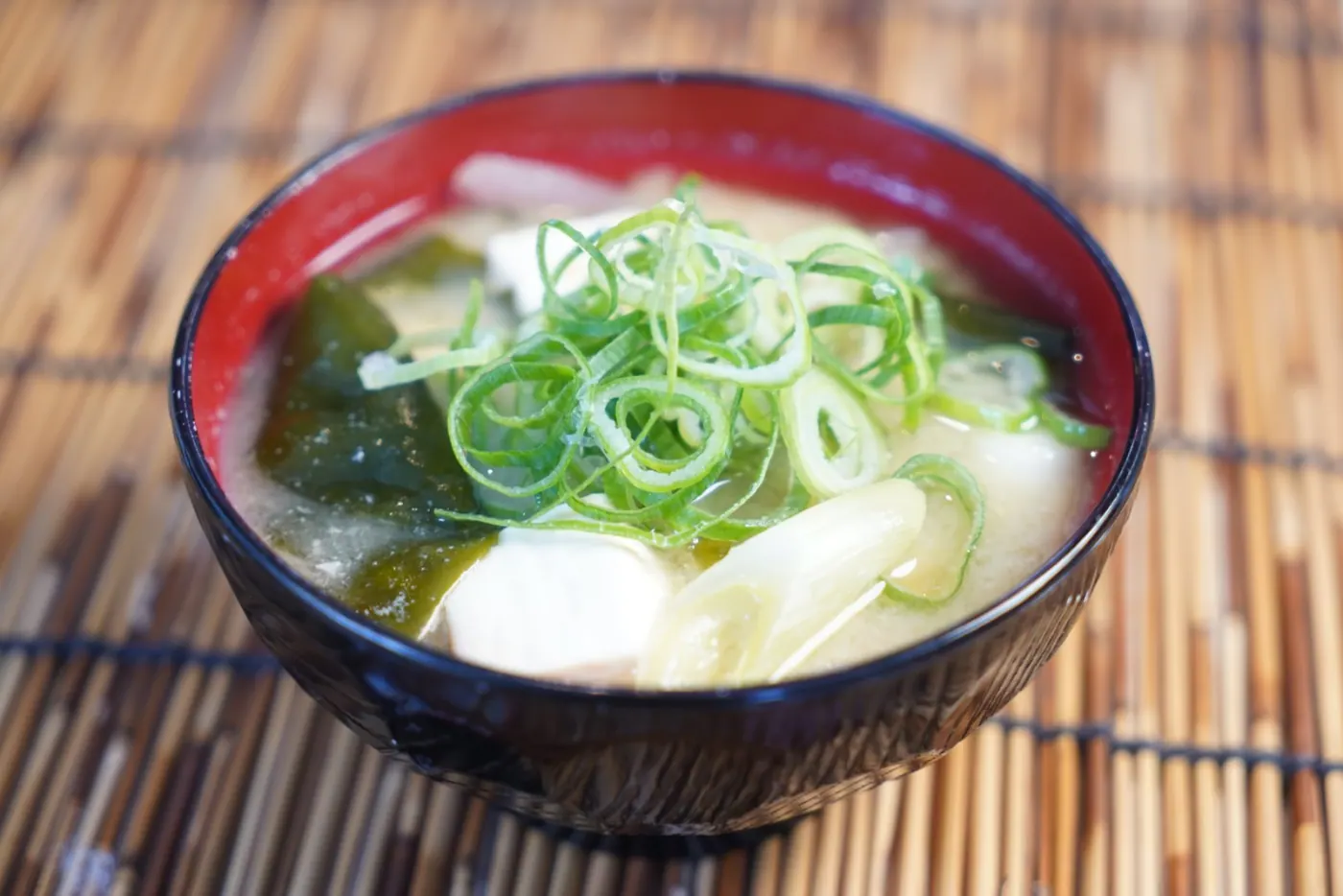
Make it a meal
Add a side dish to round out the table.
Ratings & comments
No ratings yet — be the first to rate this recipe.
Comments