- Prep
- 5 min
- Cook
- 10 min
- Total
- 15 min
- Servings
- 1
- Difficulty
- Beginner
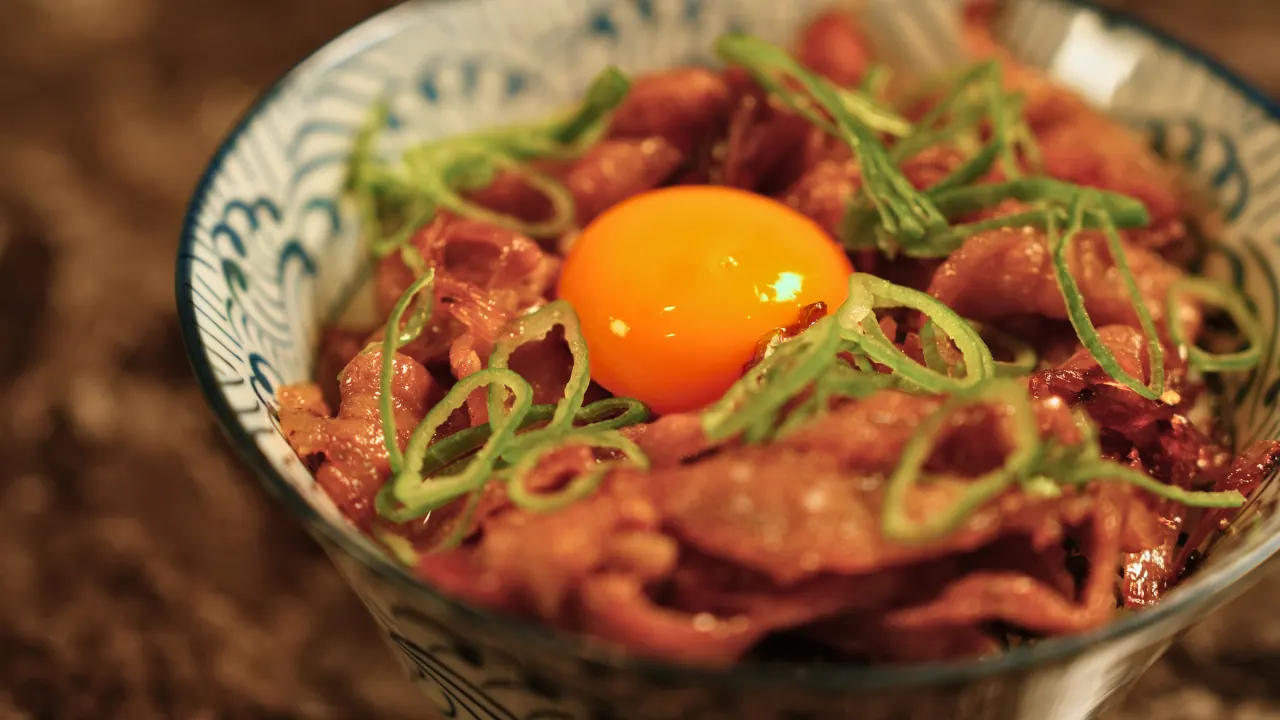
What is Garlic Butadon?
A beloved Japanese comfort food known as garlic butadon, this stamina bowl features generous amounts of garlic with a savory-sweet sauce that's perfect for an energy boost.
This recipe will show you how to make an incredible garlic pork bowl in just 15 minutes. In Japan, this dish is as popular as gyudon (beef bowl), with dedicated restaurants serving it. It's simple, delicious, and definitely worth trying!
Why You'll Love This Recipe
- Ready in 15 minutes - Perfect for busy weeknights
- Energy-boosting - Packed with garlic power
- Aromatic and appetizing - The smell of garlic and soy sauce is irresistible
- Easy and foolproof - Great for beginners
- Restaurant-quality at home - Authentic flavor made simple
Key Points for Success
- Blanch the pork to remove excess fat and odor
- Make garlic chips first
- Add grated garlic at the end to preserve aroma
- Use honey for depth of flavor
- Mix in egg yolk for a creamy finish
Equipment Needed
- Pot (for blanching)
- Large frying pan
- Grater
- Serving bowl
- Ladle
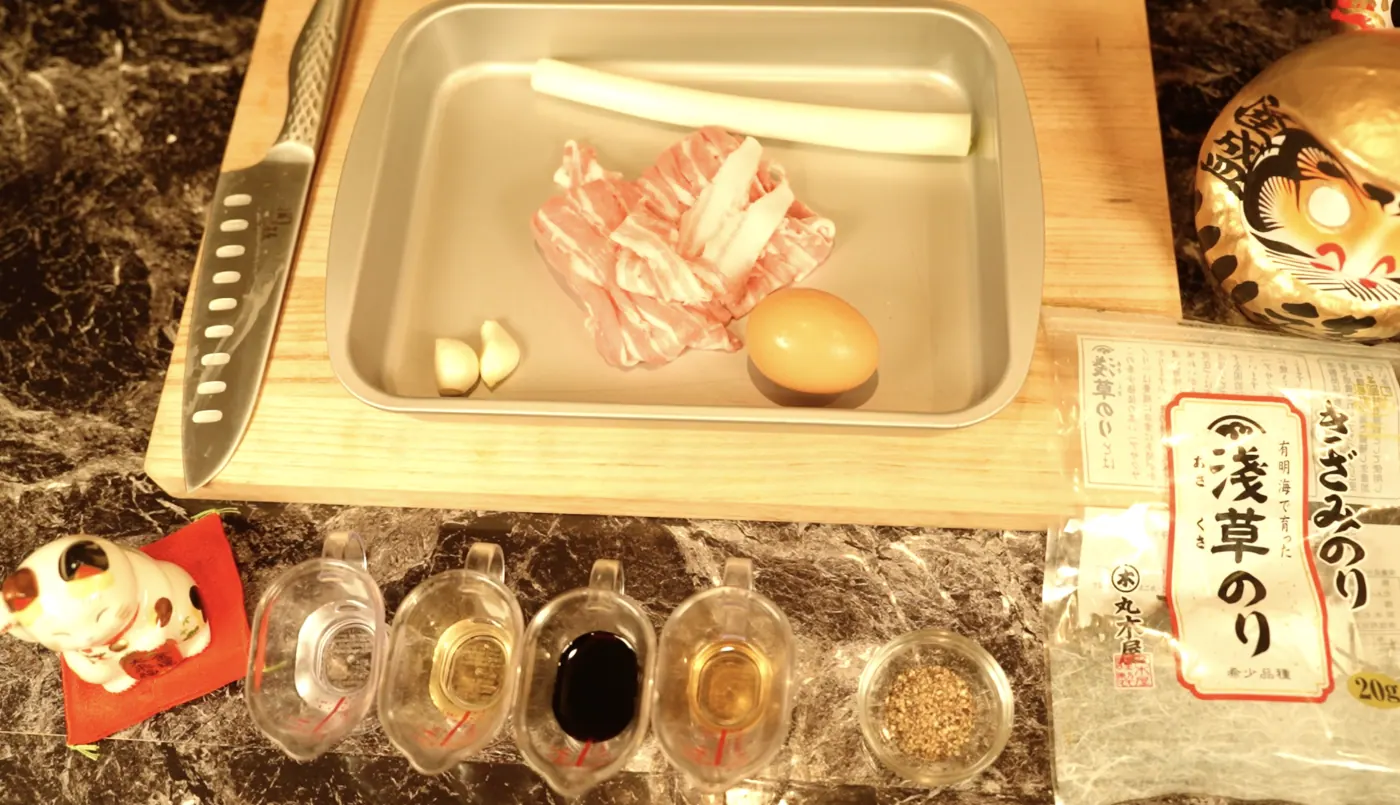
Garlic Butadon Ingredients (1 serving)
16 ingredients · 1 serving
green onion, garlic, pork belly, water, salt, cooking sake, sesame oil, soy sauce, mirin, honey, black pepper, cooked rice, nori seaweed, egg yolk, julienned white part of green onion.
From scratch: how to cook Japanese rice
Full amounts in the recipe cardIngredient Substitutions
- Honey: You can substitute with sugar, but honey provides a better aroma and depth
- Nori seaweed: If unavailable, shredded cabbage works well to cut through the richness of the pork
- Egg yolk: If using raw egg, ensure you use pasteurized eggs. While raw eggs are safe in Japan, this may not be the case in other countries. This is optional and at your own discretion
- Cooking sake: White wine or Japanese sake with around 15% alcohol content can be substituted
Cooking Video
For detailed cooking steps, check out this video. You'll see how to make garlic chips and techniques to maximize garlic aroma throughout the cooking process.

How to Make Garlic Butadon
Prep: Cut the Ingredients
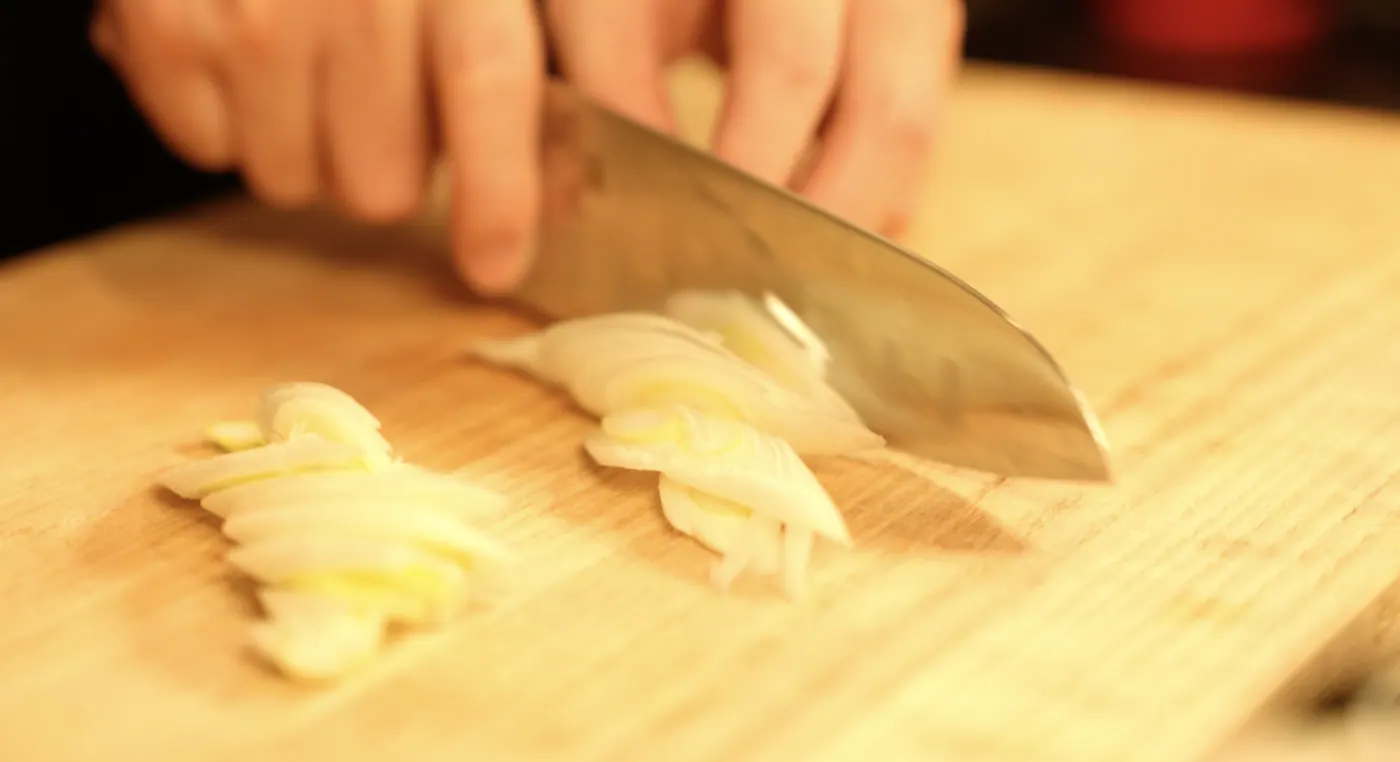
Cut the green onion
Prepare half a green onion (50g) and cut it diagonally.
Cutting diagonally allows the flavors to penetrate better and helps it cook more evenly. Cut pieces like this are perfect.
Prepare the garlic
Prepare 2 cloves of garlic. One will be used for garlic chips, and the other will be grated.
First, thinly slice one clove for the garlic chips. The garlic sprout tends to burn easily, so remove it if you prefer.
Blanching: Remove Excess Fat and Odor
Blanch the pork
Place a pot with plenty of water on the stove and add 2g of salt and 1 tablespoon of cooking sake.
Blanching the pork in salted sake water removes excess fat and unpleasant odors!
Turn the heat to medium and bring to a boil.

Boil the pork
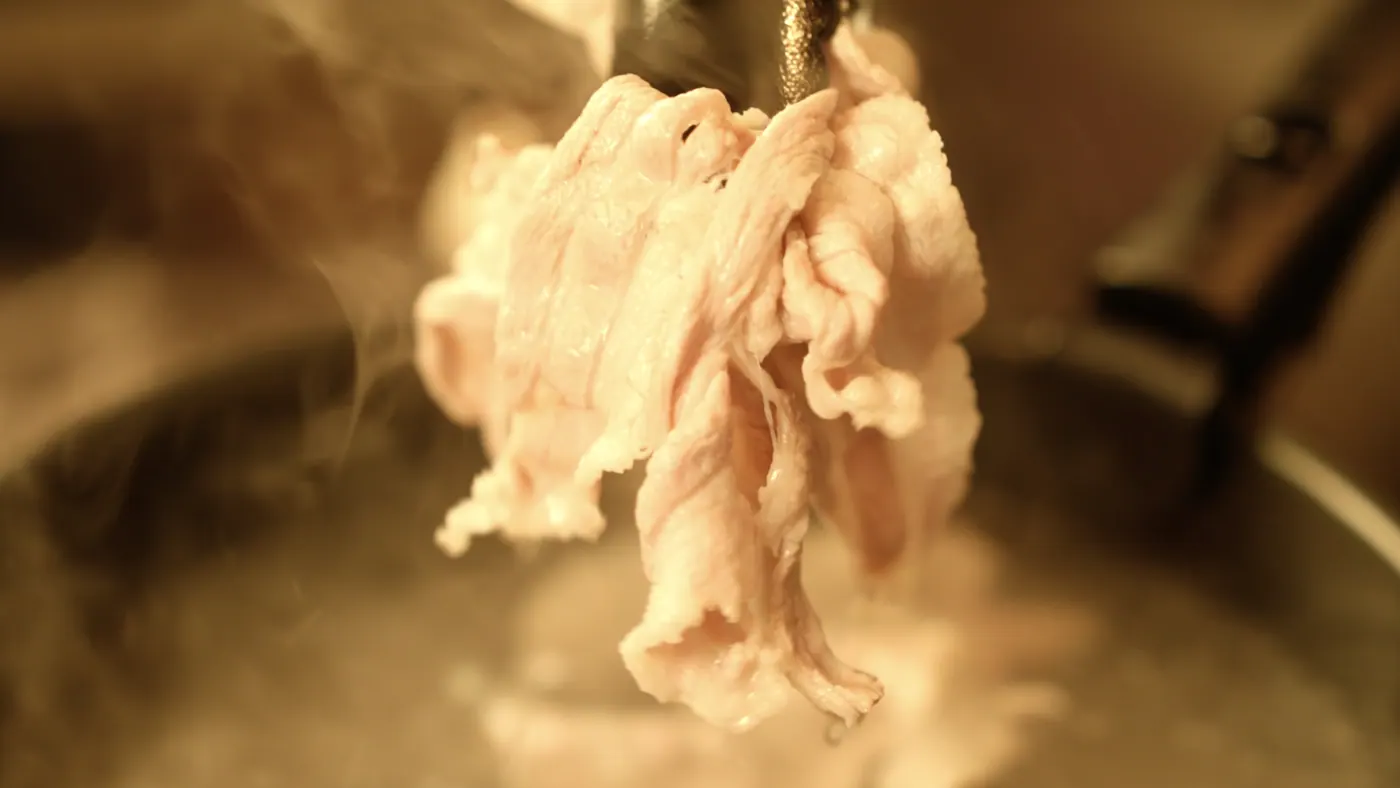
Once the water comes to a rolling boil like this, add 150g of pork belly.
Overboiling will make it tough, so remove it as soon as it turns white like this.
The main purpose is to remove the odor, so a quick 20-second blanch is sufficient!
Why blanch the pork?
Pork belly has a high fat content, and stir-frying it directly can make the dish overly greasy. Blanching removes excess fat, resulting in a lighter finish. It also eliminates any gamey smell, making the pork more enjoyable to eat.
Cooking: Make the Garlic Pork Bowl
Make garlic chips
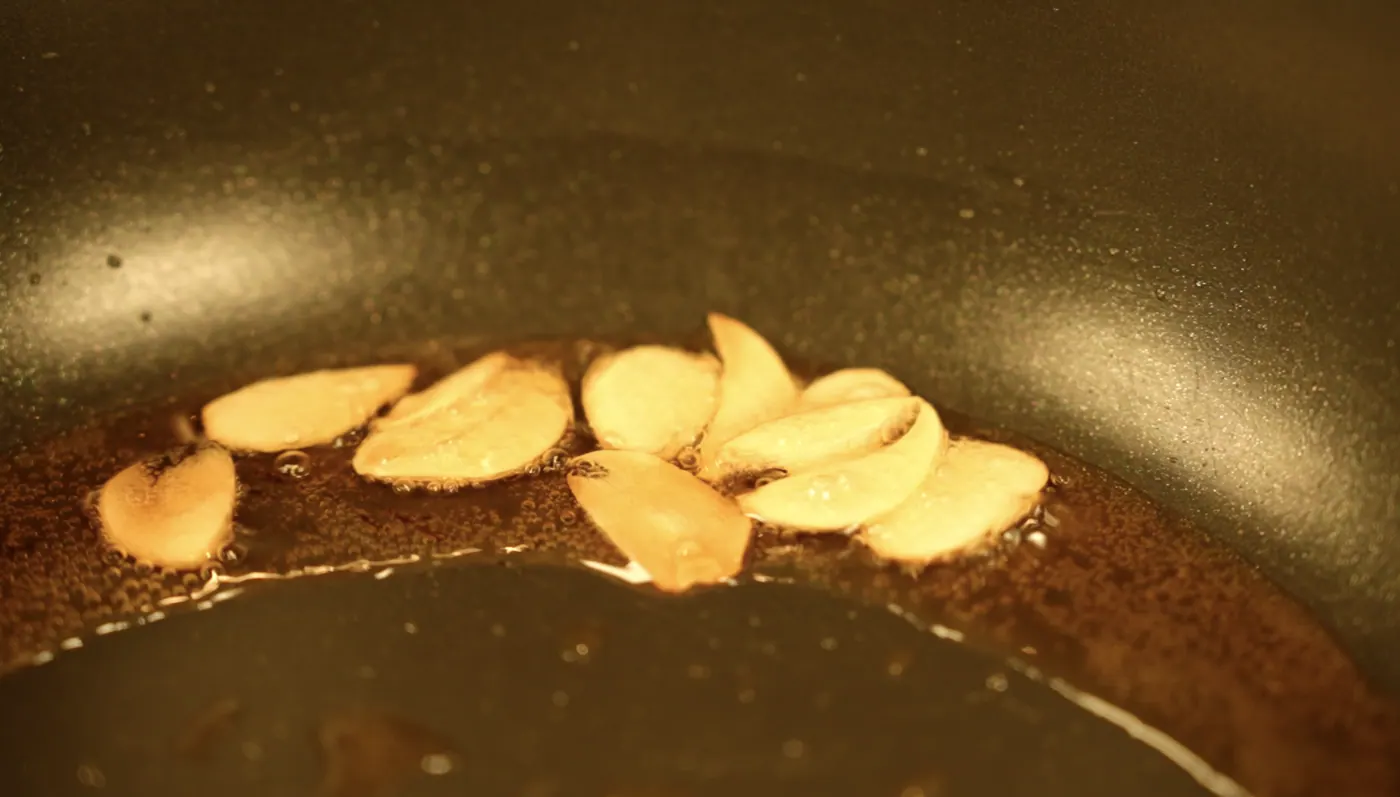
Add 1 tablespoon of sesame oil and the sliced garlic to a frying pan to make garlic chips first.
Since garlic burns easily, be sure to use low heat. Fry the garlic for 1-2 minutes until it turns light golden brown.
Once it's light golden brown, add the green onion! Leave the garlic chips in the pan.
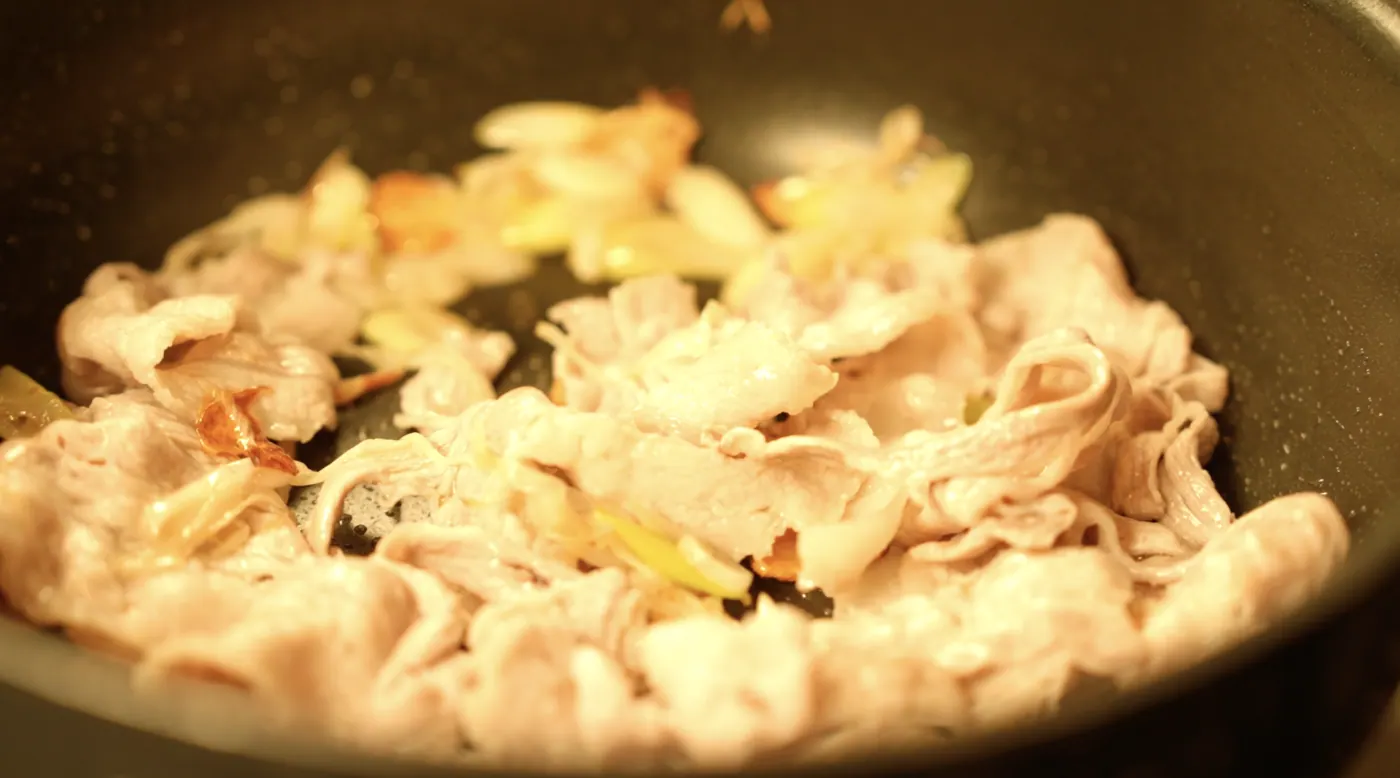
Stir-fry the green onion
Once the green onion softens, add the blanched pork and stir-fry everything together briefly.
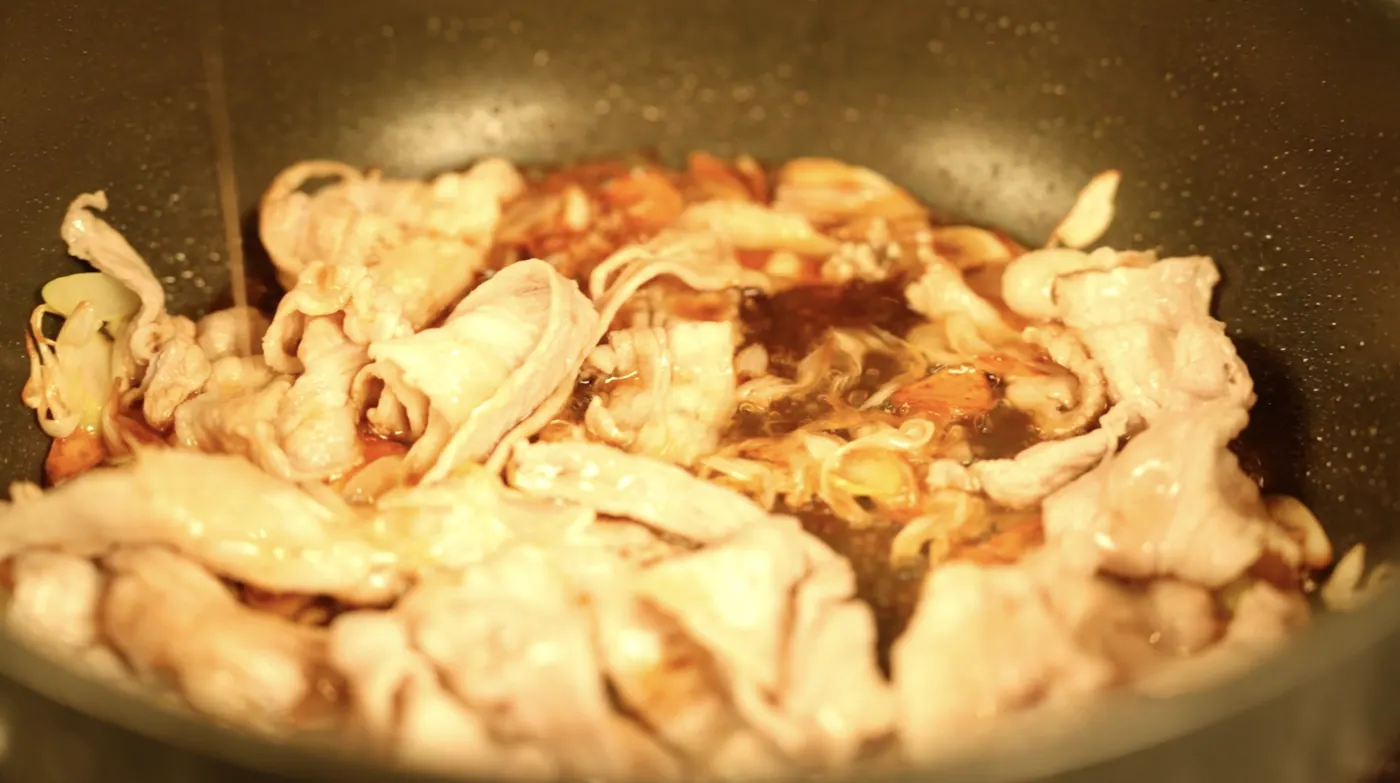
Add the seasonings
After lightly stir-frying the pork, add the seasonings:
- Soy sauce 1 tablespoon
- Mirin 1 tablespoon
- Cooking sake 1 tablespoon
- Honey 1 teaspoon
You can substitute with sugar, but honey creates a better aroma.
Stir well while cooking to distribute the flavors evenly.
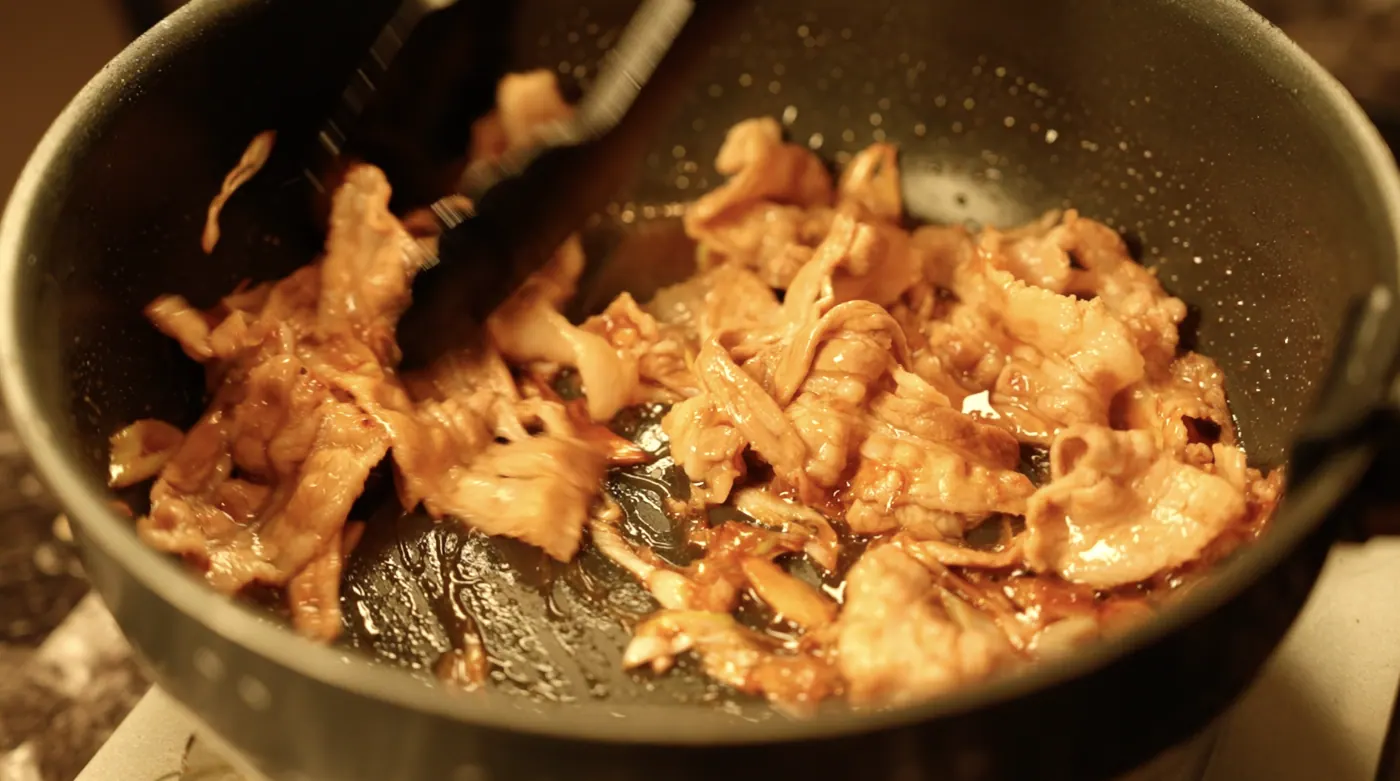
Reduce the sauce
As you continue cooking, the sauce will thicken slightly like this. Once it reaches this consistency, turn off the heat.
Add grated garlic and black pepper
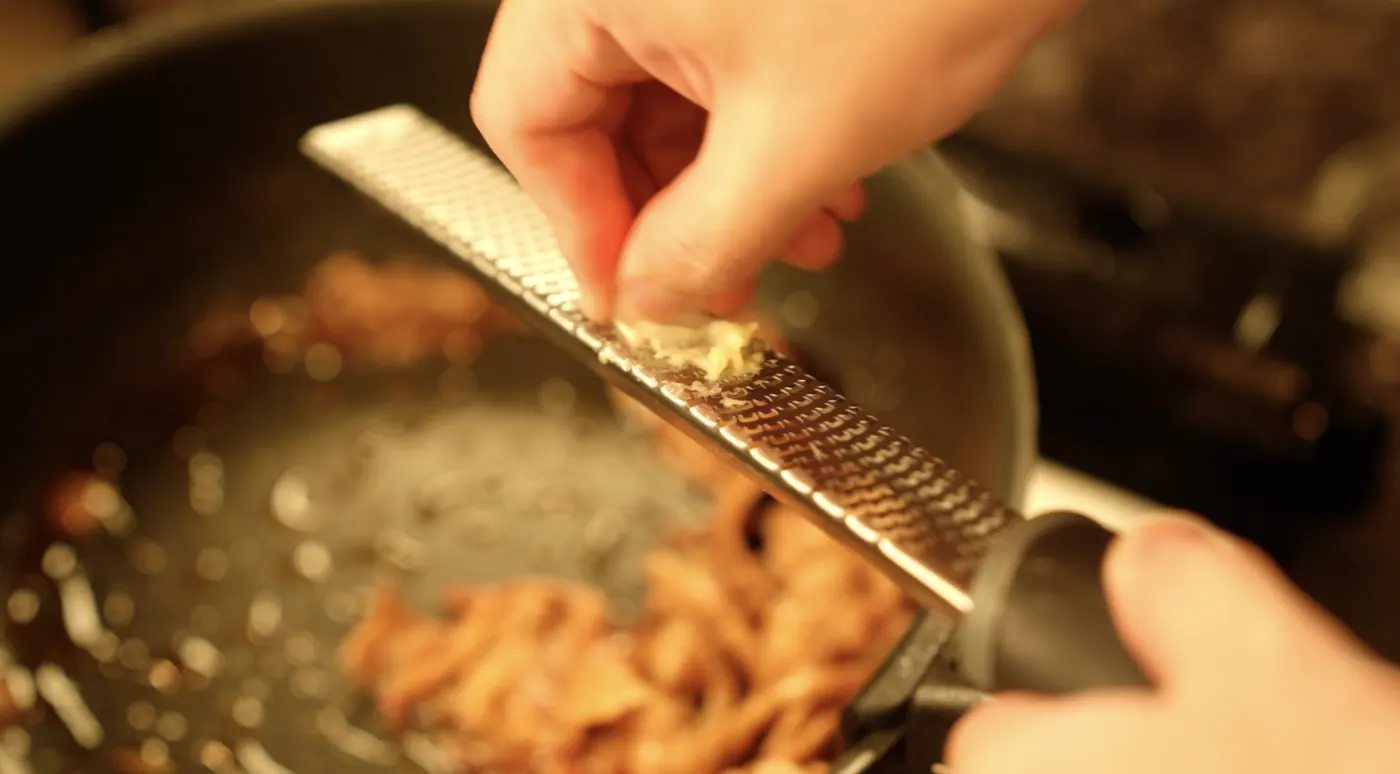
Finally, grate one clove of garlic and add it. Adding it at the end preserves the garlic's aroma perfectly.
Once you've finished grating the garlic, turn the heat back on to low and cook the garlic briefly.
Add 1-2 pinches of black pepper to taste, and you're done!
Why add garlic at the end?
Allicin, the aromatic compound in garlic, evaporates when overheated. By adding it at the end, you maximize the garlic aroma in the finished dish.
Plating: Final Presentation
Assemble the rice and pork
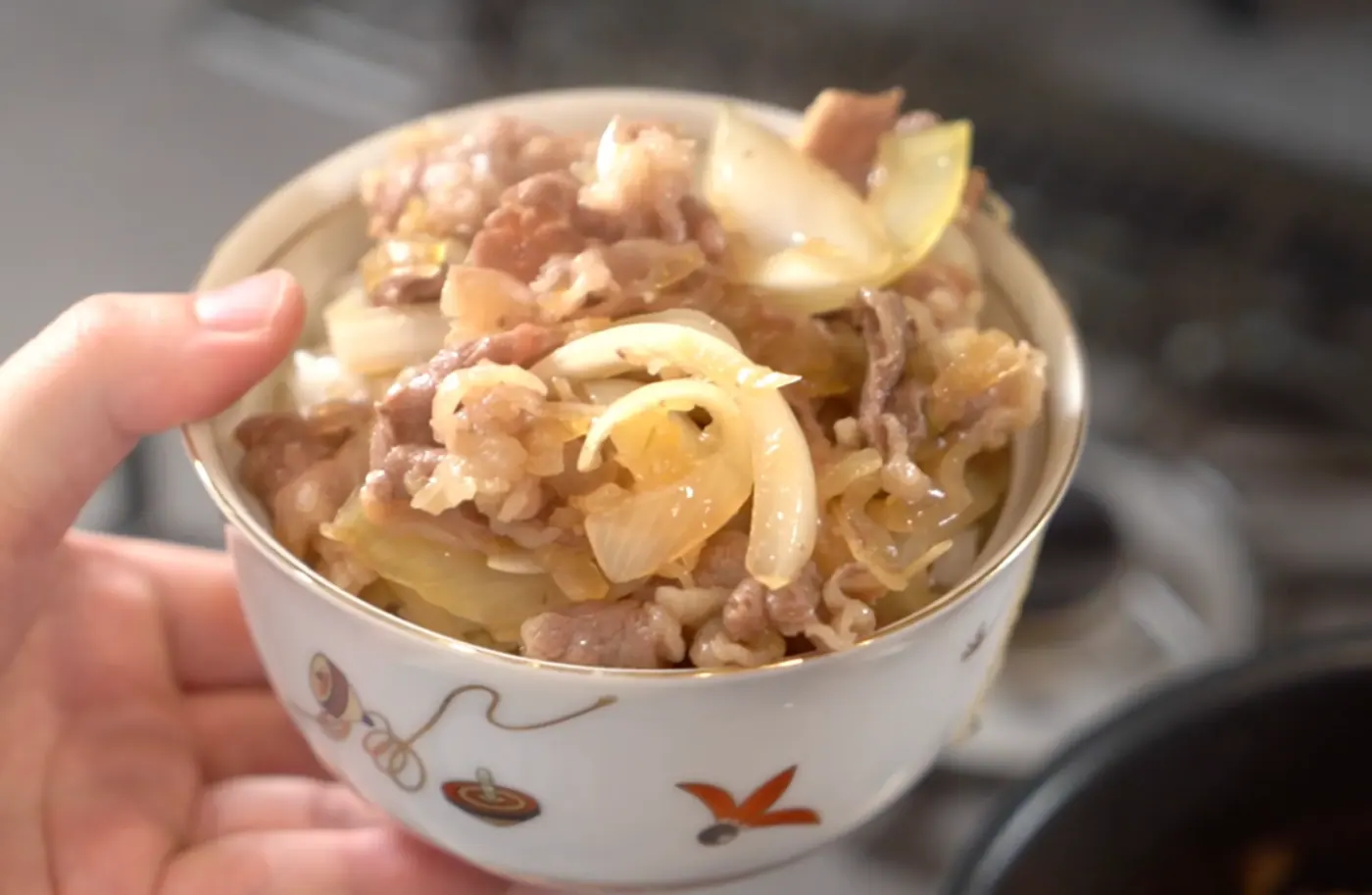
Place 200g of rice in a bowl and top with nori seaweed. The nori helps cut through the richness of the pork, making it easier to eat. If you don't have nori, shredded cabbage is also excellent!
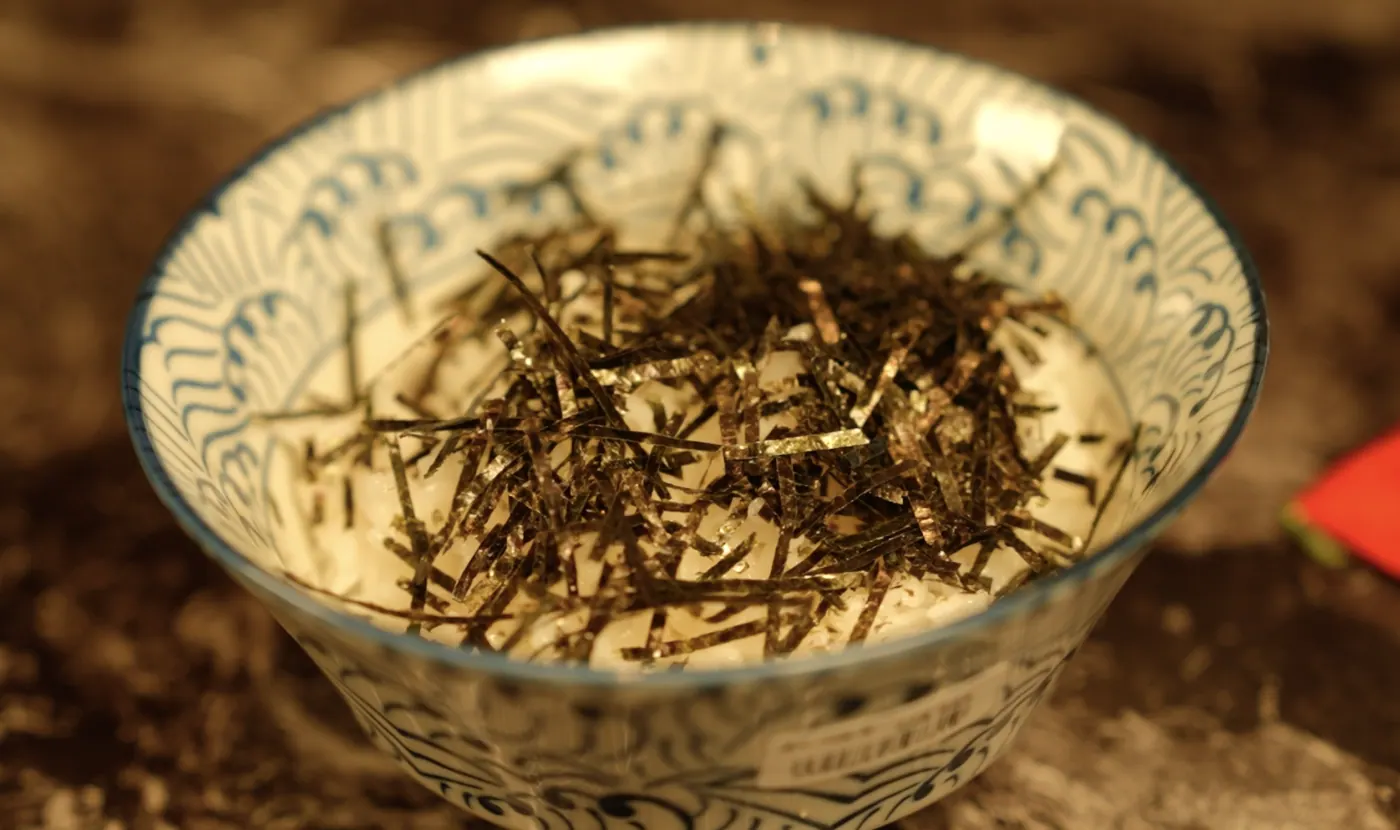
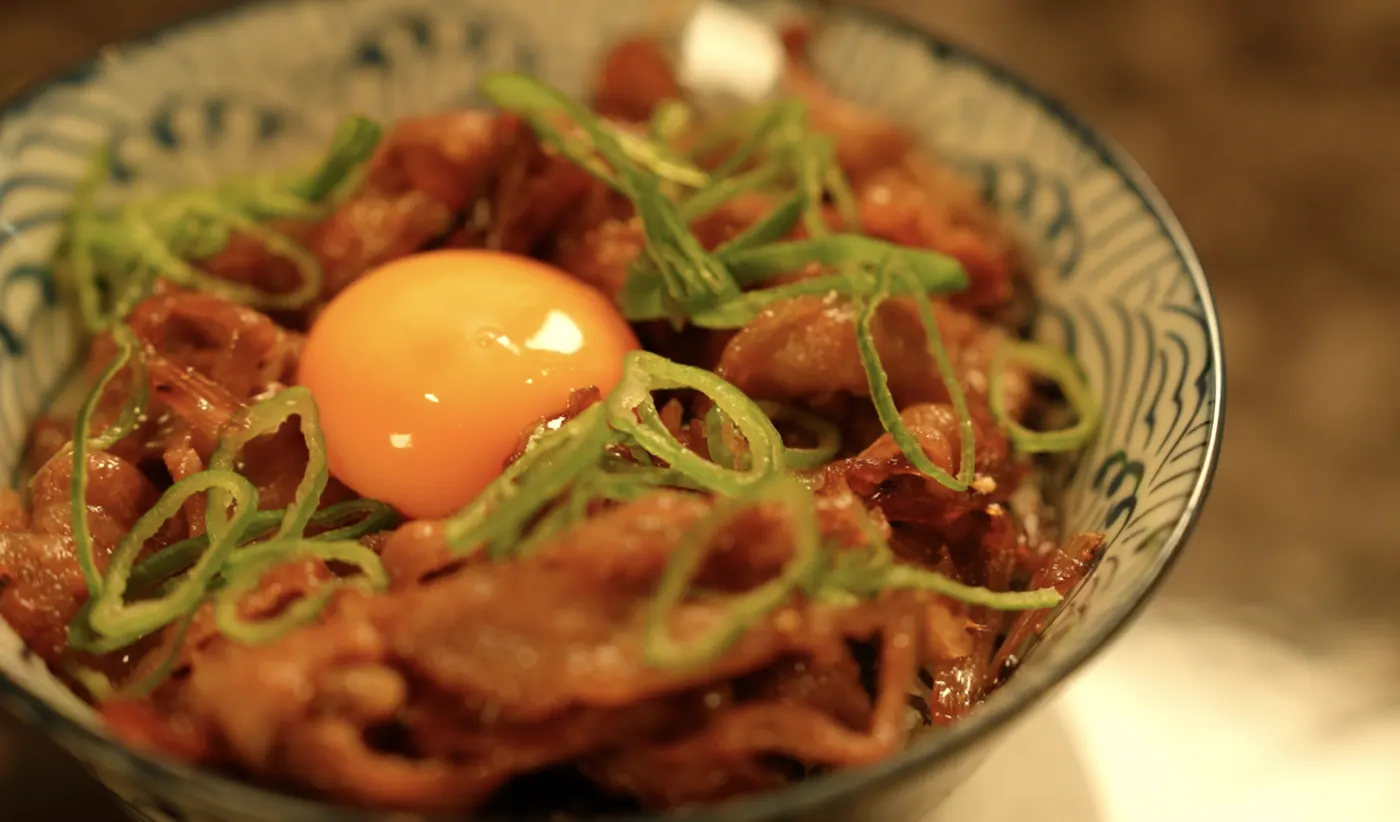
Place all the pork on top of the nori, and you're done!
Add toppings
I recommend topping with an egg yolk if desired. You can also add julienned green onion for color and freshness.
Cooking Tips and Techniques
Key Points for Success
- Blanch the pork: Removes excess fat and odor
- Use low heat for garlic chips: They burn easily
- Add garlic at the end: Preserves maximum aroma
- Use honey: Better aroma than sugar
- Mix in egg yolk: Creates a creamy, mellow finish
The Science of Cooking: The Secret of Garlic Aroma
Allicin, the aromatic compound in garlic, is created when garlic is cut or crushed. However, allicin is highly volatile and dissipates with prolonged heating. By frying garlic chips first and keeping them in the pan, then adding grated garlic at the end, you can enjoy both the texture and aroma of garlic. Additionally, frying in sesame oil transfers the garlic's aromatic compounds into the oil, spreading the flavor throughout the dish.
Common Mistakes and Solutions
- Garlic chips burn: Heat is too high. Always use low heat
- Pork is tough: Over-blanched or over-stir-fried. 20 seconds of blanching is sufficient
- Flavor is bland: Insufficient seasoning. Measure accurately
- Too greasy: Pork wasn't blanched. Always blanch first
How to Store Garlic Butadon
Refrigerator
- Store in an airtight container for 2-3 days
- Reheat in a frying pan or microwave
Freezer
- Portion into servings, wrap in plastic wrap, and store in a ziplock bag for up to 2 weeks
- Reheat in the microwave when ready to eat
Frequently Asked Questions
Is it safe to eat raw egg?
While raw eggs are generally safe in Japan, they may not be safe in other countries. Use pasteurized eggs. This is completely optional and at your own risk.
Can I use sugar instead of honey?
Yes, you can. However, honey provides better aroma and depth to the dish.
What if I don't have nori seaweed?
Shredded cabbage is an excellent substitute. It helps cut through the richness of the pork.
What if I don't have cooking sake?
White wine or Japanese sake with around 15% alcohol content can be substituted.
Can I add more garlic?
Absolutely! If you love garlic, feel free to use 3-4 cloves.
Final Thoughts
Garlic butadon is a simple and delicious dish that comes together quickly. The aromatic garlic and savory-sweet sauce are incredibly appetizing and make rice disappear from your bowl.
The rich soy-based sauce pairs perfectly with rice, creating a flavor you'll crave again and again. The sauce coats the pork belly beautifully, and the creamy egg yolk adds a wonderful finishing touch. It's quick and easy to make, so give it a try!
丼Rice Bowlにんにく豚丼
Garlic Butadon (Japanese Garlic Pork Bowl)
A beloved Japanese comfort food known as garlic butadon, this stamina bowl features generous amounts of garlic with a savory-sweet sauce that's perfect for an energy boost.
No ratings yet
Rate this recipe
- Prep
- 5 min
- Cook
- 10 min
- Total
- 15 min
- Servings
- 1
- Difficulty
- Beginner
Ingredients
Main Ingredients
For Blanching
Seasonings
Rice and Toppings
Ingredient amounts are multiplied; cooking times and pan size may need adjusting.
Instructions
Amounts mentioned in the steps are for the original recipe (1x) — use the scaled amounts above.
Prep: Cut the Ingredients
Cut the green onion
Prepare half a green onion (50g) and cut it diagonally.
Cutting diagonally allows the flavors to penetrate better and helps it cook more evenly.
Prepare the garlic
Prepare 2 cloves of garlic. One will be used for garlic chips, and the other will be grated.
First, thinly slice one clove for the garlic chips. The garlic sprout tends to burn easily, so remove it if you prefer.
Blanching: Remove Excess Fat and Odor
Blanch the pork
Place a pot with plenty of water on the stove and add 2g of salt and 1 tablespoon of cooking sake.
Blanching the pork in salted sake water removes excess fat and unpleasant odors!
Turn the heat to medium and bring to a boil.
Boil the pork
Once the water comes to a rolling boil, add 150g of pork belly.
Overboiling will make it tough, so remove it as soon as it turns white.
The main purpose is to remove the odor, so a quick 20-second blanch is sufficient!
Cooking: Make the Garlic Pork Bowl
Make garlic chips
Add 1 tablespoon of sesame oil and the sliced garlic to a frying pan to make garlic chips first.
Since garlic burns easily, be sure to use low heat. Fry the garlic for 1-2 minutes until it turns light golden brown.
Once it's light golden brown, add the green onion! Leave the garlic chips in the pan.
Stir-fry the green onion
Once the green onion softens, add the blanched pork and stir-fry everything together briefly.
Add the seasonings
After lightly stir-frying the pork, add the seasonings:
- Soy sauce 1 tablespoon
- Mirin 1 tablespoon
- Cooking sake 1 tablespoon
- Honey 1 teaspoon
You can substitute with sugar, but honey creates a better aroma.
Stir well while cooking to distribute the flavors evenly.
Reduce the sauce
As you continue cooking, the sauce will thicken slightly. Once it thickens, turn off the heat.
Add grated garlic and black pepper
Finally, grate one clove of garlic and add it. Adding it at the end preserves the garlic's aroma perfectly.
Once you've finished grating the garlic, turn the heat back on to low and cook the garlic briefly.
Add 1-2 pinches of black pepper to taste, and you're done!
Plating: Final Presentation
Assemble the rice and pork
Place 200g of rice in a bowl and top with nori seaweed. The nori helps cut through the richness of the pork, making it easier to eat. If you don't have nori, shredded cabbage is also excellent!
Place all the pork on top of the nori, and you're done!
Add toppings
I recommend topping with an egg yolk if desired. You can also add julienned green onion for color and freshness.
Video
Watch the video · 4:43Open on YouTube
Jump to a part of the video (7 chapters)
Video: https://youtu.be/dj8CFRSl3YA
Notes
Substitutions
- Honey: You can substitute with sugar, but honey provides a better aroma and depth
- Nori seaweed: If unavailable, shredded cabbage works well to cut through the richness of the pork
- Egg yolk: If using raw egg, ensure you use pasteurized eggs. While raw eggs are safe in Japan, this may not be the case in other countries. This is optional and at your own discretion
- Cooking sake: White wine or Japanese sake with around 15% alcohol content can be substituted
To store
- Store in an airtight container for 2-3 days
- Reheat in a frying pan or microwave
- Portion into servings, wrap in plastic wrap, and store in a ziplock bag for up to 2 weeks
- Reheat in the microwave when ready to eat
Nutrition estimated, per serving
- Calories
- 1,125 kcal
- Carbohydrates
- 97.3 g
- Protein
- 32.1 g
- Fat
- 71.4 g
- Saturated fat
- 25.4 g
- Fiber
- 4.9 g
- Sugar
- 12.9 g
- Sodium
- 1,244 mg
Estimated by us from the Standard Tables of Food Composition in Japan (MEXT, 2020). Optional ingredients and garnishes are not counted; soup and sauce are counted as fully eaten. Actual values depend on your brands and portion sizes. How we calculate this
Course: Rice Bowl · Cuisine: Japanese · Keyword: Garlic Butadon
Recipe from Japanese Cooking Ichie — https://japanesecookingichie.com/recipes/garlic-butadon/
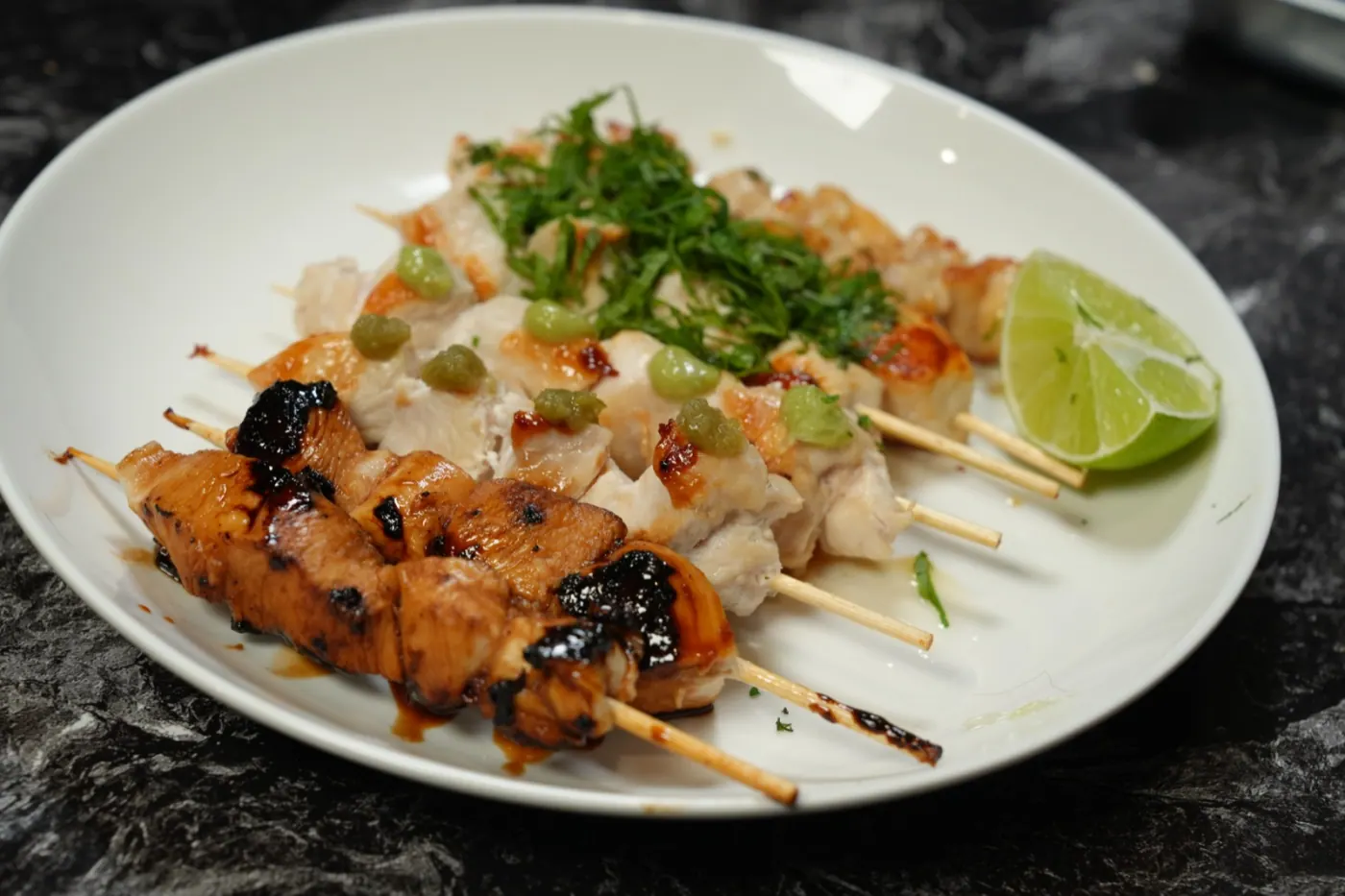
Make it a meal
Add a side dish to round out the table.

Ratings & comments
No ratings yet — be the first to rate this recipe.
Comments