What Is Soy Sauce?
Soy sauce starts as a mash of cooked soybeans and roasted wheat grown with koji mold, mixed with salt water and left to ferment for months. The mash is then pressed to give a dark, fragrant liquid.
In Japanese cooking it does more than add salt. It brings savory depth, aroma and color, and ties sweet seasonings like mirin and sugar together. When a Japanese recipe just says soy sauce, it means the regular dark kind, koikuchi.
What Does Soy Sauce Taste Like?
Good brewed soy sauce tastes salty first, then savory and slightly sweet, with a roasted, almost malty aroma from the wheat. Brands vary, so taste a drop before you season a whole pot.
Types of Japanese Soy Sauce and How to Read the Label
Japan's soy sauce standard sorts it into five types, and reduced-salt versions are sold alongside them. You only need the first one for almost every recipe on this site.
- Koikuchi (濃口, dark): the all-purpose soy sauce, around 80% of Japanese production. Use it for cooking and at the table.
- Usukuchi (淡口 or 薄口, light color): lighter in color and aroma but about 10% saltier than koikuchi. "Light" refers to the color, not the salt. It is used where you want food to keep its natural color, such as clear simmered dishes.
- Tamari (たまり): made mostly from soybeans, thick and rich, and turns reddish when heated. Popular for sashimi, sushi and grilling.
- Saishikomi (再仕込み, twice-brewed): dense and dark, usually served at the table with sashimi, sushi or chilled tofu.
- Shiro (白, white): a very pale amber, lighter than usukuchi, used for clear soups and steamed egg custard.
- Gen-en (減塩, reduced salt): a lower-sodium version, usually of koikuchi. It keeps the flavor but has less salt as a preservative, so treat it more carefully once opened.
How to Use Soy Sauce
- Simmer with sugar and mirin. This trio is the base of most Japanese rice bowls and glazes, such as our Gyudon, Oyakodon and Teriyaki Sauce.
- Add it after the sugar. In the traditional seasoning order (sa-shi-su-se-so), sugar goes in early and soy sauce later, partly so its aroma is not cooked away.
- Make a dipping sauce. Mix it with citrus juice, vinegar and kombu for our Ponzu.
- Dress vegetables. It seasons quick cucumber dishes such as our Mugen Kyuri.
Where to Buy Japanese Soy Sauce
Most supermarkets sell a Japanese brewed soy sauce such as Kikkoman or Yamasa in the international aisle; Asian grocers also carry usukuchi, tamari and reduced-salt bottles. Look for naturally brewed on the label, or 本醸造 (honjozo, traditionally brewed) on Japanese bottles.
Soy Sauce Substitutes
- Tamari is the closest swap and often has little or no wheat. Many brands sell a certified gluten-free tamari; check the label, because not every tamari is wheat-free.
- Usukuchi can replace koikuchi and the other way round. Because usukuchi is saltier, start with a little less and taste.
- Chinese light soy sauce works in a pinch, but the flavor is different and some are saltier. Add it a little at a time.
- There is no soy-free substitute that tastes the same.
How to Store Soy Sauce
Regular soy sauce has enough salt to be safe at room temperature after opening, but air slowly dulls its flavor. Kikkoman recommends the fridge after opening and using it within about a month for the best taste. Close the cap tightly. Reduced-salt soy sauce should be refrigerated once opened.
Soy Sauce and Food Allergies
Soy sauce contains soy, and regular soy sauce also contains wheat. For a wheat or gluten allergy, use a tamari or soy sauce labeled gluten-free.
Recipes using Soy sauce
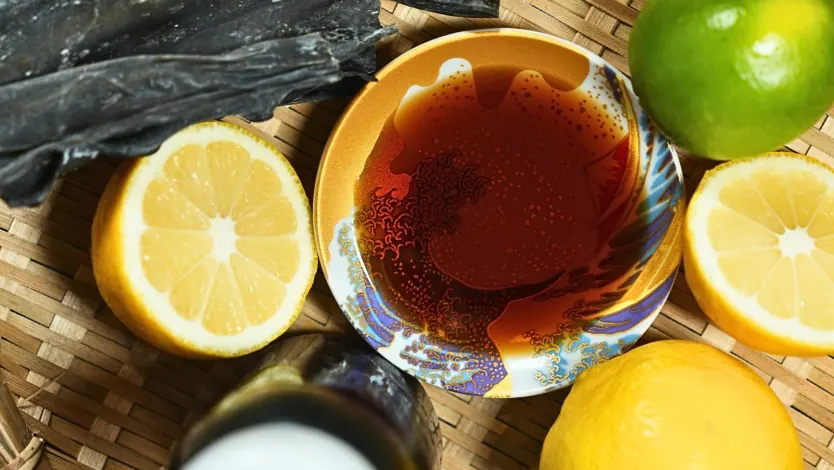
Sauces & Condimentsポン酢
Ponzu
Japanese Citrus Soy Sauce
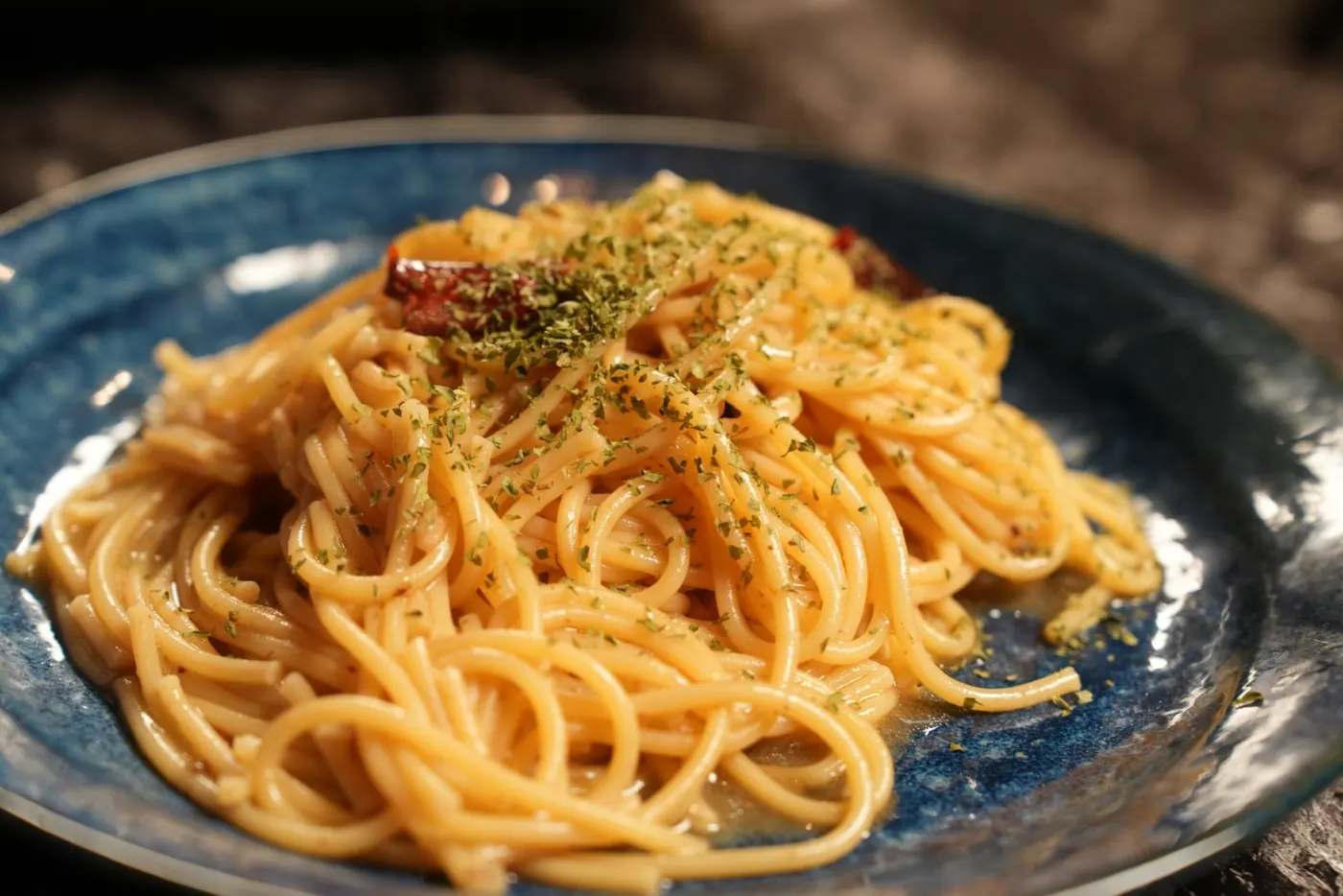
Noodles和風ペペロンチーノ
Japanese-Style Peperoncino
Wafu Pasta with Soy Sauce
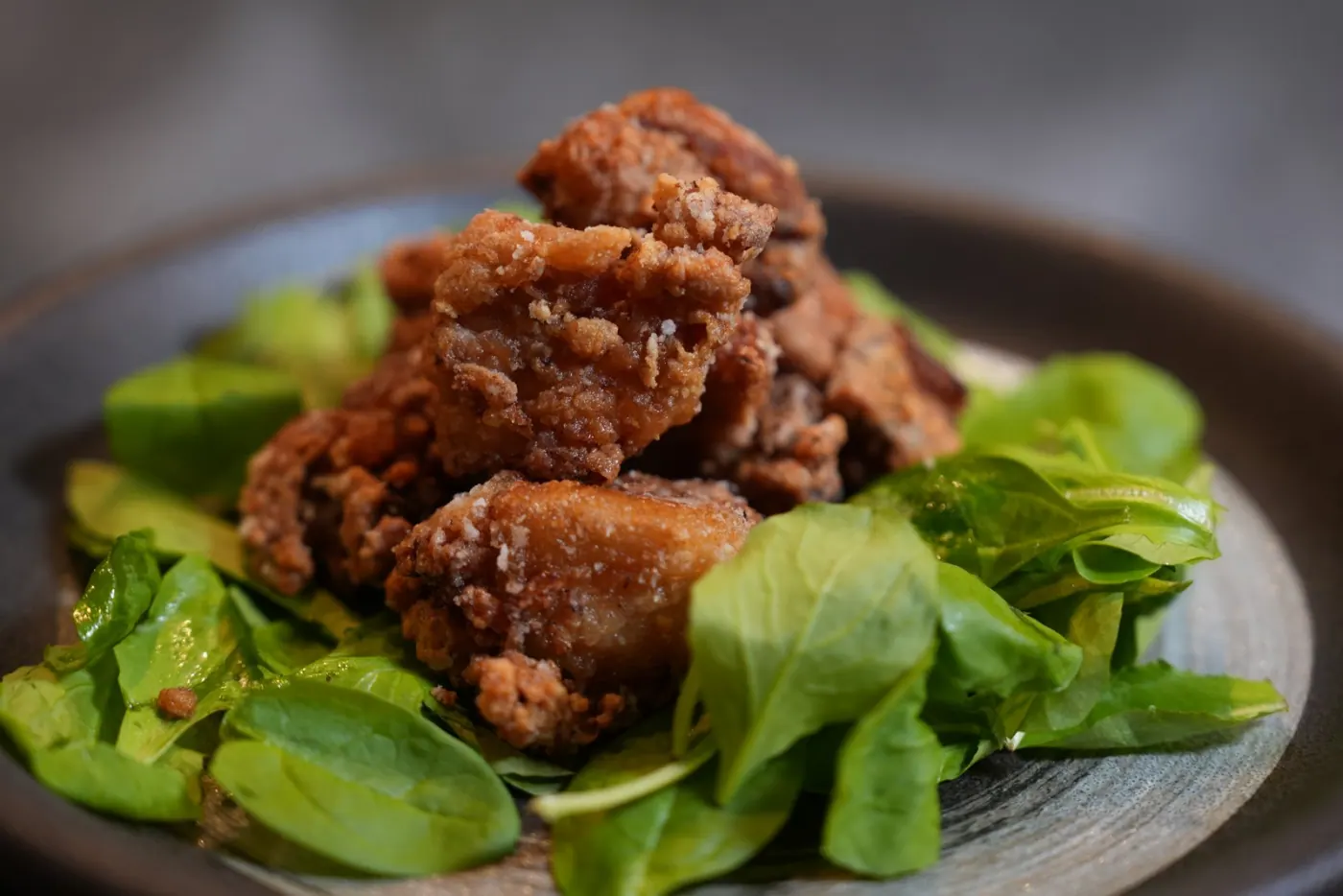
Main Dish鶏の唐揚げ
Karaage
Japanese Fried Chicken
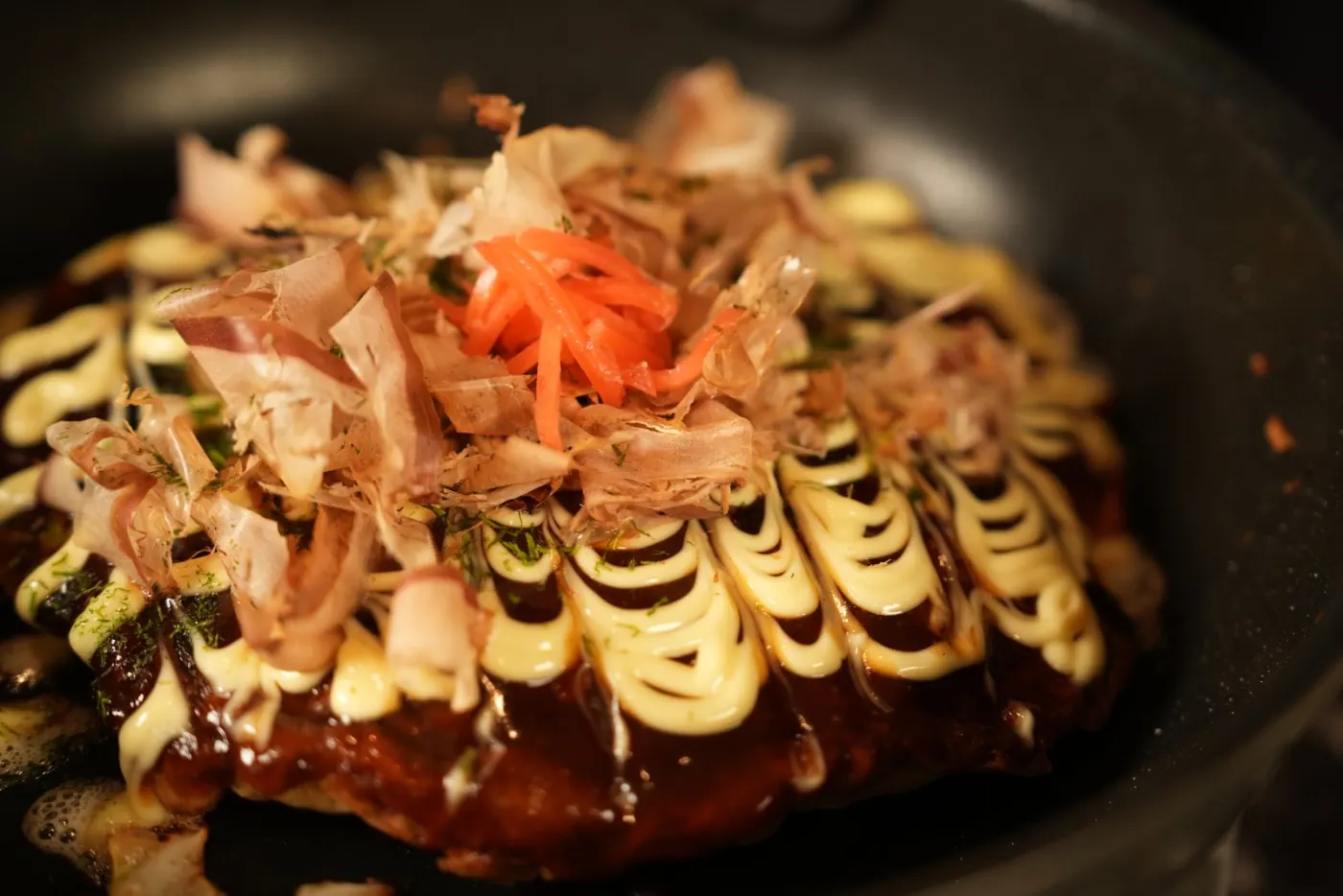
Main Dishお好み焼き
Okonomiyaki
Osaka-Style Japanese Savory Pancake
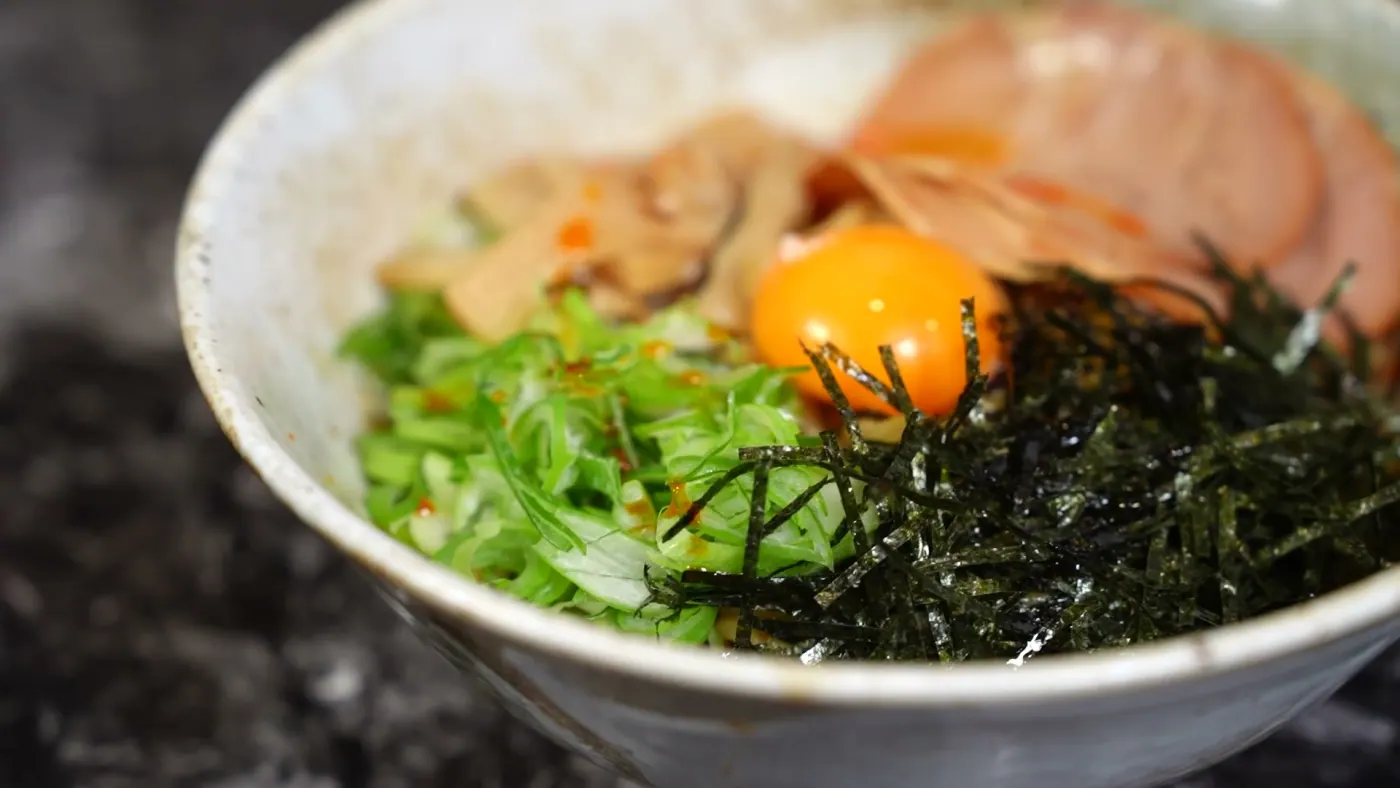
Noodles油そば
Abura Soba
Japanese Soupless Ramen
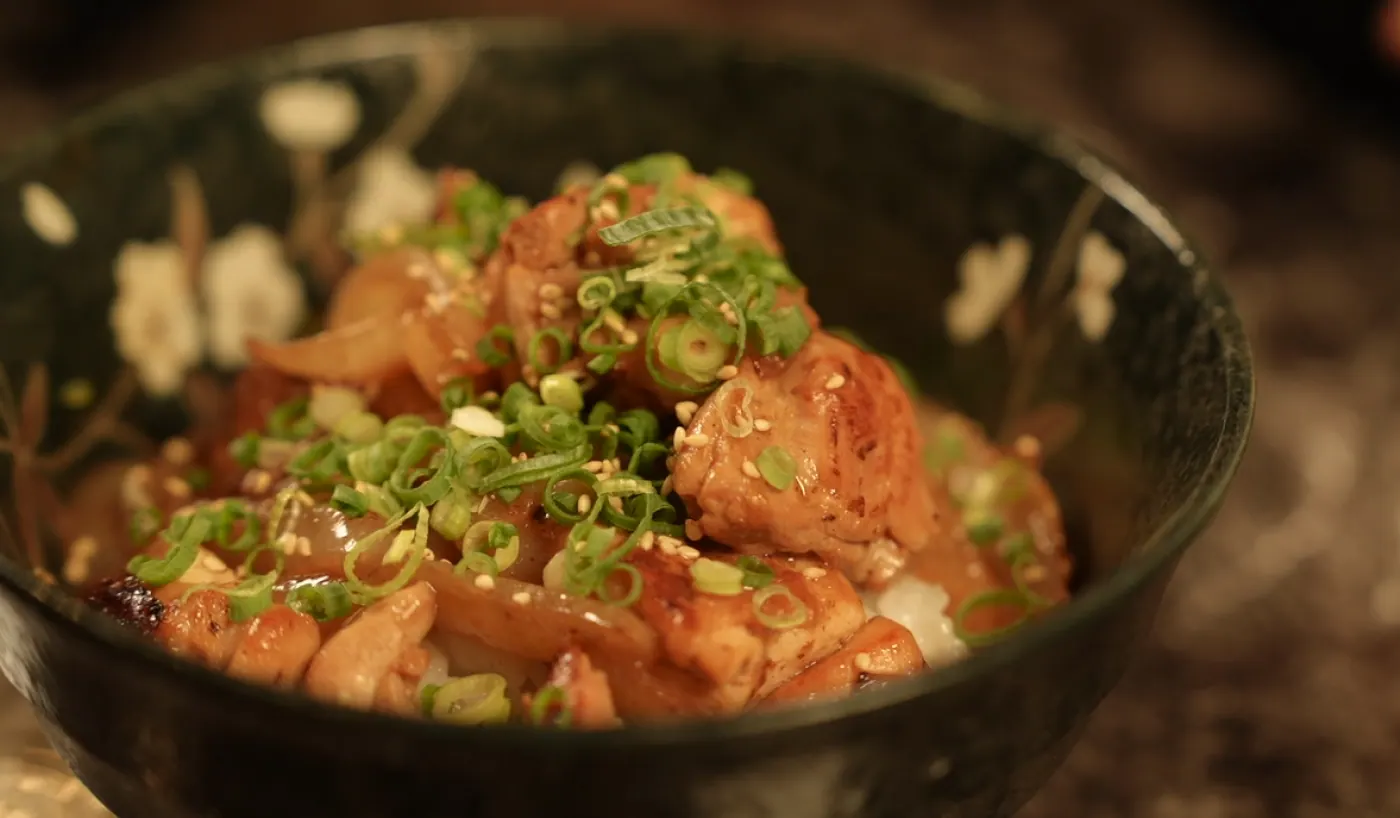
Rice Bowl鶏丼
Chicken Don
Japanese Chicken Donburi Rice Bowl
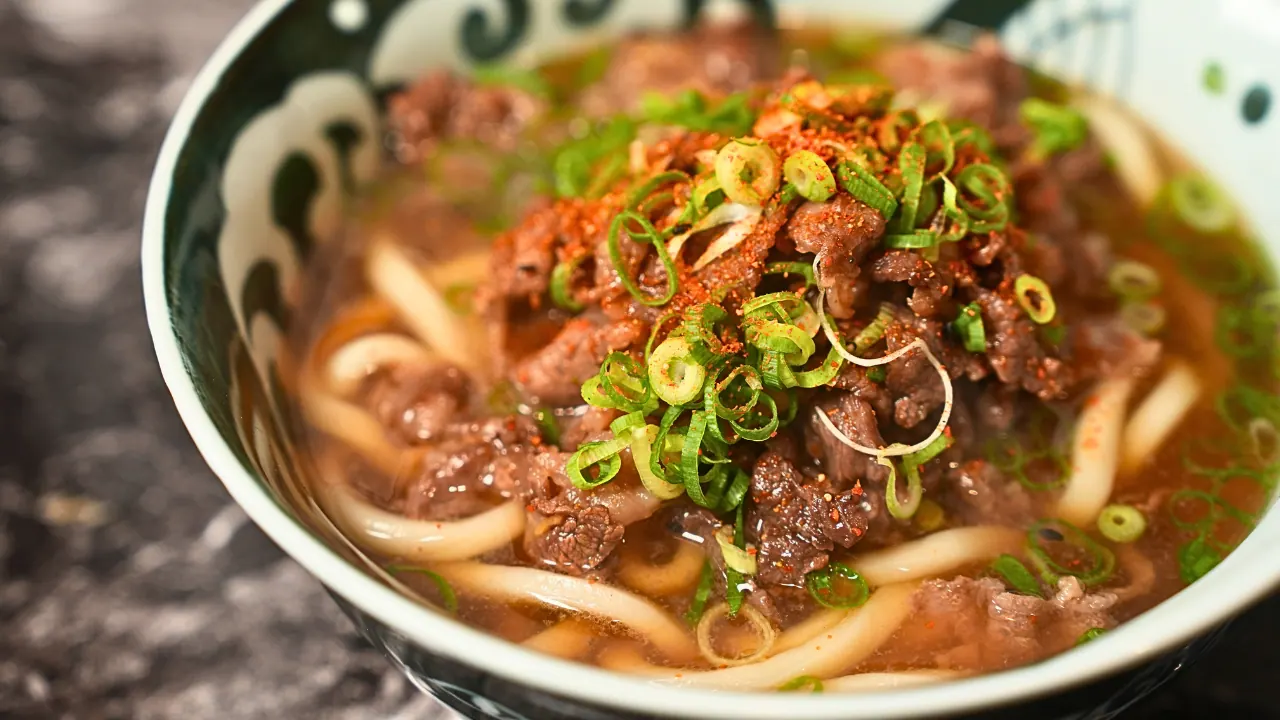
Noodles肉うどん
Niku Udon
Beef Udon Noodles
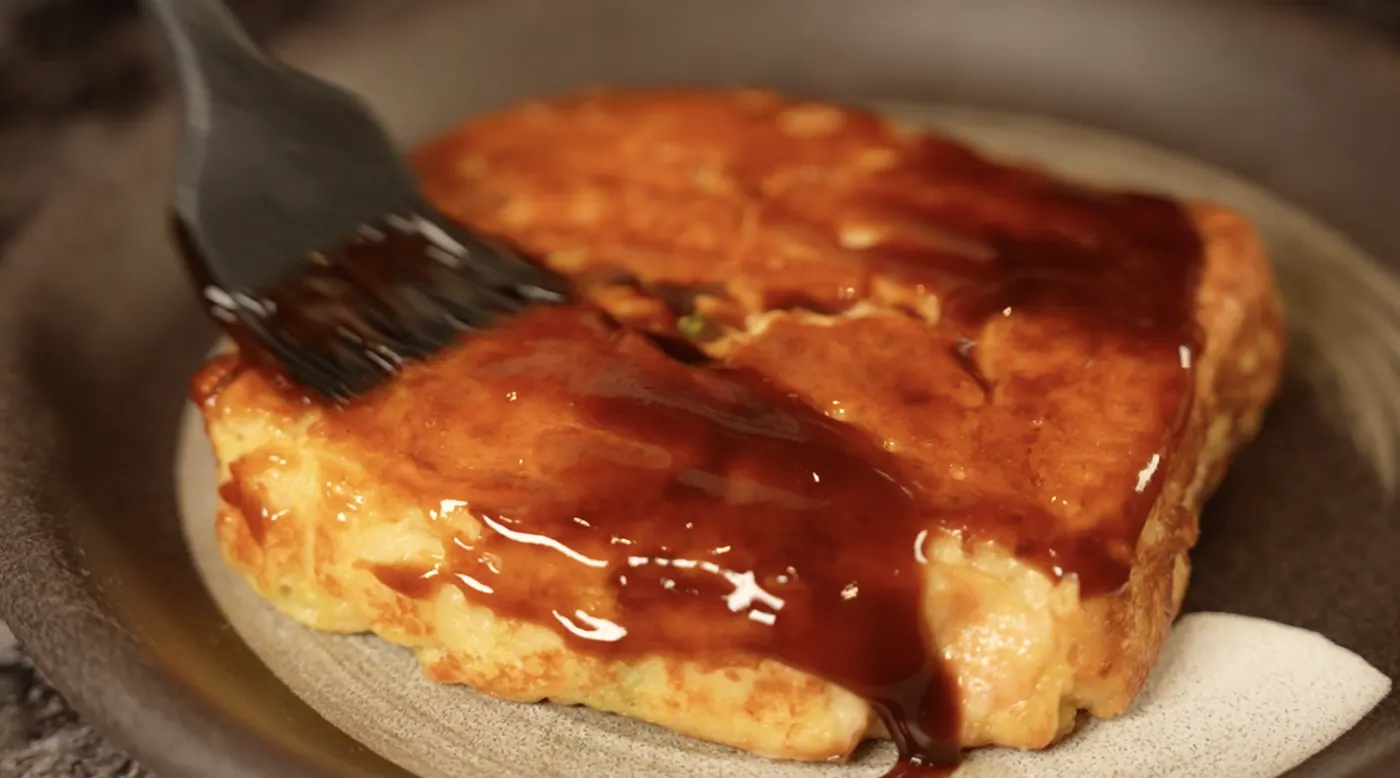
Sauces & Condimentsお好み焼きソース
Okonomiyaki Sauce
Frequently asked questions
Is Japanese soy sauce gluten-free?
No. Regular Japanese soy sauce is brewed with wheat. Some tamari and specially labeled soy sauces are made without wheat and sold as gluten-free, so check the label.
Does soy sauce need to be refrigerated after opening?
It is not required for safety, but the fridge keeps the flavor fresh longer. Reduced-salt soy sauce should be refrigerated once opened.
What is the difference between light and dark Japanese soy sauce?
Japanese light soy sauce (usukuchi) is lighter in color but saltier than dark (koikuchi). Dark is the everyday all-purpose one; light is used when you want food to keep a pale color.