What Is Shoga?
Shoga (生姜) is simply the Japanese word for ginger, the same root you find in any supermarket. What sets Japanese cooking apart is how often it is used fresh and in small amounts, as a supporting flavor rather than the star. It shows up in simmered dishes, marinades, dipping sauces and as a garnish on cold noodles, sashimi and tofu.
It is a classic partner for pork, beef, chicken and oily fish. Cooked with them, it cuts through richness and masks gamey or fishy smells, which is why recipes for braised pork and simmered fish so often start with a few slices of ginger.
What Does Fresh Ginger Taste Like?
Raw ginger is sharp, warm and a little citrusy. Grated raw, it is the most pungent. Cooked, it mellows and turns sweeter and more aromatic. How you cut it changes the result: fine gratings melt into a sauce, while thin strips keep some bite.
How to Cut Ginger for Japanese Recipes
- Grated: use a fine grater. Grated ginger goes into marinades and sauces and is served as a topping, as on our Agedashi Tofu and in our Tsukune.
- Julienned (thin matchsticks): slice thinly, stack the slices and cut them into fine strips. Our Gyudon and Niku Udon use julienned ginger.
- Sliced: thin coins are added to simmering liquids to remove meaty smells, as when blanching pork for our Kakuni.
- Ginger juice: grate the ginger, then squeeze the pulp by hand. The juice gives flavor without fibers.
- Peeling: the skin is thin and full of flavor. Scrape off any dirt with the edge of a spoon, or leave the skin on when the ginger will be strained out.
How to Use Ginger
The best-known Japanese ginger dish is Shogayaki, ginger pork, where the name itself means grilled with ginger. Ginger also seasons Yasai Itame and Miso Ramen, and it is served with sushi, sashimi and cold noodles such as somen.
Pickled Ginger: Gari and Beni Shoga
- Gari: thin slices of young ginger pickled in sweet vinegar. It is pale pink, sweet and sharp, and served with sushi to refresh your palate between pieces.
- Beni shoga: red strips of ginger pickled in plum vinegar (umezu), which gets its color from red shiso; some brands use food coloring. It is salty and sour, and goes on top of gyudon, yakisoba and okonomiyaki.
How to Choose Ginger
Look for firm, heavy pieces with smooth, tight skin and no soft or moldy spots. Wrinkled skin means the ginger is drying out. Asian grocers also sell grated ginger in tubes, which is handy when you need only a little.
Ginger Substitutes
- Tube ginger paste is the closest swap. It is a bit less fresh-tasting and often contains salt, so taste before adding more seasoning.
- Ground dried ginger is not a good swap in Japanese recipes. It tastes earthy and dusty rather than bright. Use fresh ginger or the paste if you can.
How to Store Ginger
Refrigerator: put the unpeeled ginger in a container, cover it with water and refrigerate, changing the water every two to three days. A cut piece will keep for around a month this way.
Freezer: wrap the ginger tightly and freeze it. There's no need to thaw: grate it straight from the freezer. You can also grate it first and freeze it in small flat portions so you can break off what you need.
Recipes using Fresh ginger
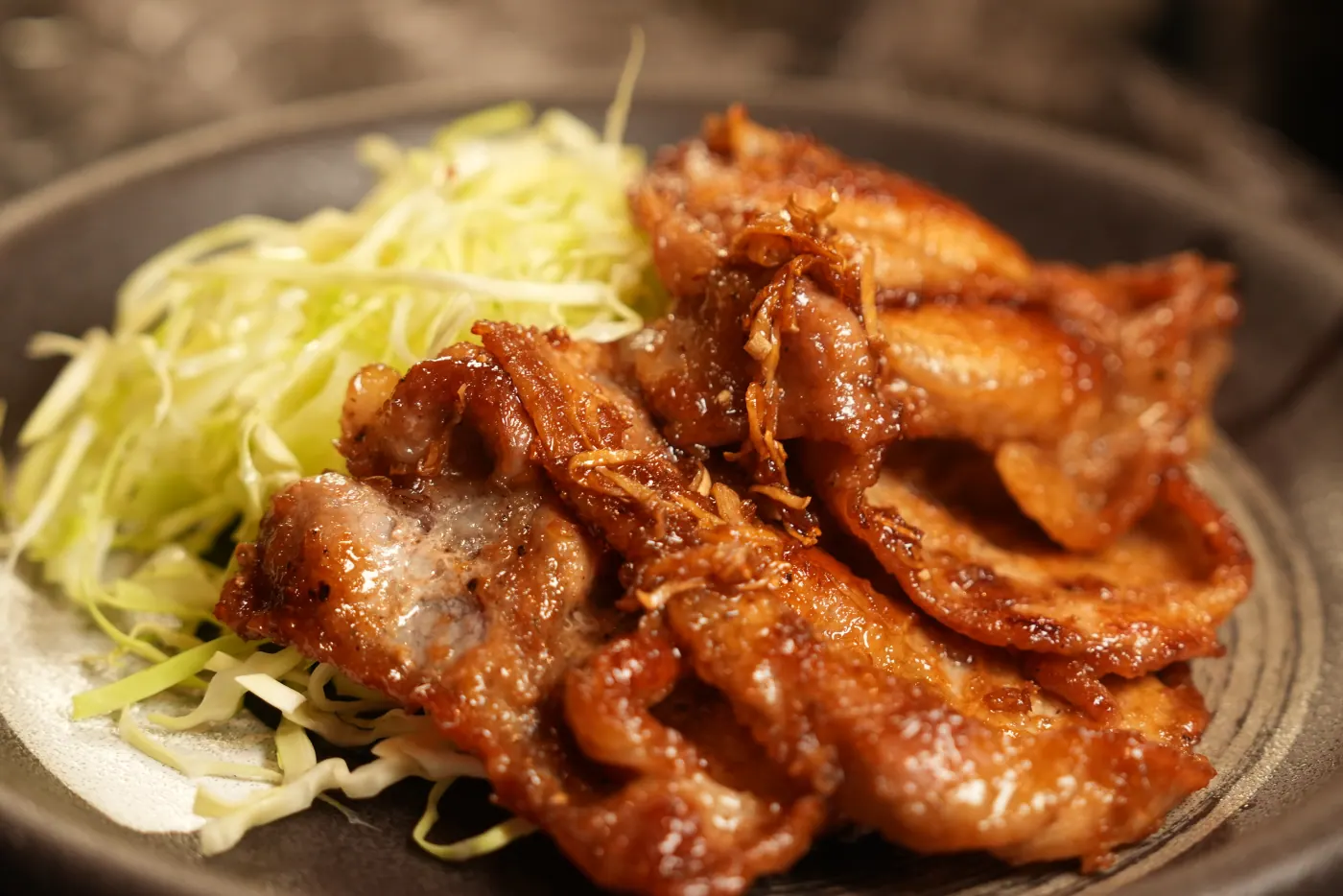
Main Dish豚の生姜焼き
Shogayaki
Ginger Pork
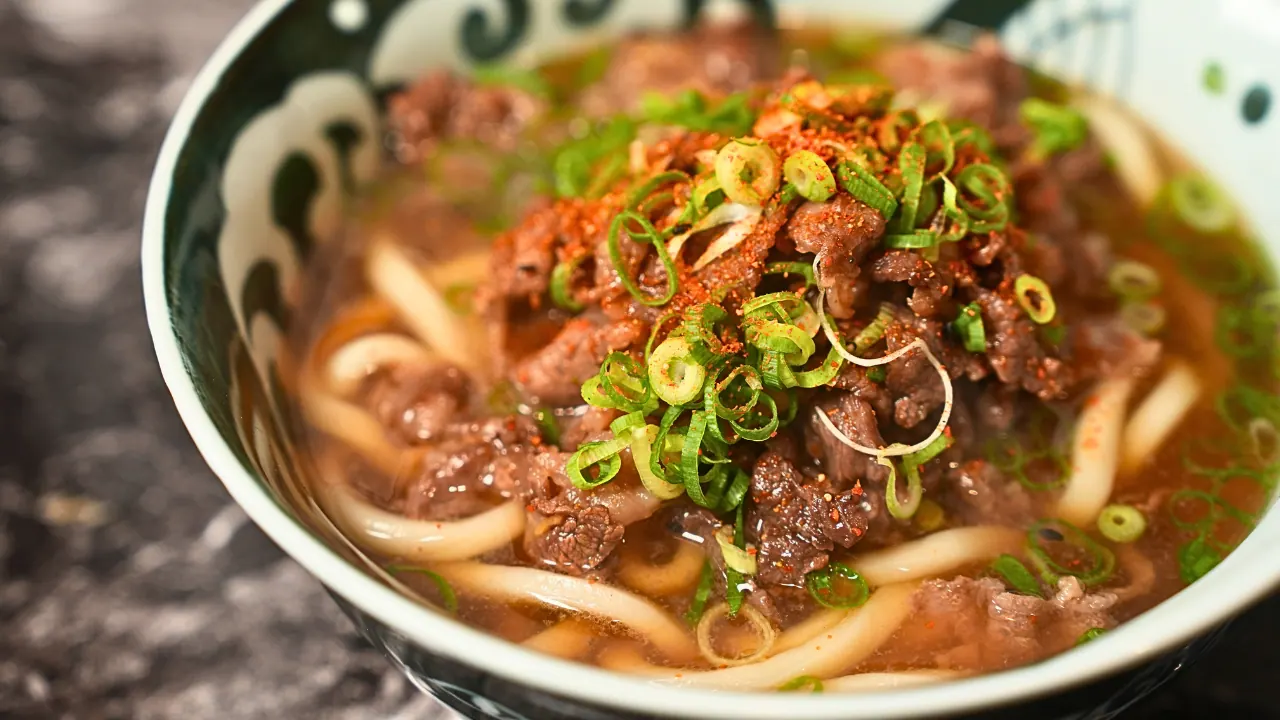
Noodles肉うどん
Niku Udon
Beef Udon Noodles
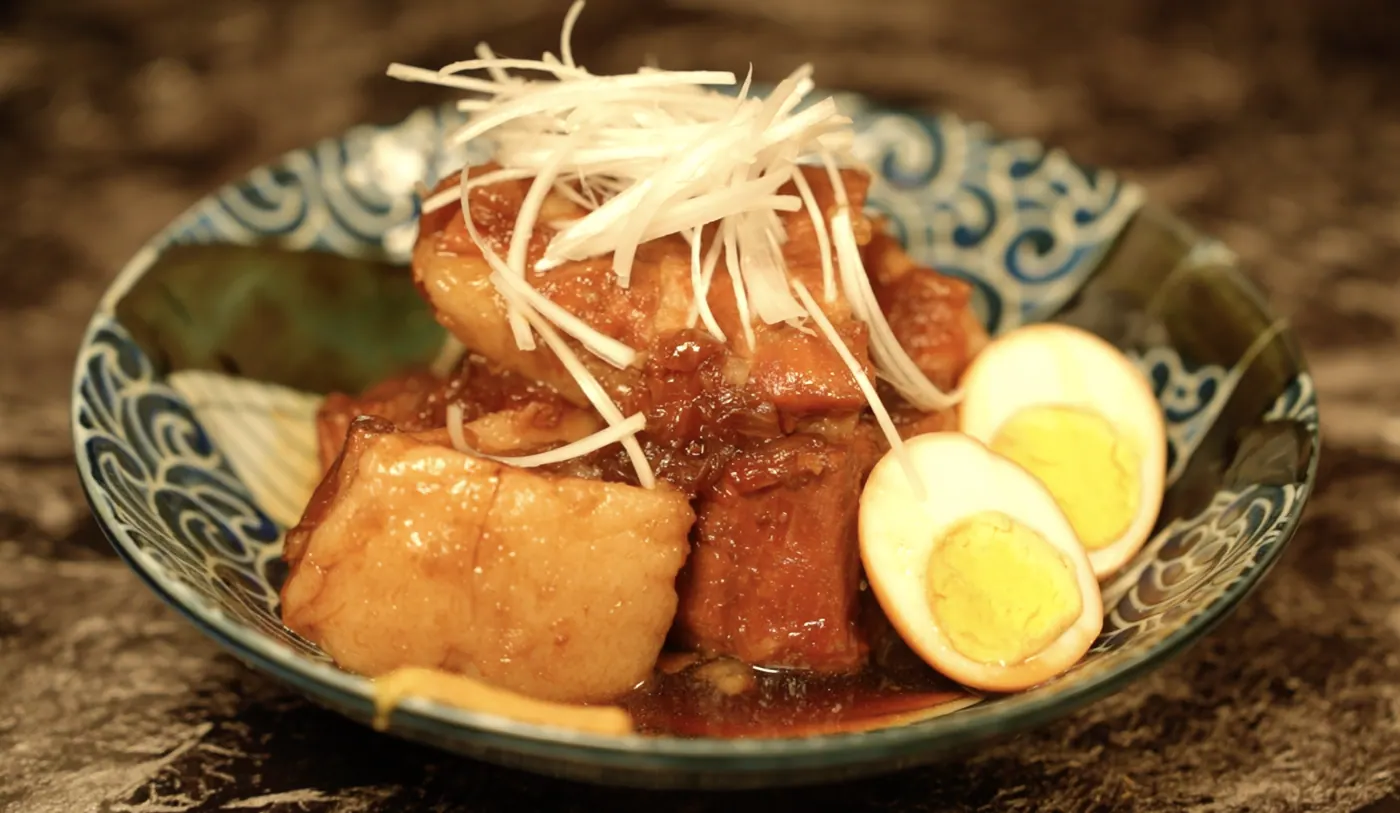
Main Dish豚の角煮
Kakuni
Japanese Braised Pork Belly
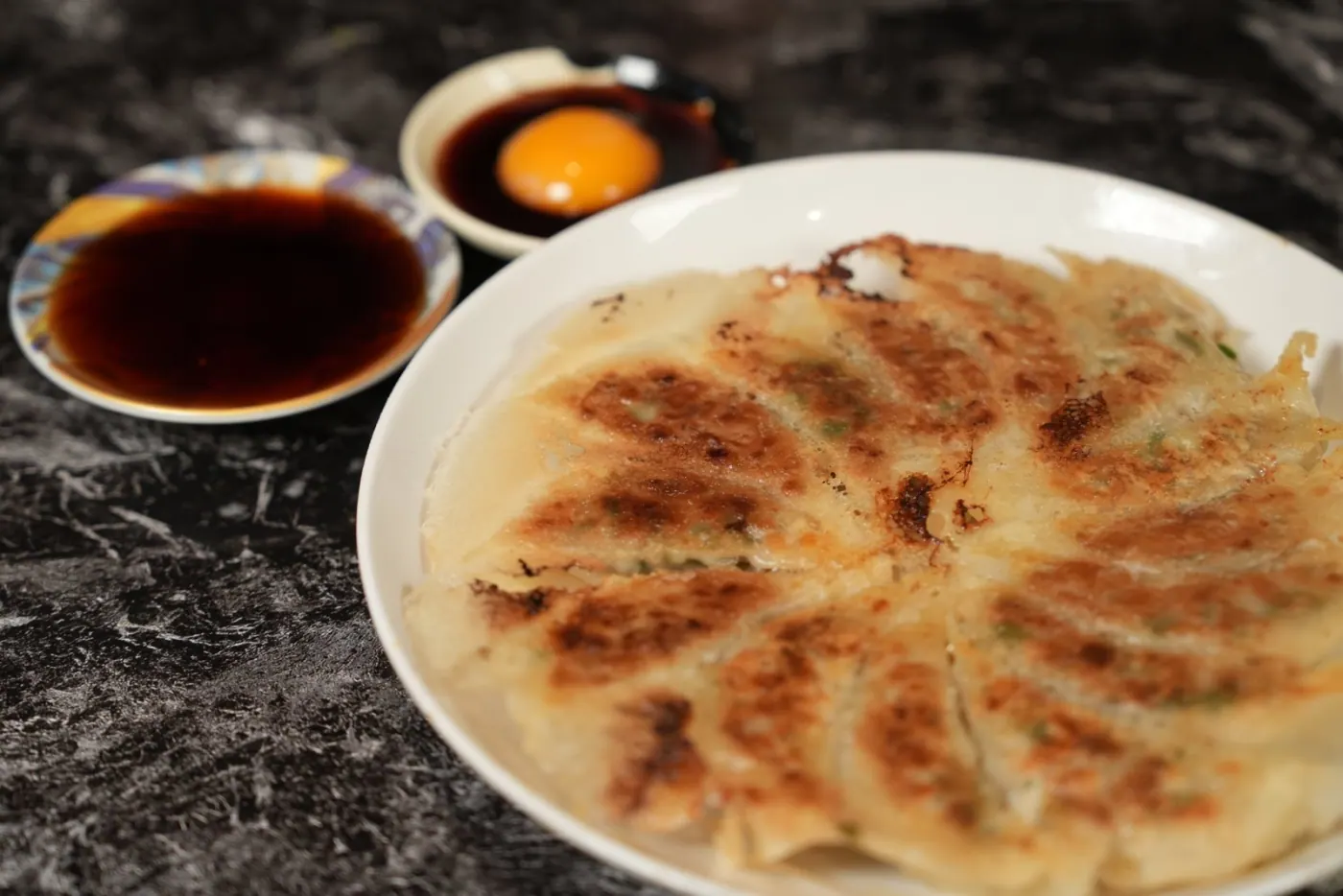
Appetizers & Sides焼き餃子
Gyoza
Japanese Pan-Fried Dumplings
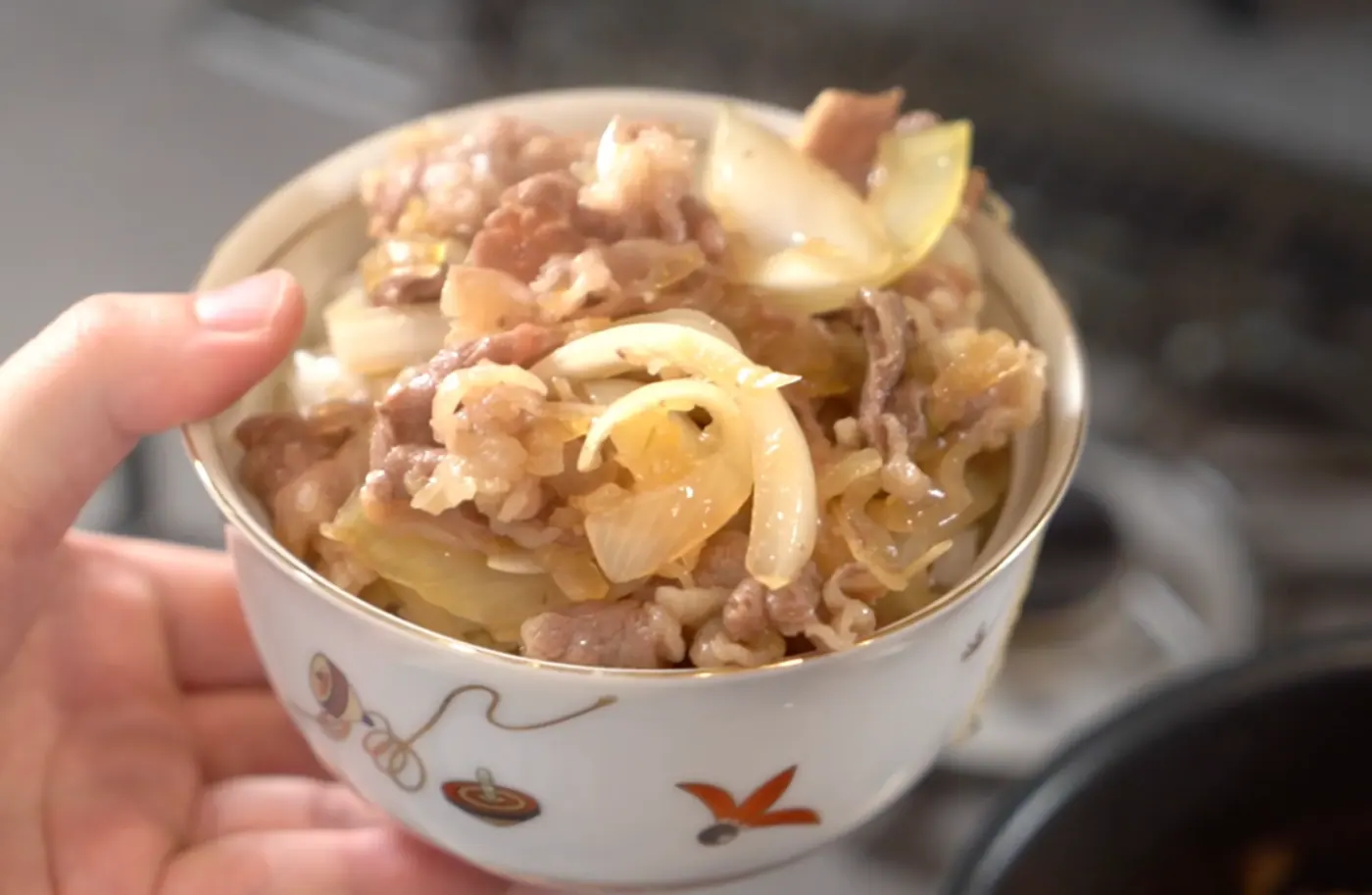
Rice Bowl牛丼
Gyudon
Japanese Beef Rice Bowl
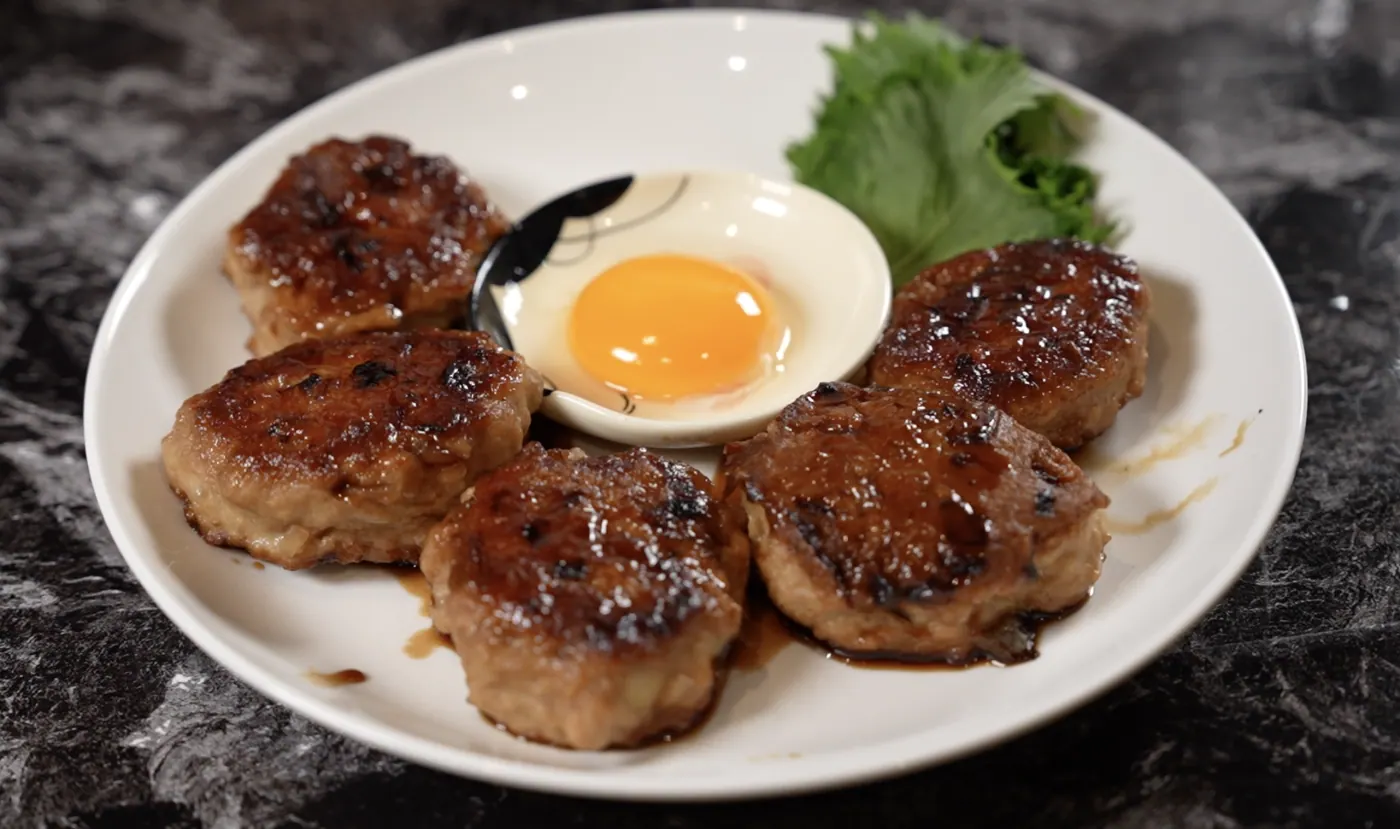
Appetizers & Sidesつくね
Tsukune
Japanese Chicken Meatballs
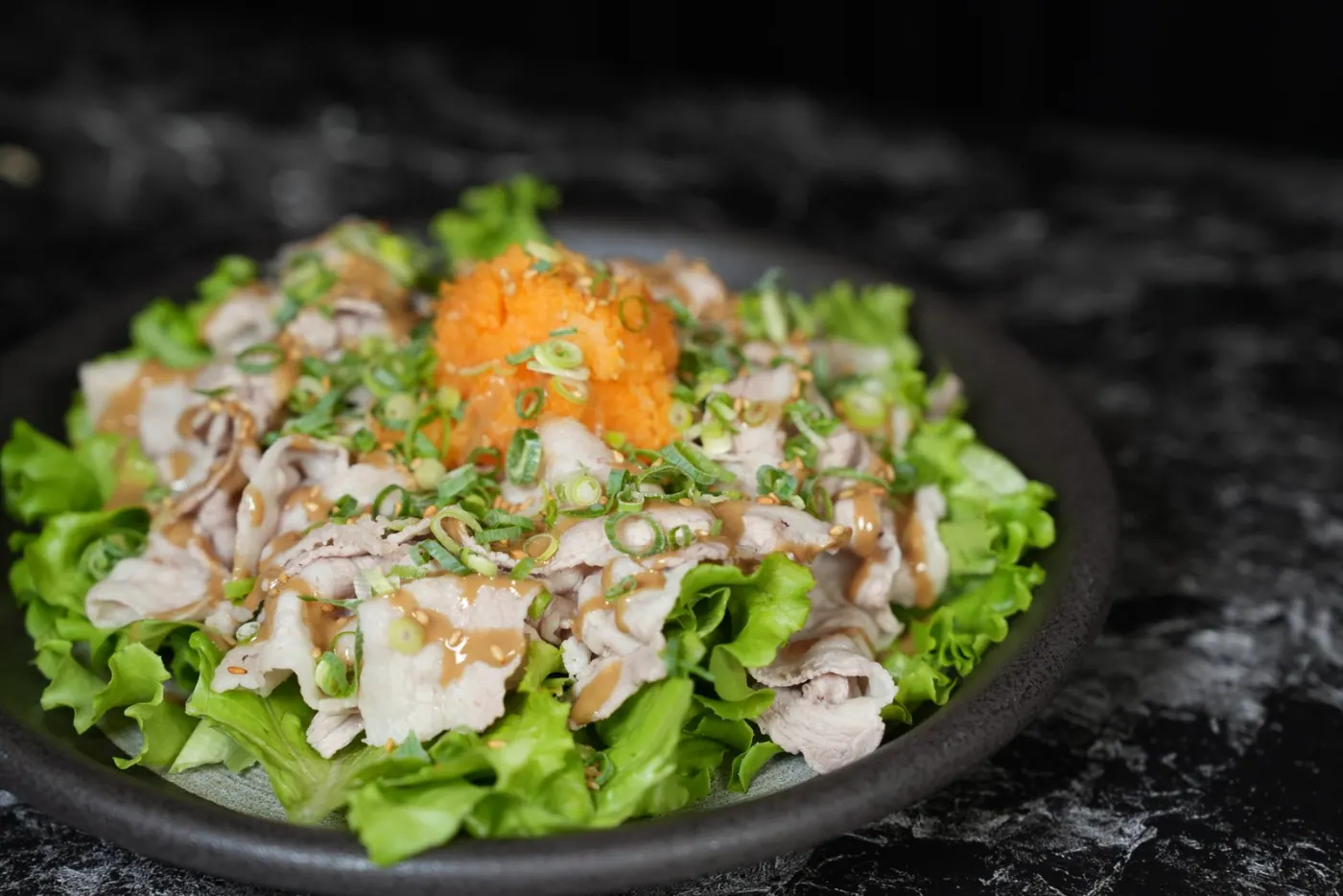
Main Dish冷しゃぶ
Cold Shabu Shabu
Hiyashabu, Chilled Pork Shabu-Shabu Salad
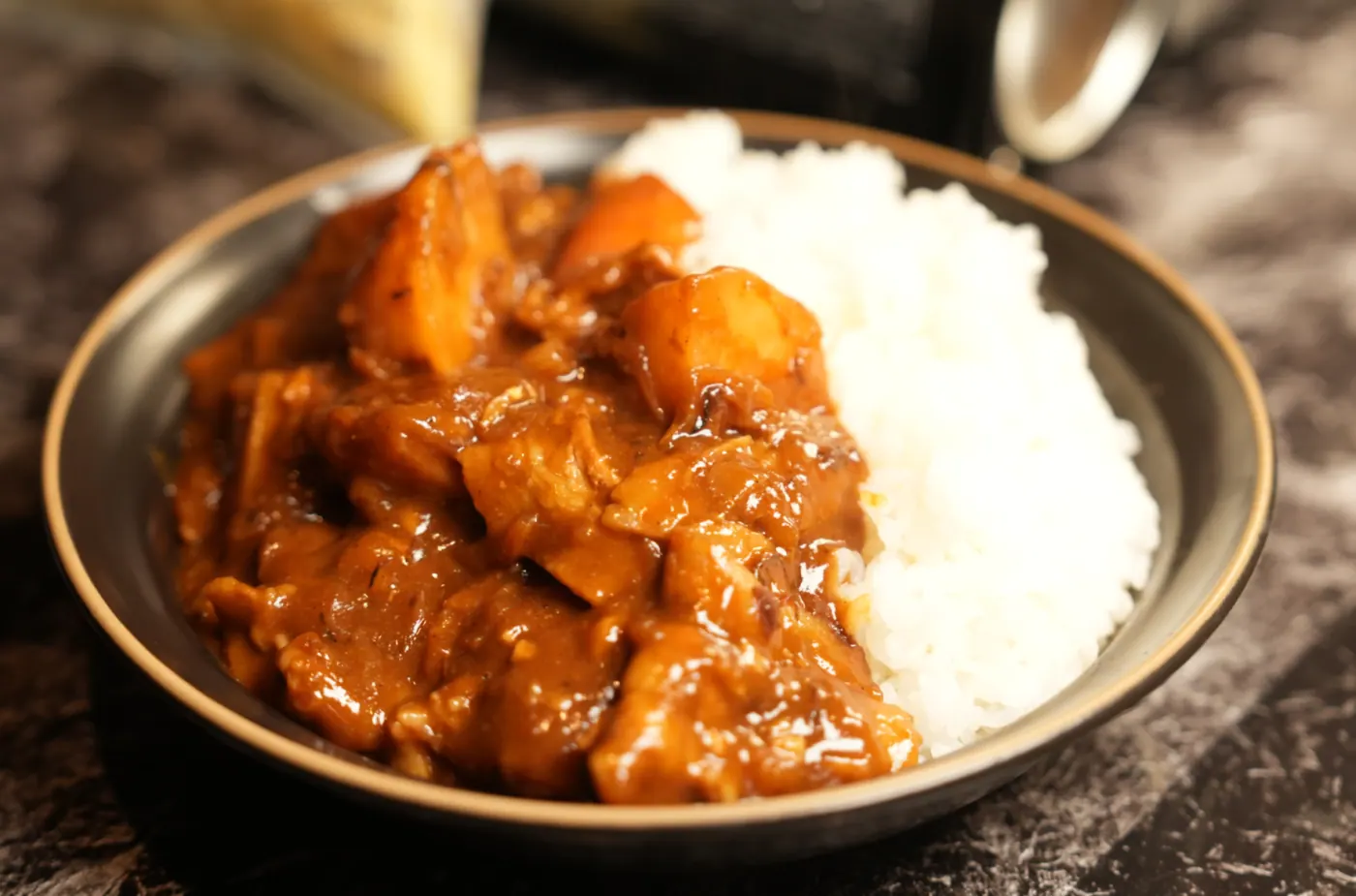
Main Dishカレーライス
Japanese Curry Rice with Golden Curry Blocks
Frequently asked questions
Do I need to peel ginger?
Not always. The skin is thin and edible. Scrape off any dirt with a spoon, and peel it when you want a smooth paste or neat strips.
What is the difference between gari and beni shoga?
Gari is pale pink, sweet pickled ginger served with sushi. Beni shoga is red, salty-sour ginger pickled in plum vinegar and used on rice bowls and fried noodles.
Can I use tube ginger instead of fresh?
Yes. Tube ginger paste works in sauces and marinades. Fresh ginger tastes brighter, especially as a raw topping.
Can I freeze fresh ginger?
Yes. Wrap it tightly and freeze it, then grate it straight from frozen.