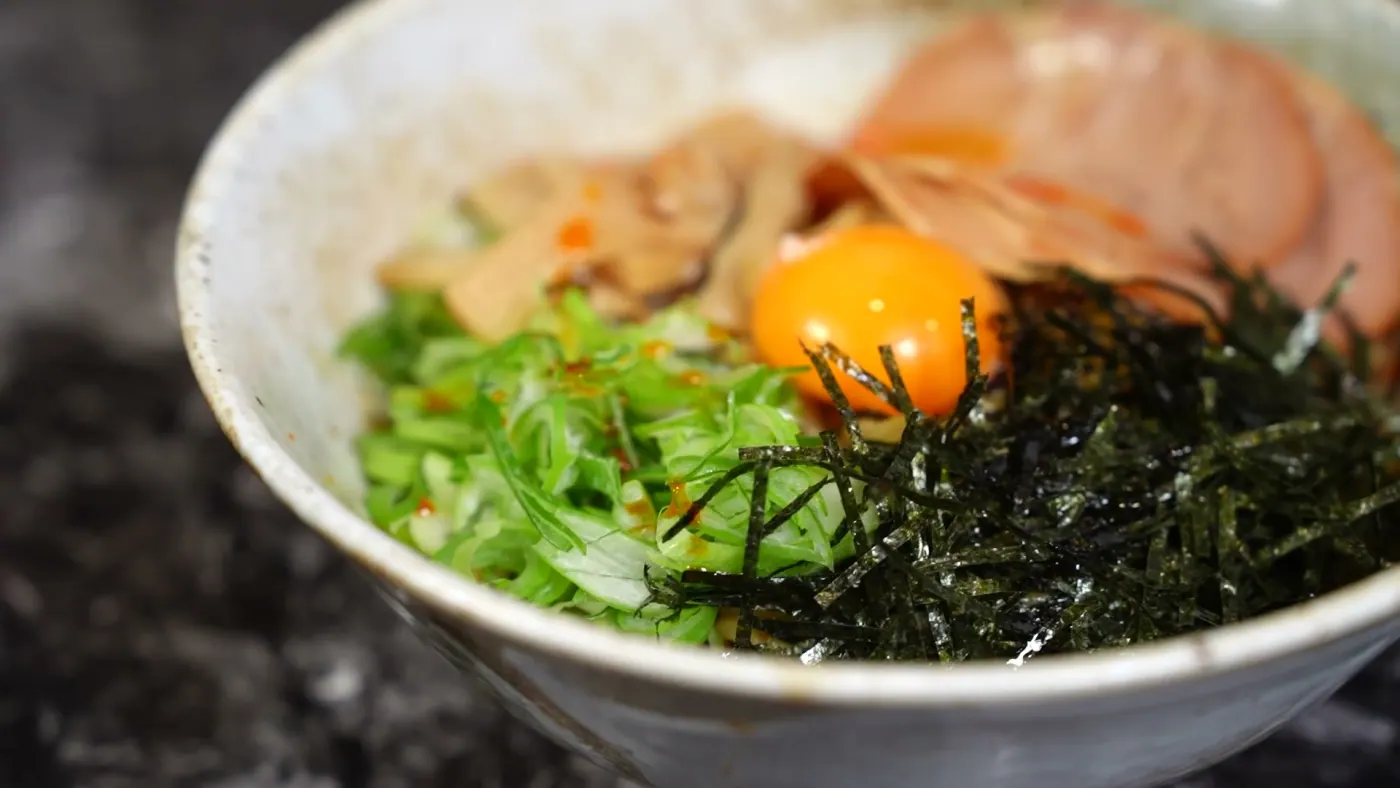
- Prep
- 5 min
- Cook
- 5 min
- Total
- 10 min
- Servings
- 1
- Difficulty
- Beginner
What is Abura Soba?
Abura soba is a popular ramen-shop dish in Japan: thick noodles tossed in a rich sauce instead of served in soup. This recipe makes authentic abura soba for one in just one bowl, and the secret to the ramen-shop taste is a little dashi powder in the sauce.
You mix the sauce in the bowl you'll serve in, toss the hot noodles right in it, and cover them with toppings. At the end there's also my favorite flavor twist.
Why You'll Love This Recipe
- One bowl - The sauce is mixed in the serving bowl, and the noodles go right in
- Ramen-shop flavor - Dashi powder brings the sauce close to restaurant quality
- Quick and affordable - Ready in about 10 minutes
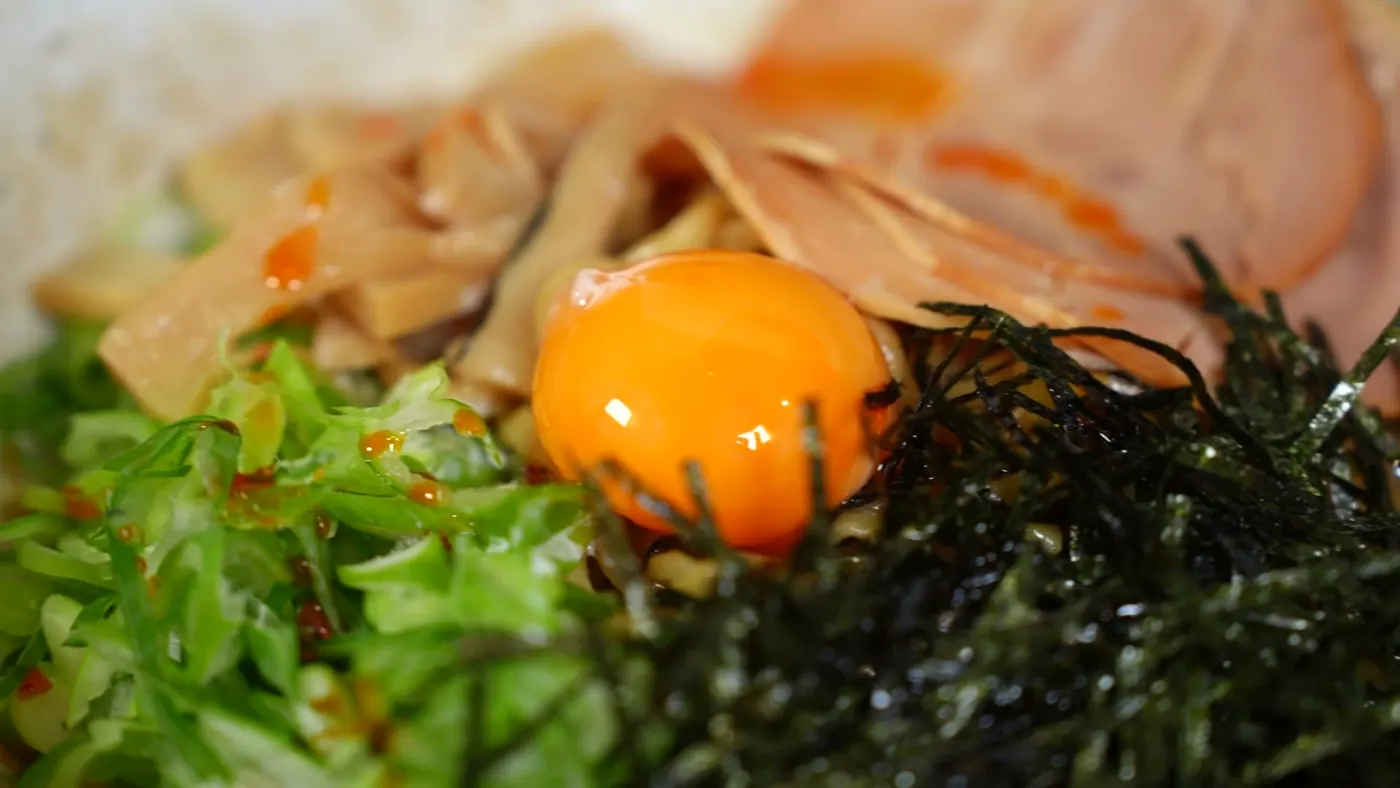
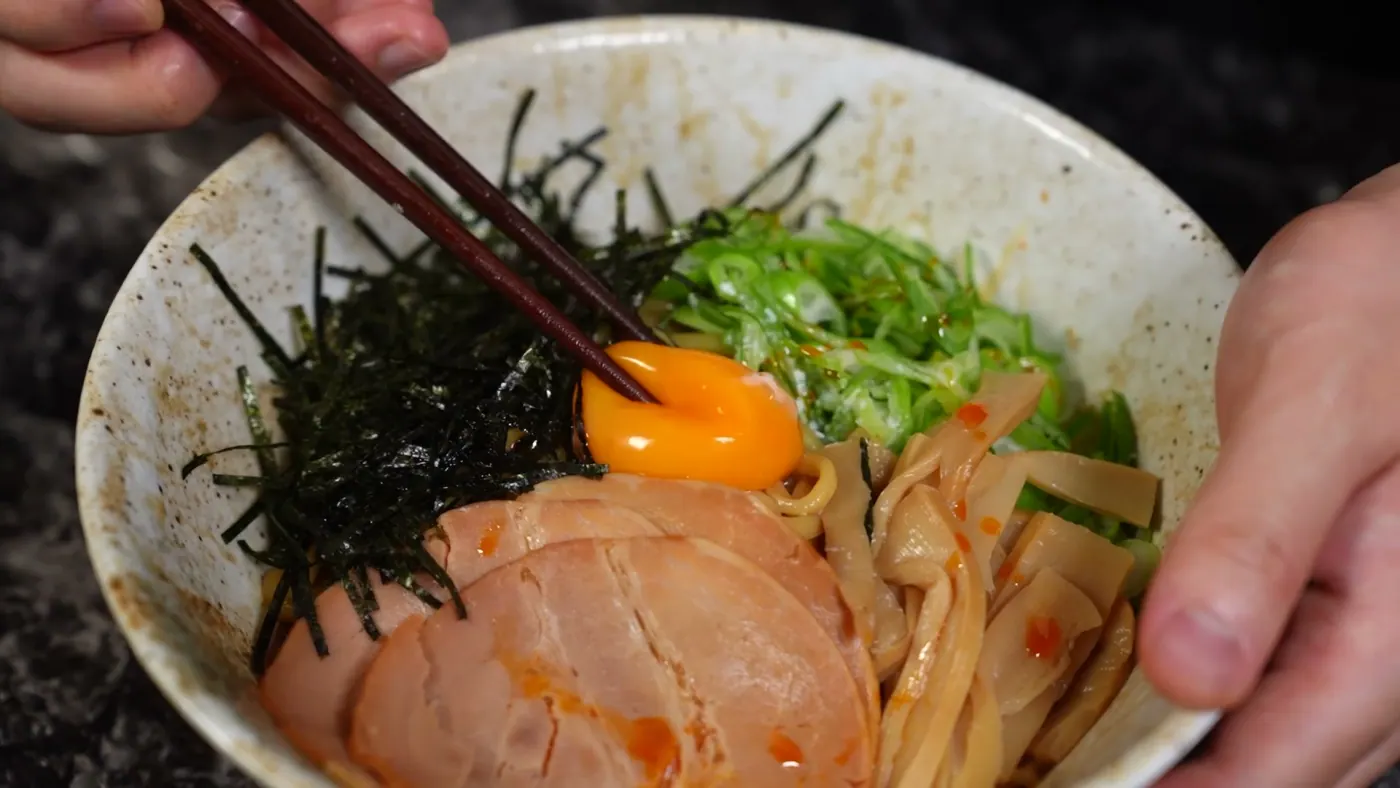
- Fun toppings - Cover the noodles with green onion, menma, chashu, nori and an egg yolk
Key Points of This Recipe
- Use a little less than 1 tablespoon each of soy sauce and oyster sauce
- Don't skip the dashi powder
- Use noodles thicker than regular ramen noodles
- Boil the noodles in fully boiling water and drain them well
Required Equipment
- Large bowl (for mixing the sauce and serving)
- Large pot
- Strainer
- Chopsticks and a spoon
Abura Soba Ingredients (Serves 1)
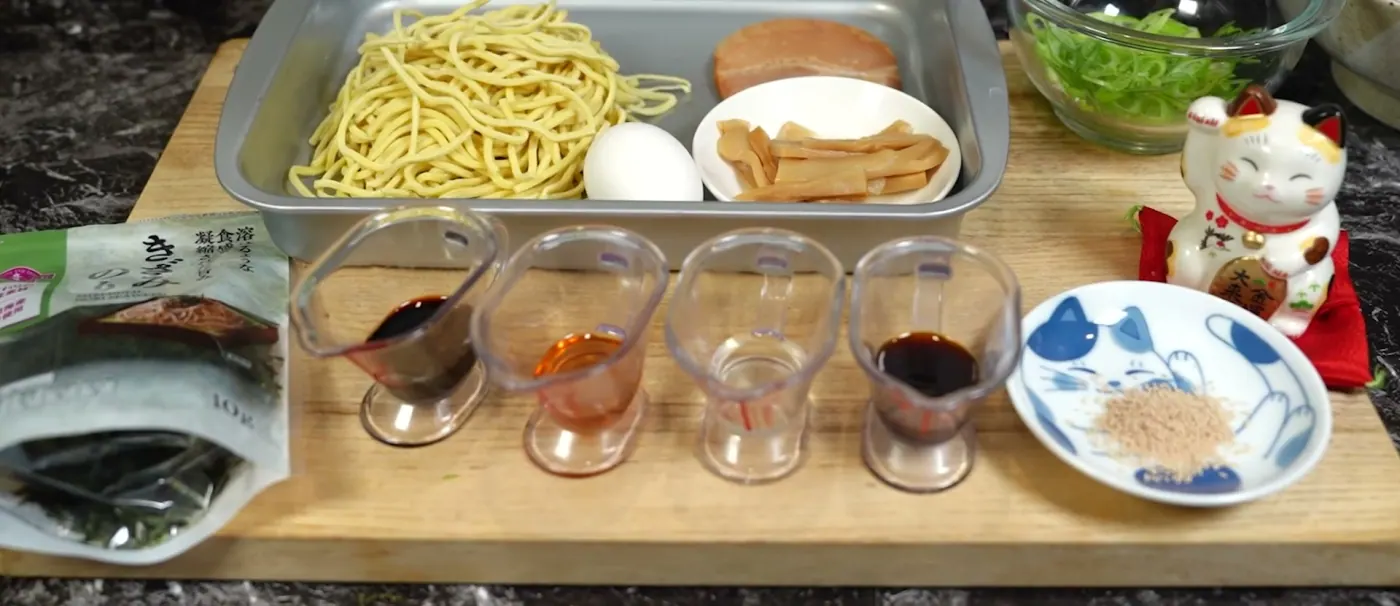
12 ingredients · 1 serving
Fresh thick ramen noodles, scant tablespoon soy sauce, grain vinegar, scant tablespoon oyster sauce, dashi powder, sesame oil, egg yolk, chopped green onions, seasoned bamboo shoots, chashu, shredded nori, mildly spicy chili oil.
From scratch: how to make dashi
Full amounts in the recipe cardIngredient Substitutions
- Dashi powder: Use bonito flakes (katsuobushi) instead
- Vinegar: Japanese rice vinegar or grain vinegar is best. Some vinegars from other countries have a stronger flavor, so taste the sauce and adjust
- Noodles: Choose noodles thicker than regular ramen noodles
About raw eggs
In Japan, eggs are generally safe to eat raw, but this isn't the case in other countries, including the United States. Use pasteurized eggs, which are safe to eat raw. The egg yolk is optional, so if you can't get pasteurized eggs, leave it out.
Video Tutorial
The video shows how to make the sauce, a tip to keep the pot from boiling over, and my favorite flavor twist at the end.

How to Make Abura Soba
Make the Special Sauce
Add the soy sauce
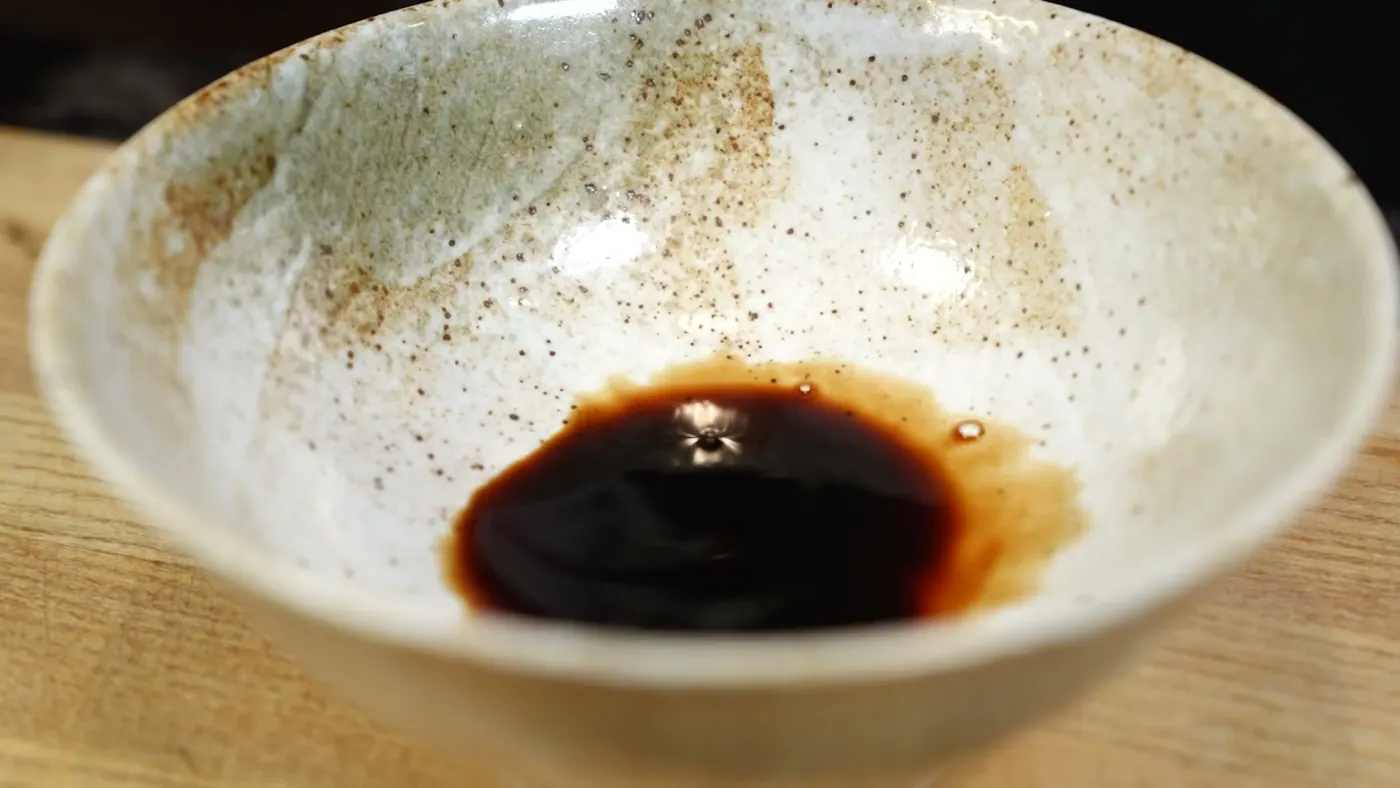
You'll make the sauce in the same bowl you mix the noodles in later, so prepare one large bowl. First, add a little less than 1 tablespoon of soy sauce, the base of the flavor. A full tablespoon makes it too strong, so use a little less.
Add the vinegar
Add 1/2 tablespoon of vinegar. Japanese rice vinegar or grain vinegar is best. Some vinegars from other countries can have a stronger flavor, so be careful.
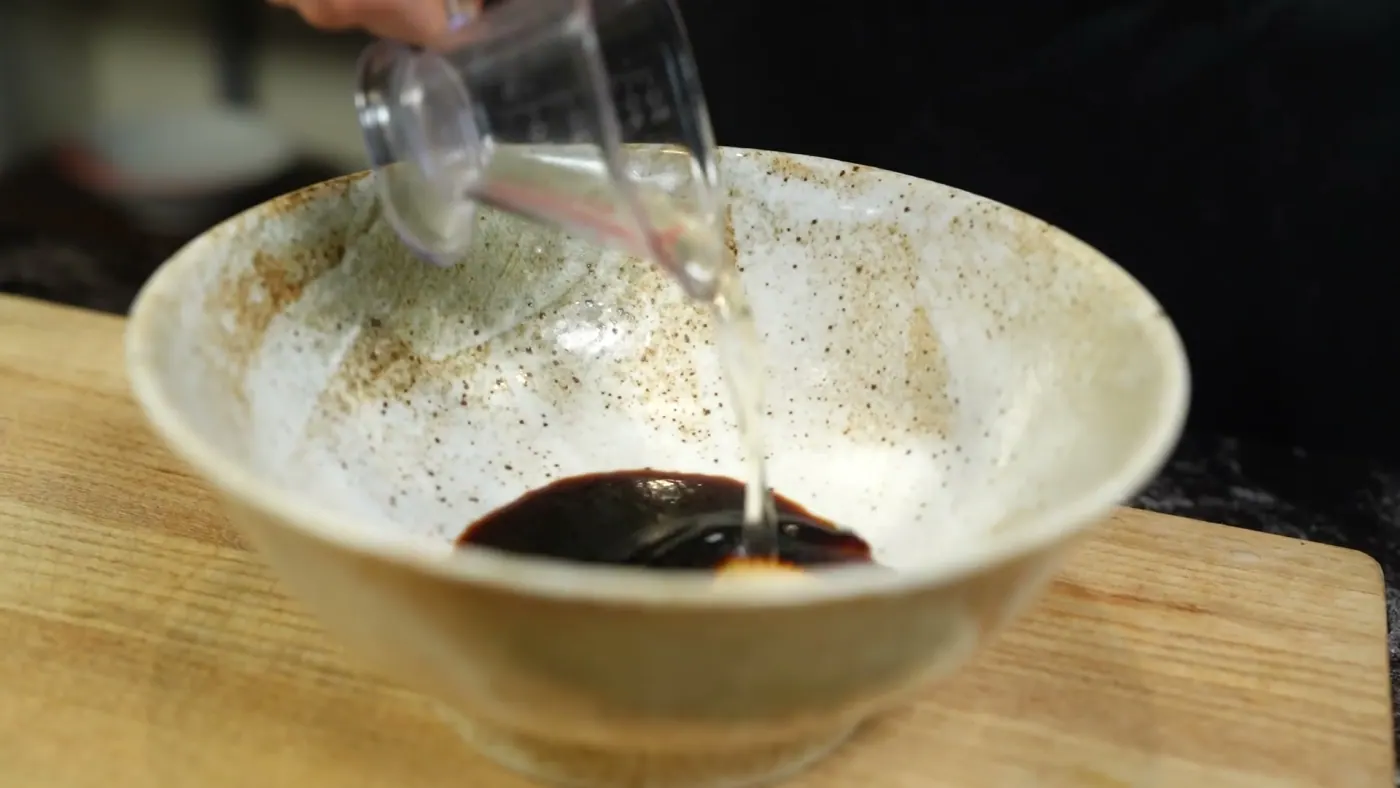
Add the oyster sauce
Add a little less than 1 tablespoon of oyster sauce for richness and umami. It's an essential ingredient for a deeper flavor.
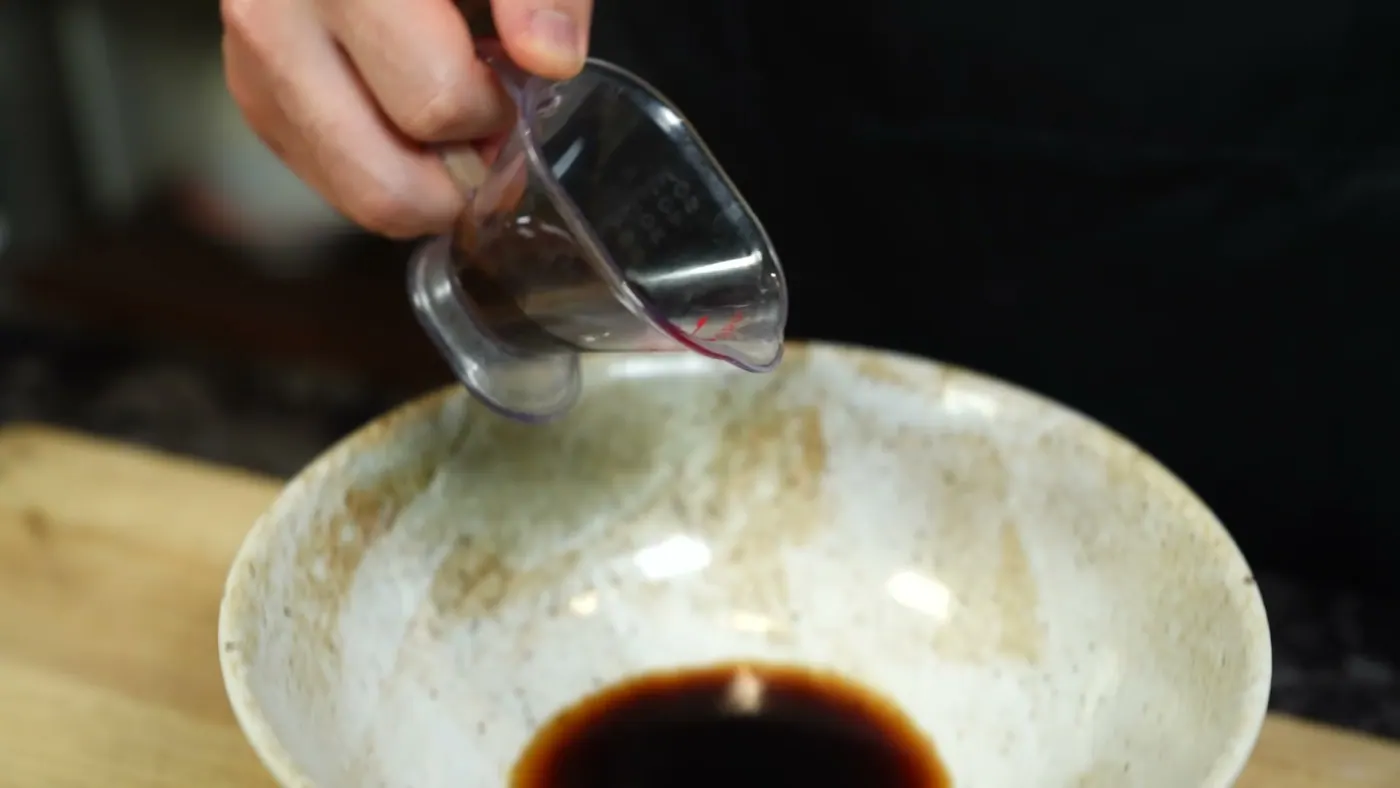
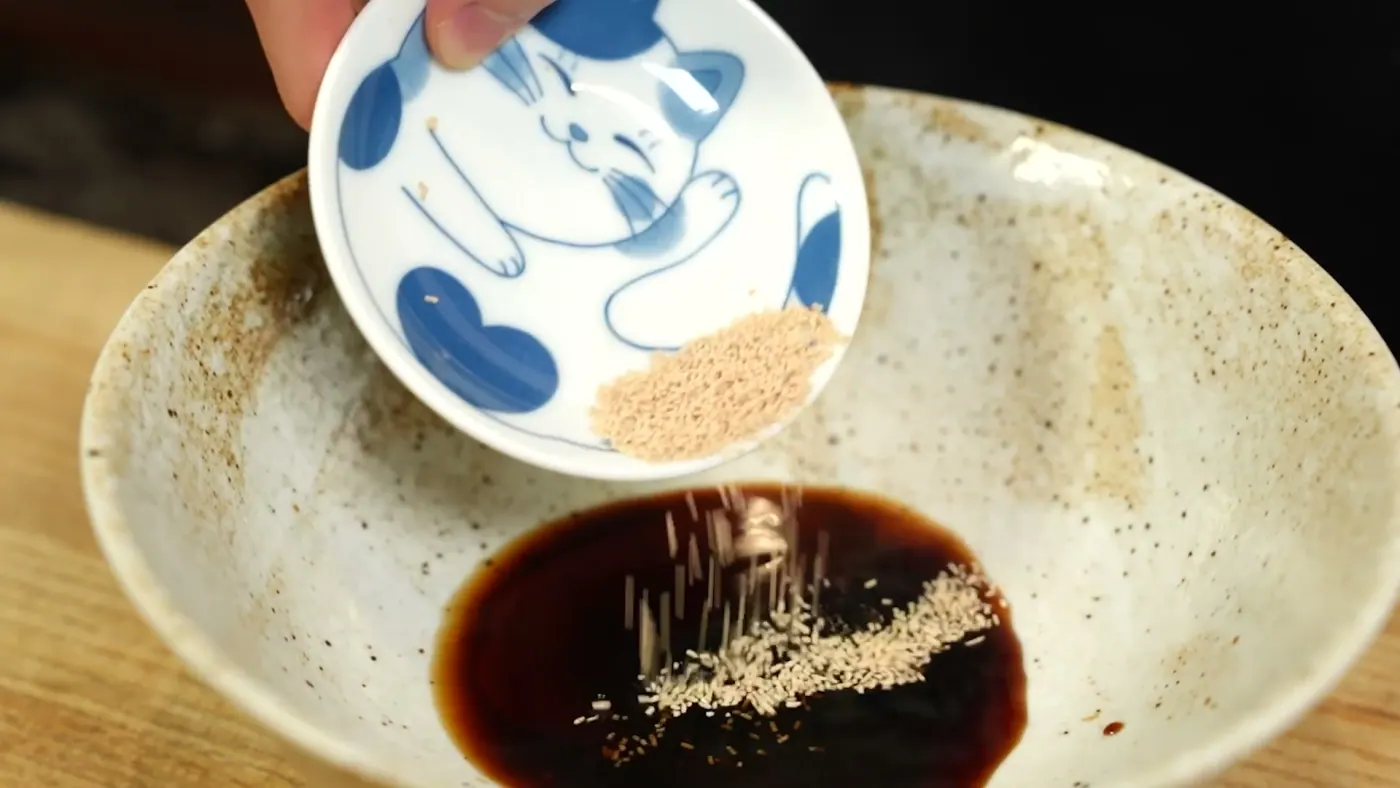
Add the dashi powder
Now add the most important seasoning: 1/2 teaspoon of dashi powder. Just this makes the flavor and aroma much closer to restaurant quality. You can use bonito flakes instead of dashi powder.
Add the sesame oil
Finally, add 2 teaspoons of sesame oil. It adds a nice aroma and richness.
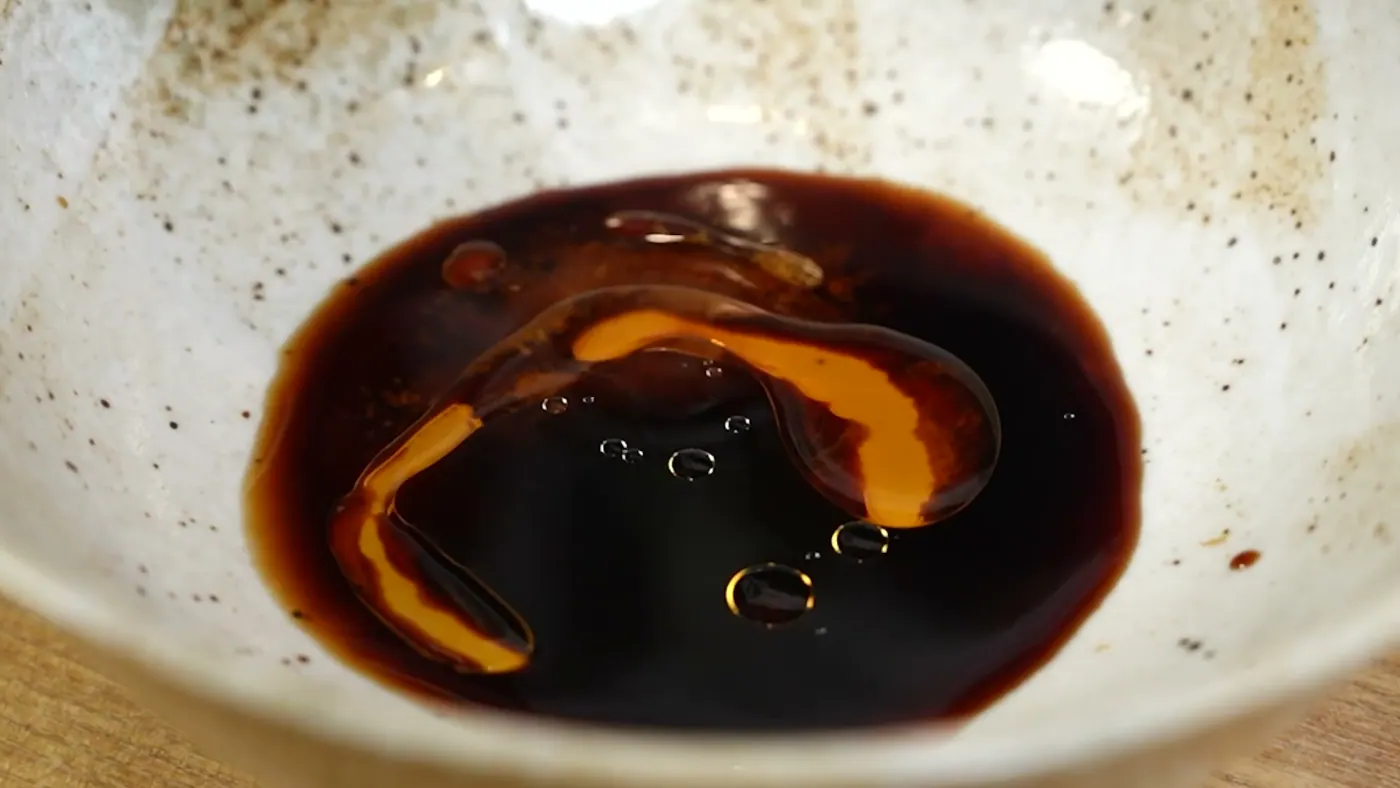
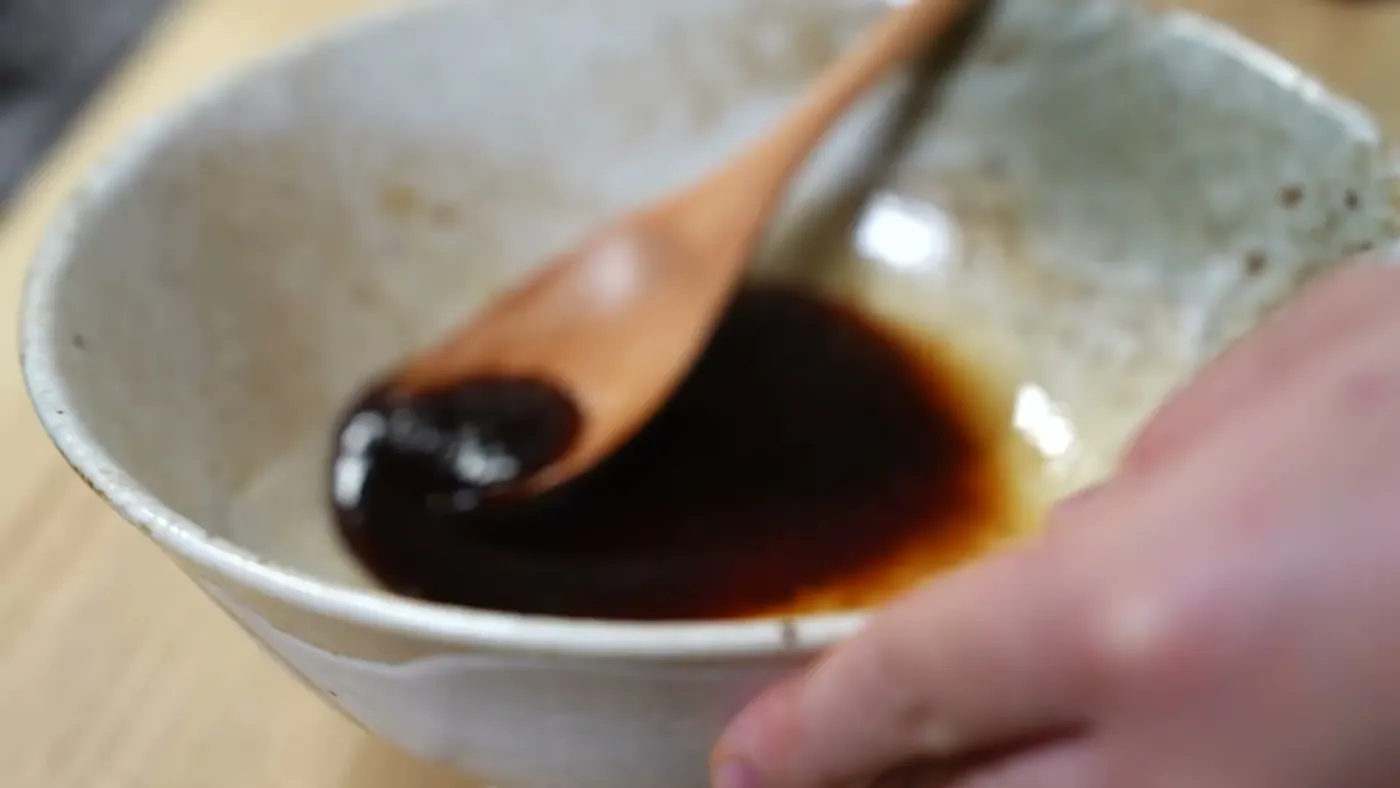
Mix the sauce
Mix everything well. Taste the sauce and adjust the flavor to your liking.
Boil the Noodles
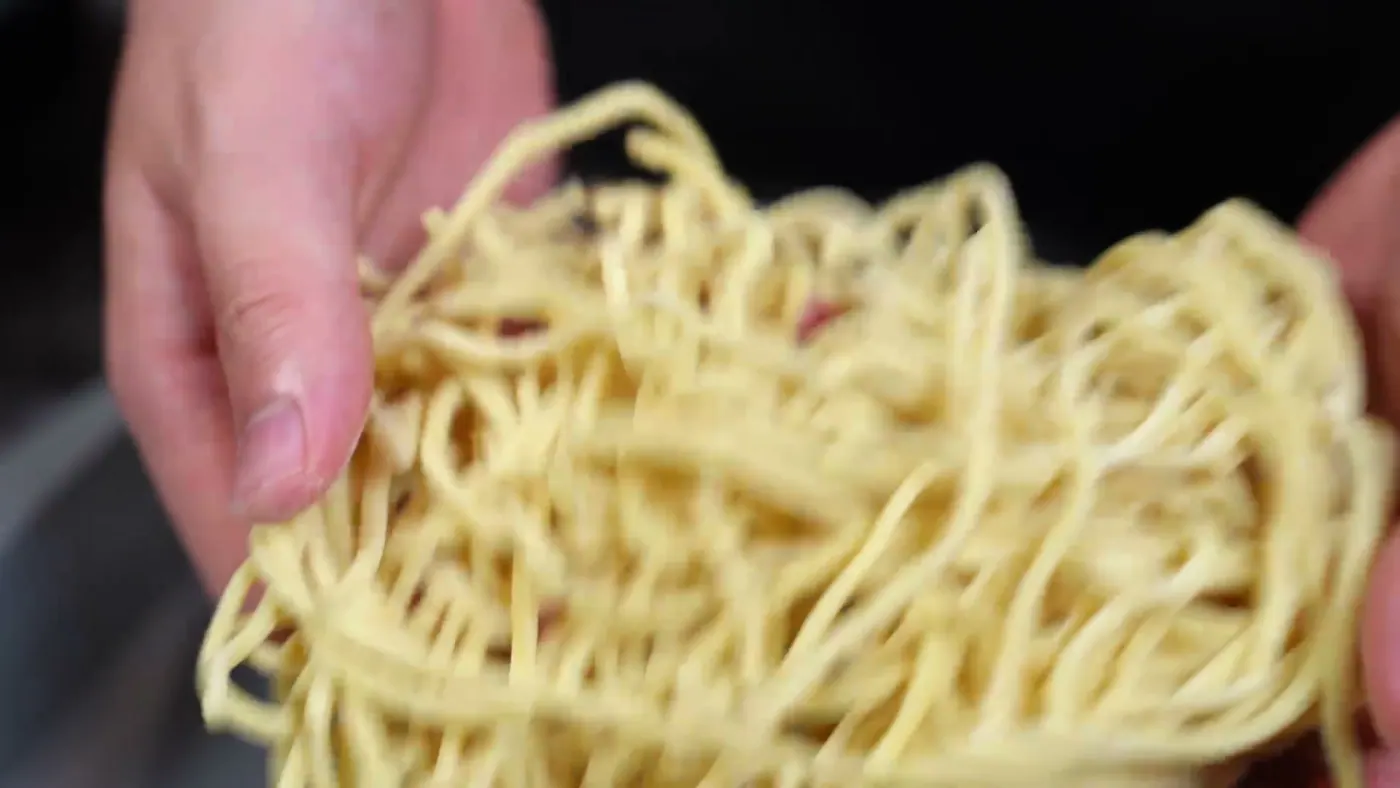
Choose thick noodles
For abura soba, use noodles thicker than ramen noodles. Thick noodles mix well with the sauce and have a more satisfying texture.
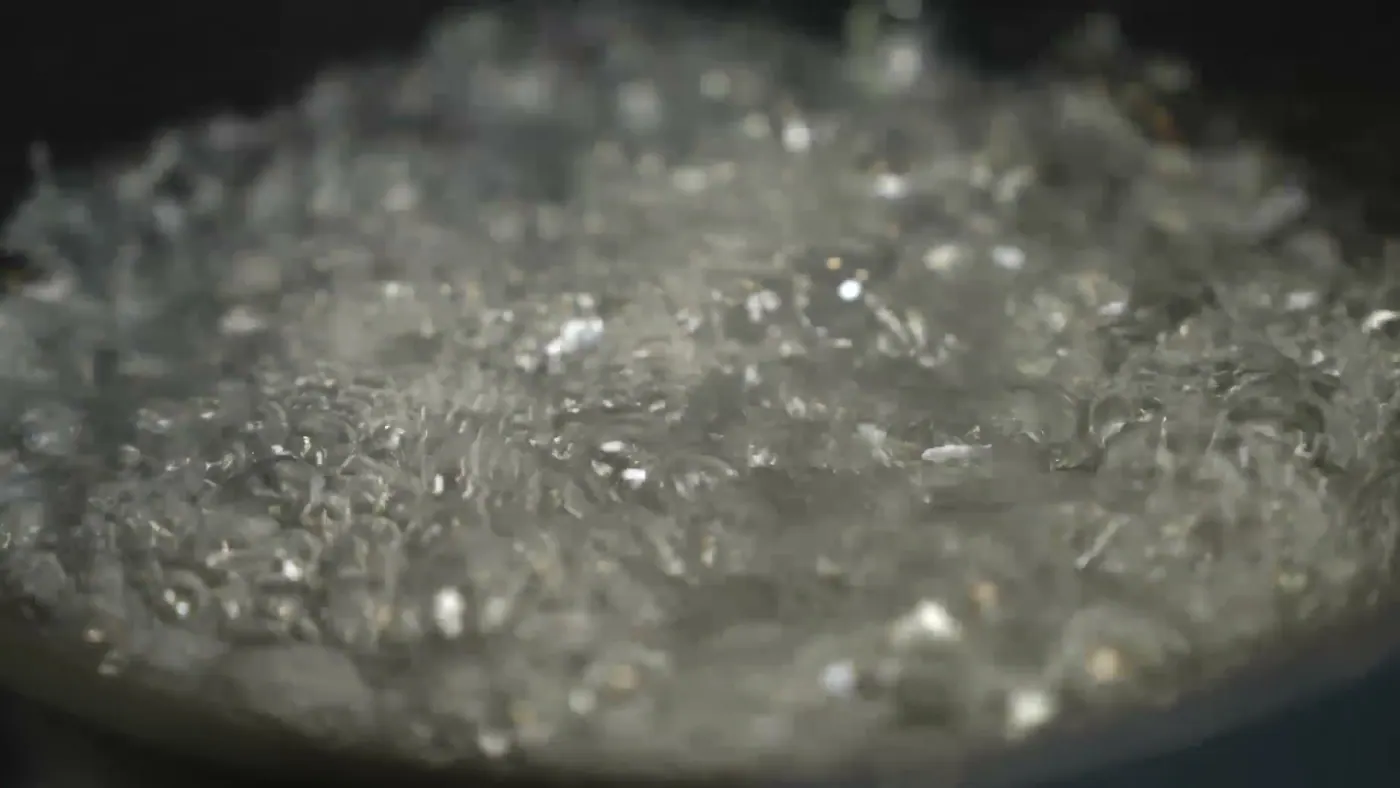
Bring the water to a full boil
Fill a pot with plenty of water and bring it to a boil over high heat. Make sure the water is fully boiling before you add the noodles. If the water isn't boiling, starch comes out and the noodles turn soft and soggy.
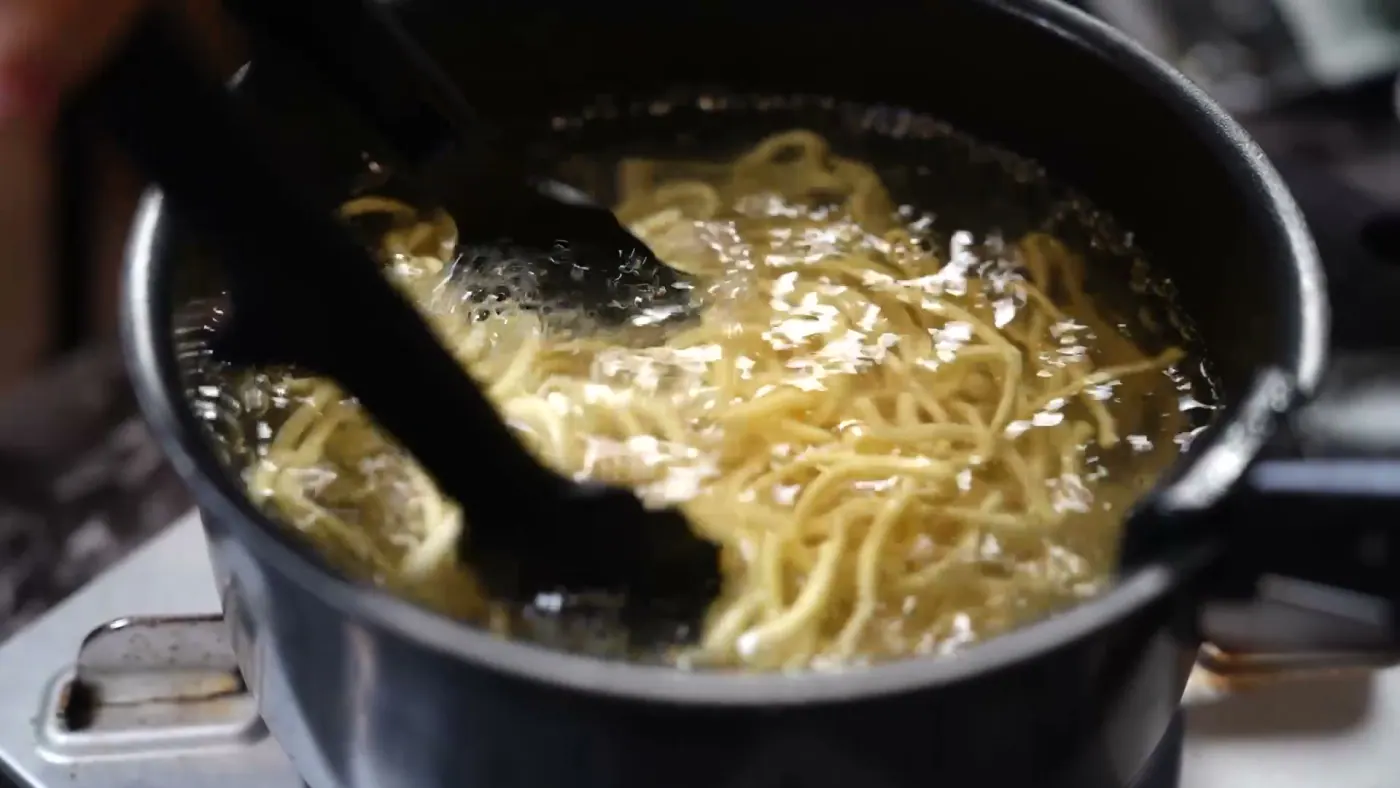
Boil the noodles
Keep the heat high and boil 170g of noodles. Stir them now and then so they don't stick together, and boil for a little less than 3 minutes.
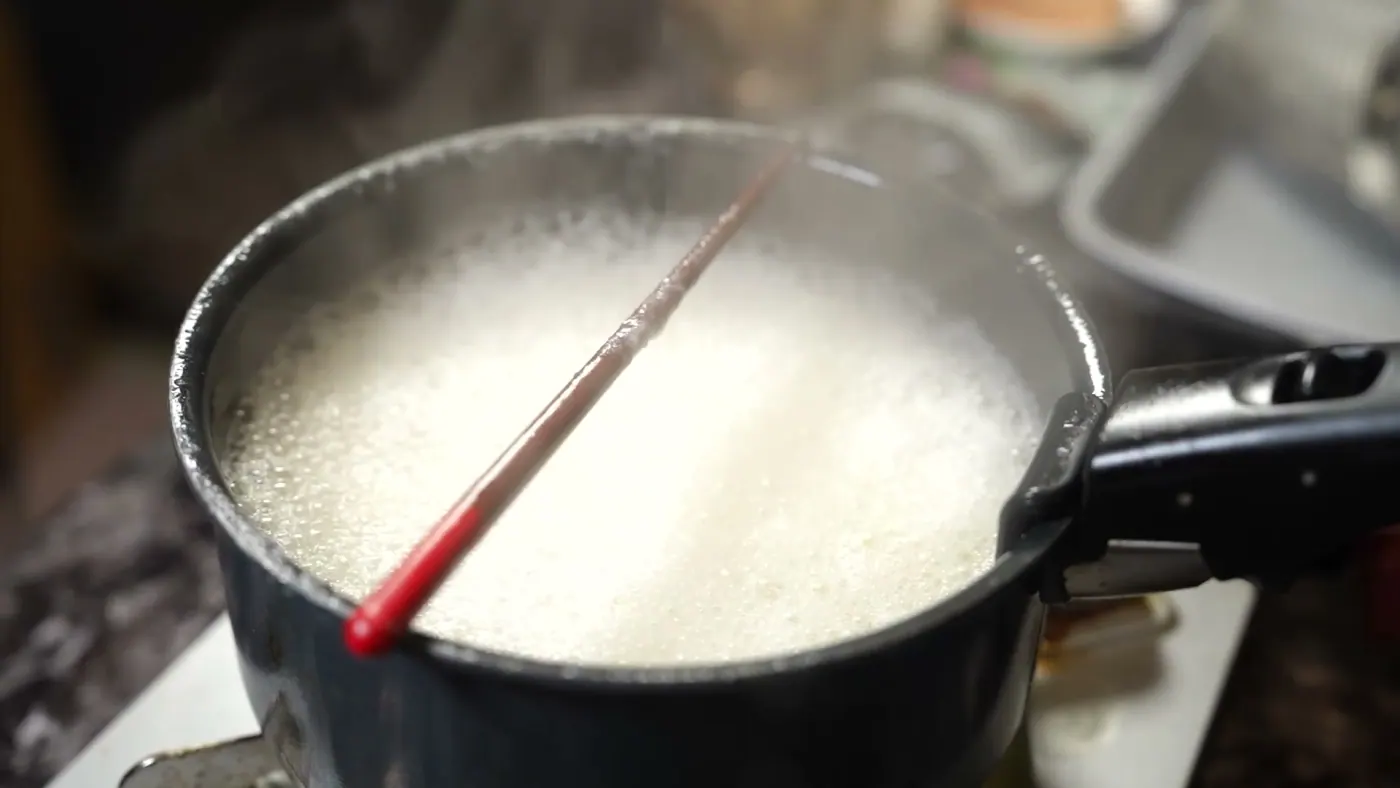
Tip: Keep the pot from boiling over
If the water is about to boil over, lay a pair of chopsticks across the top of the pot. The bubbles hit the chopsticks and pop.
Drain the noodles well
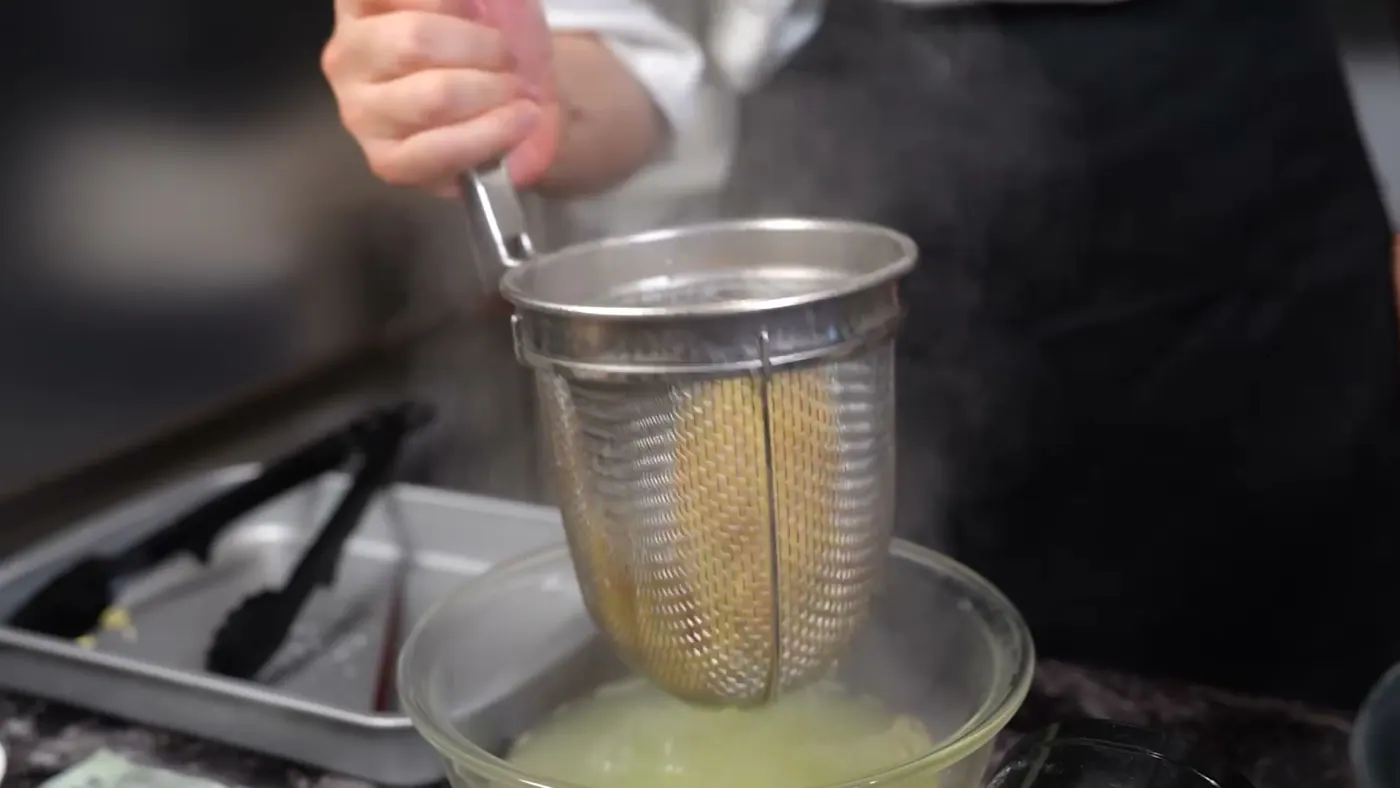
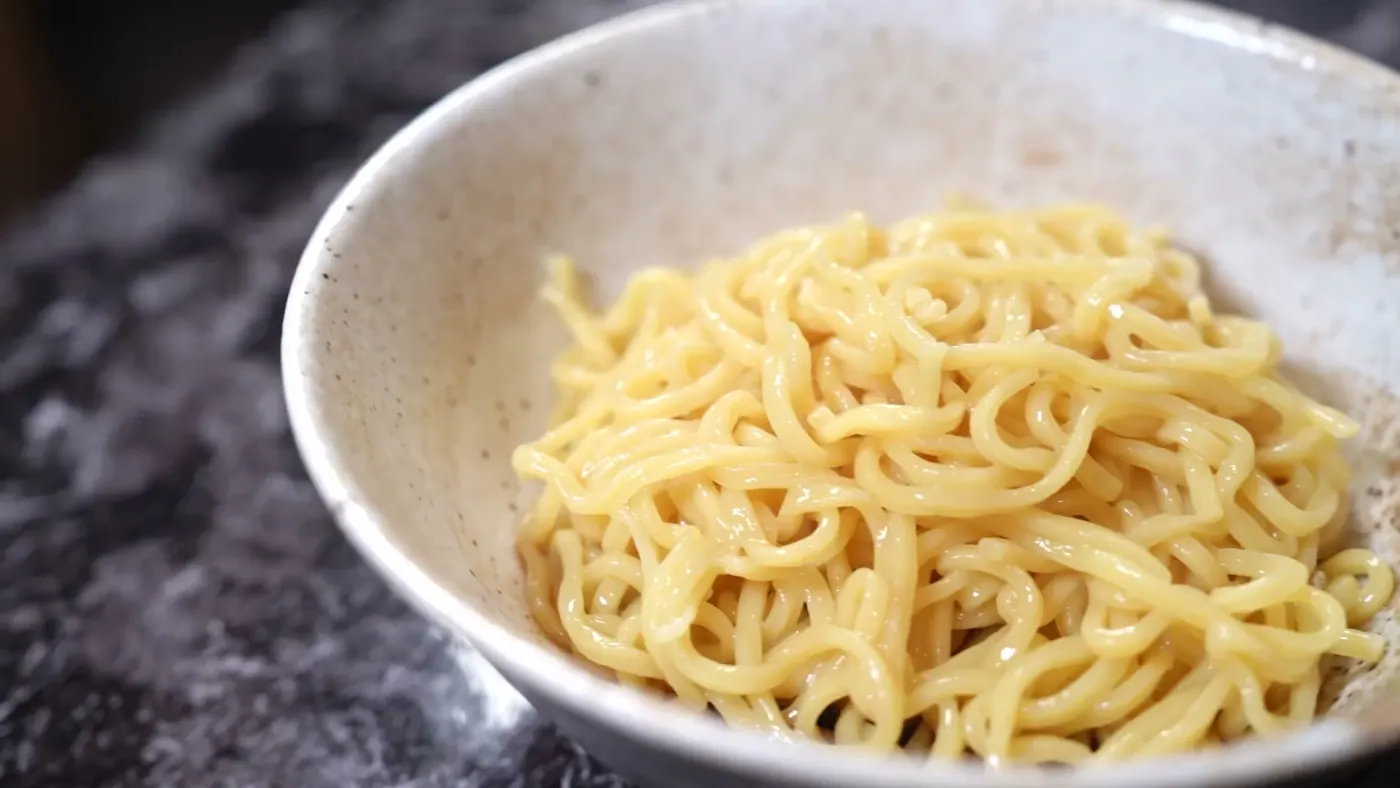
When the noodles are cooked, turn off the heat and drain them in a strainer. Drain them well and remove as much water as you can. Too much water dilutes the sauce and makes the flavor weak.
Mix and Top
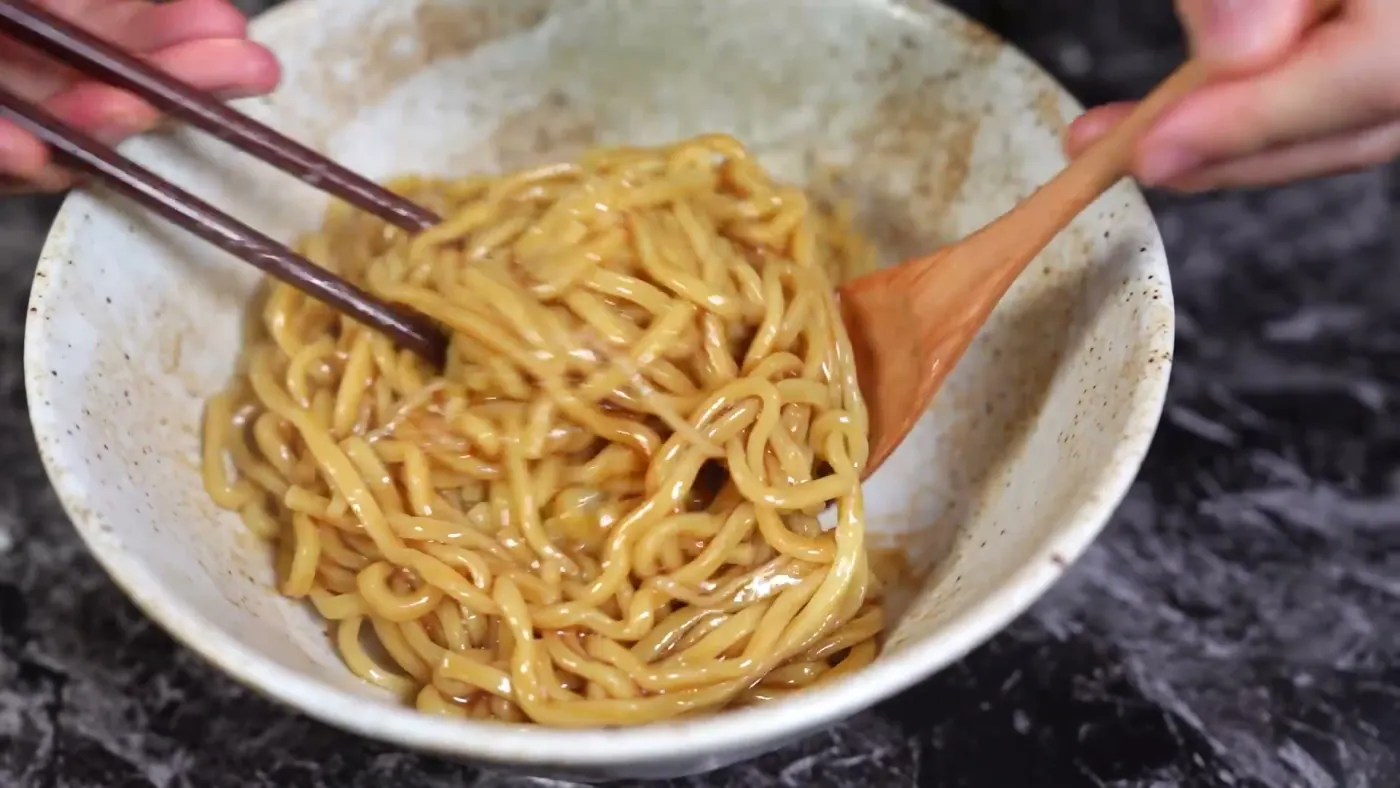
Toss the noodles in the sauce
Put the noodles straight into the bowl with the sauce. Mix well so the sauce coats all the noodles.
Add the toppings
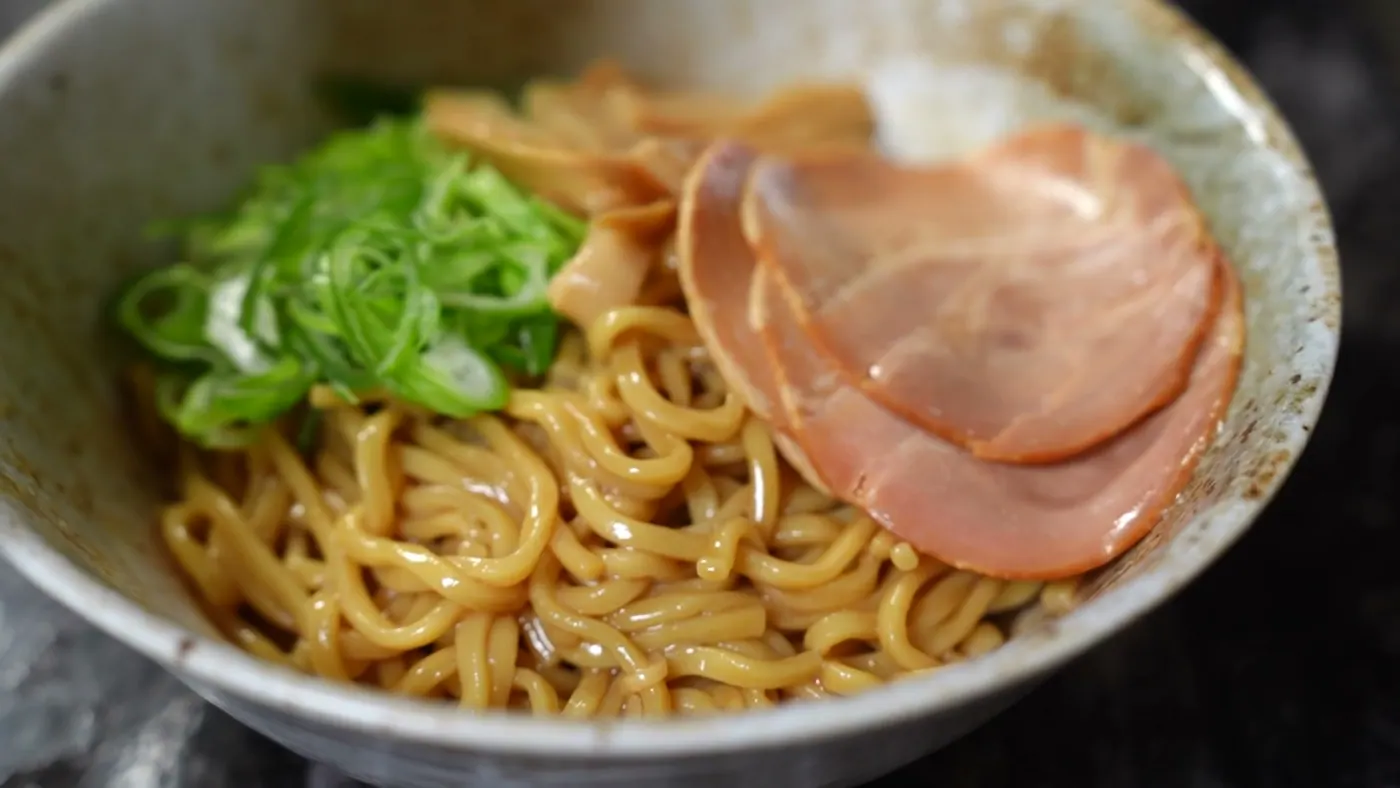
In Japan, abura soba often comes with so many toppings that they cover the noodles completely. Add the classic chopped green onions, then seasoned bamboo shoots (menma). Chashu is a must-have topping for abura soba.
Add the nori
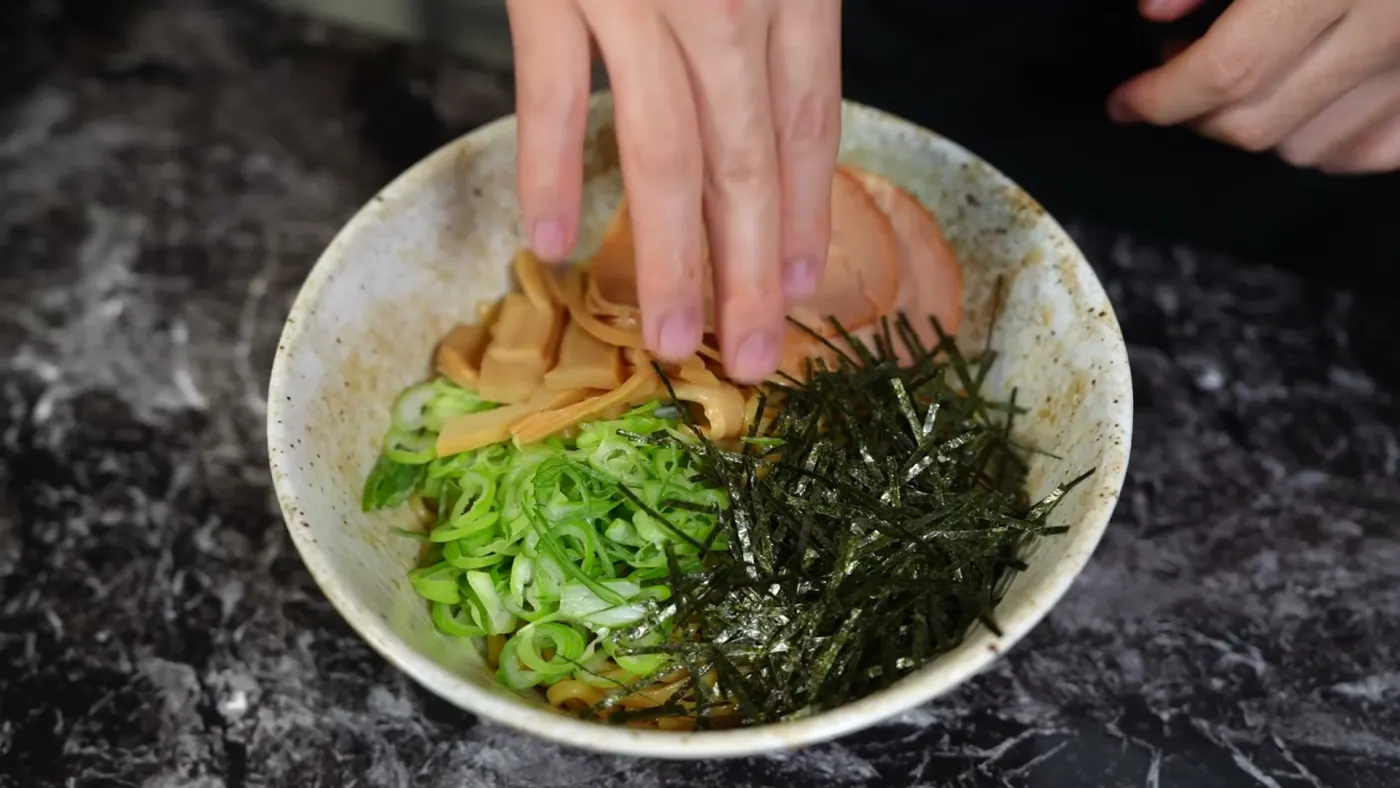
Add plenty of shredded nori where the noodles still show from above.
Add the egg yolk and chili oil
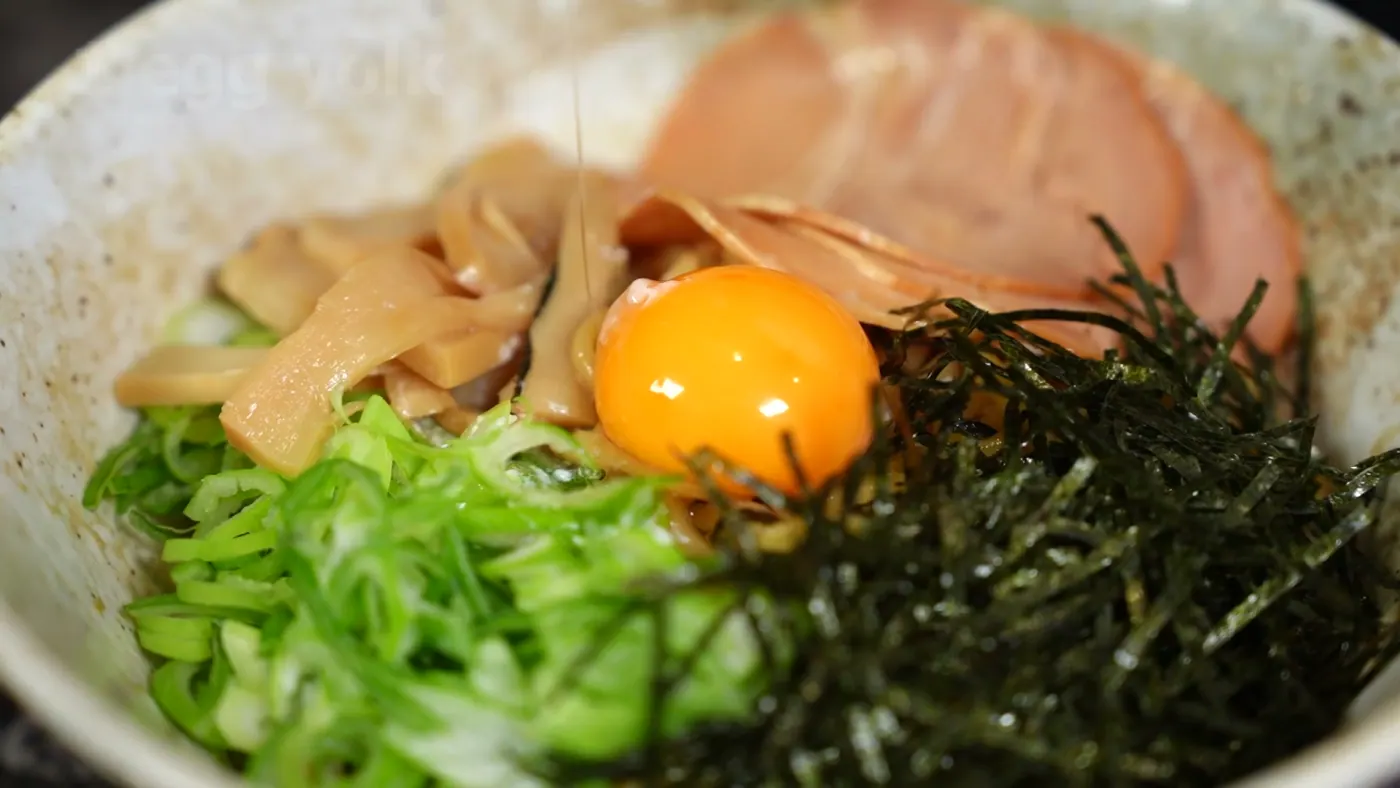
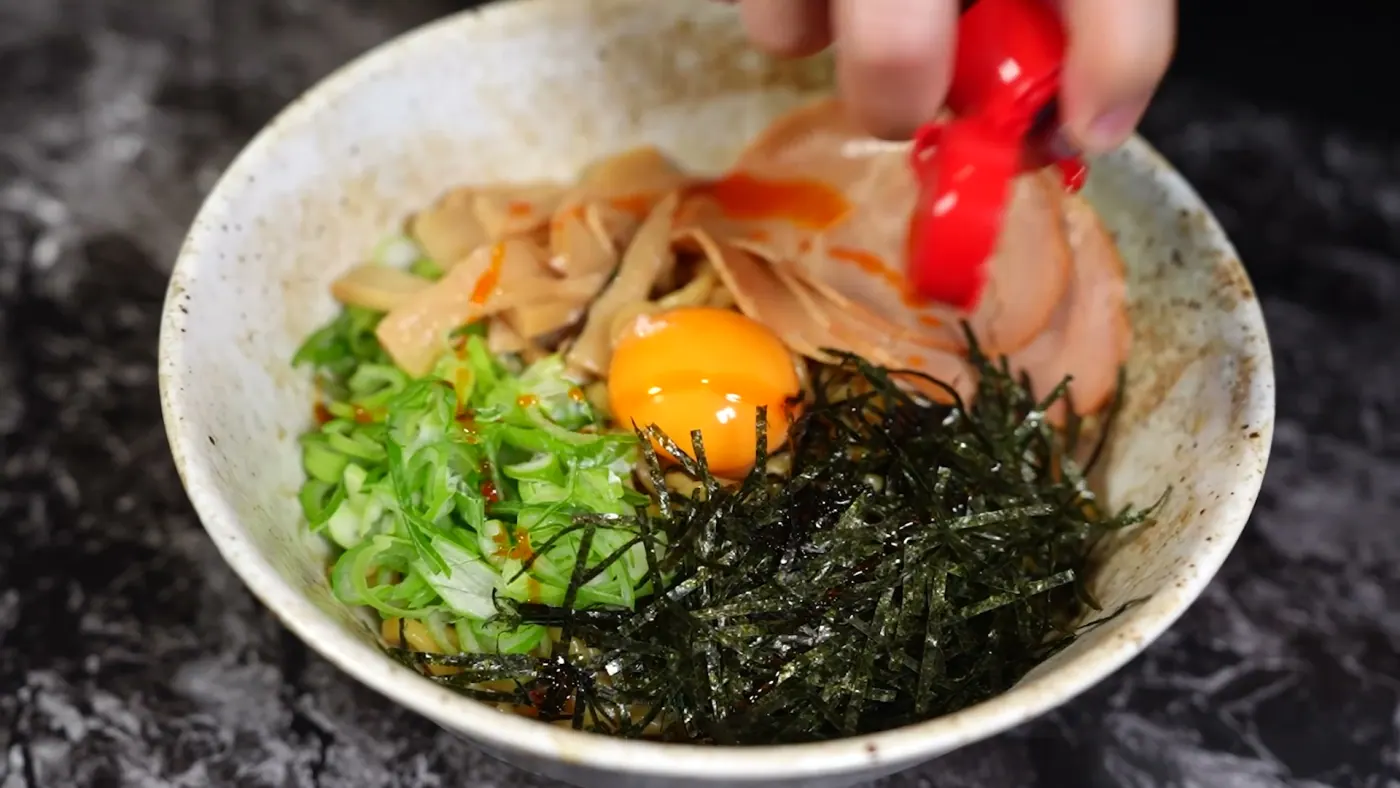
If you're using the egg yolk, make a small space in the middle and put it right in the center. Finally, drizzle some mildly spicy chili oil over the top if you like.
Mix before eating
Break the egg yolk, if you added one, and mix everything well with the noodles before you eat. The rich sauce and the creamy egg yolk are an amazing combination.
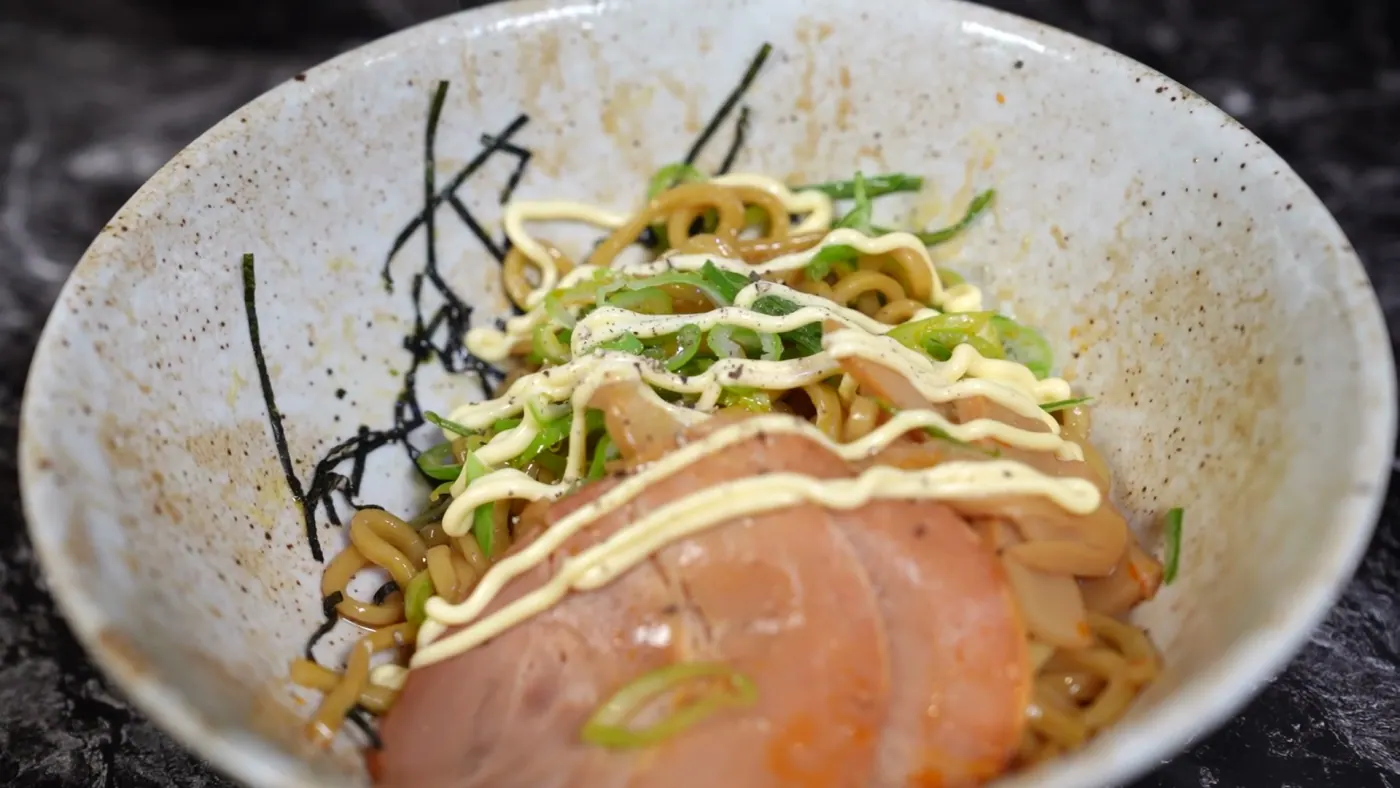
Variation: Mayo and Black Pepper
My favorite flavor twist: add mayonnaise and black pepper to the noodles. It turns into a rich, bold flavor. This is an optional finishing touch and not part of the recipe card above.
Tips and Key Points
Go easy on the soy sauce
A full tablespoon of soy sauce makes the sauce too strong. Use a little less, and taste before you add the noodles.
Don't skip the dashi
Dashi powder is what gives the sauce its ramen-shop flavor and aroma. If you don't have it, use bonito flakes.
Boiling water and a good drain
Add the noodles only when the water is fully boiling, and drain them well so the sauce doesn't get watered down.
Troubleshooting
Frequently Asked Questions
What can I use instead of dashi powder?
Bonito flakes (katsuobushi).
Which vinegar should I use?
Japanese rice vinegar or grain vinegar. Some vinegars from other countries have a stronger flavor, so taste the sauce and adjust it.
Why use thick noodles?
Thick noodles mix well with the sauce and have a more satisfying texture than regular ramen noodles.
What should I do if my noodles turned soft and soggy?
Make sure the water is fully boiling before you add the noodles, and keep the heat high while they cook.
What should I do if the pot keeps boiling over?
Lay a pair of chopsticks across the top of the pot. The bubbles hit the chopsticks and pop.
What should I do if the flavor is weak?
Drain the noodles well. Extra water dilutes the sauce.
Summary
Abura soba is ramen without the soup: mix soy sauce, vinegar, oyster sauce, dashi powder and sesame oil in a large bowl, toss in well-drained thick noodles, and cover them with green onion, menma, chashu, nori and an egg yolk. Break the yolk, mix and enjoy a ramen-shop bowl at home in about 10 minutes.
For another quick noodle dish, try wafu pasta, garlic and chili spaghetti finished with soy sauce.
麺Noodles油そば
Abura Soba (Japanese Soupless Ramen)
Abura soba is a popular ramen-shop dish in Japan: thick noodles tossed in a rich sauce instead of served in soup.
No ratings yet
Rate this recipe
- Prep
- 5 min
- Cook
- 5 min
- Total
- 10 min
- Servings
- 1
- Difficulty
- Beginner
Ingredients
Noodles
Special Sauce
Toppings
Ingredient amounts are multiplied; cooking times and pan size may need adjusting.
Instructions
Amounts mentioned in the steps are for the original recipe (1x) — use the scaled amounts above.
Make the Special Sauce
Add the soy sauce
You'll make the sauce in the same bowl you mix the noodles in later, so prepare one large bowl. First, add a little less than 1 tablespoon of soy sauce, the base of the flavor. A full tablespoon makes it too strong, so use a little less.
Add the vinegar
Add 1/2 tablespoon of vinegar. Japanese rice vinegar or grain vinegar is best. Some vinegars from other countries can have a stronger flavor, so be careful.
Add the oyster sauce
Add a little less than 1 tablespoon of oyster sauce for richness and umami. It's an essential ingredient for a deeper flavor.
Add the dashi powder
Now add the most important seasoning: 1/2 teaspoon of dashi powder. Just this makes the flavor and aroma much closer to restaurant quality. You can use bonito flakes instead of dashi powder.
Add the sesame oil
Finally, add 2 teaspoons of sesame oil. It adds a nice aroma and richness.
Mix the sauce
Mix everything well. Taste the sauce and adjust the flavor to your liking.
Boil the Noodles
Choose thick noodles
For abura soba, use noodles thicker than ramen noodles. Thick noodles mix well with the sauce and have a more satisfying texture.
Bring the water to a full boil
Fill a pot with plenty of water and bring it to a boil over high heat. Make sure the water is fully boiling before you add the noodles. If the water isn't boiling, starch comes out and the noodles turn soft and soggy.
Boil the noodles
Keep the heat high and boil 170g of noodles. Stir them now and then so they don't stick together, and boil for a little less than 3 minutes.
Drain the noodles well
When the noodles are cooked, turn off the heat and drain them in a strainer. Drain them well and remove as much water as you can. Too much water dilutes the sauce and makes the flavor weak.
Mix and Top
Toss the noodles in the sauce
Put the noodles straight into the bowl with the sauce. Mix well so the sauce coats all the noodles.
Add the toppings
In Japan, abura soba often comes with so many toppings that they cover the noodles completely. Add the classic chopped green onions, then seasoned bamboo shoots (menma). Chashu is a must-have topping for abura soba.
Add the nori
Add plenty of shredded nori where the noodles still show from above.
Add the egg yolk and chili oil
If you're using the egg yolk, make a small space in the middle and put it right in the center. Finally, drizzle some mildly spicy chili oil over the top if you like.
Mix before eating
Break the egg yolk, if you added one, and mix everything well with the noodles before you eat. The rich sauce and the creamy egg yolk are an amazing combination.
Video
Watch the video · 5:33Open on YouTube
Jump to a part of the video (8 chapters)
Video: https://youtu.be/e-BsYv9-83s
Notes
Substitutions
- Dashi powder: Use bonito flakes (katsuobushi) instead
- Vinegar: Japanese rice vinegar or grain vinegar is best. Some vinegars from other countries have a stronger flavor, so taste the sauce and adjust
- Noodles: Choose noodles thicker than regular ramen noodles
Nutrition estimated, per serving
- Calories
- 532 kcal
- Carbohydrates
- 98.7 g
- Protein
- 18.4 g
- Fat
- 10 g
- Saturated fat
- 1.7 g
- Fiber
- 9.1 g
- Sugar
- 0.9 g
- Sodium
- 1,935 mg
Estimated by us from the Standard Tables of Food Composition in Japan (MEXT, 2020). Optional ingredients and garnishes are not counted; soup and sauce are counted as fully eaten. Actual values depend on your brands and portion sizes. How we calculate this
Course: Noodles · Cuisine: Japanese · Keyword: Abura Soba
Recipe from Japanese Cooking Ichie — https://japanesecookingichie.com/recipes/abura-soba/
Make it a meal
Add a side dish to round out the table.
Ratings & comments
No ratings yet — be the first to rate this recipe.
Comments