What Are Ramen Noodles?
Ramen noodles are made from wheat flour, water, salt and kansui (かん水). Ramen itself grew out of Chinese wheat noodle soups and first took hold in Japan in the early 20th century, around Yokohama's Chinatown. That is why the noodles are still called chukamen, Chinese noodles, on Japanese packages.
Today every ramen style has its own noodle. Shops and factories adjust the thickness, the shape and the amount of water and kansui to match the soup.
What Is Kansui?
Kansui is an alkaline solution, usually a mix of potassium carbonate and sodium carbonate, sometimes with phosphates. It does three things to the dough. It turns natural pigments in the flour yellow, which gives ramen its pale golden color. It makes the noodles firmer and more elastic, so they stay springy in hot broth. And it gives them a slightly slippery surface and a distinctive aroma. Udon, by contrast, has no kansui, which is why it is white and softer.
Types of Ramen Noodles
- Thin and straight: the noodle for Hakata-style tonkotsu ramen. Our Ichiran-Style Tonkotsu Ramen uses thin dried noodles.
- Thick and wavy: the chewy noodle of Sapporo miso ramen, which holds a rich broth. Our Miso Ramen recommends thick noodles.
- Thin to medium and curly: the classic noodle for Tokyo-style shoyu ramen.
- Thick, flat and curly: used in some regional styles, such as Kitakata ramen.
Fresh, Dried or Instant?
- Fresh ramen noodles are sold chilled or frozen at Asian grocers. They have the best texture and cook in a few minutes.
- Dried ramen noodles keep in the pantry and are a convenient middle ground.
- Instant ramen blocks come precooked and dried, with a seasoning packet. Instant noodles were invented in Japan in 1958. For a homemade soup, you can use just the noodles and discard the packet.
How to Cook Ramen Noodles
- Use plenty of water at a full boil, so the noodles move freely and don't turn gummy.
- Follow the package time, then taste. Many people in Japan like ramen noodles on the firm side. In our Ichiran-style recipe, we cook them one minute less than the package says.
- Drain well. Shake off as much water as you can, or it will dilute the soup.
- Have the soup ready first. Warm the bowls and pour the hot soup in before the noodles are done, so the noodles go straight in.
Where to Buy Ramen Noodles
Asian grocers carry fresh ramen noodles in the chilled or frozen section, and dried noodles on the shelf. Look for the words ramen, chukamen or chuka soba on the label.
Ramen Noodle Substitutes
- Instant ramen blocks without the seasoning packet are the easiest swap.
- Spaghetti boiled with baking soda. Adding baking soda to the boiling water makes the water alkaline, so thin spaghetti comes out yellower, springier and more like ramen. Some cooks bake the baking soda in a low oven first, which turns it into the stronger sodium carbonate. Recipes vary in how much to use, so start with a small amount.
- Plain thin spaghetti works in a pinch, though it lacks the springy bite.
How to Store Ramen Noodles
Keep fresh noodles in the refrigerator and use them by the date on the pack; noodles sold frozen go straight back into the freezer. Dried and instant noodles keep in a cool, dry pantry. Cooked noodles soften quickly in soup, so cook them right before serving.
Recipes using Ramen noodles
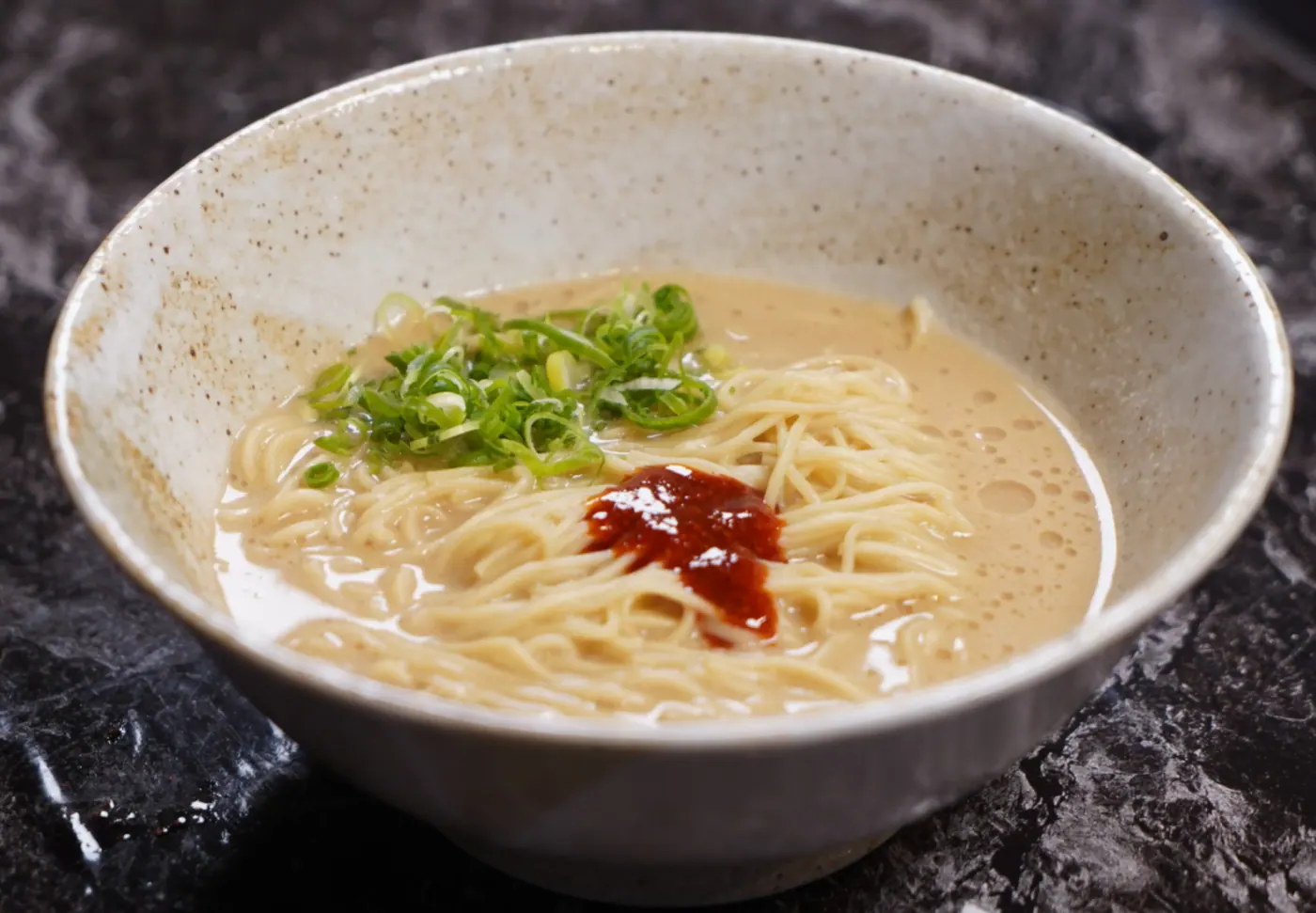
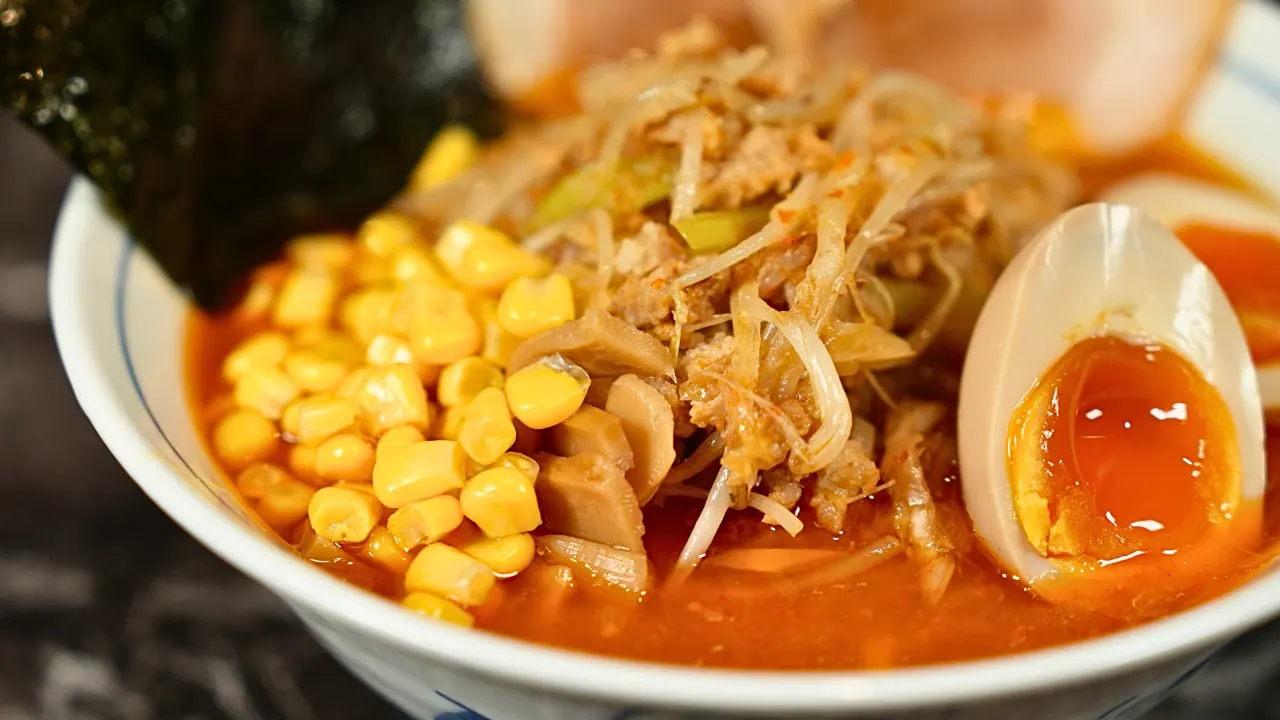
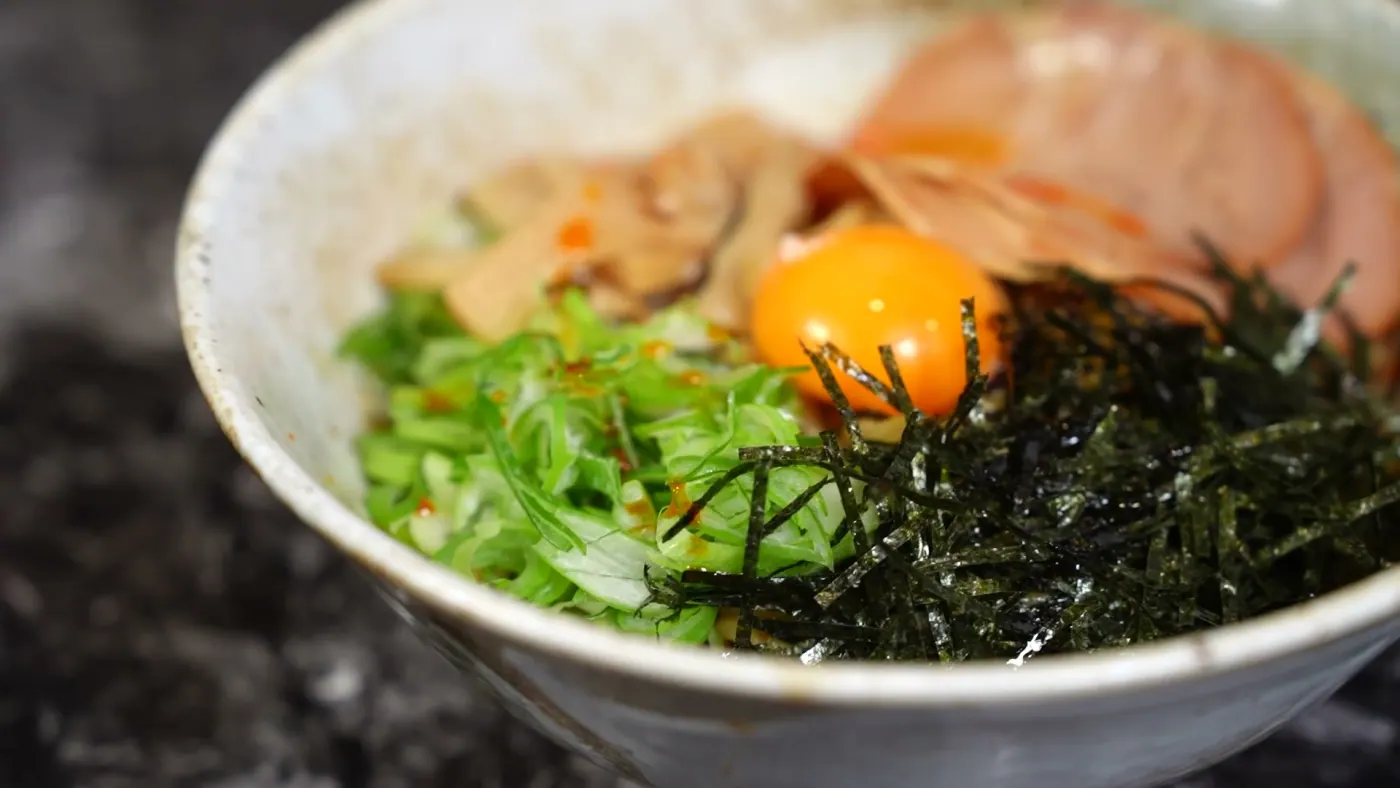
Frequently asked questions
Why are ramen noodles yellow?
Kansui, the alkaline solution in the dough, turns natural pigments in the wheat flour yellow.
Are ramen noodles gluten-free?
No. Ramen noodles are made from wheat flour and contain gluten. Avoid them if you have a wheat allergy or celiac disease.
Can I use spaghetti instead of ramen noodles?
Yes. Boil thin spaghetti with some baking soda in the water to make it springier and more ramen-like.
What is the difference between ramen and udon noodles?
Ramen noodles contain kansui, which makes them yellowish, springy and firm. Udon has no kansui, so it is white, thicker and softer.