What Is Sake in Japanese Cooking?
Sake is brewed from rice, rice koji and water. In the kitchen it is used less for its alcohol than for what comes with it: organic acids and umami compounds such as succinic acid that give food a rounder, more savory taste. It also covers up strong smells from meat and fish and helps marinades soften meat.
Sake usually goes in early, often with mirin, soy sauce and sugar, so the alcohol has time to cook off. The sake we use in our videos is salted ryorishu, Japanese cooking sake with salt added.
What Is Ryorishu (Cooking Sake)?
Ryorishu (料理酒) simply means sake for cooking, and in Japanese shops the name covers more than one kind of product. The one you are most likely to find is the salted kind.
Salted cooking sake is brewed like sake, but salt is added so that it is not drinkable. Under Japanese law that makes it a food seasoning rather than an alcoholic drink, so it avoids liquor tax, costs less and can be sold in ordinary supermarkets. It usually has around 2% salt, roughly a third of a gram per tablespoon, and some versions also contain sugars.
Unsalted cooking sake (料理清酒, ryoriseishu) is real sake made for cooking, with no salt added. It is taxed as alcohol, so it costs a little more.
How to Read a Ryorishu Label
The front of the bottle may just say 料理酒. The small print on the back tells you what is inside.
- 醗酵調味料 or 発酵調味料 (fermented seasoning) and 食塩 (salt) in the ingredients: salted cooking sake. Not for drinking.
- 清酒 (seishu) or 料理清酒: sake with no salt. The same thing as drinking sake, just made for the kitchen.
- 合成清酒 (synthetic sake): made from brewing alcohol with sugars and seasonings added to resemble sake. Cheaper, with less brewed flavor.
Can You Use Drinking Sake Instead?
Yes. An inexpensive, dry drinking sake works in every recipe that calls for sake or cooking sake. There is no need for anything expensive; a premium sake's delicate aroma is lost in cooking.
How to adjust: The sake in our videos is salted ryorishu. When you use drinking sake instead, the dish will be a touch less salty, by about a third of a gram of salt per tablespoon of sake, so add a small pinch of salt or a few drops of soy sauce, and taste near the end. Going the other way, if a recipe was written for drinking sake and you use salted ryorishu, hold back a little salt or soy sauce and adjust after tasting.
How to Use Sake
- Marinate meat. It goes into the ginger marinade for our Shogayaki.
- Simmer. Sake is part of the cooking liquid in our Kakuni, Gyudon and Oyakodon.
- Steam. A splash in a covered pan steams meatballs in our Tsukune.
- Make a mirin substitute. Sake plus sugar or honey stands in for mirin in our Mirin Substitute.
Where to Buy Cooking Sake
Asian and Japanese grocers usually stock salted ryorishu next to the soy sauce and mirin. Unsalted cooking sake and inexpensive drinking sake are sold where alcohol is sold. Either is fine. If the back label shows no salt (食塩), add a little salt when you cook with it.
Sake Substitutes
- Dry white wine. Our Hambagu lists it as an option. The flavor is fruitier.
- Dry sherry or Chinese Shaoxing wine. Both work in simmered dishes and marinades. They taste stronger, so taste as you go.
- No alcohol. Use the same amount of water. You lose some depth, but the recipe still works.
How to Store Sake
Keep the bottle tightly capped in a cool, dark place, away from heat and strong-smelling foods, since sake can pick up odors. Follow the label for how long to use it after opening.
Recipes using Sake
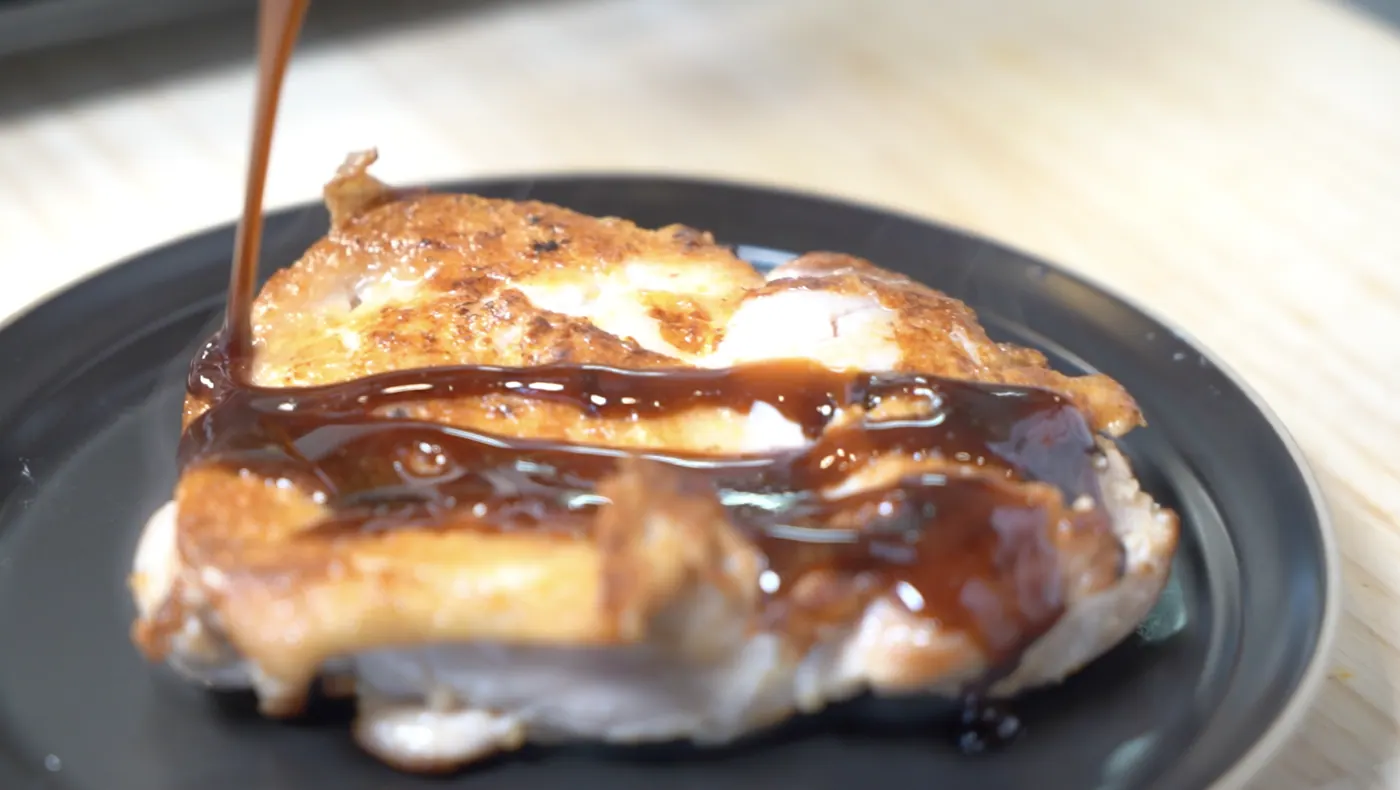
Sauces & Condiments照り焼きのタレ
Teriyaki Sauce
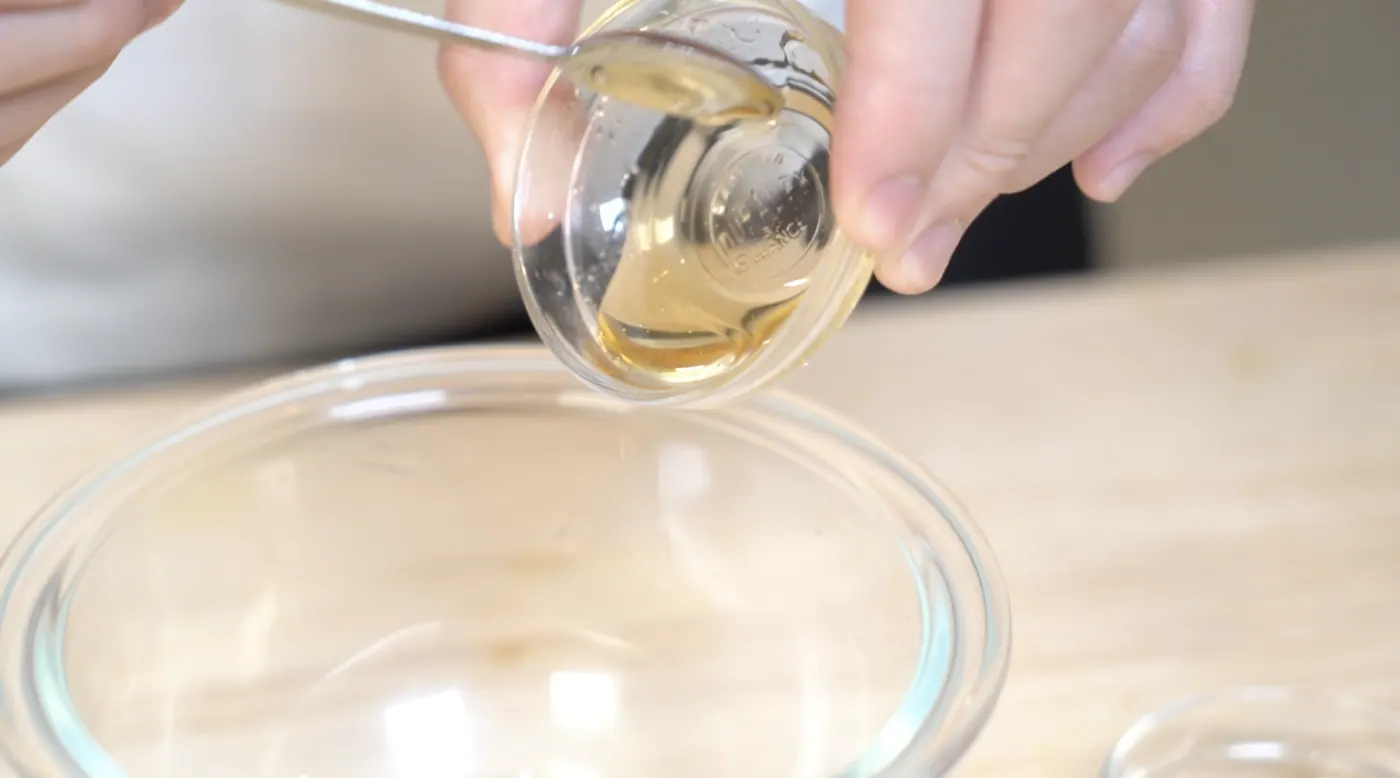
Sauces & Condimentsみりんの代用
Mirin Substitute
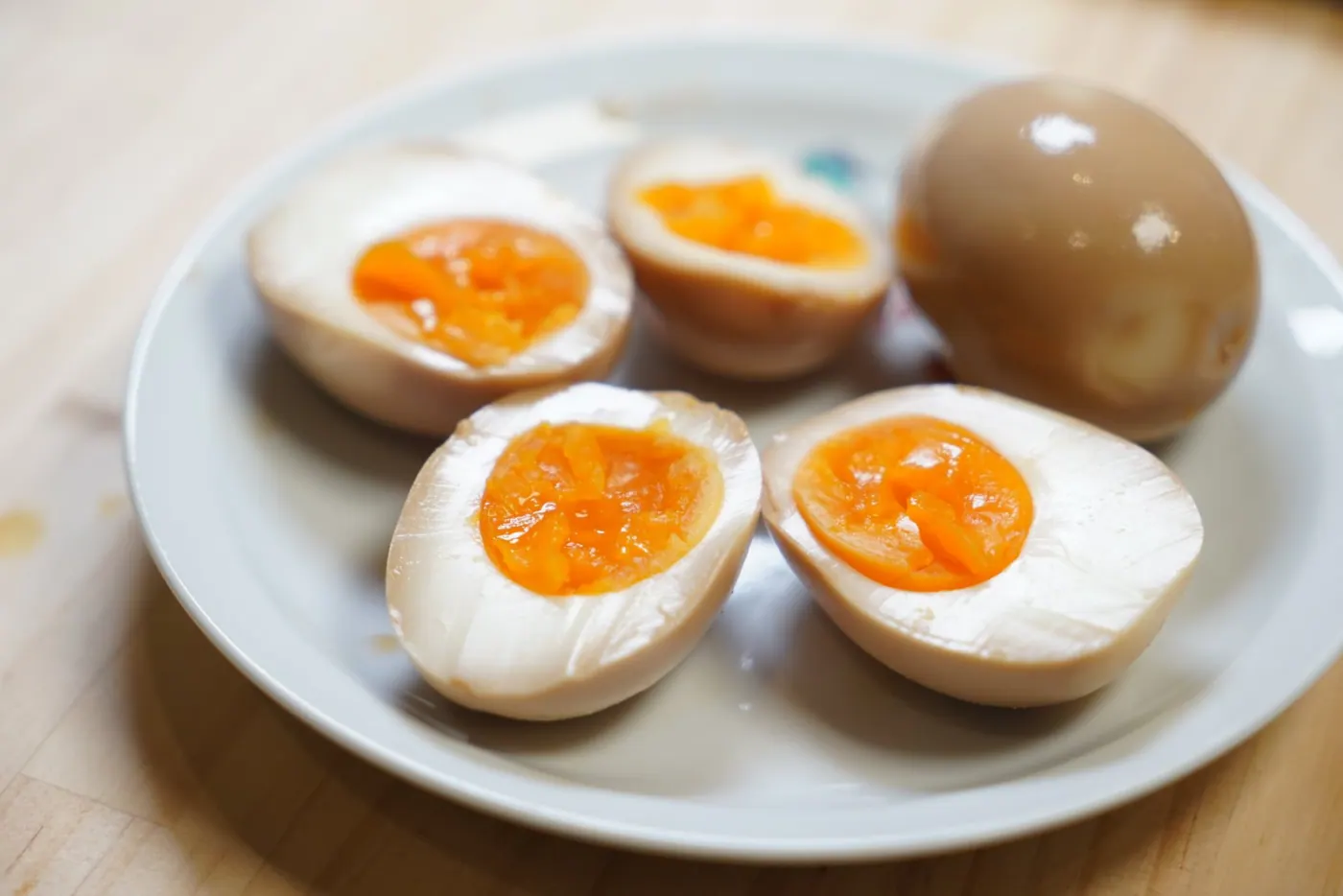
Appetizers & Sides煮卵(味玉)
Ramen Egg
Ajitama / Nitamago, Soy-Marinated Soft-Boiled Eggs
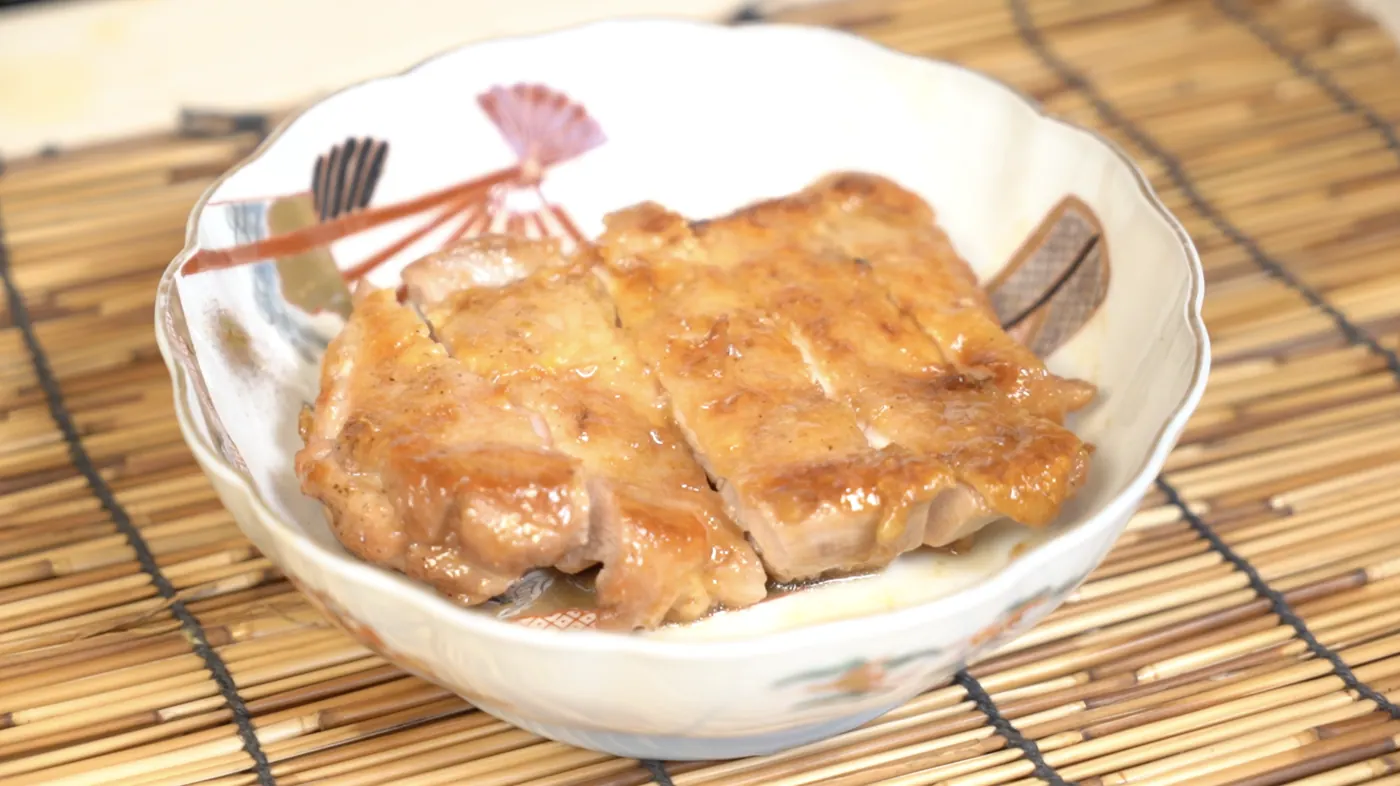
Main Dish鶏の照り焼き
Teriyaki Chicken
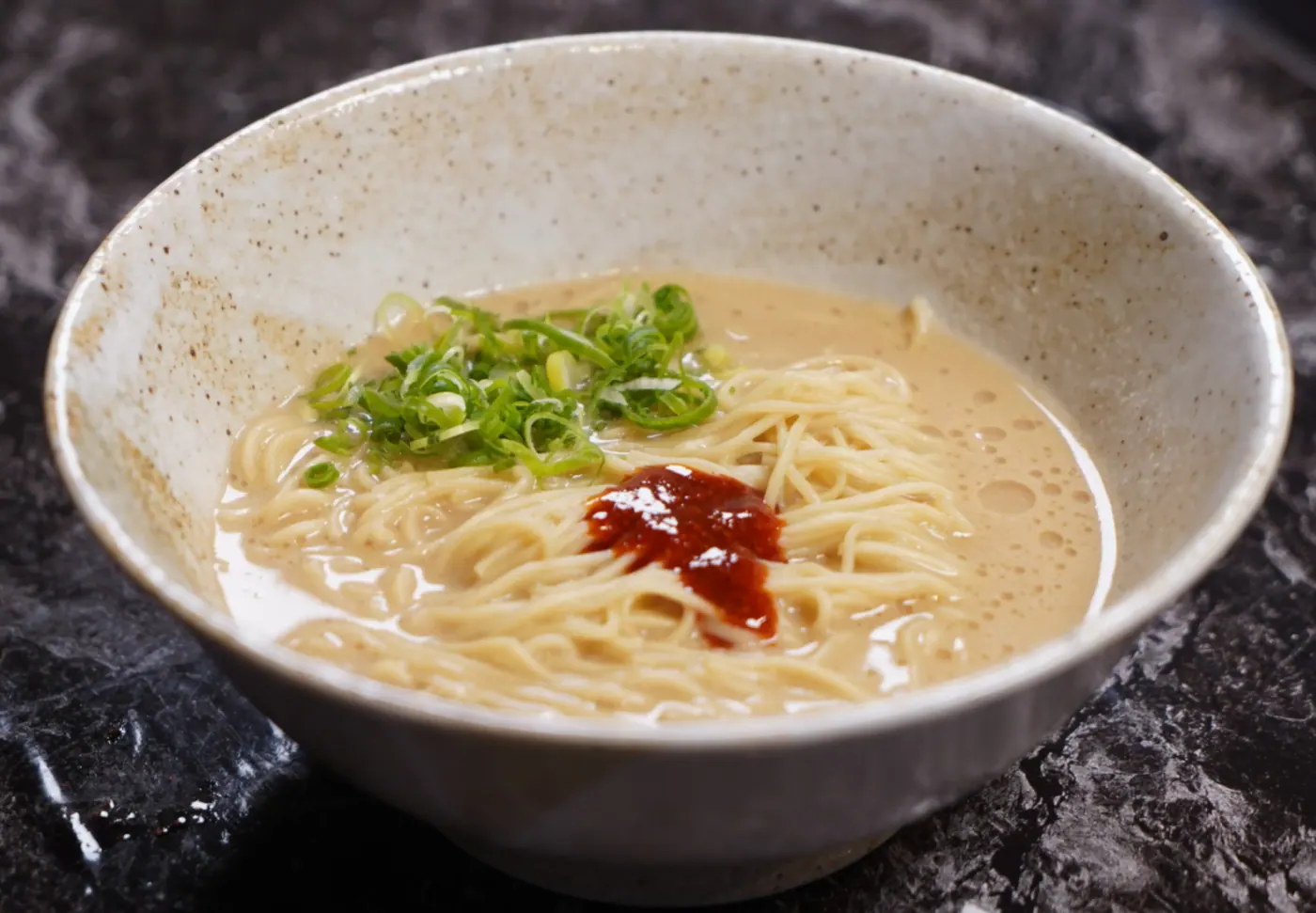
Noodles豚骨ラーメン
Ichiran-Style Tonkotsu Ramen
Quick 15-Minute Recipe
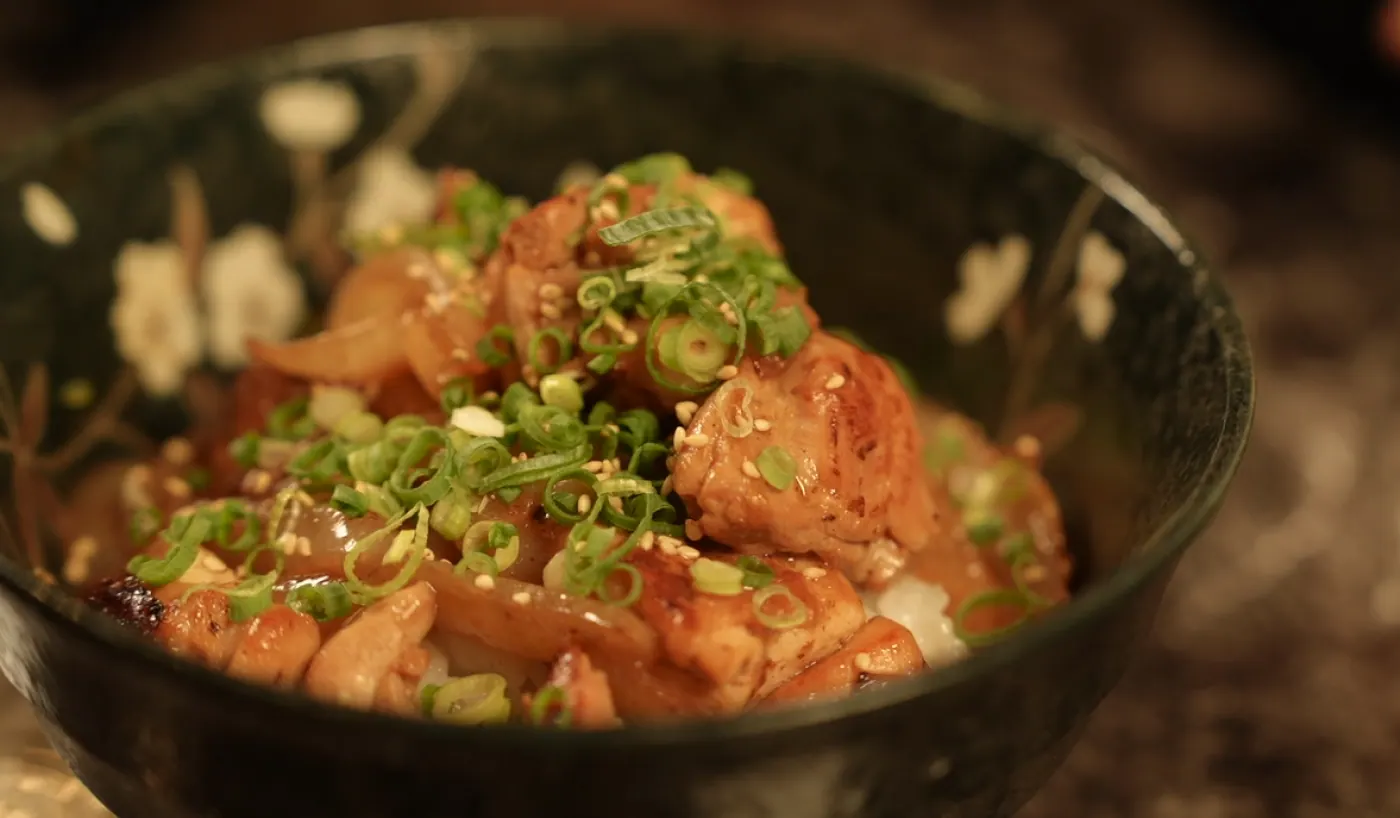
Rice Bowl鶏丼
Chicken Don
Japanese Chicken Donburi Rice Bowl
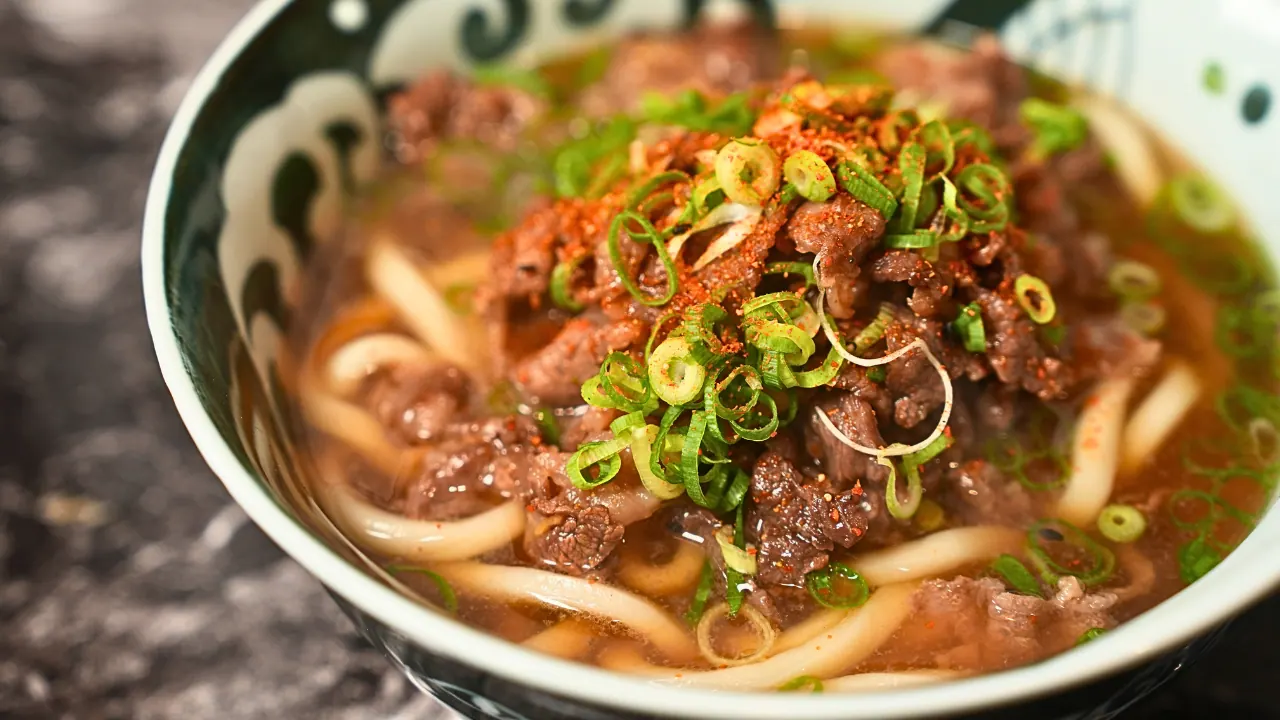
Noodles肉うどん
Niku Udon
Beef Udon Noodles
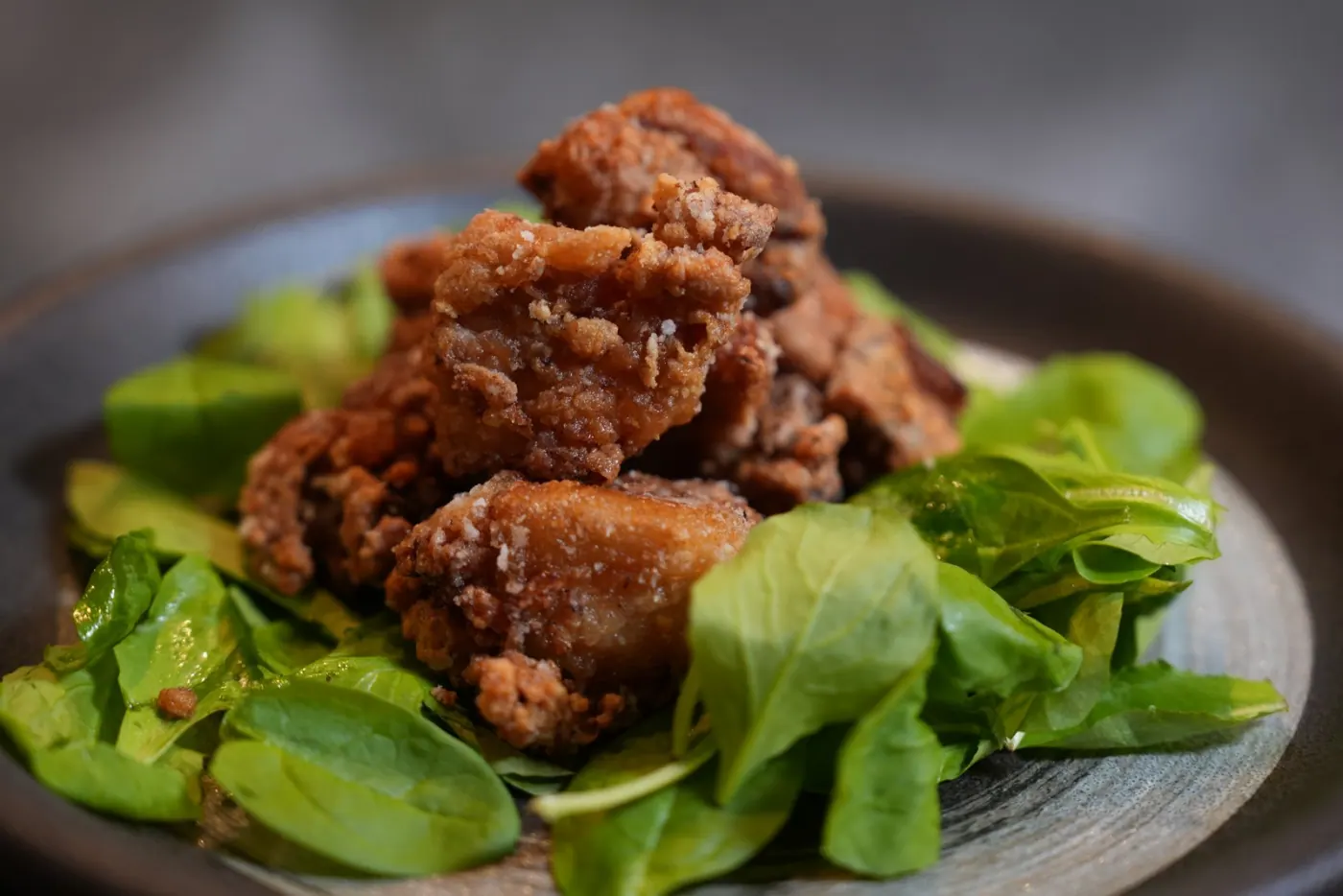
Main Dish鶏の唐揚げ
Karaage
Japanese Fried Chicken
Frequently asked questions
Can I drink ryorishu?
Not the salted kind. It has salt added on purpose so that it is not drinkable. Unsalted cooking sake (料理清酒) is real sake, but it is made for cooking.
Can I use drinking sake instead of cooking sake?
Yes. Use the same amount. The cooking sake in our videos has salt added, so when you use drinking sake, add a small pinch of salt.
Does the alcohol cook off?
Most of it evaporates during cooking. To cook off more, let the dish bubble uncovered for a while after adding the sake.