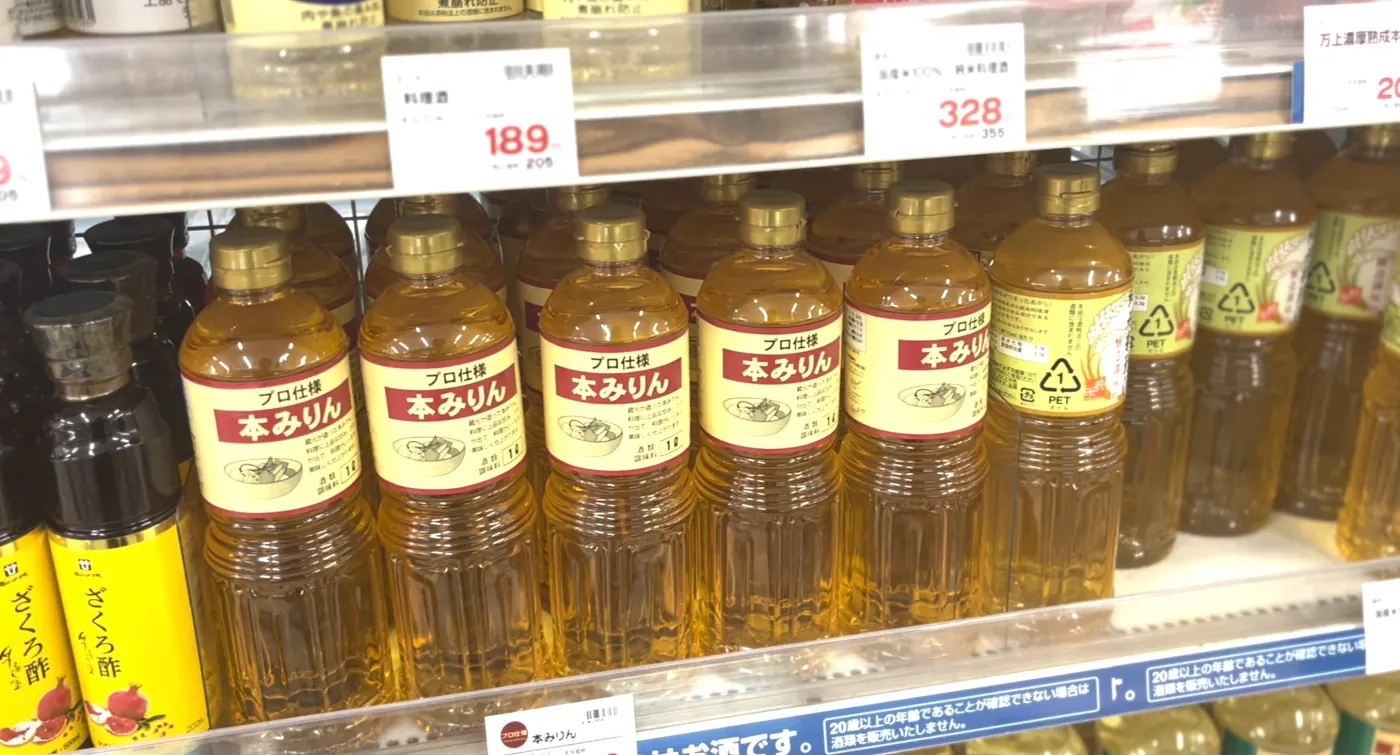
What Is Mirin?
Mirin is made by mixing steamed glutinous rice and rice koji with distilled alcohol and letting it rest for weeks or months. The koji slowly turns the starch in the rice into sugars, and the result is a golden, sweet liquid with a rich, rounded flavor.
Japanese cooks use it alongside soy sauce, sake and sugar. It sweetens, but it also gives food a shine, helps sauces cling, softens strong smells from meat and fish, and helps ingredients keep their shape while they simmer.
What Does Mirin Taste Like?
Straight from the bottle, hon-mirin tastes sweet and mellow with a light alcohol edge, a bit like a dessert wine but without the fruit. Once cooked, the alcohol fades and what remains is a soft, layered sweetness that is less sharp than plain sugar.
Types of Mirin and How to Read the Label
English labels are not consistent, so read the Japanese name and the ingredient list rather than the front of the bottle.
- Hon-mirin (本みりん, true mirin): about 14% alcohol. Ingredients are rice, glutinous rice, rice koji and alcohol. In Japan it is legally an alcoholic drink. This is the best choice for flavor.
- Mirin-style seasoning (みりん風調味料, mirin-fu chomiryo): less than 1% alcohol, usually made from glucose syrup and flavorings. Cheaper and fine for everyday cooking, but sweeter and flatter.
- Salted mirin-type seasoning (発酵調味料): made from rice, rice koji and alcohol like mirin, but with salt added. Some are sold as aji-mirin, such as Kikkoman's Manjo Aji-Mirin. If you use one, go a little easier on salt or soy sauce.
How to Use Mirin
- Teriyaki and glazes. Mirin, soy sauce and sugar make a classic teriyaki sauce. See our Teriyaki Sauce and Teriyaki Chicken.
- Rice bowls and simmered dishes. It sweetens the cooking liquid in our Gyudon, Oyakodon and Butadon.
- Noodle broths and sauces. It rounds out the broth in our Niku Udon and the citrus soy sauce in our Ponzu.
- Cook off the alcohol for raw uses. For a dressing or dip that will not be heated, bring the mirin to a brief boil first so the alcohol evaporates.
Where to Buy Mirin
Most large supermarkets keep mirin in the Asian or international aisle, but the bottle there is often a mirin-style seasoning. For hon-mirin, try an Asian or Japanese grocer or an online shop, and look for 本みりん on the label. Takara and Kikkoman (Manjo) are common Japanese makers.
Mirin Substitutes
- Sake plus sugar or honey. Our Mirin Substitute uses 1 tablespoon sake with 1 teaspoon sugar, or 1 tablespoon sake with 1/2 teaspoon honey, to replace 1 tablespoon mirin.
- Mirin-style seasoning. Works in any recipe; the result is a little sweeter and less complex.
- Alcohol-free. Leave the mirin out and add a little sugar to taste. The dish will have less shine and depth, but it still works.
How to Store Mirin
Keep hon-mirin tightly capped in a cool, dark cupboard. It does not need the fridge; in fact, cold can make some of its sugar crystallize into white lumps. The crystals are harmless and the mirin is still fine to use. Kikkoman suggests using an opened bottle of hon-mirin within about two months.
Low-alcohol mirin-style seasonings spoil more easily, so follow the label; many ask you to refrigerate them after opening.
Recipes using Mirin
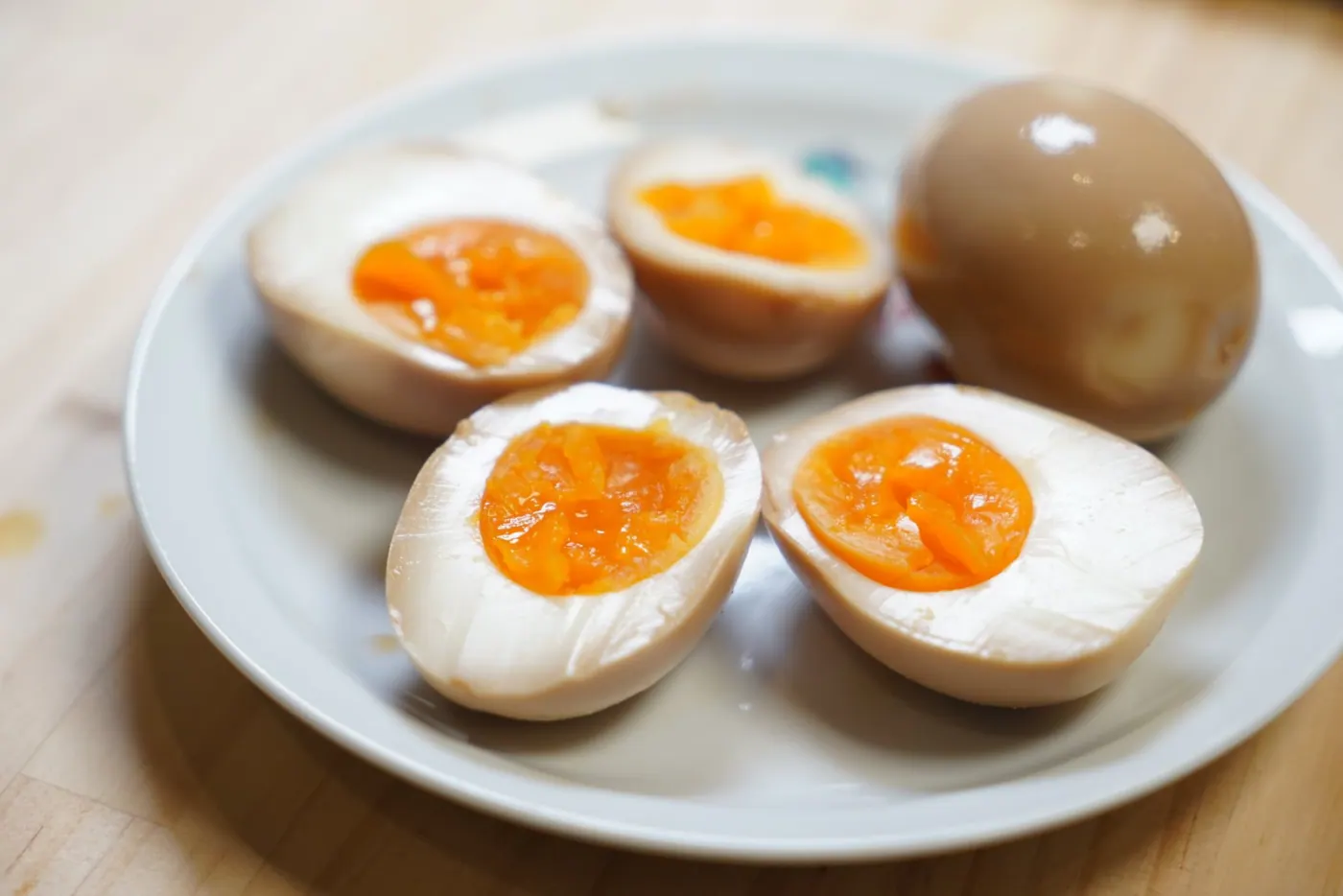
Appetizers & Sides煮卵(味玉)
Ramen Egg
Ajitama / Nitamago, Soy-Marinated Soft-Boiled Eggs
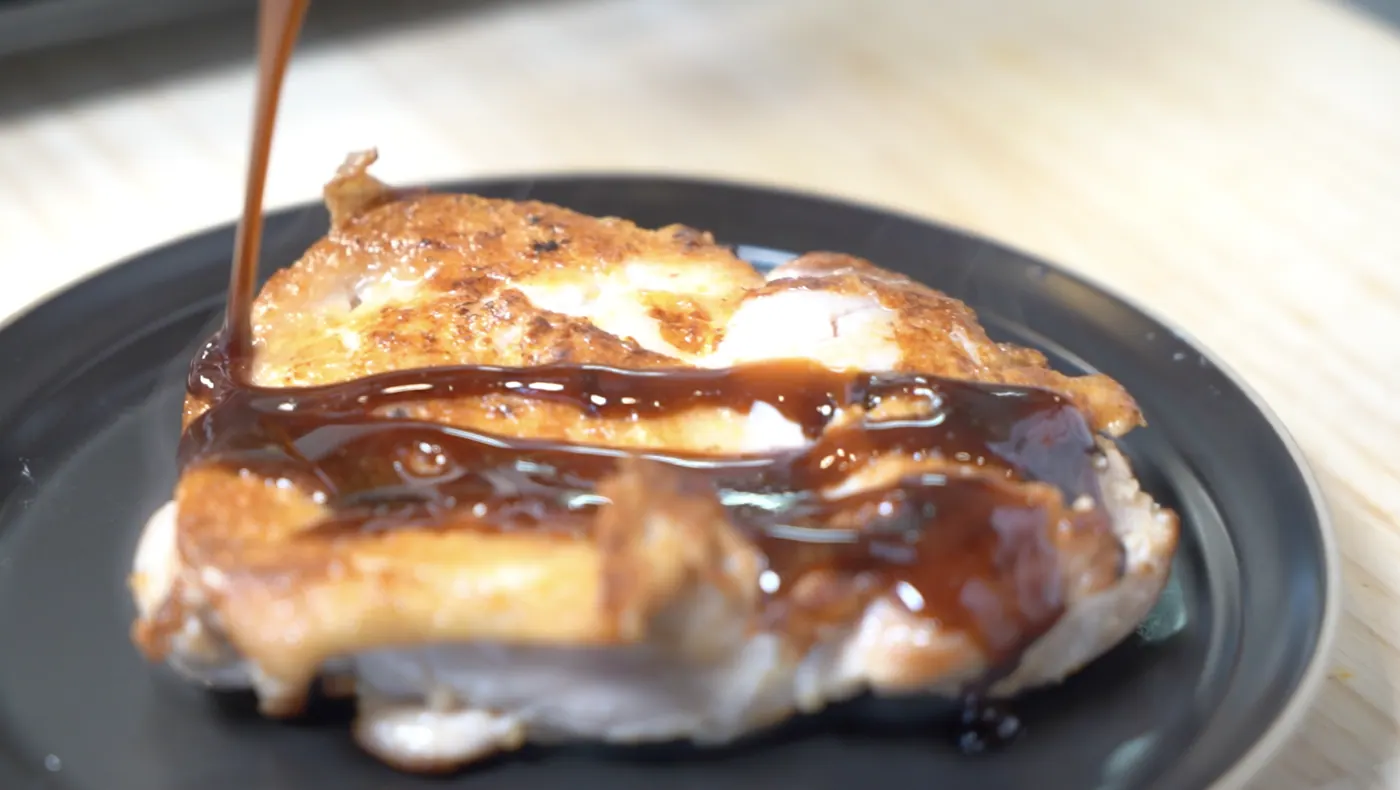
Sauces & Condiments照り焼きのタレ
Teriyaki Sauce
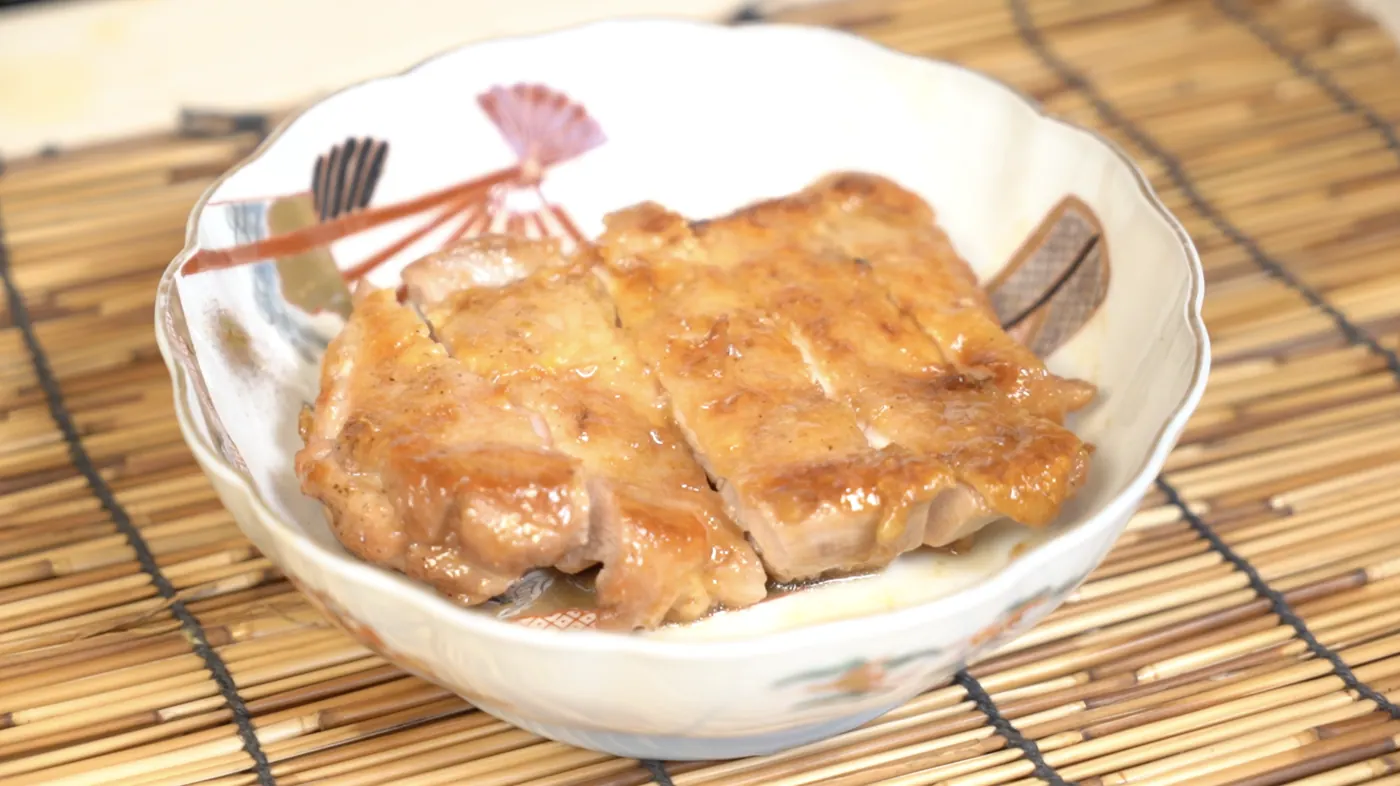
Main Dish鶏の照り焼き
Teriyaki Chicken
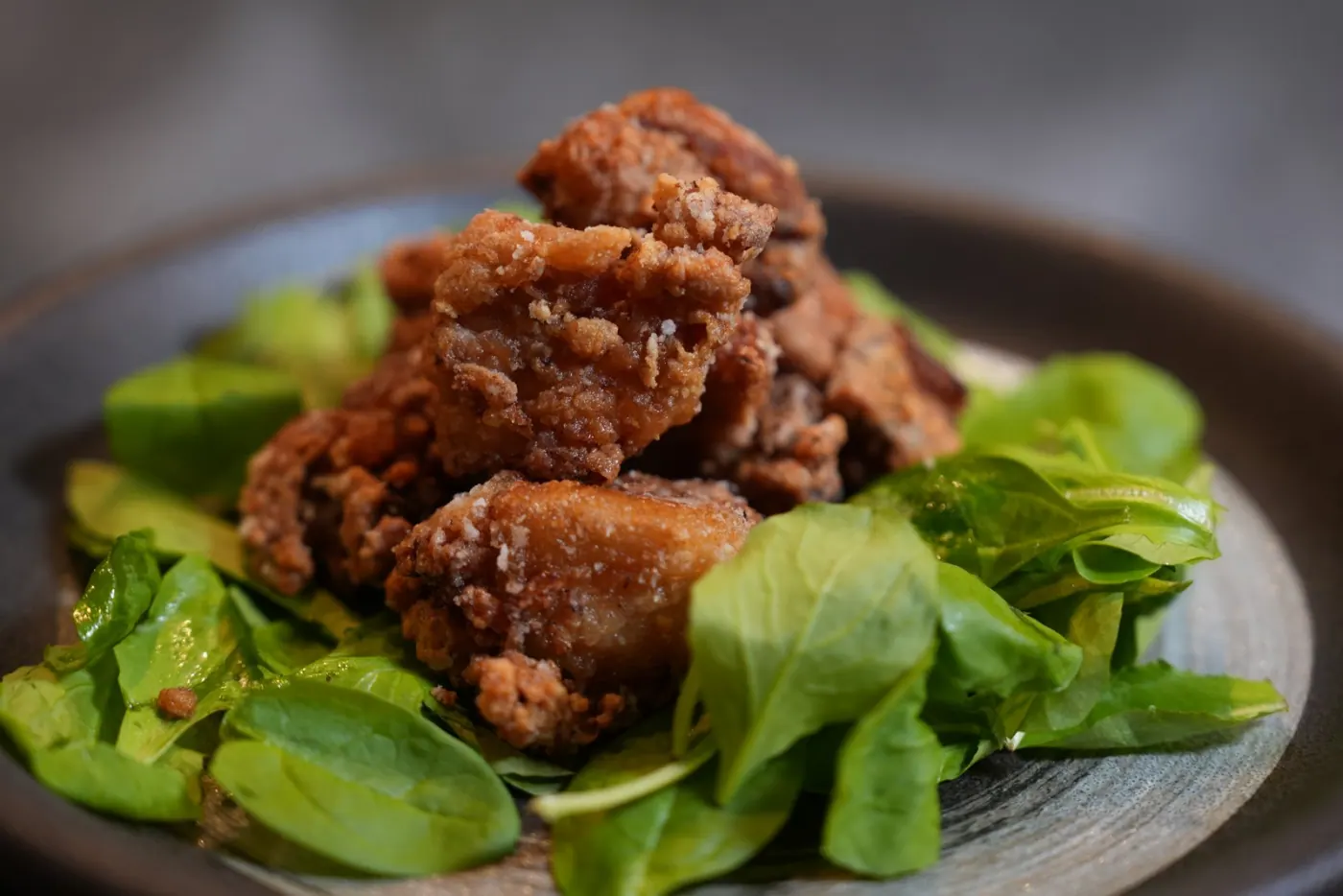
Main Dish鶏の唐揚げ
Karaage
Japanese Fried Chicken
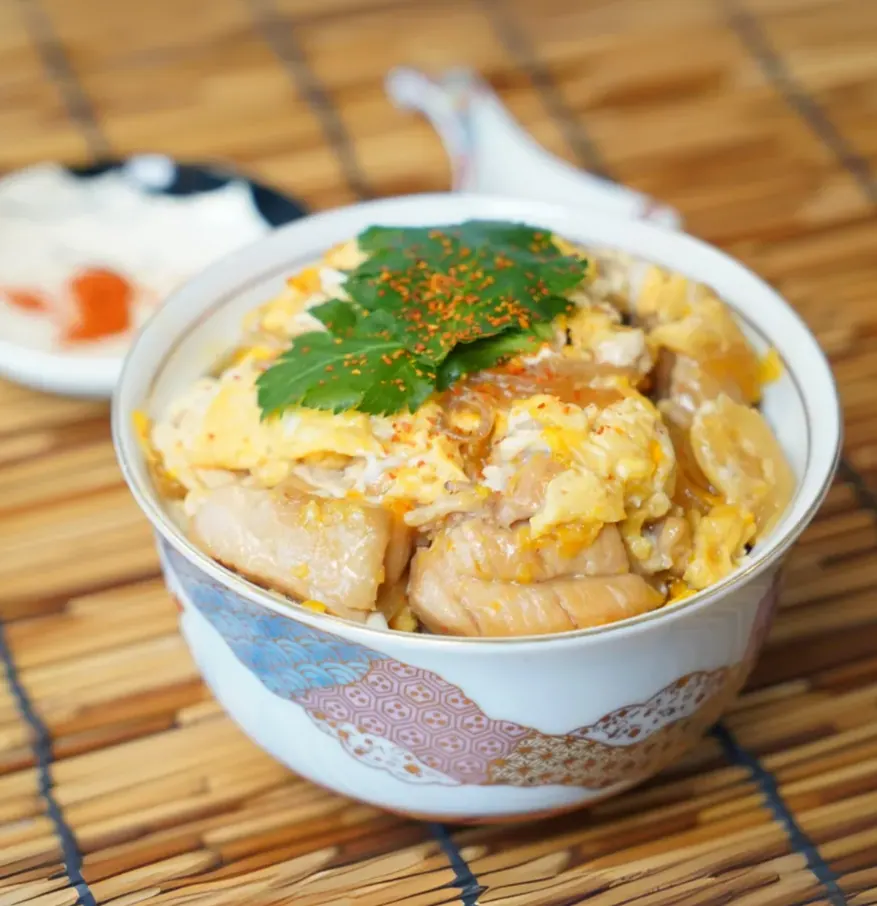
Rice Bowl親子丼
Oyakodon
Chicken and Egg Rice Bowl
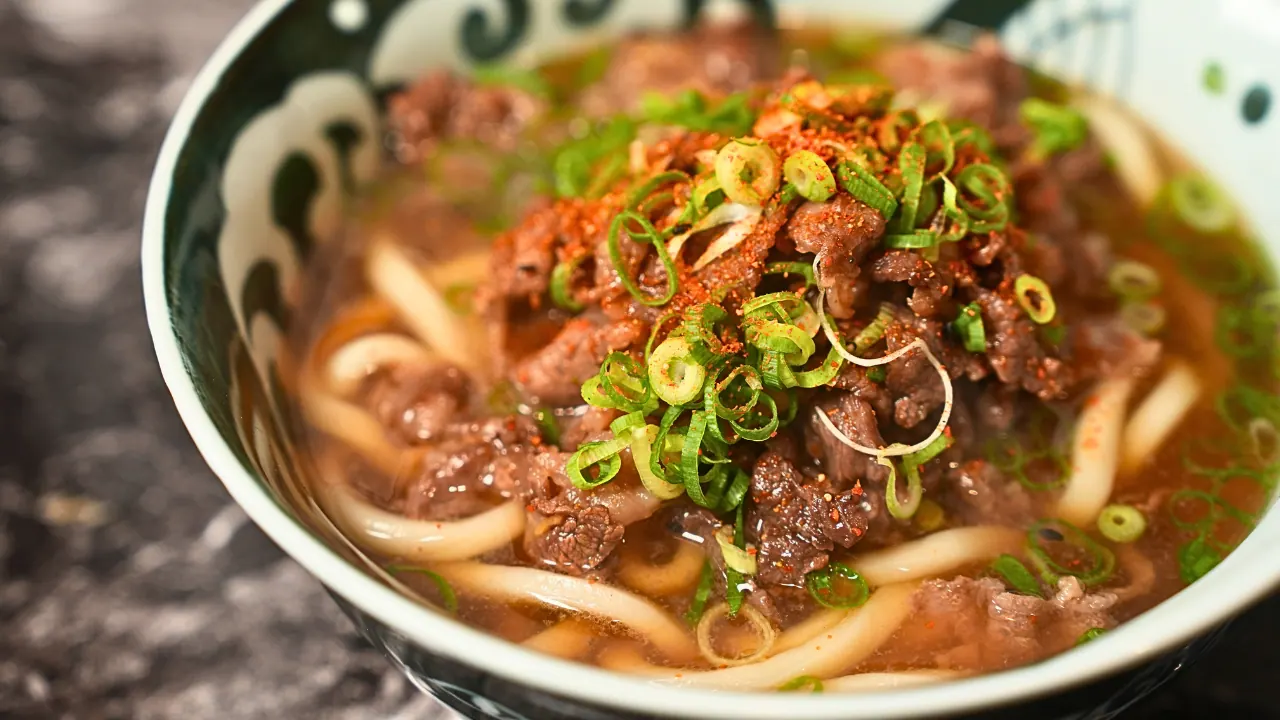
Noodles肉うどん
Niku Udon
Beef Udon Noodles
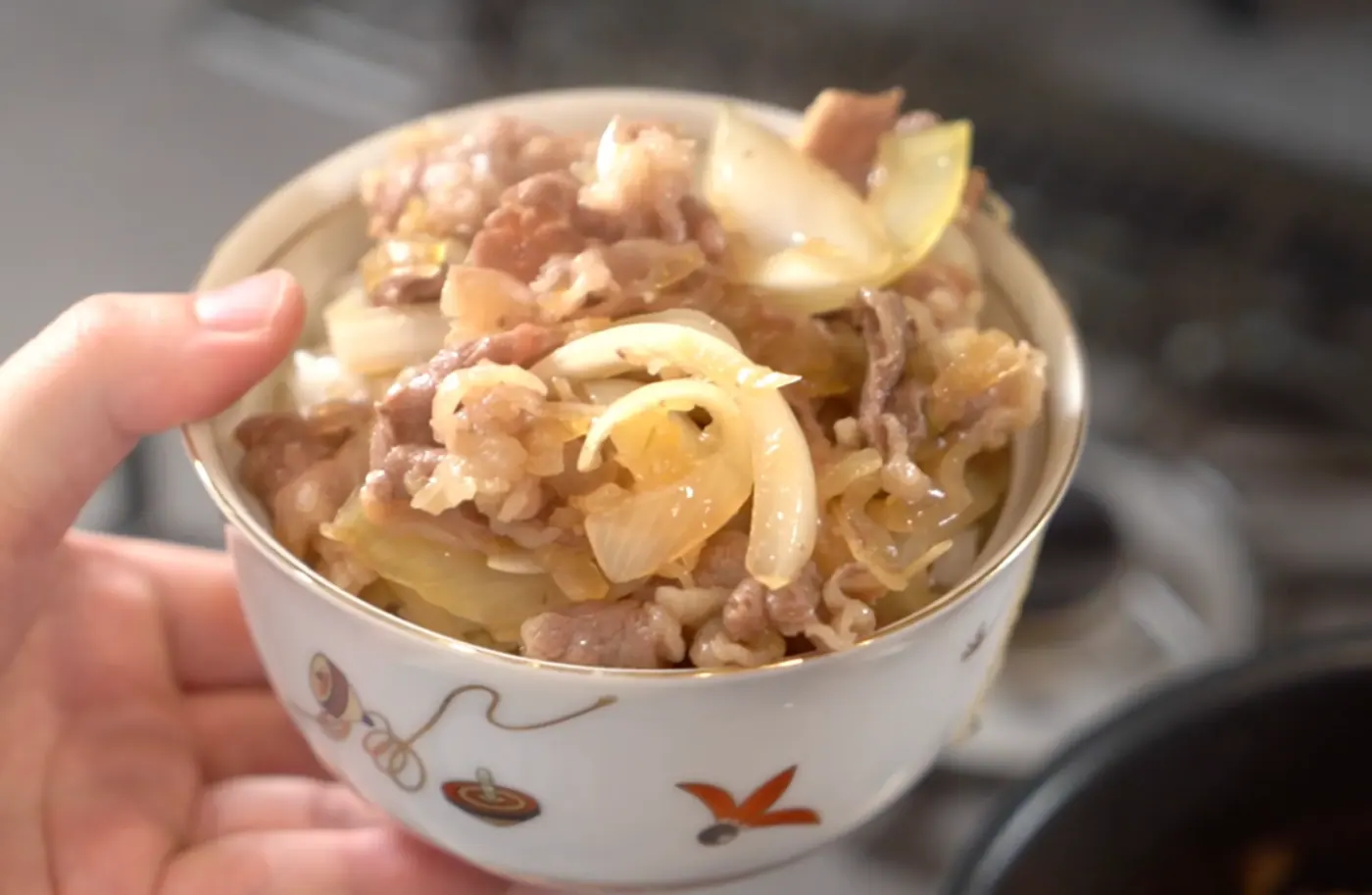
Rice Bowl牛丼
Gyudon
Japanese Beef Rice Bowl
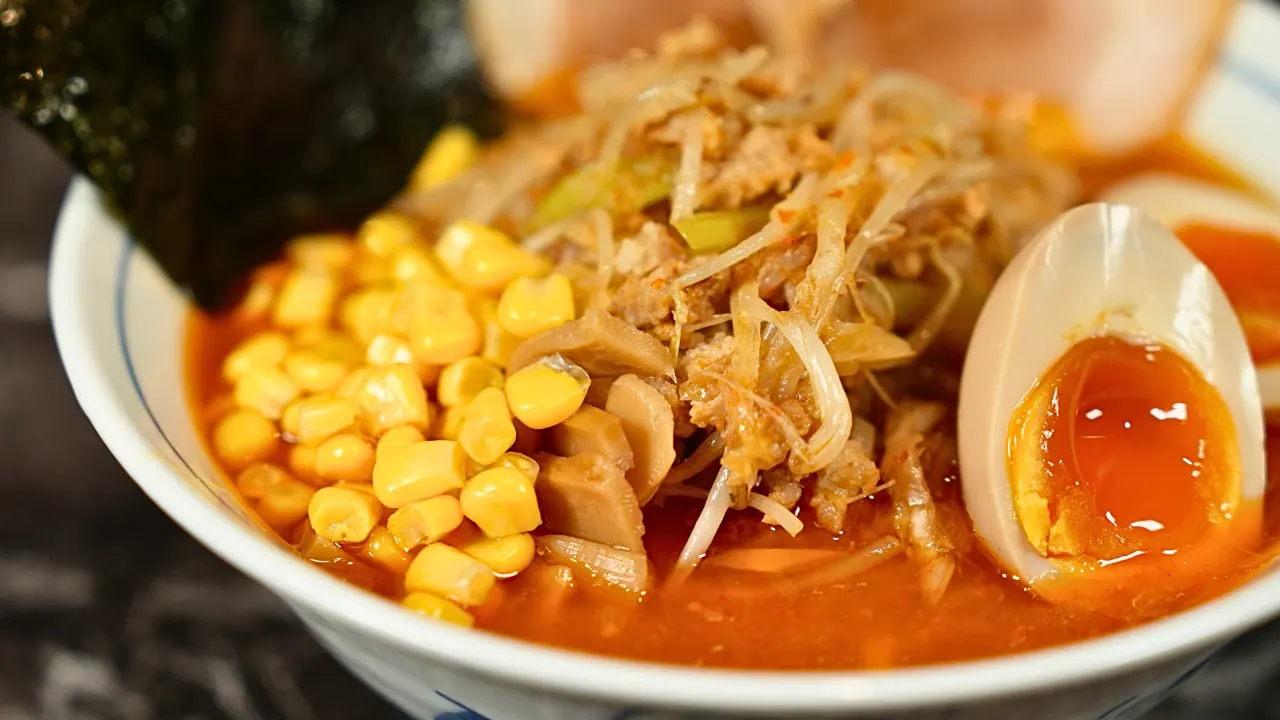
Noodles味噌ラーメン
Miso Ramen
Japanese Miso Noodle Soup
Frequently asked questions
Does mirin contain alcohol?
Hon-mirin has about 14% alcohol, most of which evaporates during cooking. Mirin-style seasoning has less than 1%.
Is mirin the same as rice vinegar?
No. Mirin is sweet and mellow; rice vinegar is sour. They are not interchangeable.
Do I need to refrigerate mirin?
Hon-mirin is best kept in a cool, dark place, because the fridge can make its sugar crystallize. Mirin-style seasonings often need the fridge after opening; check the label.
What are the white crystals in my mirin?
They are sugar that came out of the liquid, usually after the bottle was kept cold. They are safe, and the mirin is still usable.