What Is Negi?
In Japan, negi (ねぎ) is a whole family of onions that are eaten for their stalks and leaves rather than a round bulb. You will find them in almost every Japanese kitchen. Sliced raw, they are a fresh, sharp garnish for noodles, rice bowls, tofu and miso soup. Cooked, they turn soft and sweet and add aroma to stir-fries, hot pots and braises.
Traditionally, eastern Japan (the Kanto region, around Tokyo) favors the thick white type, while western Japan (Kansai, around Osaka and Kyoto) favors the slender green type. Today both are sold all over the country.
Types of Negi
- Naganegi (長ねぎ, long onion), also called shironegi (white onion): thick stalks with a long white part. Farmers heap soil around the stems so they stay white and tender. It looks like a slim leek and is used mainly for its white part, cooked or finely shredded raw.
- Aonegi (青ねぎ, green onion): slender onions eaten mainly for their green leaves. Kujo negi from Kyoto is a famous variety. The thin, all-purpose kind sold in bunches is often called banno negi, meaning all-purpose onion.
- Asatsuki and wakegi: thinner relatives used mostly as condiments or in dressed side dishes.
What Does Negi Taste Like?
Raw green onion is crisp and sharp, with a mild onion bite. Naganegi is sharper when raw and becomes very sweet and soft when grilled or simmered. If raw sliced onion is too strong for you, soak it briefly in cold water; this mellows the bite, though it also takes away some flavor.
How to Use Green Onion
- As a garnish. Thinly sliced rounds go on almost anything: noodle soups, rice bowls and fried tofu such as our Agedashi Tofu.
- As the main flavor. In our Mugen Kyuri, lots of minced green onion is tossed with cucumber. The recipe shows a quick trick: make shallow diagonal cuts along the onion first, then slice across, and it falls into fine pieces.
- To remove meaty smells. The green tops are added to the pot when blanching pork. In our Kakuni, they are torn by hand so more aroma comes out.
- As a cooked vegetable. Cut on the diagonal and stir-fried, it turns sweet, as in our Garlic Butadon.
- Shiraga negi. The white part cut into very fine threads makes an elegant topping, like the one suggested on our Kakuni.
Where to Buy Negi
Scallions from any supermarket are a good match for aonegi and are the easiest choice for garnishes. Some recipes, such as our Kakuni and Garlic Butadon, use the thick white part of naganegi; if you can't find it, see the substitutes below. Asian grocers sometimes sell naganegi, often labeled Japanese long onion or Tokyo negi. Choose bunches with firm, bright green leaves and no slimy or yellowing parts.
Green Onion Substitutes
- Chives are a good stand-in for sliced green onion as a raw garnish.
- Leek is the closest swap for naganegi in cooked dishes. Use the white and light-green part, sliced thinly, and cook it a little longer.
- Scallion whites can stand in for naganegi when you only need a small amount.
How to Store Green Onions
Thin green onions: slice them, line a container with paper towel, add the onions and keep it in the fridge.
Naganegi: cut it into pieces that fit your fridge, wrap them in paper towel and store them upright in a bag in the refrigerator.
Recipes using Green onion
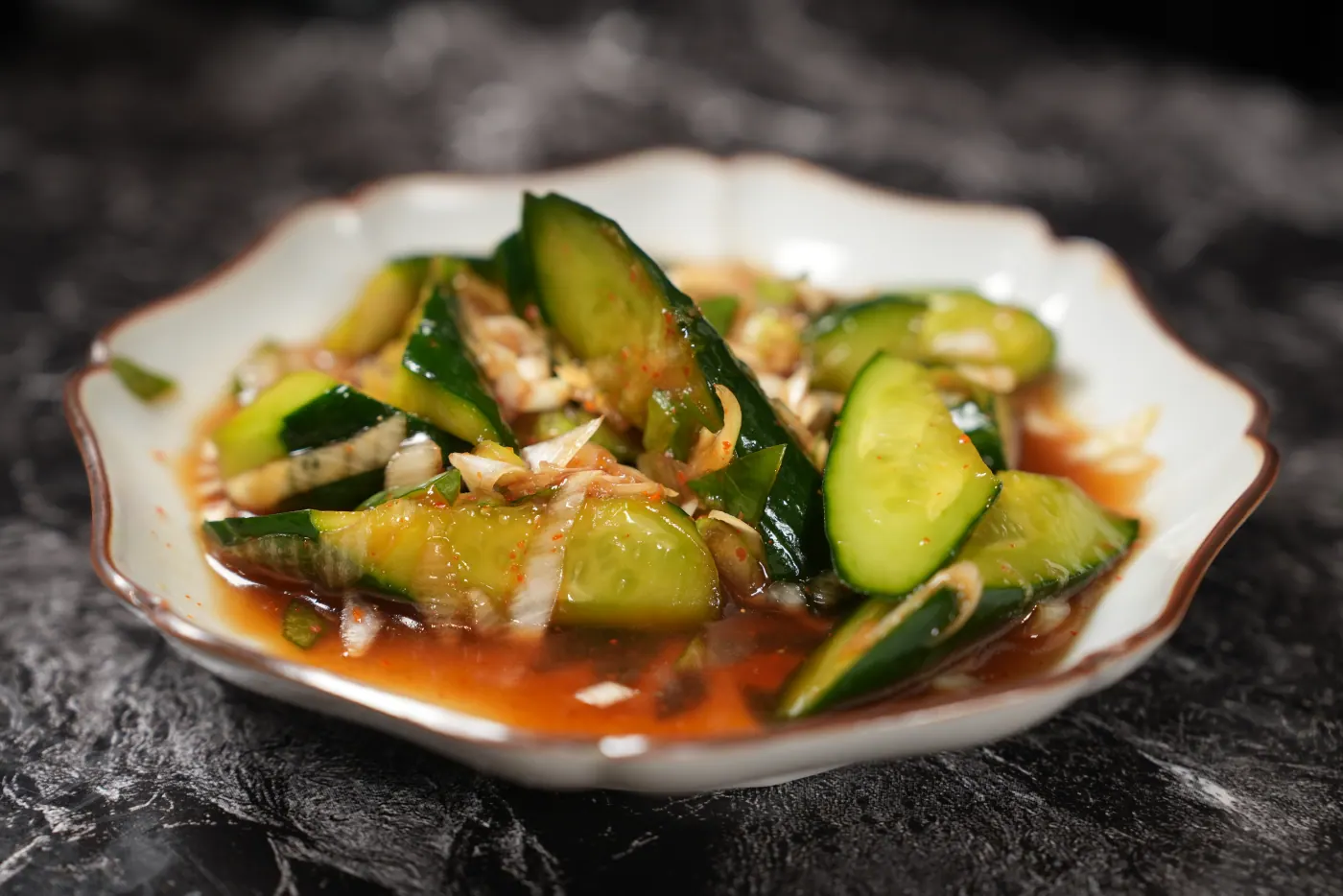
Appetizers & Sides無限きゅうり
Mugen Kyuri
Addictive Cucumber Salad with Green Onion
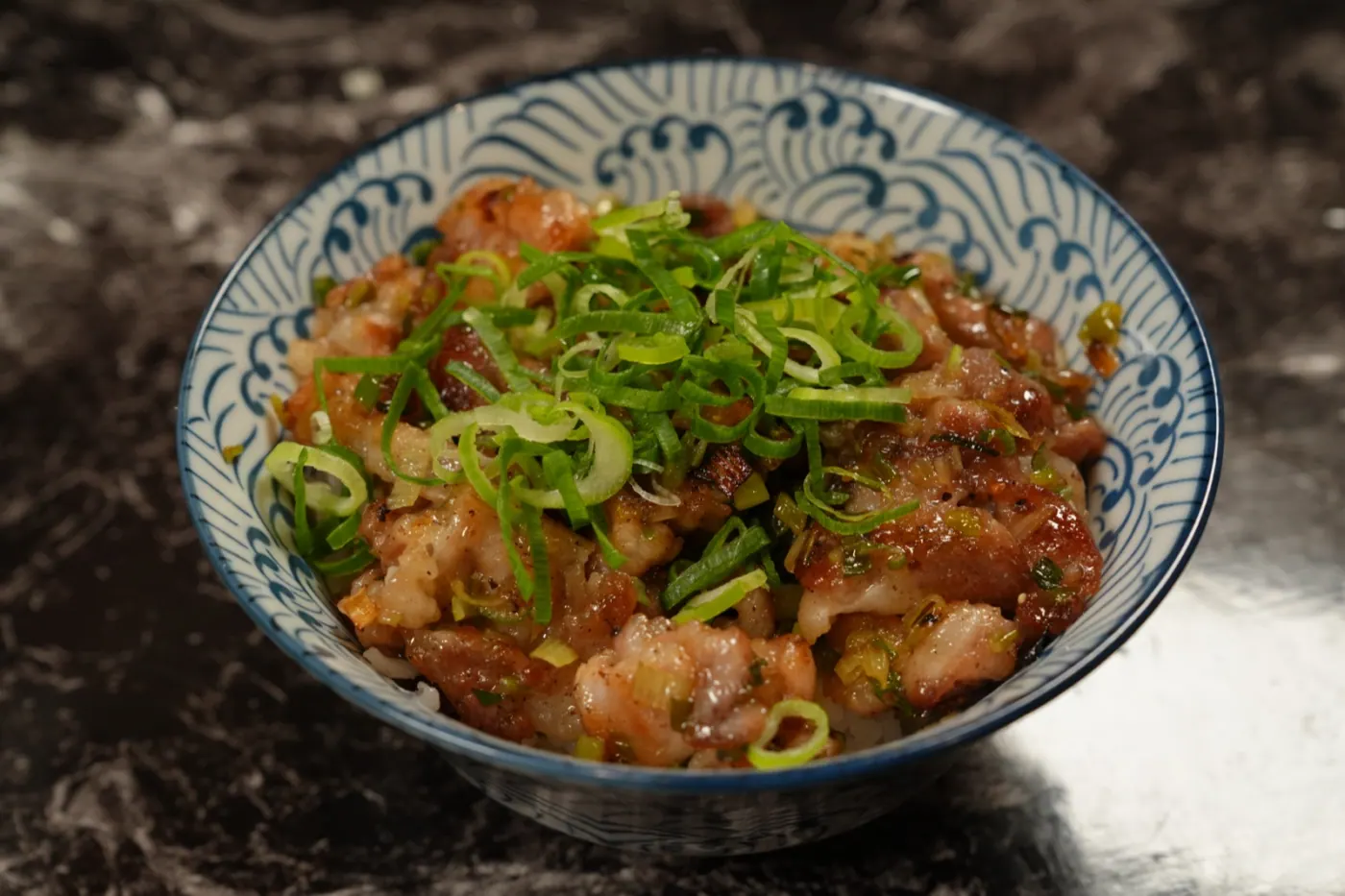
Rice Bowlネギ塩豚丼
Negi Butadon
Japanese Pork Bowl with Green Onion Salt Sauce
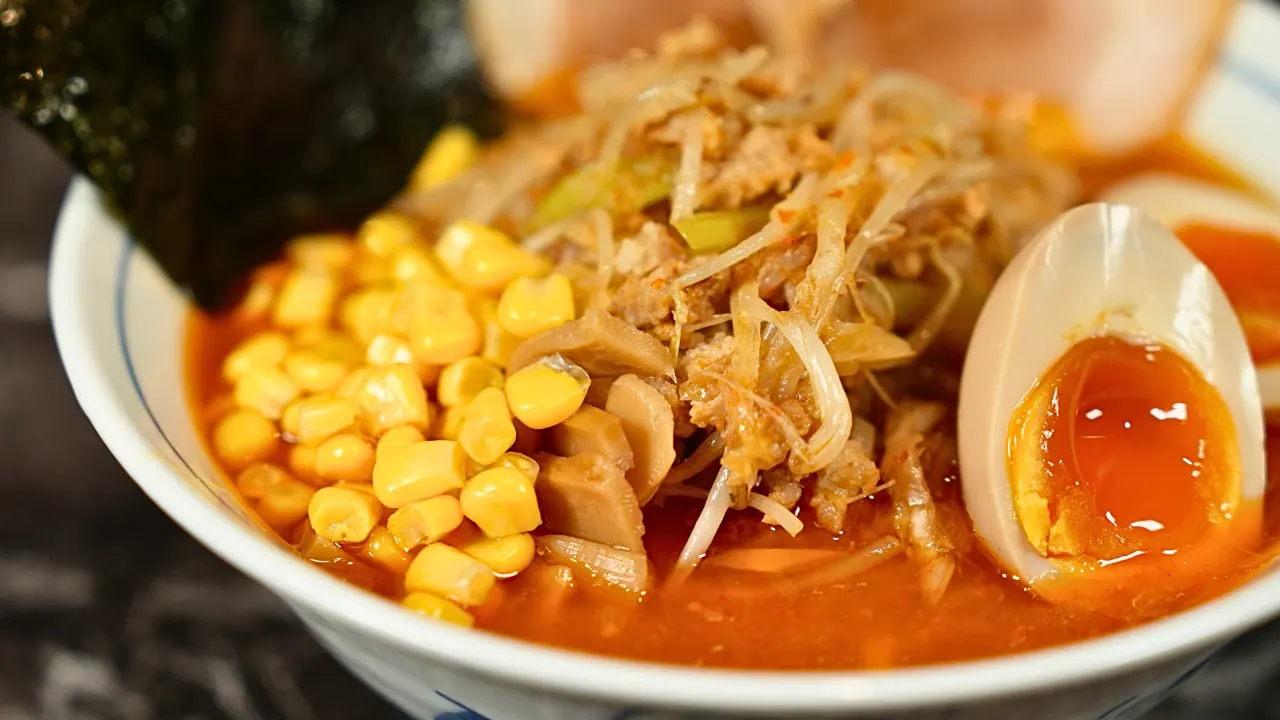
Noodles味噌ラーメン
Miso Ramen
Japanese Miso Noodle Soup
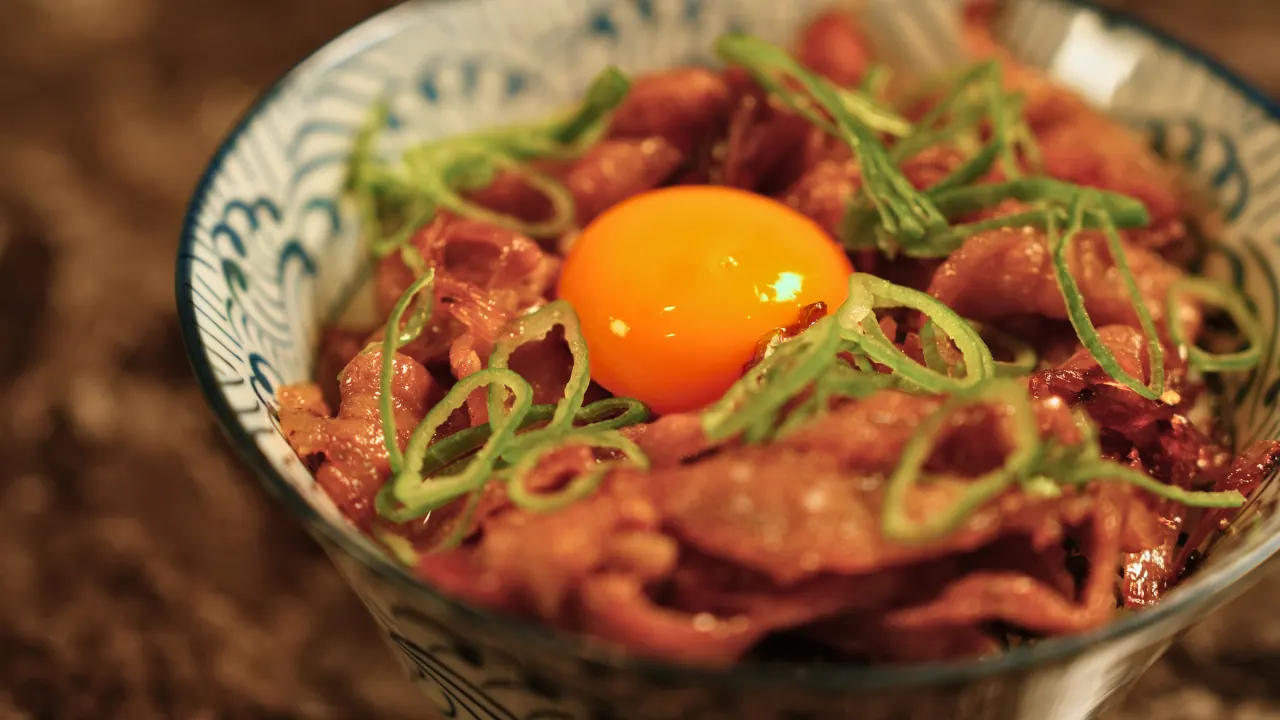
Rice Bowlにんにく豚丼
Garlic Butadon
Japanese Garlic Pork Bowl
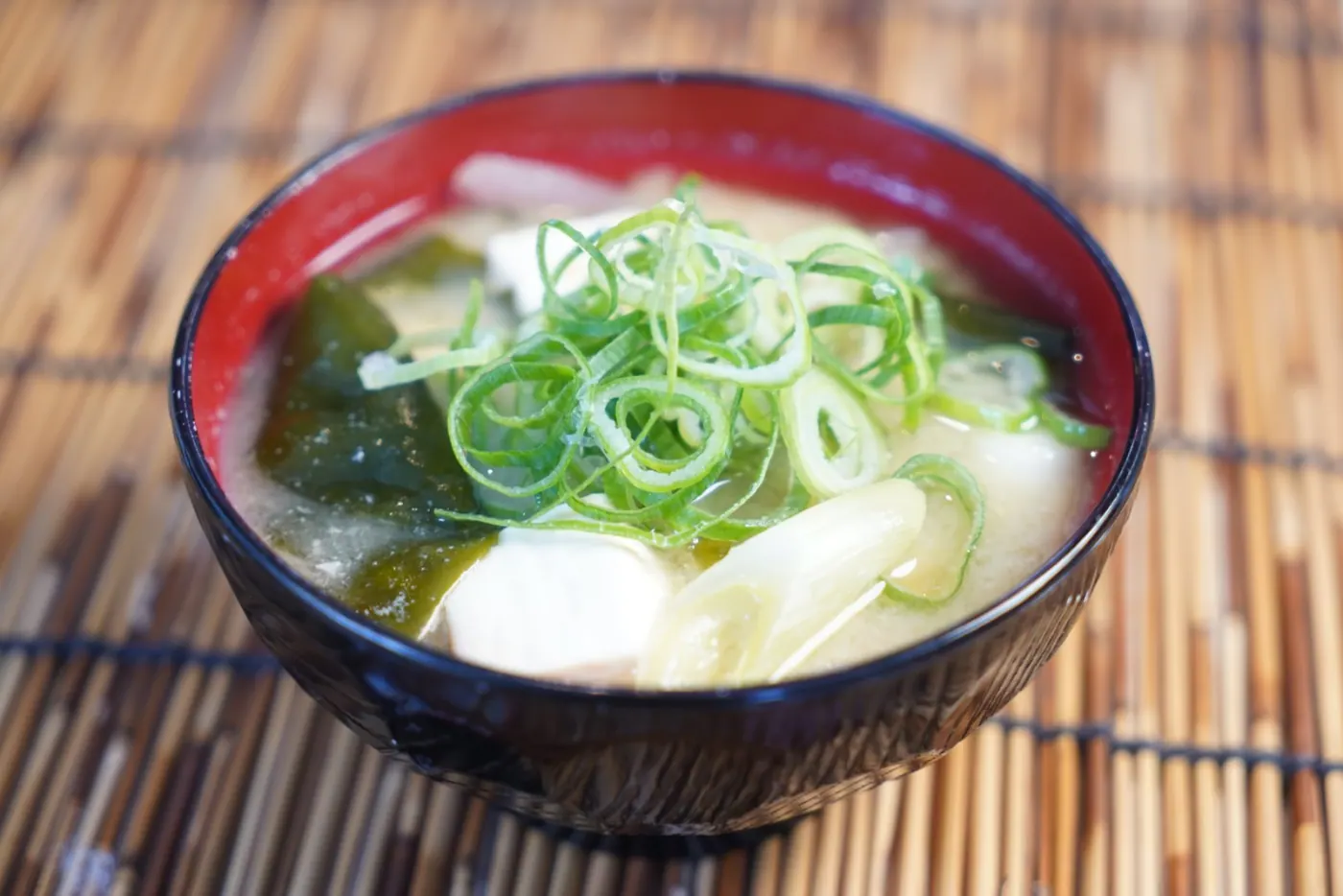
Appetizers & Sides味噌汁
Miso Soup
Japanese Tofu and Wakame Miso Soup
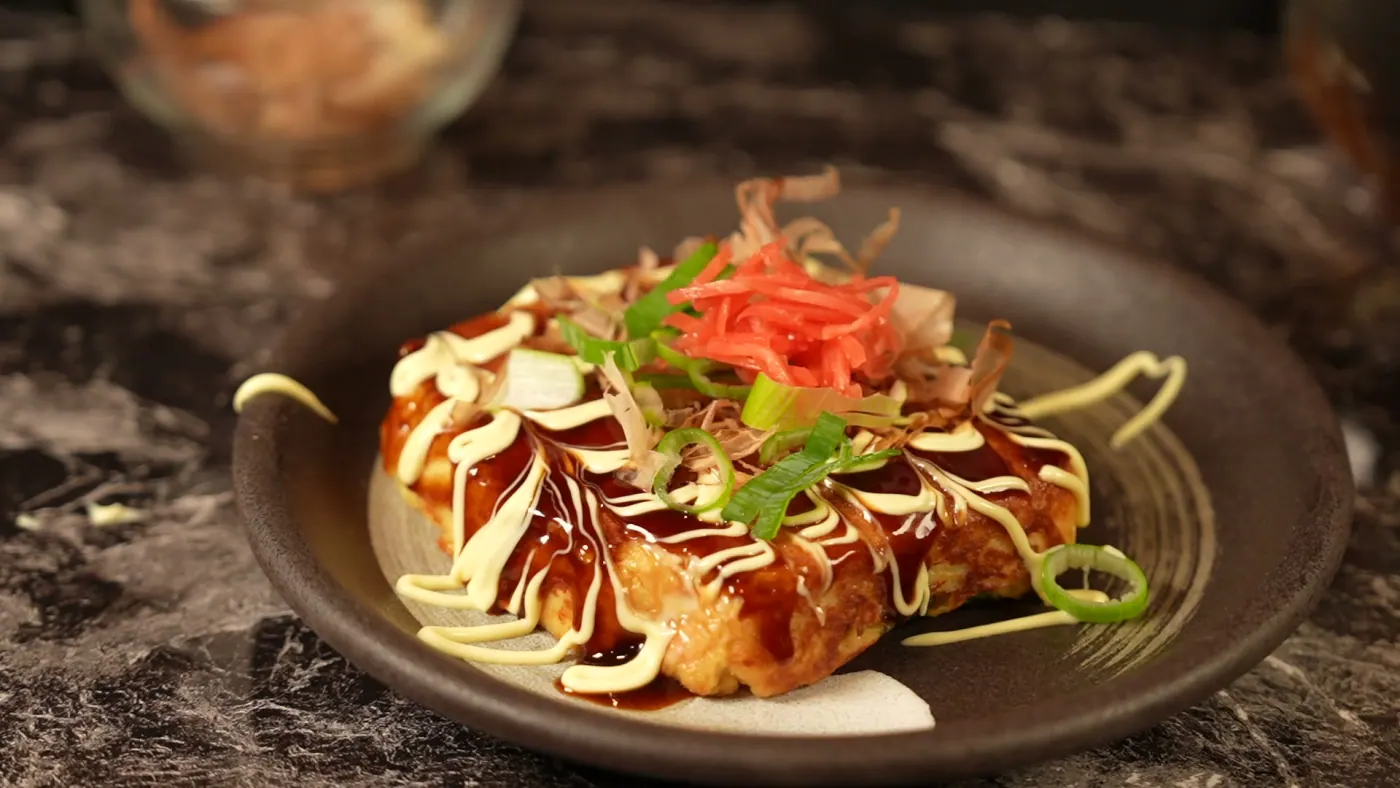
Appetizers & Sides角タコ(フライパンで作るたこ焼き)
Takoyaki Without a Takoyaki Pan
Kakutako in a Frying Pan
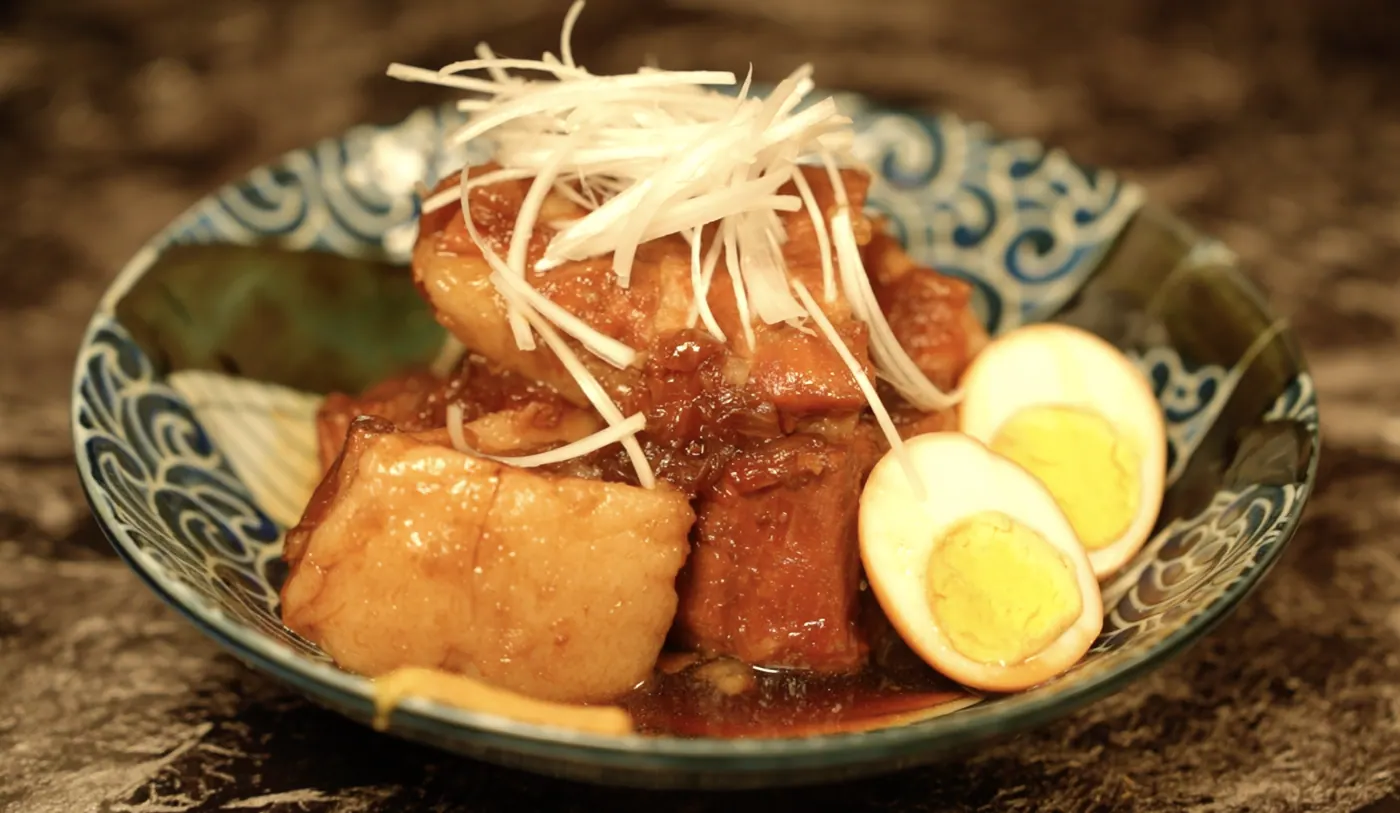
Main Dish豚の角煮
Kakuni
Japanese Braised Pork Belly
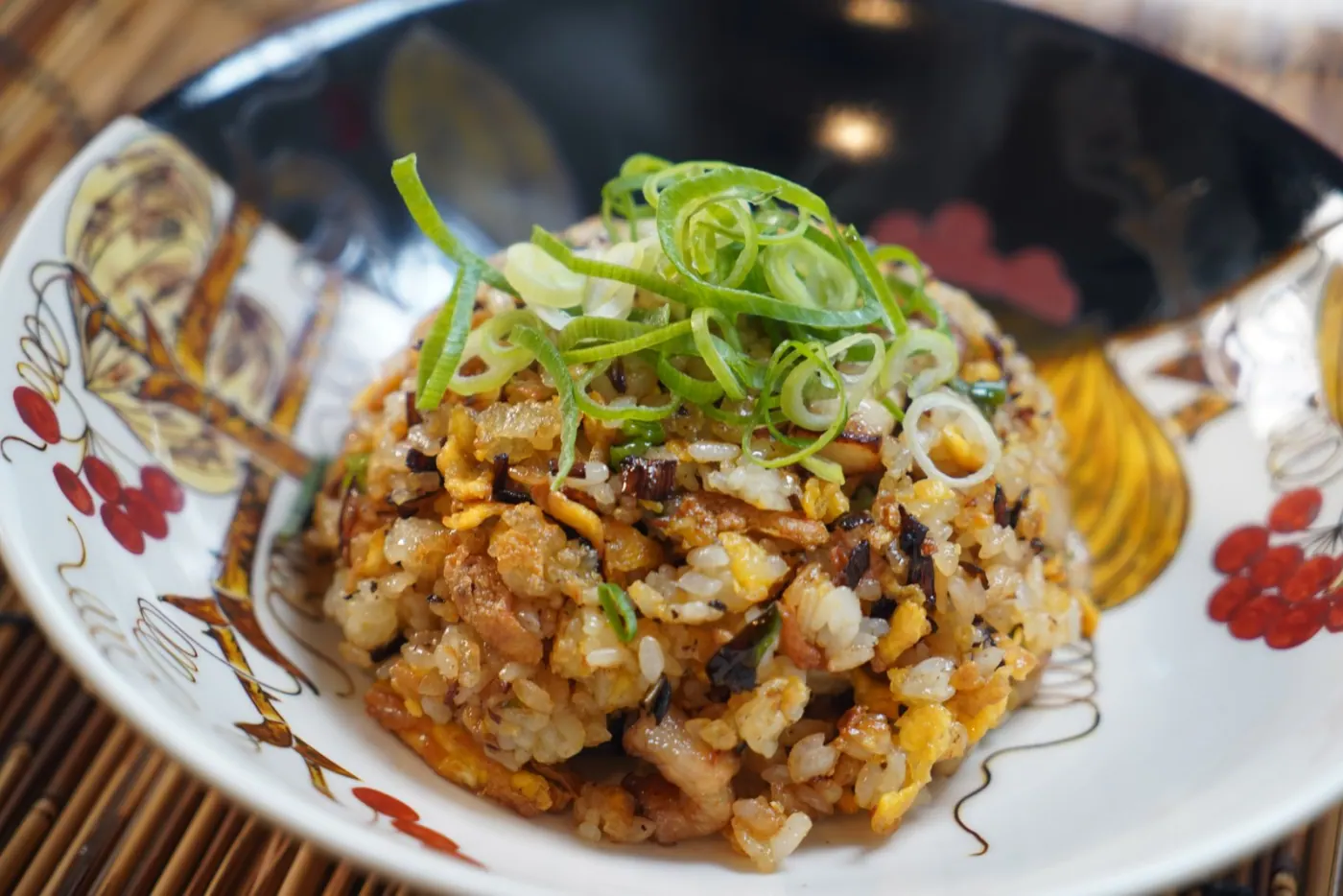
Main Dish焼きめし(焦がしチャーハン)
Yakimeshi
Japanese Fried Rice
Frequently asked questions
Is negi the same as a scallion?
Thin green negi (aonegi) is very close to a scallion, and scallions work well in its place. Thick naganegi is closer to a slim leek.
Can I use leeks instead of Japanese long onion?
Yes, in cooked dishes. Use the white and light-green part, slice it thinly, and cook it a little longer, since leeks are tougher.
How do I make raw green onion less sharp?
Soak the sliced onion in cold water for a few minutes, then drain it well. It loses some bite and a little flavor.
What is shiraga negi?
It is the white part of naganegi cut into very fine threads. The name means white-hair onion, and it is used as a garnish.