What Is Miso?
Miso is made from soybeans, salt and koji, a beneficial mold grown on steamed rice, barley or soybeans. As the paste ferments, anywhere from a few weeks to a year or more, the koji breaks down the beans' protein and starch, leaving a paste that is salty, savory and a little sweet.
It is best known as the base of miso soup, but it is also used to glaze fish and vegetables, to marinate meat and to season ramen broth.

Our video: Miso Soup · 4:09
Jump to a part of the video (15 chapters)
What Does Miso Taste Like?
All miso is salty and deeply savory. White miso is mild and sweet, almost creamy. Red miso is stronger, saltier and more robust. How strong a miso tastes depends mostly on its salt; at the same salt level, a miso made with more koji tastes sweeter. Longer-aged miso can taste a little less salty even when the salt is the same.
Types of Miso and How to Read the Label
Miso is sorted two ways: by what the koji is grown on, and by color and taste.
- Rice miso (米みそ, kome miso): made with rice koji. About 80% of the miso produced in Japan is this type.
- Barley miso (麦みそ, mugi miso): made with barley koji, mostly in the Chugoku, Shikoku and Kyushu regions. It contains barley, so it is not gluten-free.
- Soybean miso (豆みそ, mame miso): made with soybean koji only, mostly in the Chukyo area around Nagoya. Dark and rich.
- White miso (白みそ, shiro miso): pale, sweet and mild, with a short fermentation.
- Red miso (赤みそ, aka miso): darker, saltier and stronger, usually aged longer.
- Awase miso (合わせみそ, mixed miso): a blend of two or more misos. A good all-rounder for soup and cooking.
- Dashi-iri miso (だし入りみそ): miso with dashi already mixed in, so you only need to add hot water and ingredients.
How to Use Miso
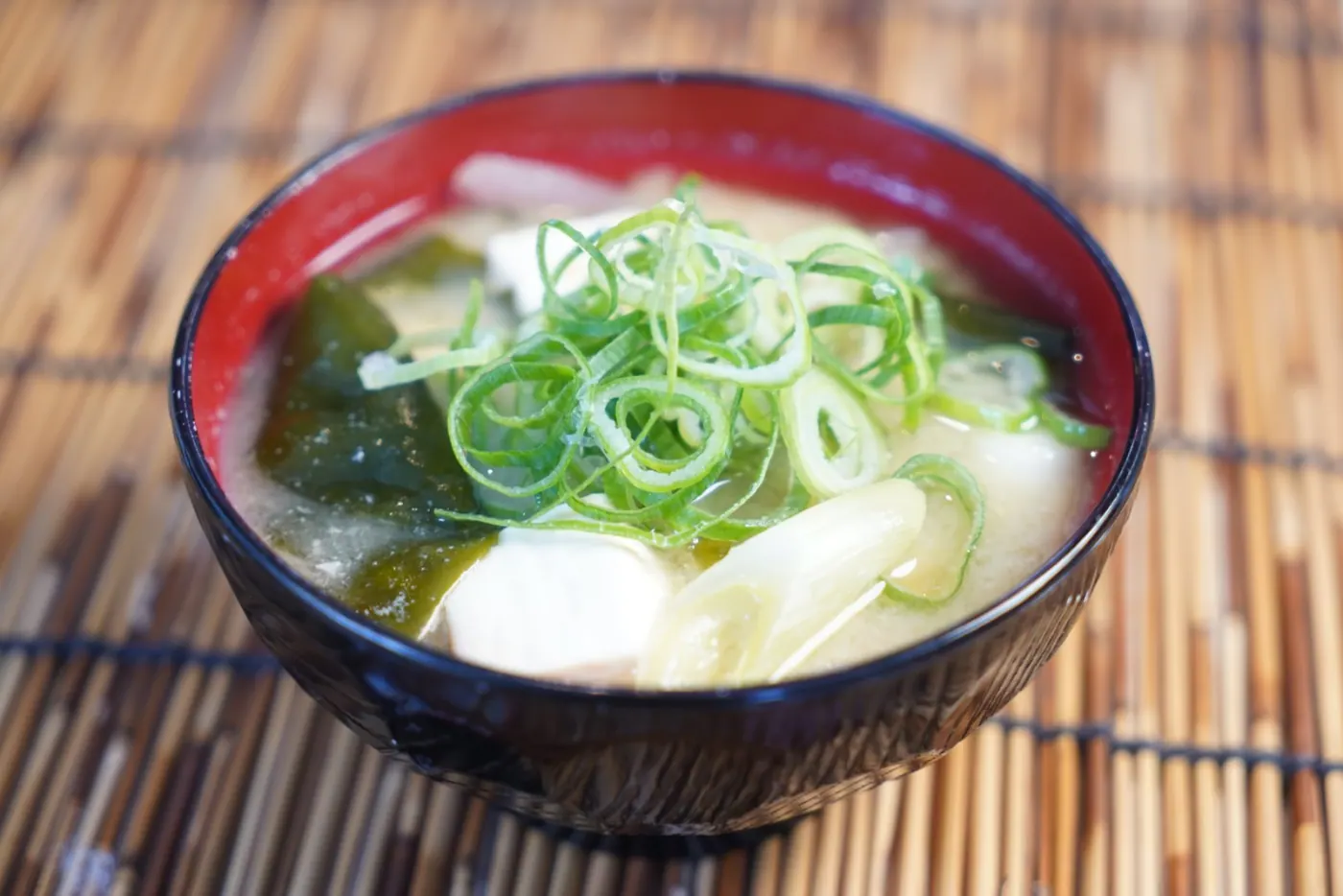
- Miso soup. Turn the heat down, dissolve the miso in a ladle with a little broth, then stir it in. Do not let the soup boil after the miso goes in, or its aroma fades. See our miso soup recipe, which shows two versions: a traditional one with dashi, tofu, green onion and onion, and an easy one made by mixing the ingredients and pouring over hot water.
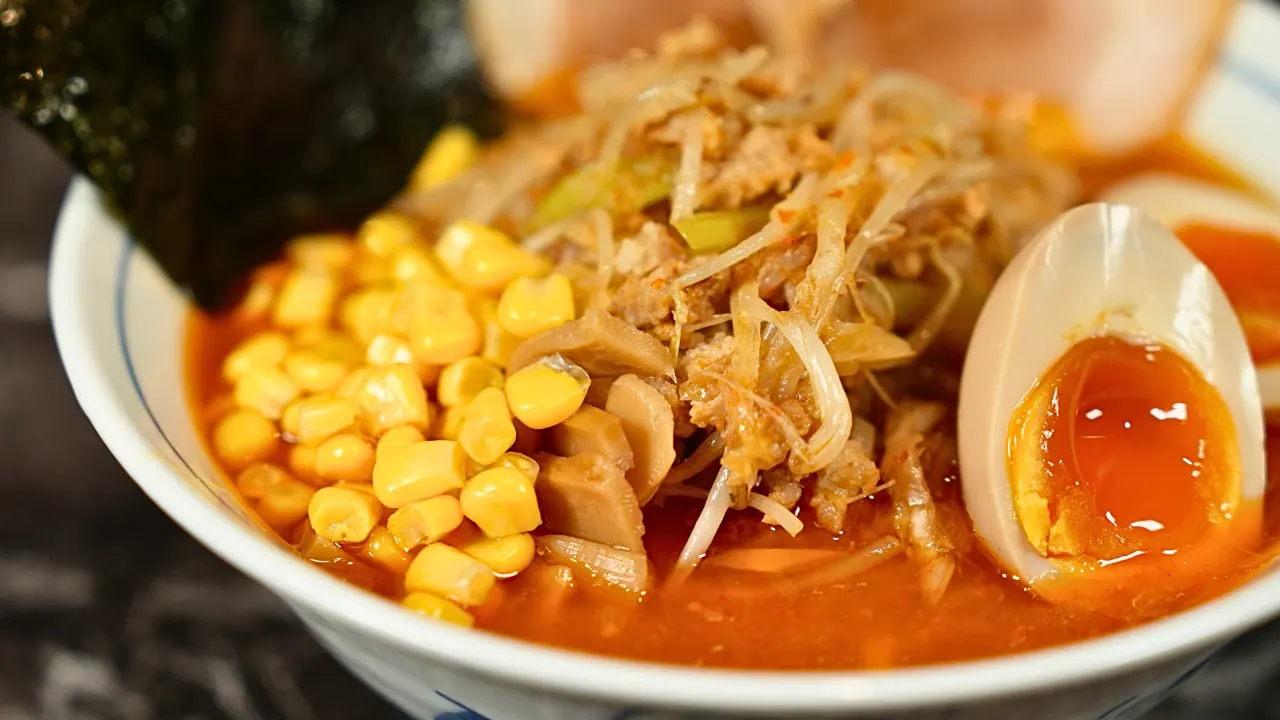
- Ramen. It is the backbone of the broth in our Miso Ramen.
- Glazes and marinades. Mix miso with mirin and sugar and brush it on fish, eggplant or chicken before grilling. Watch it closely, because it burns easily.
Where to Buy Miso
Look in the refrigerated section of Asian or Japanese grocers and many large supermarkets, usually near the tofu. If you are buying just one, choose awase (mixed) miso for everyday soup and cooking, or white miso for a milder, sweeter taste. Reduced-salt (減塩, gen-en) miso is also common.
Miso Substitutes
- Another type of miso. This is the only real substitute. If you swap red for white, use less and taste, since red is saltier; swap white for red and you may need a little more.
- Soy sauce can add salt and savoriness in a marinade or glaze, but it will not give miso's body or flavor. There is no true substitute for miso soup.
How to Store Miso
Keep miso in the fridge, or even the freezer. Because of its salt it does not freeze solid, so you can scoop it straight from the freezer. After opening, press a sheet of plastic wrap onto the surface and close the lid tightly to keep air out. Miso slowly darkens over time, faster in warm places; darker miso is still safe but may have lost some aroma.
Miso contains soybeans, and barley miso also contains barley. It is salty, so taste before adding extra salt to a dish.
Recipes using Miso
Frequently asked questions
Which miso should I buy first?
Awase (mixed) miso is the most versatile for soup and everyday cooking. Choose white miso if you like a milder, sweeter flavor.
Can you boil miso?
It is safe, but boiling after the miso is added dulls its aroma. Add it at the end over low heat and turn the heat off before the soup boils.
Is miso gluten-free?
Not always. Barley miso contains barley, and some misos include other grains. Rice and soybean miso are usually made without them, but check the label.