What Is Kombu?
Kombu is a large brown kelp that is harvested, sun-dried and cut into flat, stiff sheets. Most Japanese kombu comes from Hokkaido, with smaller amounts from northern Honshu.
Soaked or gently heated in water, kombu releases glutamate, which gives dashi its savory backbone. Paired with bonito flakes, which bring inosinate, the umami becomes much stronger than either alone.
Should You Wash Off the White Powder?
No. The white powder on dry kombu is mostly mannitol, a naturally sweet sugar alcohol that crystallizes on the surface as the kelp dries. It is part of the flavor, not mold or dirt. Rinsing kombu under running water washes some of that flavor away. Instead, wipe off any grit or dust lightly with a damp, well-wrung cloth or paper towel.
What Does Kombu Taste Like?
Dry kombu smells faintly of the sea. The dashi it makes is light, clean and savory, with a gentle sweetness and very little fishiness. If kombu is boiled hard or for too long, the broth can turn slimy and pick up a bitter, strong seaweed taste.
Types of Kombu
Japanese kombu is often named after where it is harvested. Most shops outside Japan sell it simply as dashi kombu, which is fine for every recipe here.
- Ma-kombu (真昆布): thick and wide, giving a clear, refined dashi with a gentle sweetness.
- Rishiri kombu (利尻昆布): a little firmer, giving a clear, fragrant dashi.
- Rausu kombu (羅臼昆布): gives a rich, full-bodied dashi.
- Hidaka kombu (日高昆布, also called Mitsuishi kombu): soft and quick to cook, so it is also eaten in simmered dishes and kombu rolls.
- Not for dashi: shio kombu (塩昆布, salty seasoned strips) and tororo kombu (とろろ昆布, fine shavings) are ready-to-eat toppings, not stock ingredients.
How to Use Kombu
- Cold-brew dashi. Soak kombu in cold water for a few hours or overnight in the fridge. This gives the cleanest flavor.
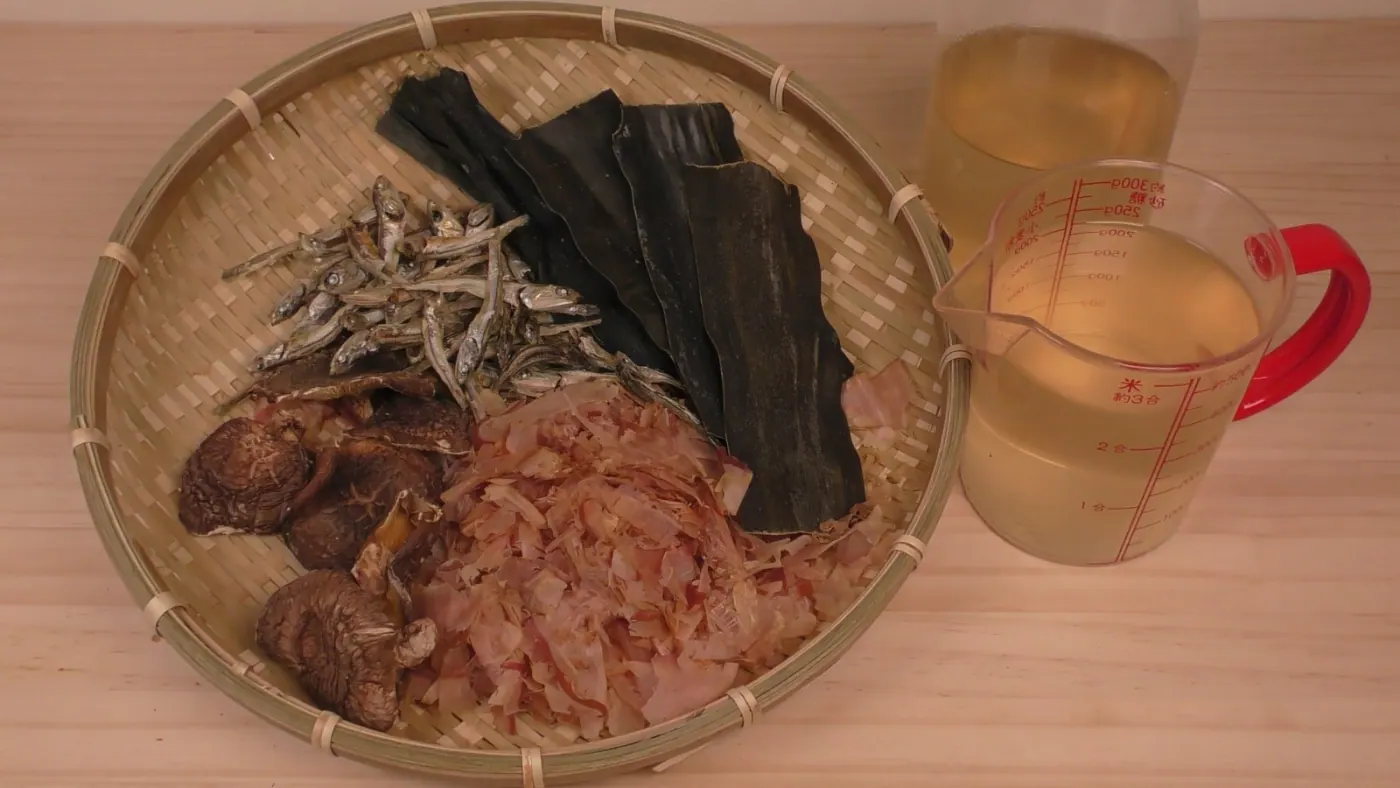
- Heated dashi. Soak kombu for about 30 minutes, then heat the water slowly and lift the kombu out just before it boils. Our How to Make Dashi recipe shows both the cold-brew and the heated method.
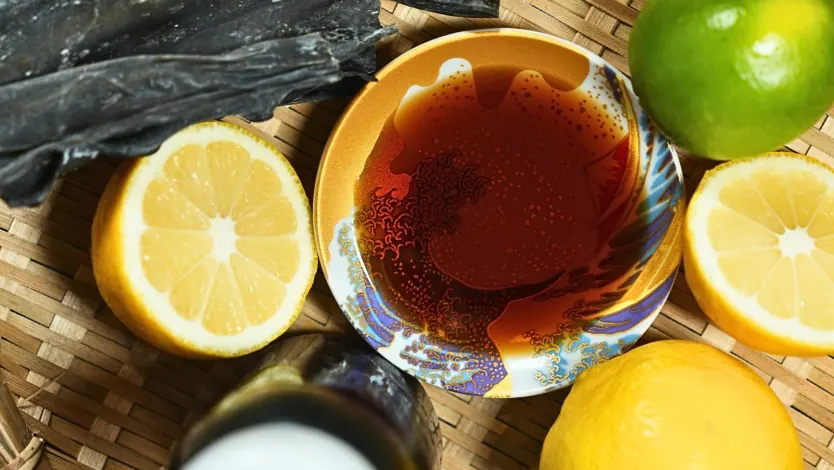
- Steep it in sauces. A piece of kombu adds depth to our Ponzu as it rests.
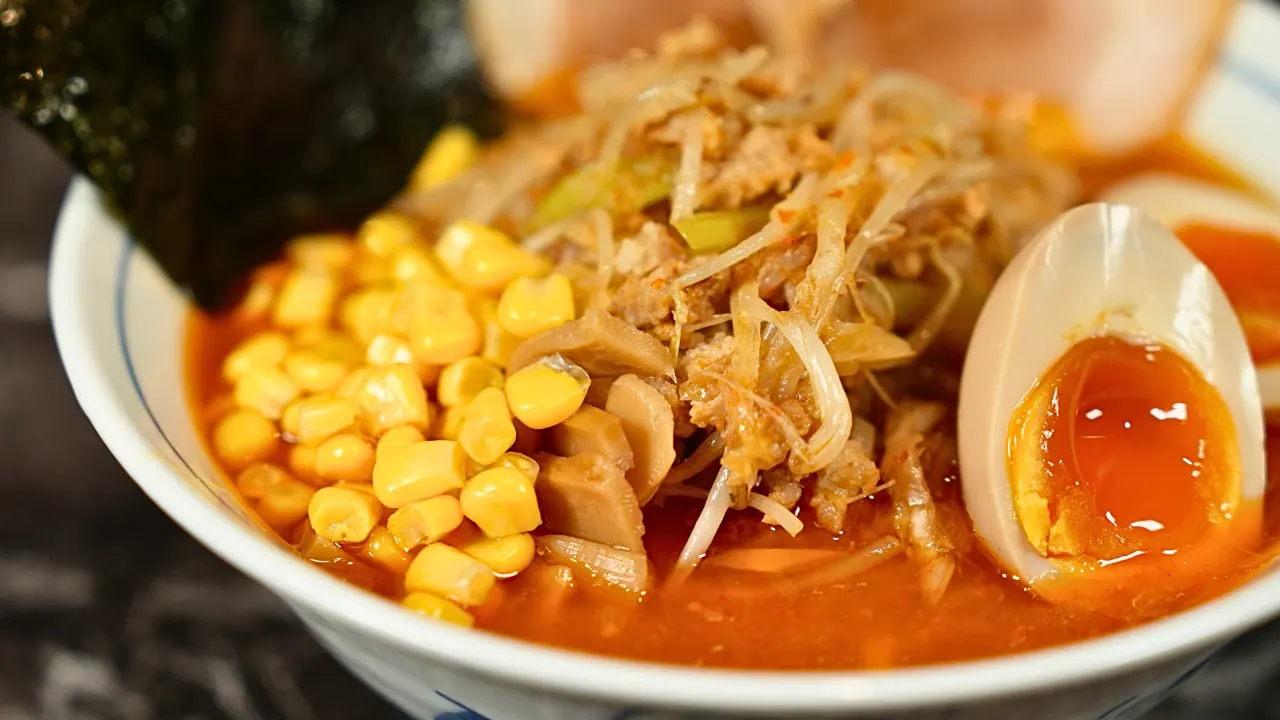
- Ramen broth. Kombu dashi is the base of our Miso Ramen.
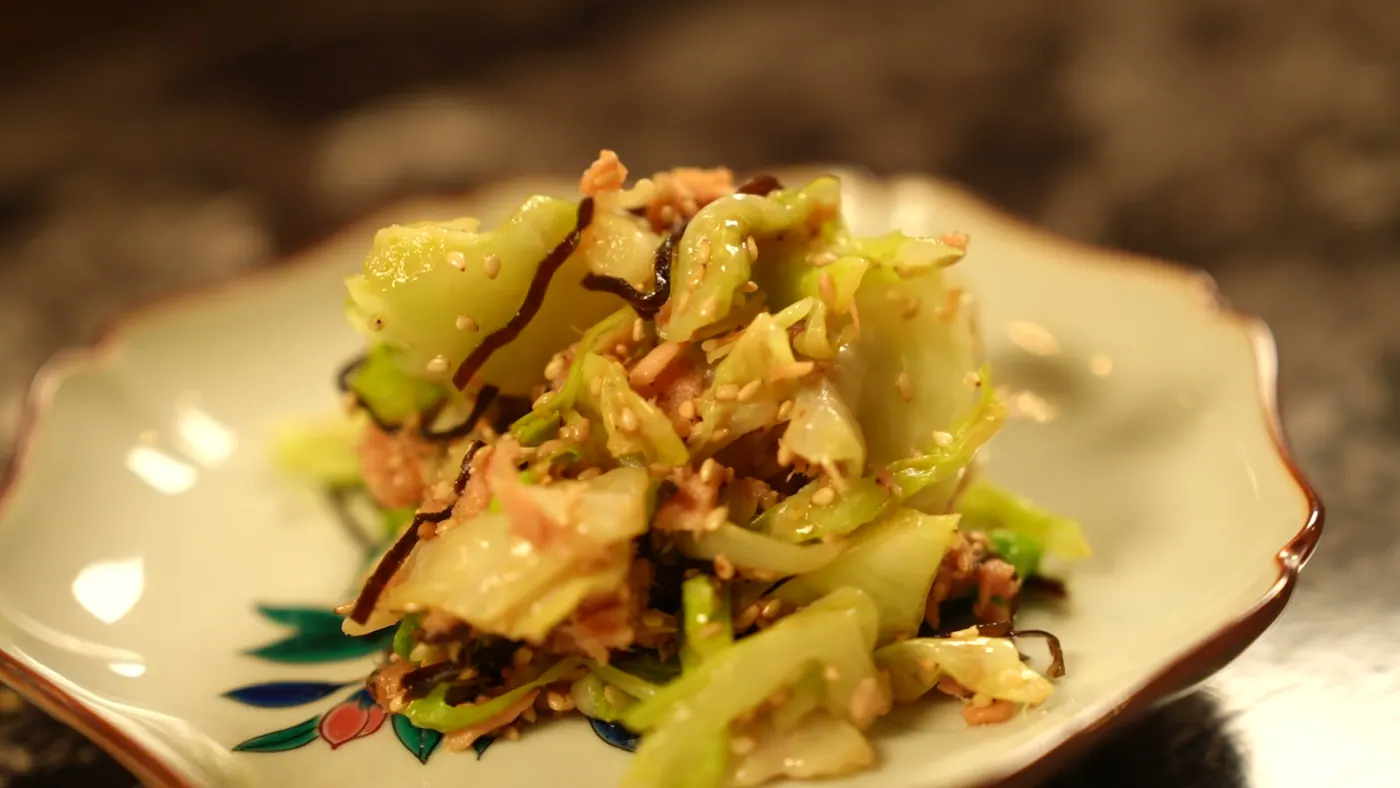
- Reuse it. After making dashi, the softened kombu can be sliced and simmered with soy sauce and sugar, or used for a second, lighter dashi.
Where to Buy Kombu
Asian and Japanese grocers sell kombu in bags of flat, dark green-to-brown sheets, often labeled dashi kombu. Health-food stores and online shops carry it too. Choose pieces that are dry, thick and evenly colored. A white powdery coating is normal.
Kombu Substitutes
- Kombu dashi powder or granules, dissolved in hot water, for a quick stock.
- Dried shiitake for a plant-based dashi; the flavor is earthier.
- For a dashi made with bonito, you can skip the kombu and make katsuo dashi; it will be a little less deep.
How to Store Kombu
Dry kombu keeps for a long time. Store it in an airtight bag or container in a cool, dark, dry place, away from humidity. Cut it into the sizes you use most so it is ready to go. Softened kombu left over from dashi is no longer dry, so keep it in the fridge and use it soon, or freeze it.
Recipes using Kombu
Frequently asked questions
Should I wash kombu before using it?
No. Just wipe it gently with a damp cloth. The white powder is flavor, not dirt.
What is the white powder on kombu?
Mostly mannitol, a naturally sweet compound that comes to the surface as the kelp dries. It is safe and adds flavor.
Why should I take kombu out before the water boils?
Boiling kombu can make the dashi slimy and give it a bitter, strong seaweed taste.
Can I eat kombu after making dashi?
Yes. Slice it and simmer it with soy sauce and sugar, or add it to salads and stir-fries.