What Is Shichimi Togarashi?
Shichi means seven and mi means flavor, while togarashi is the Japanese word for chili pepper. Chili is always the main ingredient, and the other six add aroma, crunch and a little citrus. The blend dates back to at least the 17th century, when herb dealers in Edo (today's Tokyo) began selling it.
Three old shops, each near a famous temple, are known for their own blends: Yagenbori near Sensō-ji in Tokyo, Shichimiya near Kiyomizu-dera in Kyoto, and Yawataya Isogoro near Zenkō-ji in Nagano. Each mix is a little different, which shows there is no single fixed recipe.
What's in Shichimi Togarashi?
Recipes vary by maker, but most blends draw from this list:
- Red chili pepper: the heat, and the largest part of the blend.
- Sansho pepper: a citrusy, slightly numbing Japanese pepper.
- Dried citrus peel: usually mandarin orange peel (chinpi), sometimes yuzu.
- Sesame seeds: white, black or both, for a nutty crunch.
- Hemp seeds: small, crunchy and mild.
- Seaweed: nori or aonori flakes for a sea-like aroma.
- Others: ginger, shiso or poppy seeds appear in some blends.
What Does Shichimi Taste Like?
It is more fragrant than fiery. You get mild to medium chili heat, a fresh citrus note, a light tingle from the sansho and a toasty crunch from the seeds. Some blends lean spicy and some lean aromatic, so it is worth trying more than one brand.
Shichimi vs Ichimi Togarashi
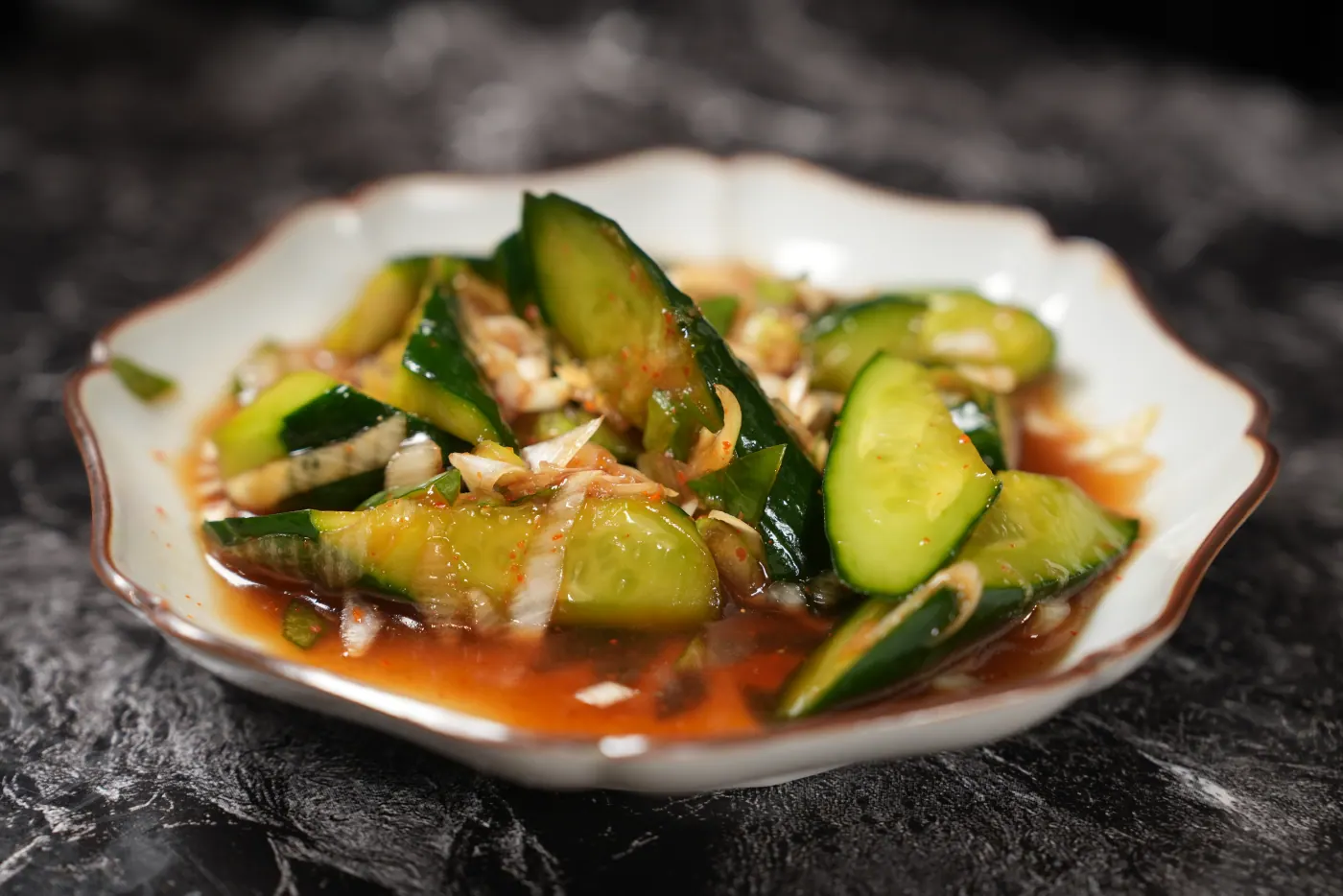
Ichimi togarashi means one-flavor chili pepper: it is just ground red chili. It is hotter and plainer than shichimi. The two are often swapped as table condiments. Our Mugen Kyuri calls for ichimi but says shichimi works too.
How to Use Shichimi Togarashi
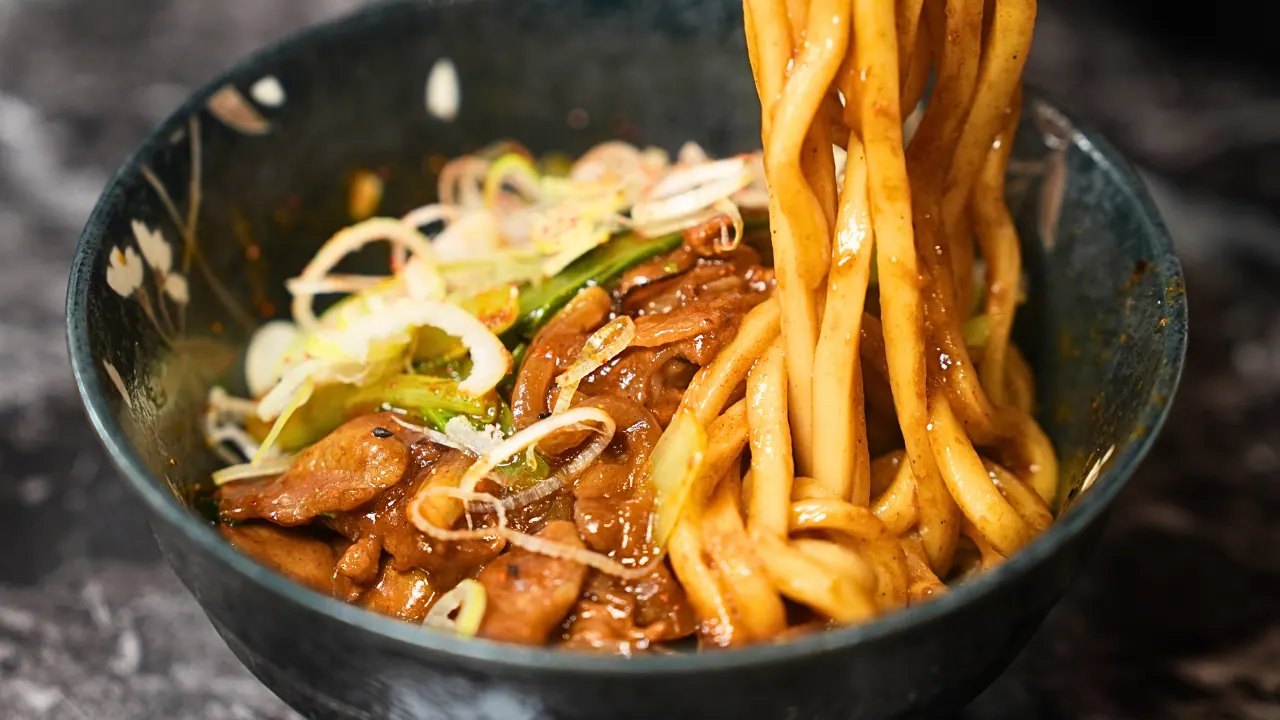
- On noodles. Sprinkle it over hot udon, soba or ramen just before eating. Try it on our Curry Udon.
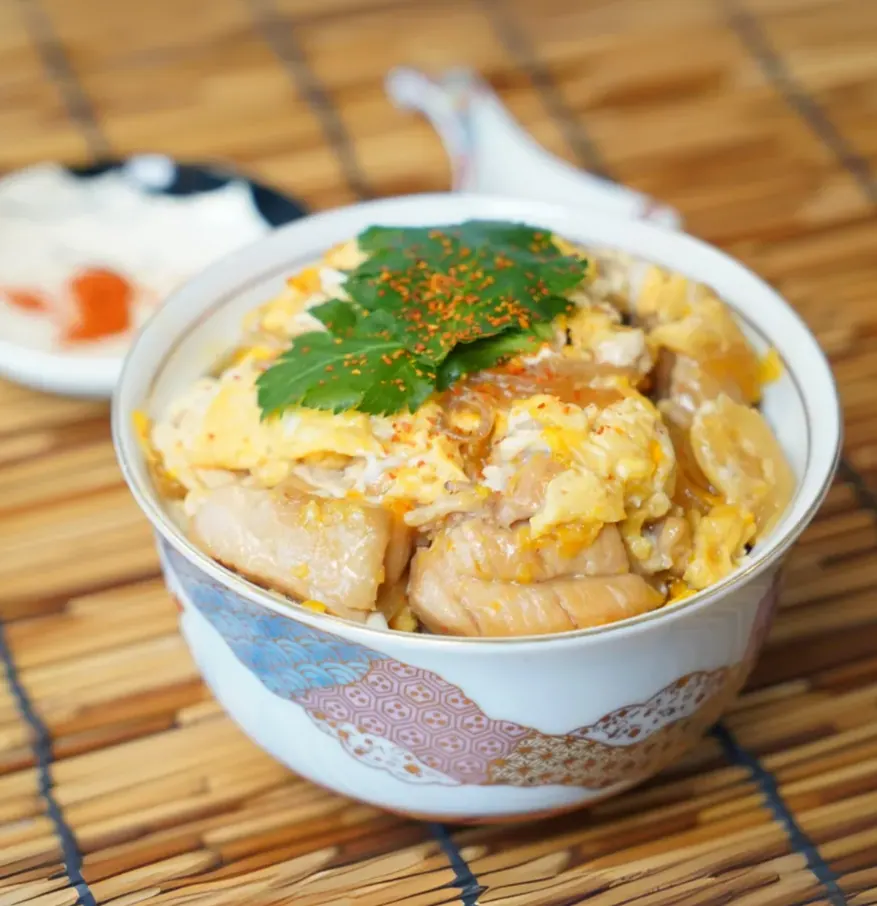
- On rice bowls. It is a common topping for gyudon, and our Oyakodon suggests it as a garnish.
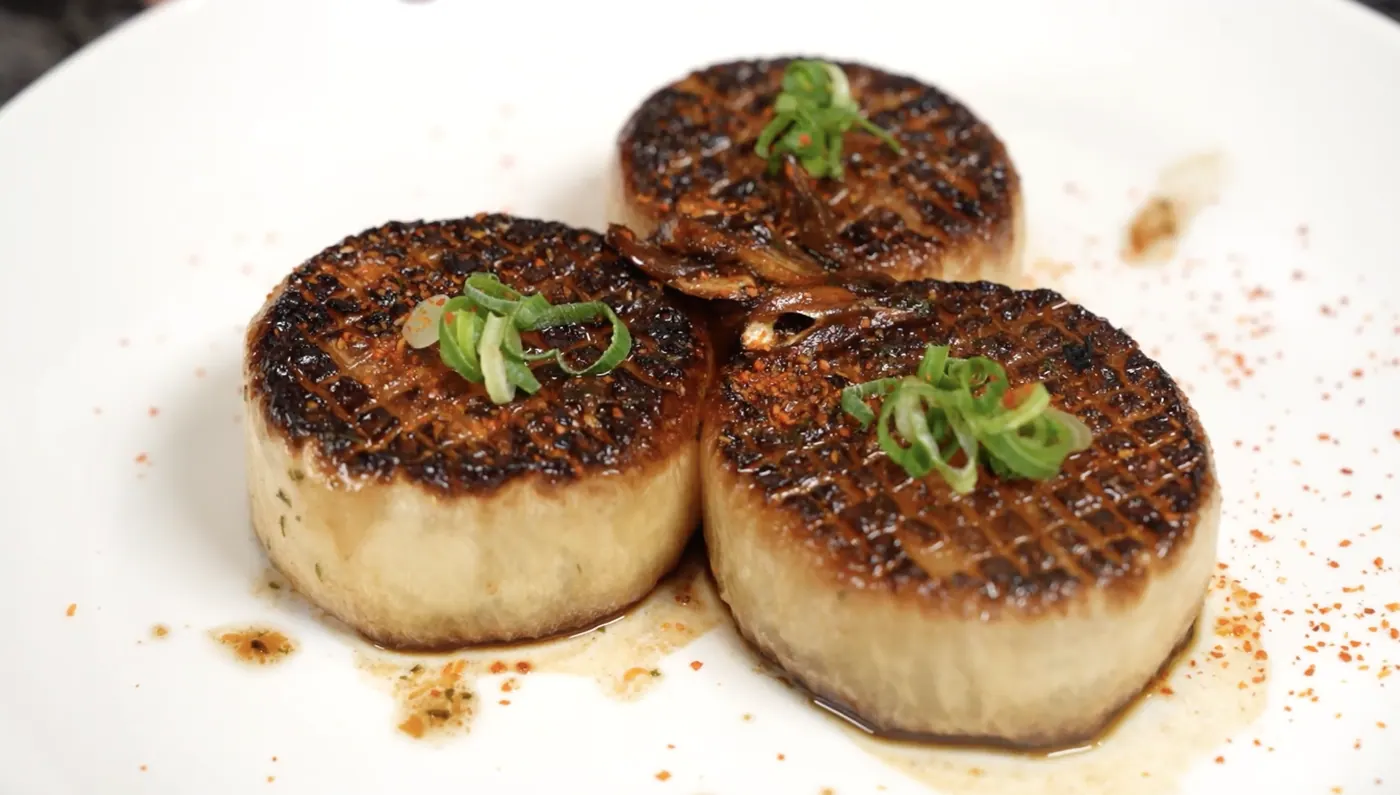
- On grilled and simmered food. It goes well with yakitori, grilled vegetables and miso soups such as tonjiru. Our Daikon Steak suggests a sprinkle on top.
- In sauces. Stir a pinch into Japanese mayonnaise for a quick spicy dip.
Where to Buy Shichimi Togarashi
Asian grocers sell it in small shaker jars or bags, and many large supermarkets keep it in the spice or international aisle. Buy a small jar: you only use a pinch at a time, and the aroma fades long before the jar is empty.
Shichimi Togarashi Substitutes
- Ichimi togarashi gives the heat without the citrus and seeds.
- Red chili flakes with toasted sesame seeds and a little grated orange zest, if you have it, come reasonably close.
- Cayenne pepper works for heat alone; use less, as it is often hotter.
How to Store Shichimi Togarashi
Keep the jar tightly closed in a cool, dry place, away from the stove and steam. Moisture makes it clump, and heat and air fade the citrus and sansho aromas. It stays safe to eat for a long time, but it tastes best within a few months of opening.
Recipes using Shichimi togarashi
Frequently asked questions
Is shichimi togarashi very spicy?
Usually not. It has mild to medium heat balanced by citrus and seeds. Ichimi togarashi, which is pure chili, is hotter.
What is the difference between shichimi and ichimi?
Ichimi is only ground red chili pepper. Shichimi mixes chili with six other ingredients, such as sansho pepper, citrus peel, sesame and seaweed.
Does shichimi togarashi contain sesame?
Most blends do, and some contain seaweed or poppy seeds. If you have a sesame allergy, check the ingredient list on the jar.
What can I use instead of shichimi togarashi?
Ichimi togarashi, or red chili flakes mixed with toasted sesame seeds and a little orange zest.