What Is Katsuobushi?
Katsuobushi starts as fresh katsuo, the skipjack tuna (often called bonito in English). The fish is cut into fillets, simmered, deboned and then smoked and dried over and over for several weeks until it is rock-hard. That block is called arabushi. Some blocks then go through a further stage: the surface is shaved, a beneficial mold is applied and the fish is sun-dried again and again for months. That longer process makes karebushi, and the finest grade is called honkarebushi.
The hard blocks are then shaved into the flakes you buy. The flakes are rich in inosinate, an umami compound that works together with the glutamate in kombu to give dashi its deep, savory taste.
What Does Katsuobushi Taste Like?
Bonito flakes smell smoky and savory, a little like smoked fish but cleaner. Arabushi, without mold, gives a smokier, punchier broth. Karebushi, aged with mold, gives a rounder, more aromatic and clearer one. Scattered on hot food, the thin flakes curl and wave in the rising heat, which is why they seem to dance on top of okonomiyaki and takoyaki.
Types of Katsuobushi and How to Read the Label
- Thin flakes (薄削り, usukezuri): the most common shape, used for quick dashi and as a topping.
- Thick flakes (厚削り, atsukezuri): thicker shavings for a stronger, longer-simmered stock, such as for noodle soup.
- Thread flakes (糸削り, itokezuri): fine threads, used as a garnish.
- Powder (粉): fine powder that can be stirred into dishes or seasonings.
- Small single-serve packs (小袋): a few grams each, handy for toppings so the rest stays fresh.
- Whole blocks: sold for shaving at home with a special box plane. Not needed for home cooking.
How to Use Katsuobushi
- Make dashi. Add the flakes to hot water, let them steep briefly and strain. Our How to Make Dashi recipe shows katsuo dashi and awase dashi (kombu plus bonito).
- Ramen. Bonito flakes add a smoky layer to our Miso Ramen.
- Topping. Sprinkle them over okonomiyaki and takoyaki with our Okonomiyaki Sauce or Takoyaki Sauce, or over chilled tofu, blanched vegetables or rice.
- Okaka. Mix flakes with a little soy sauce for a simple, savory rice topping or rice ball filling.
Where to Buy Katsuobushi
Asian and Japanese grocers sell bonito flakes in bags of thin flakes and in multipacks of small single-serve bags. Online shops carry the same, plus thick flakes for stock. Look for katsuobushi or bonito flakes on the front, or かつお節 on Japanese labels. Some shaved-fish products (削り節, kezuribushi) blend in other fish such as mackerel, which gives a stronger, less delicate flavor.
Katsuobushi Substitutes
- Instant bonito dashi granules for broth, following the package directions.
- Iriko (dried sardines) for a bolder, fish-based dashi.
- Kombu or dried shiitake for a fish-free dashi; the flavor is lighter and earthier.
- Crumbled nori or toasted sesame seeds as a topping; different, but they add a savory finish.
How to Store Katsuobushi
Air is the enemy of bonito flakes: once exposed, they oxidize and lose their aroma. After opening a bag, press out the air, seal it tightly and keep it in the fridge. Small single-serve packs are best used all at once.
Katsuobushi and Food Allergies
Katsuobushi is fish, so it is not suitable for vegetarians or anyone with a fish allergy. Remember that dashi made with it contains fish too.
Recipes using Bonito flakes
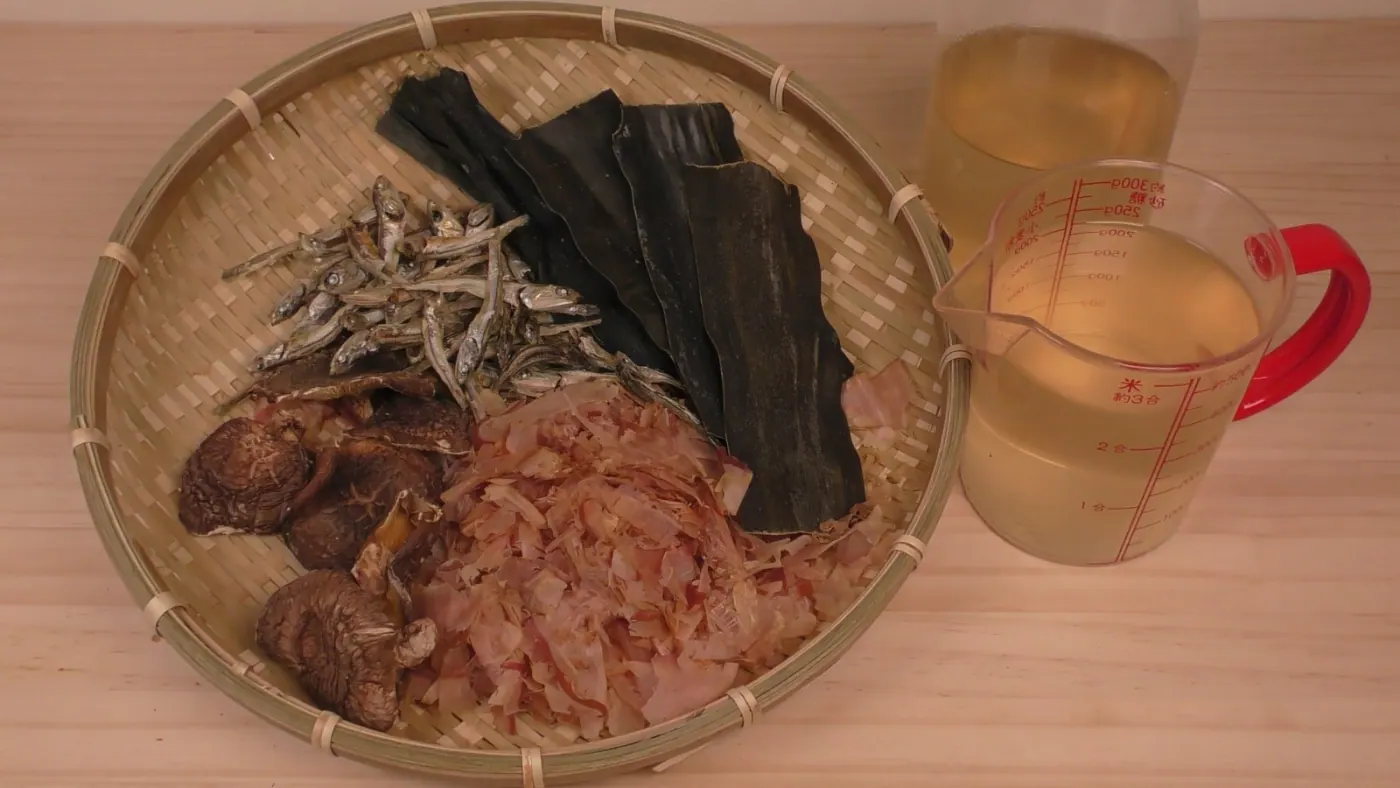
Sauces & Condiments合わせだし
How to Make Dashi
Awase Dashi with Kombu and Bonito Flakes
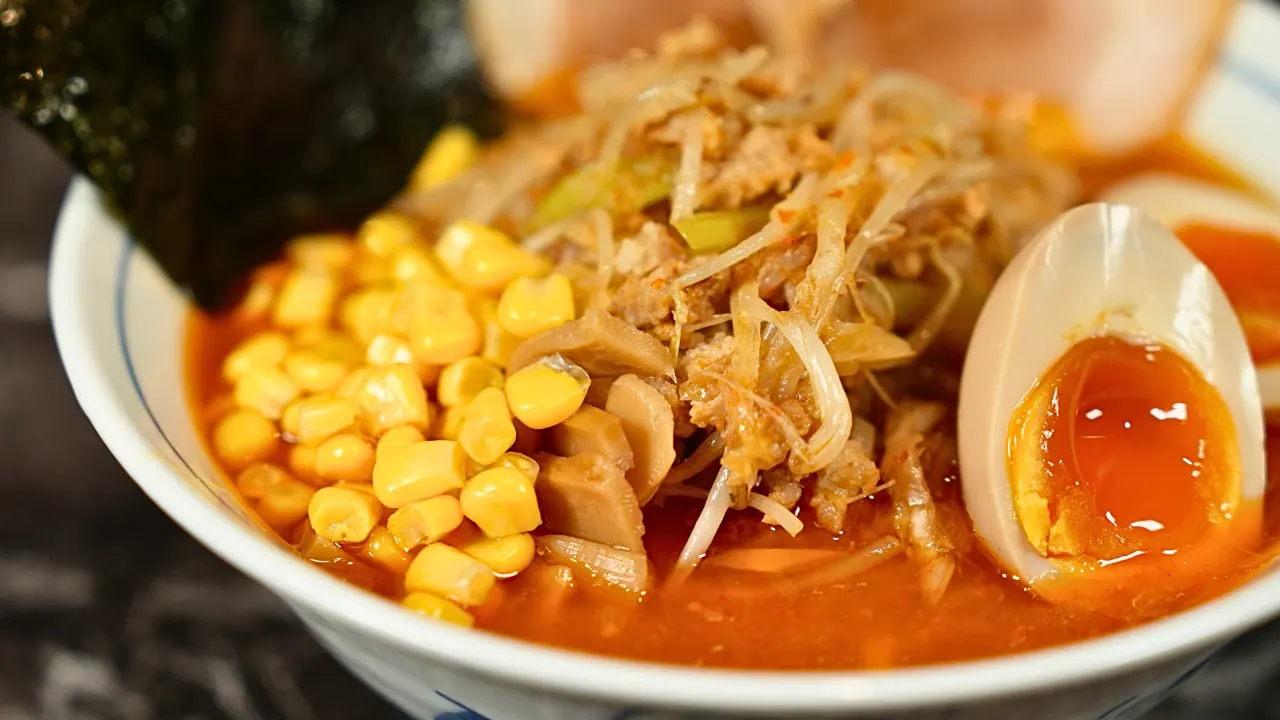
Noodles味噌ラーメン
Miso Ramen
Japanese Miso Noodle Soup
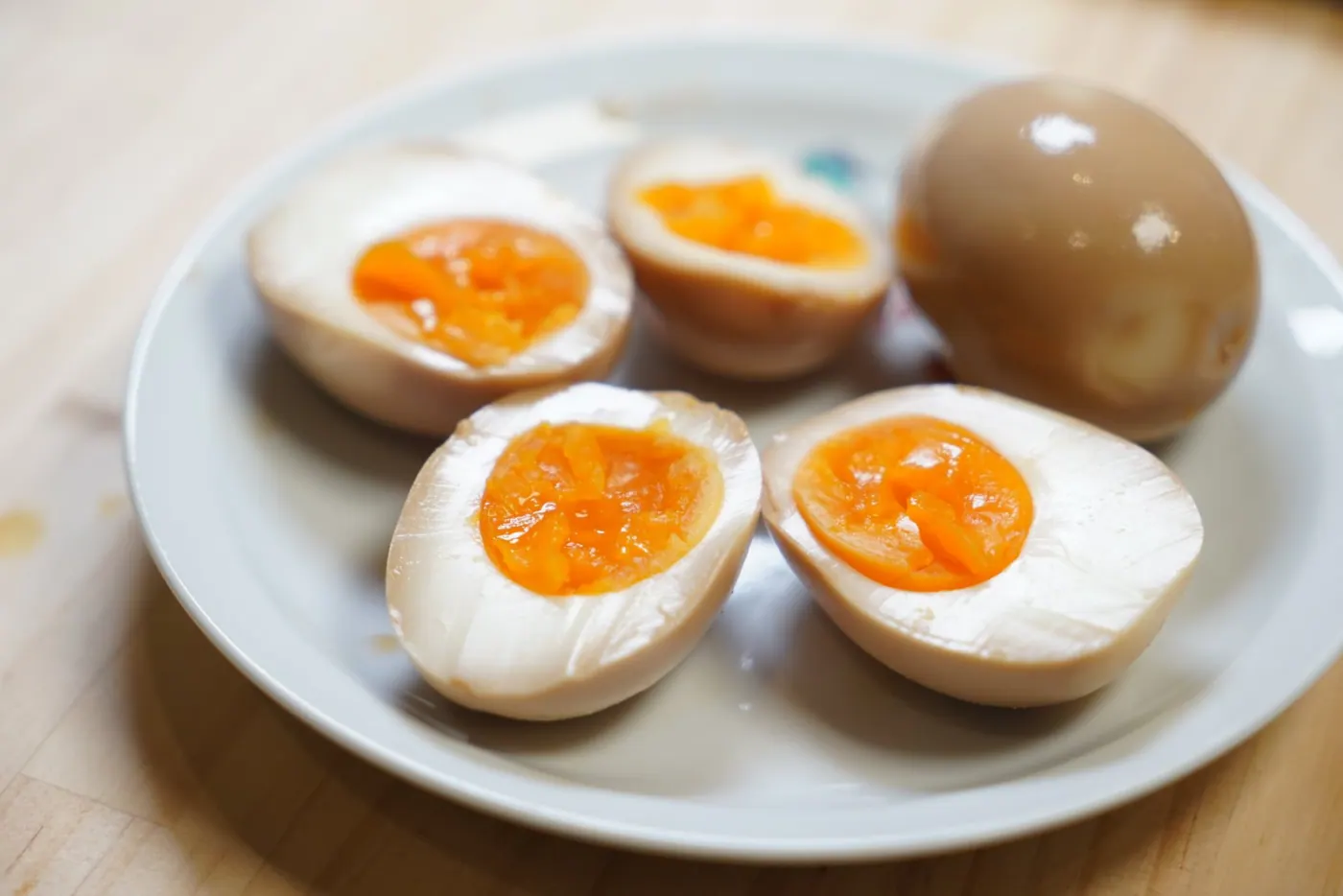
Appetizers & Sides煮卵(味玉)
Ramen Egg
Ajitama / Nitamago, Soy-Marinated Soft-Boiled Eggs
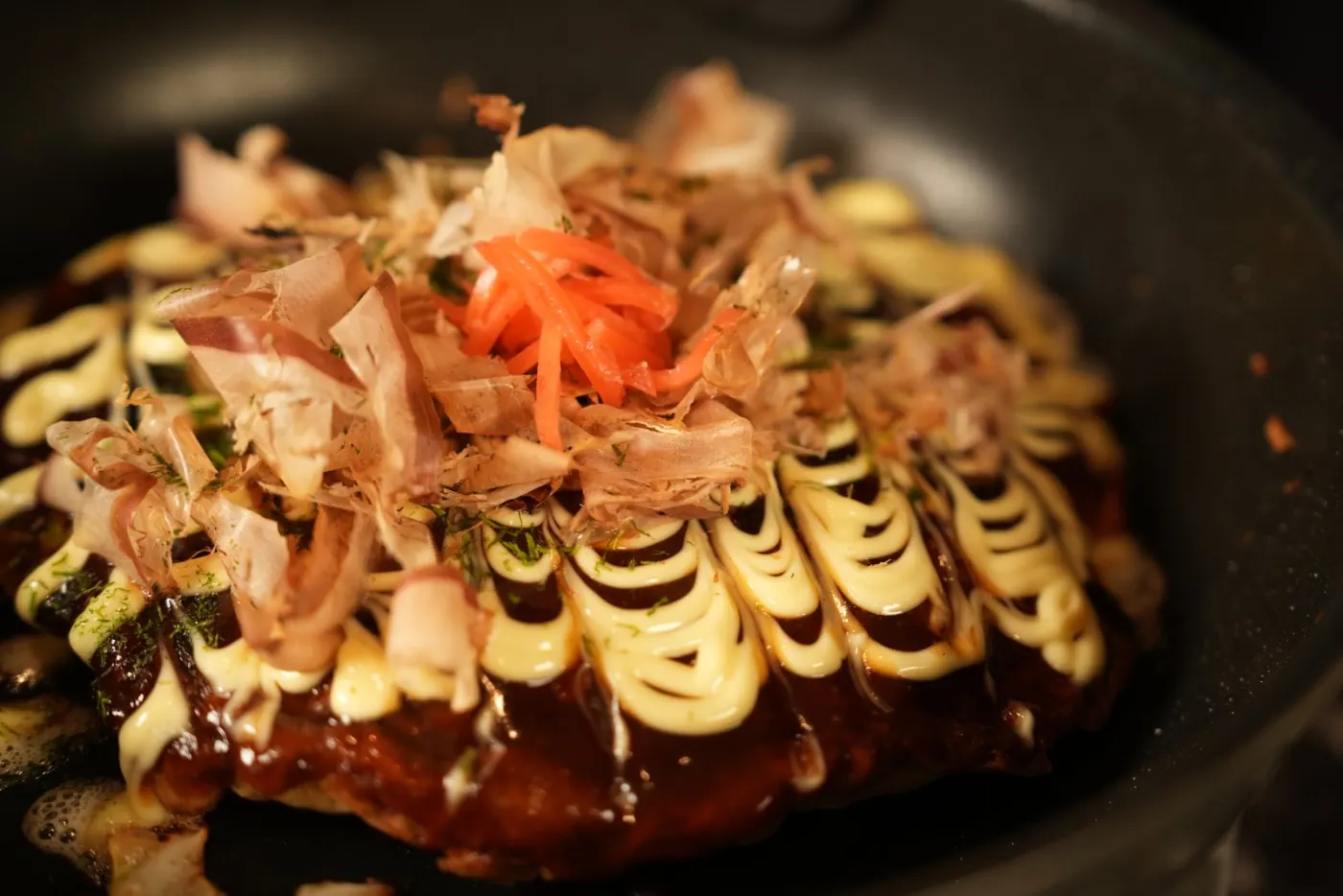
Main Dishお好み焼き
Okonomiyaki
Osaka-Style Japanese Savory Pancake
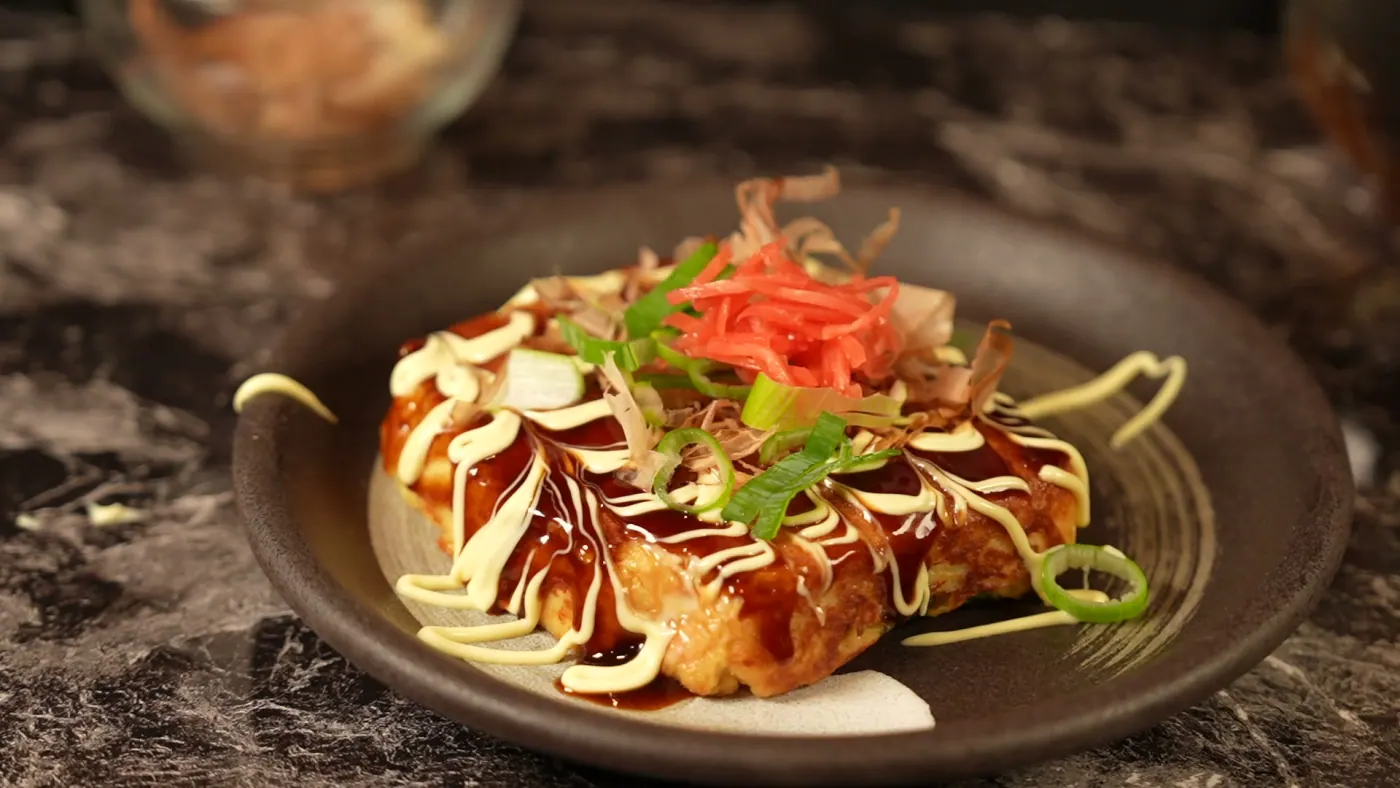
Appetizers & Sides角タコ(フライパンで作るたこ焼き)
Takoyaki Without a Takoyaki Pan
Kakutako in a Frying Pan
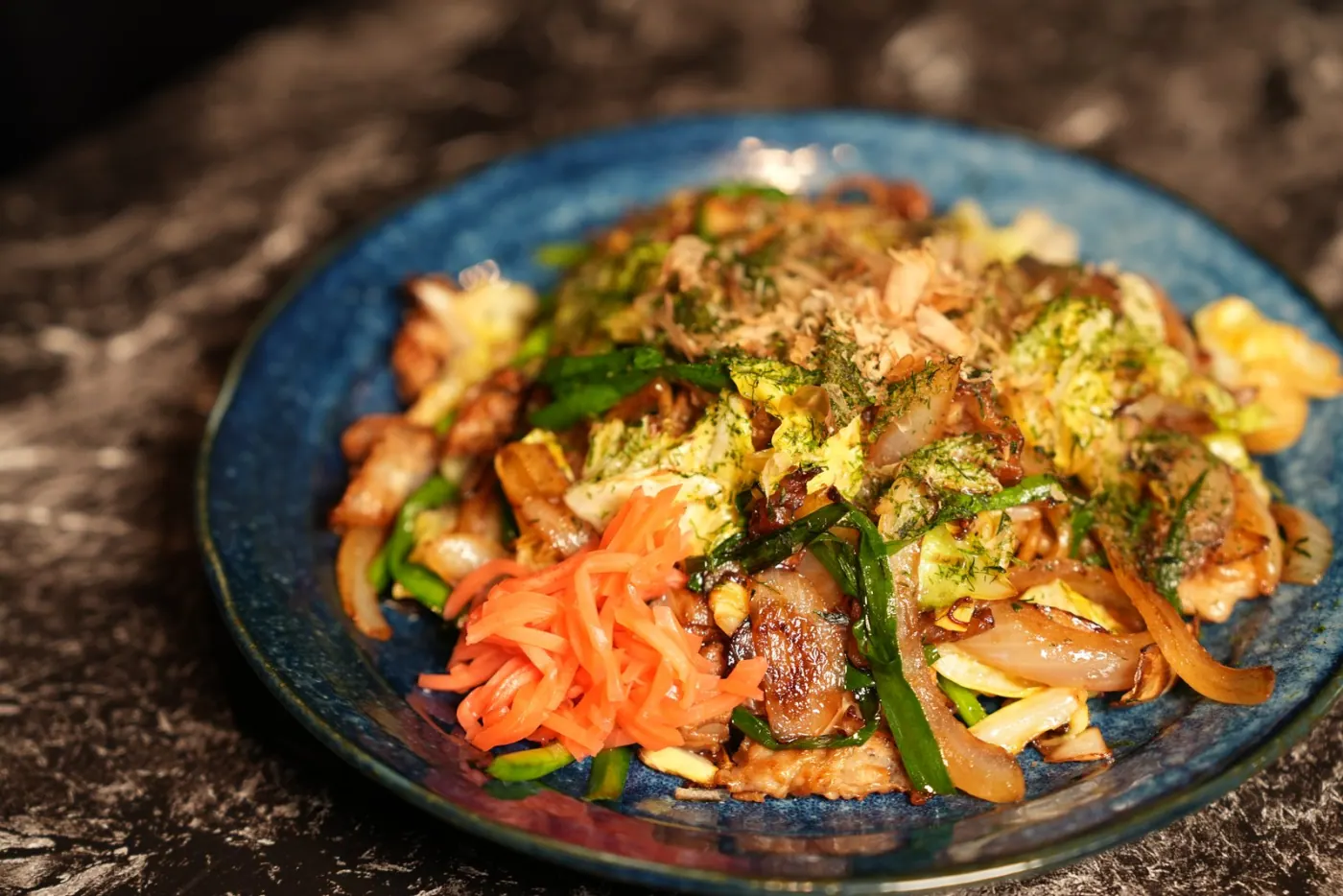
Noodles焼きそば
Yakisoba
Japanese Stir-Fried Noodles
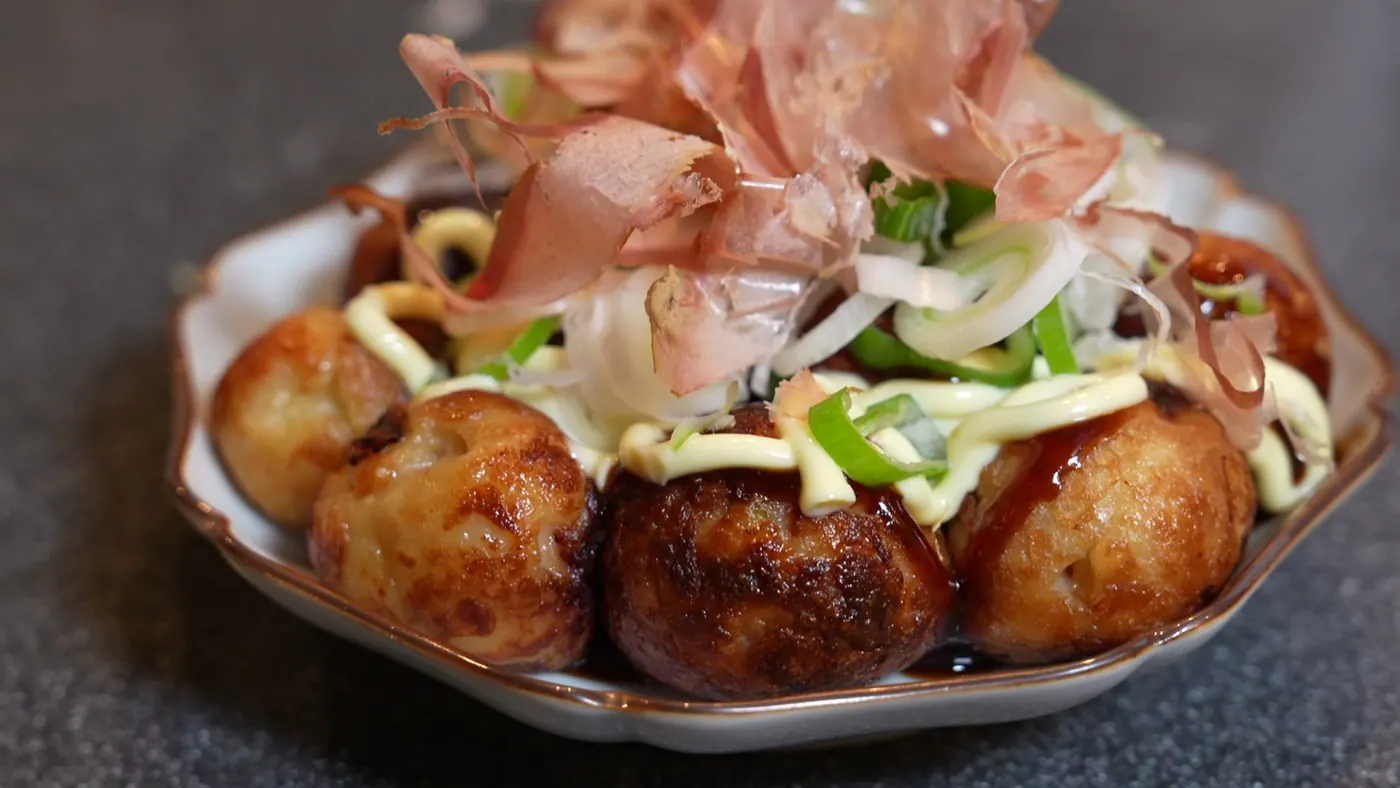
Appetizers & Sidesたこ焼き
Takoyaki
Japanese Octopus Balls
Frequently asked questions
Is katsuobushi raw fish?
No. The fish is simmered, then smoked and dried for weeks or months before it is shaved.
Why do bonito flakes move on hot food?
The flakes are paper-thin, so heat and steam rising from the food make them curl and sway.
Is katsuobushi the same as bonito?
Katsuobushi is made from katsuo, the skipjack tuna, which is usually called bonito in English. So bonito flakes and katsuobushi are the same thing.
How should I store opened bonito flakes?
Press out the air, seal the bag and keep it in the fridge so the flakes keep their aroma.